
The main types
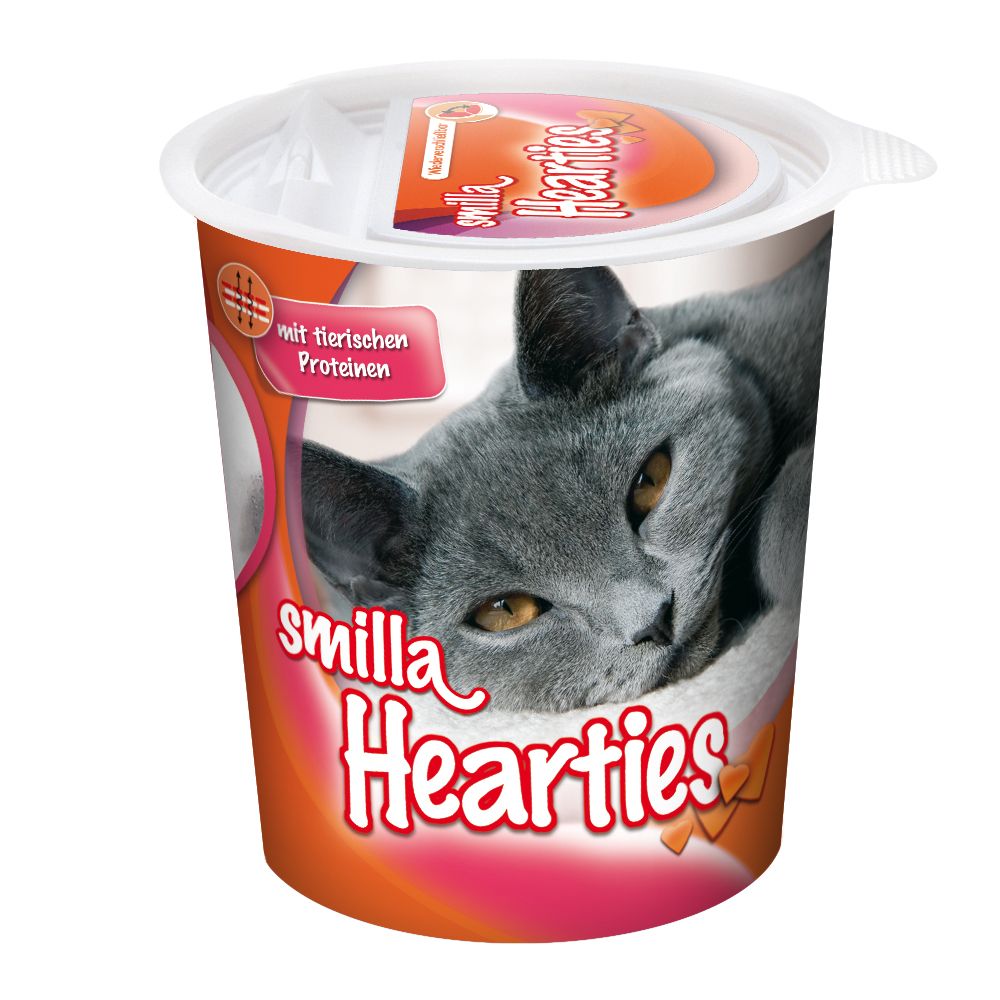
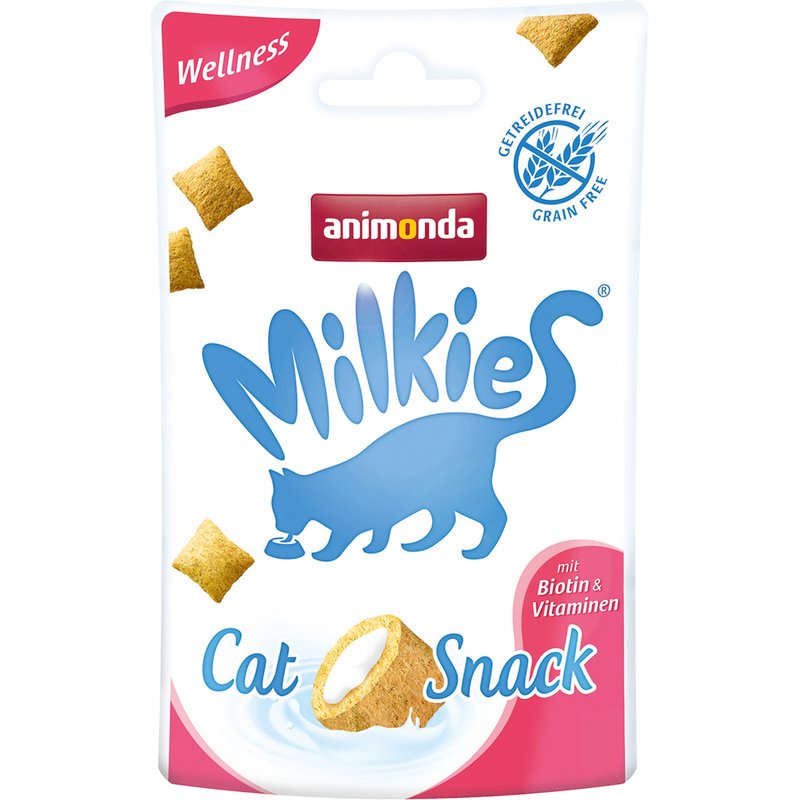
- Crunchy filled treats such as Dreamies or Felix Goody Bag: crisp outside, soft centre, very popular and easy to count out. They are small but add up quickly.
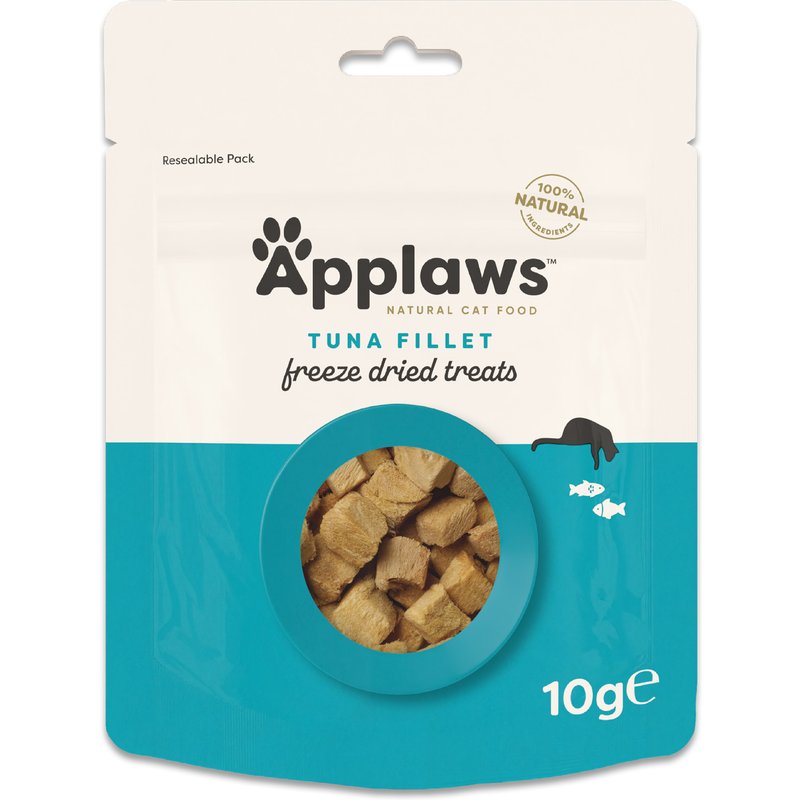
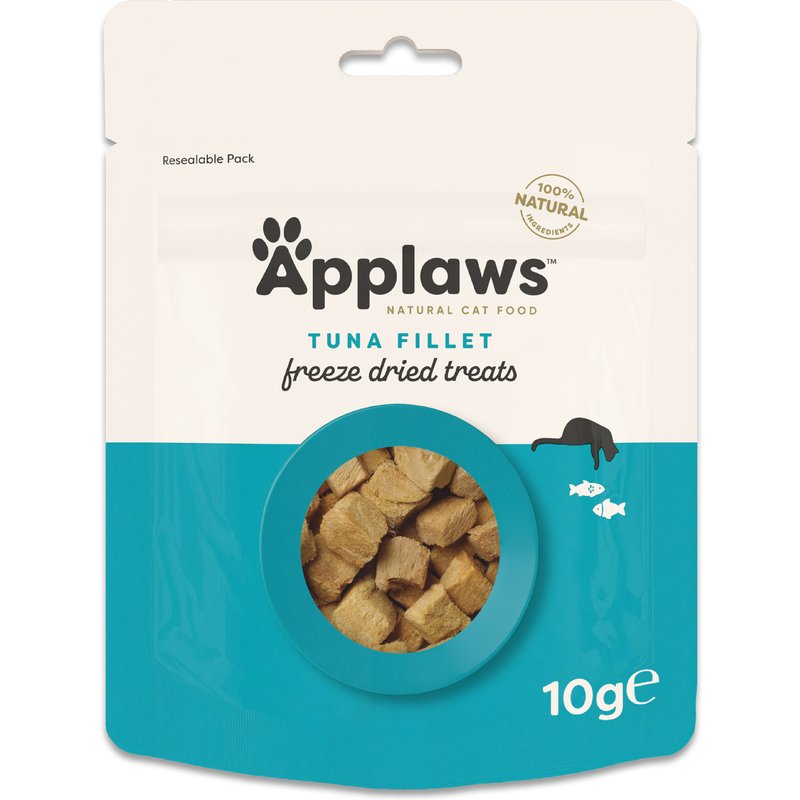
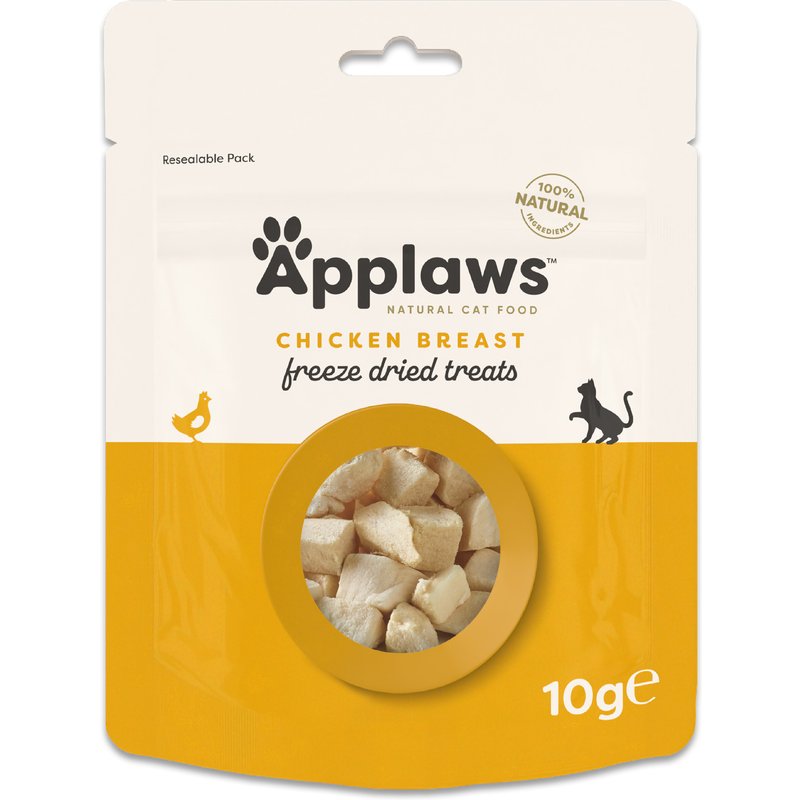
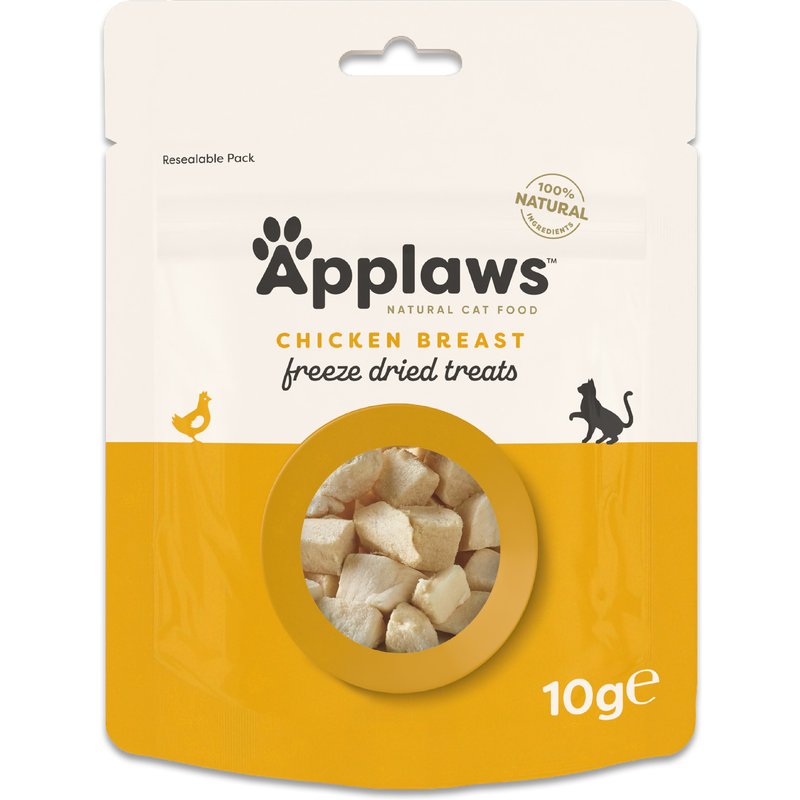
- Freeze-dried meat or fish: often a single ingredient, such as chicken breast or tuna. Good for cats with sensitive stomachs and for training, as they break into small pieces.
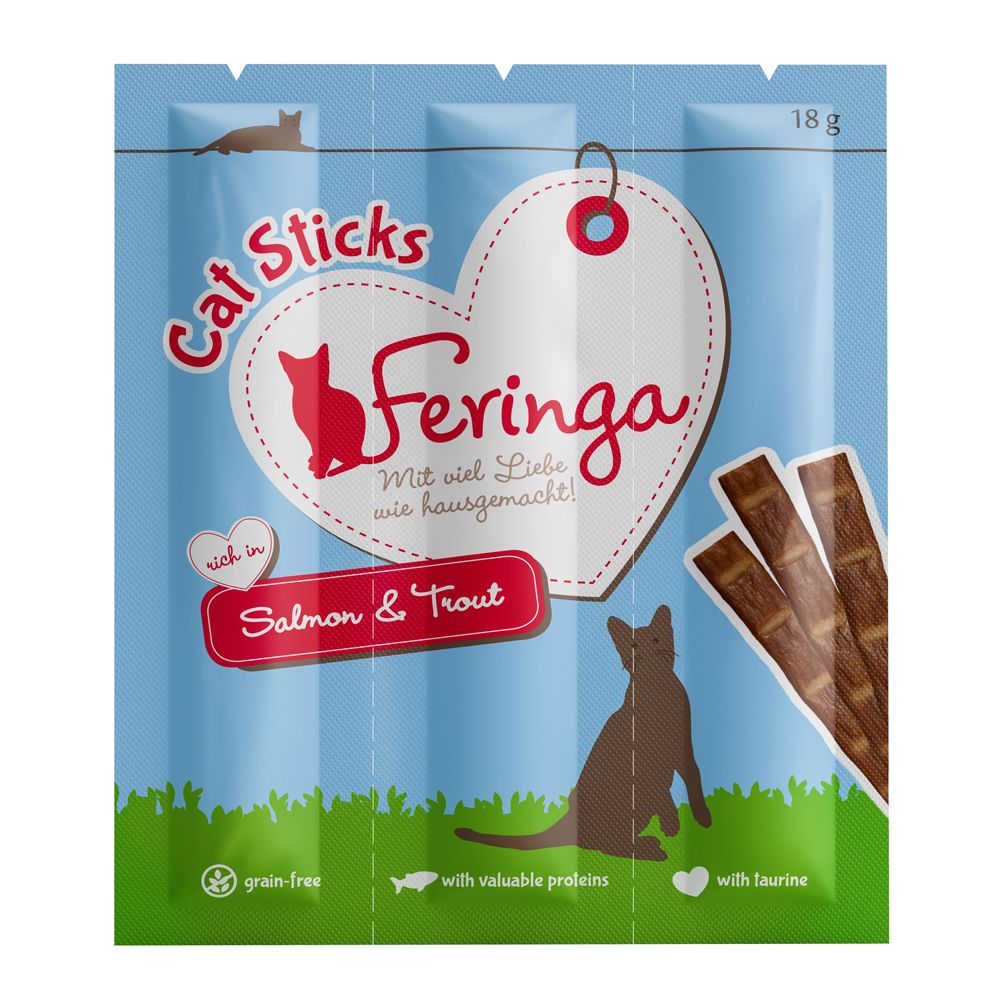
- Meat sticks and strips: chewy, longer-lasting, easy to tear into portions.
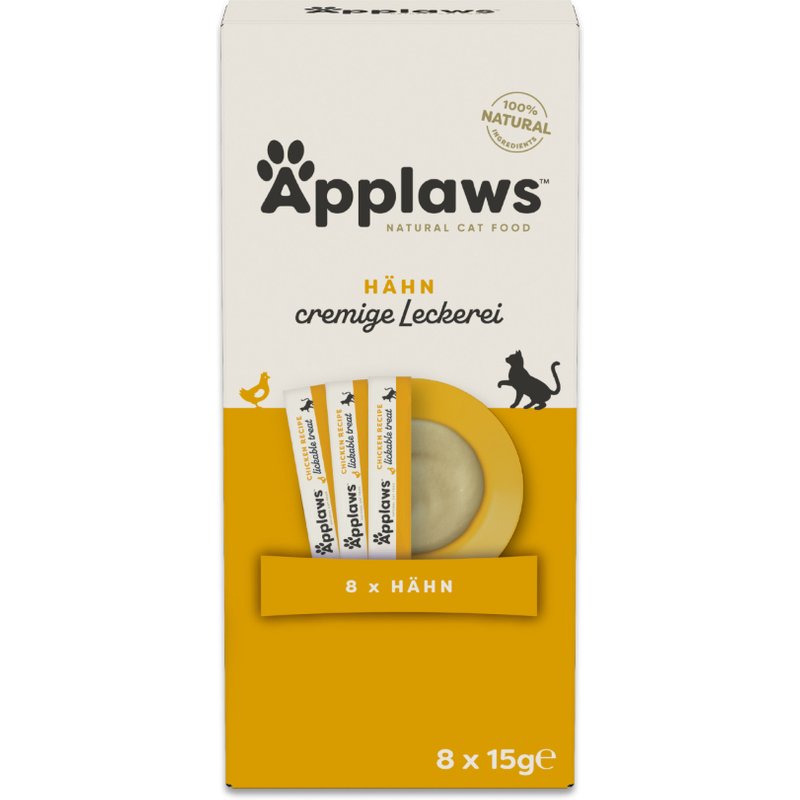
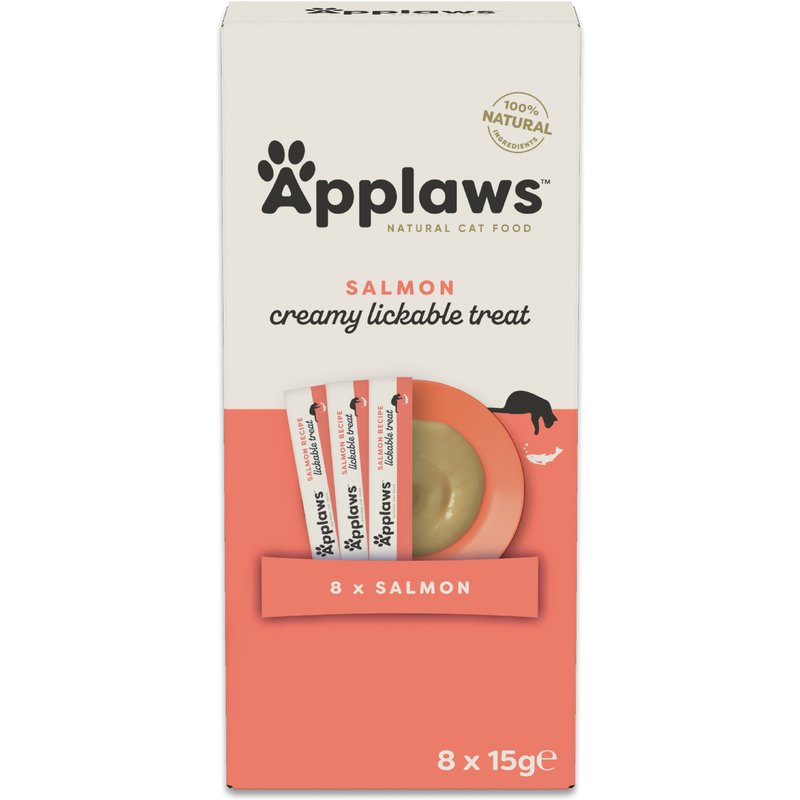
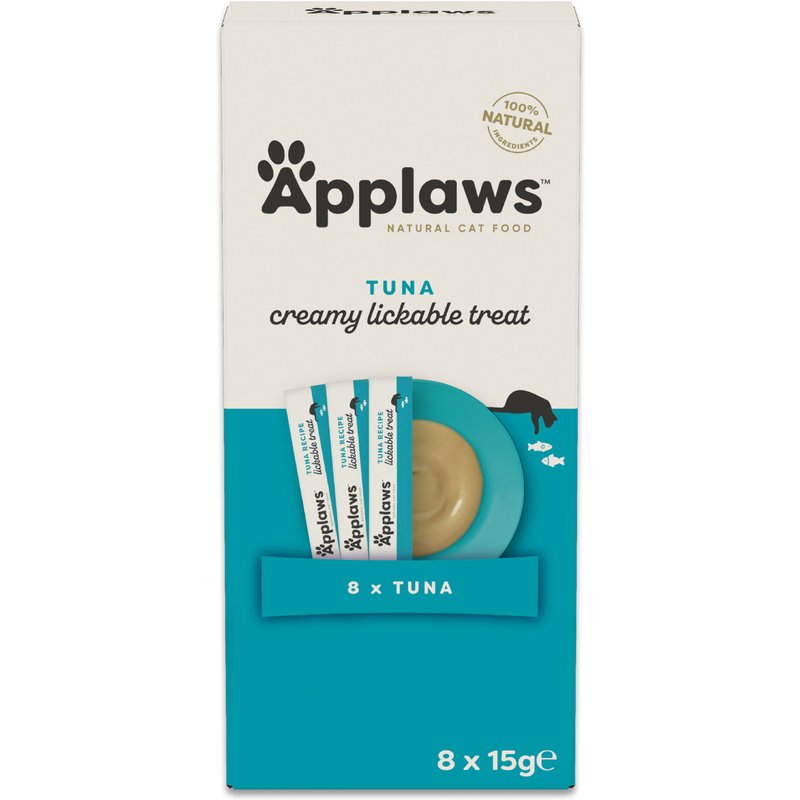
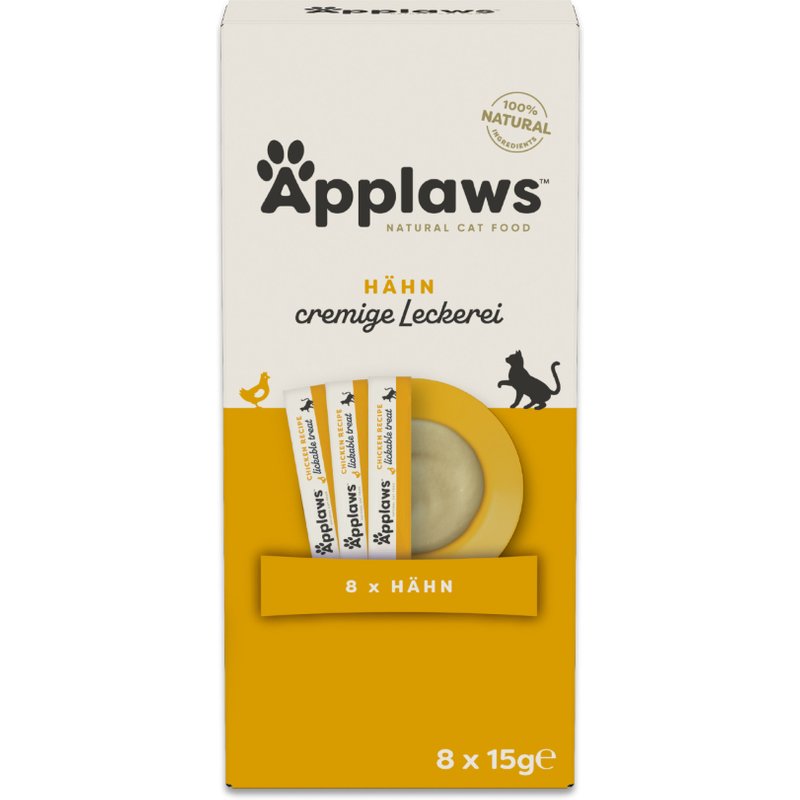
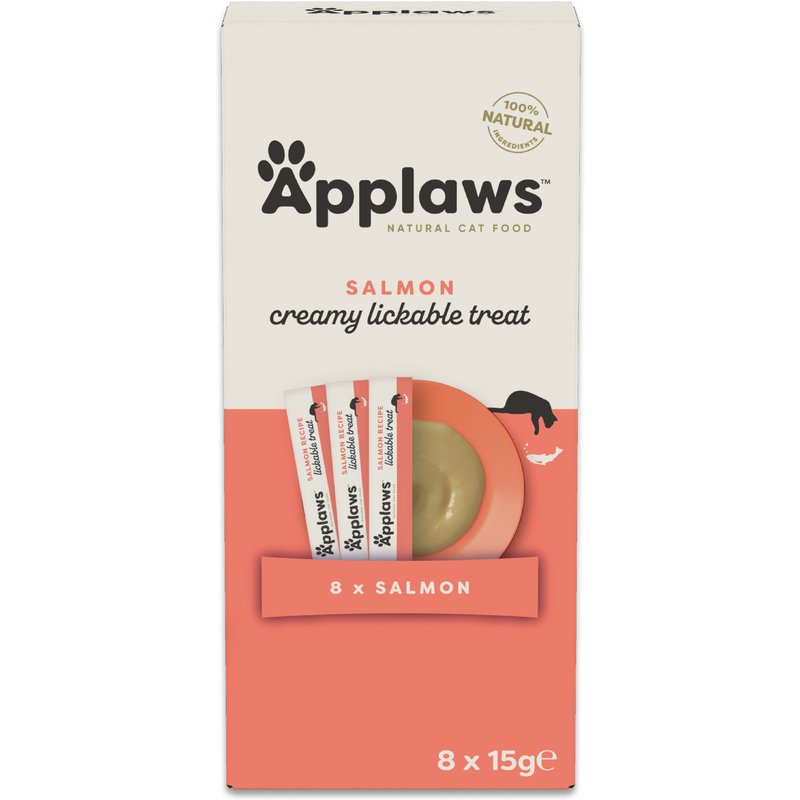
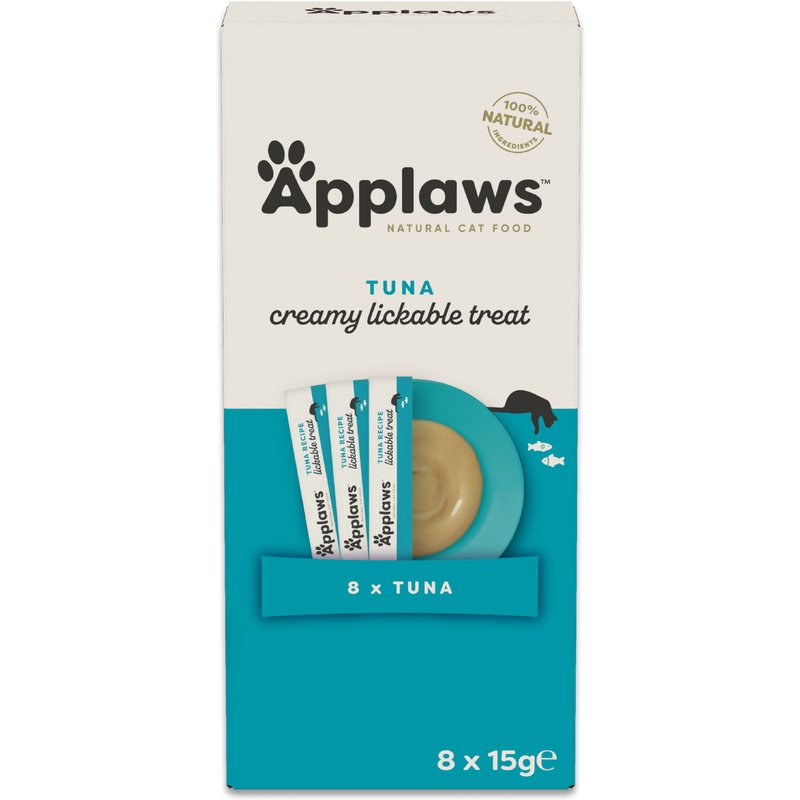
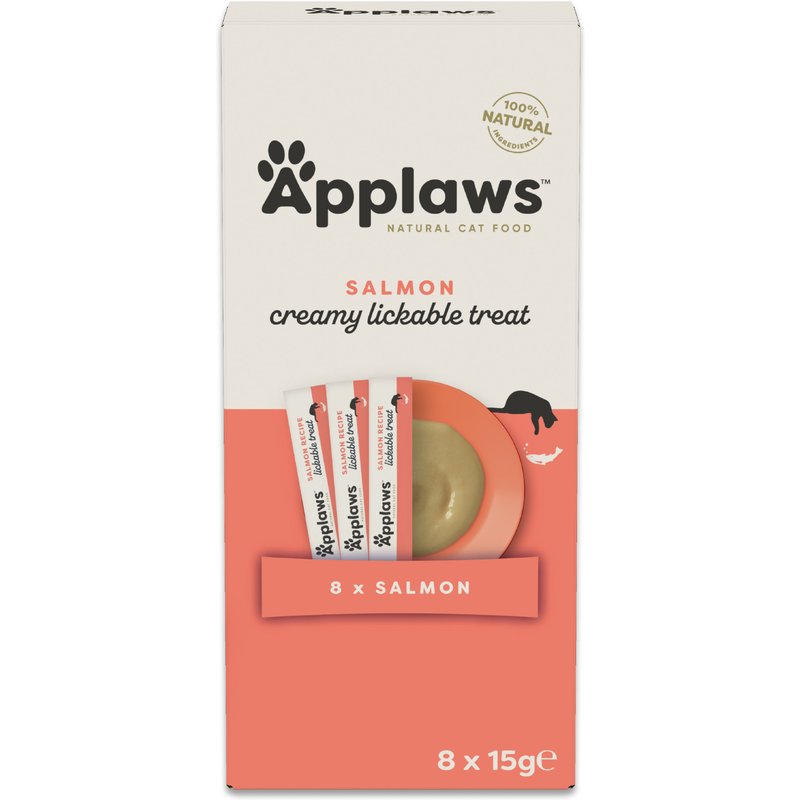
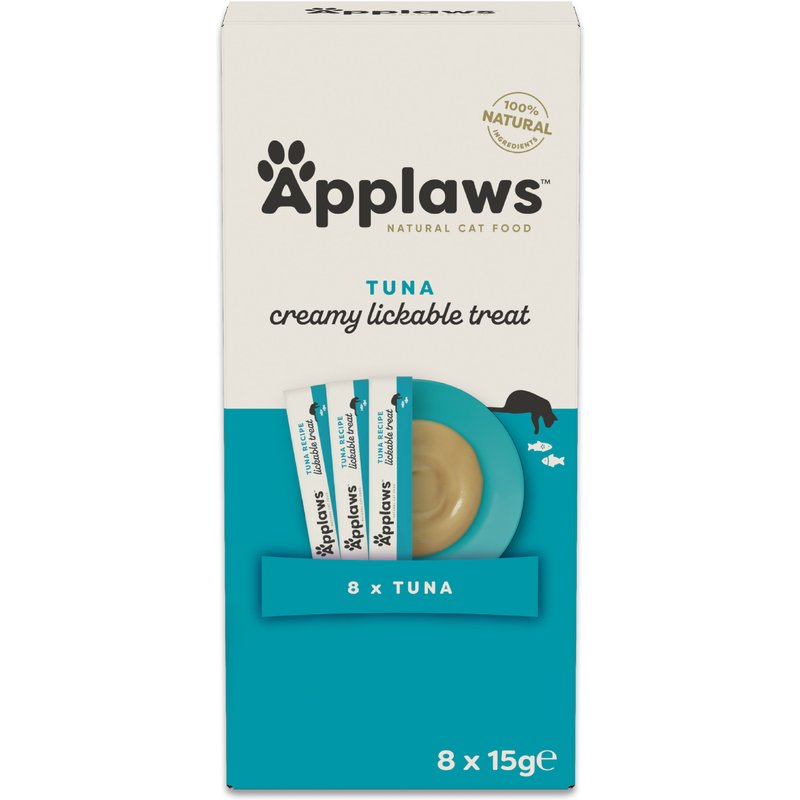
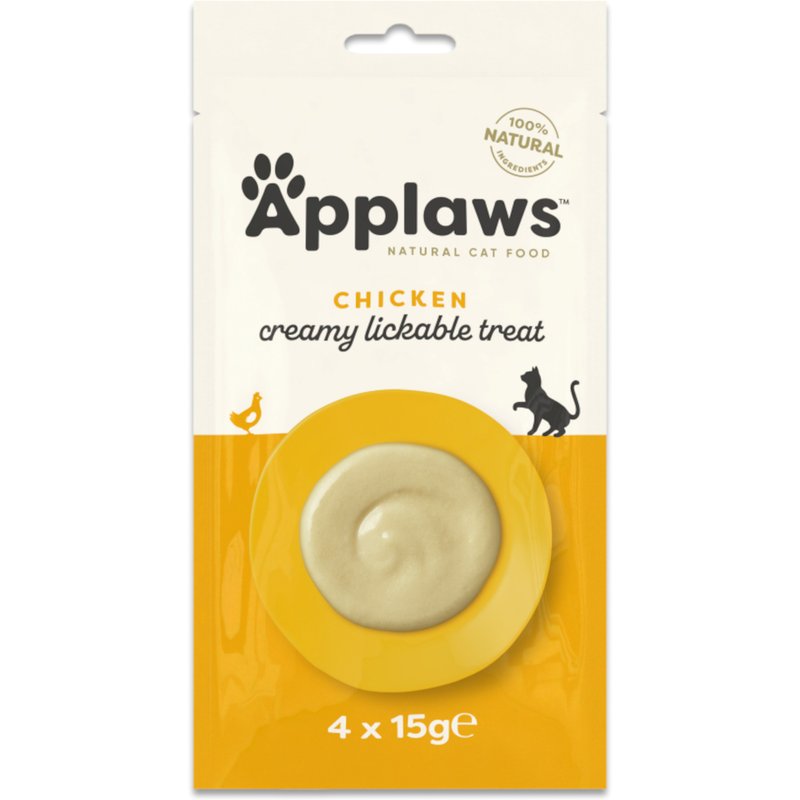
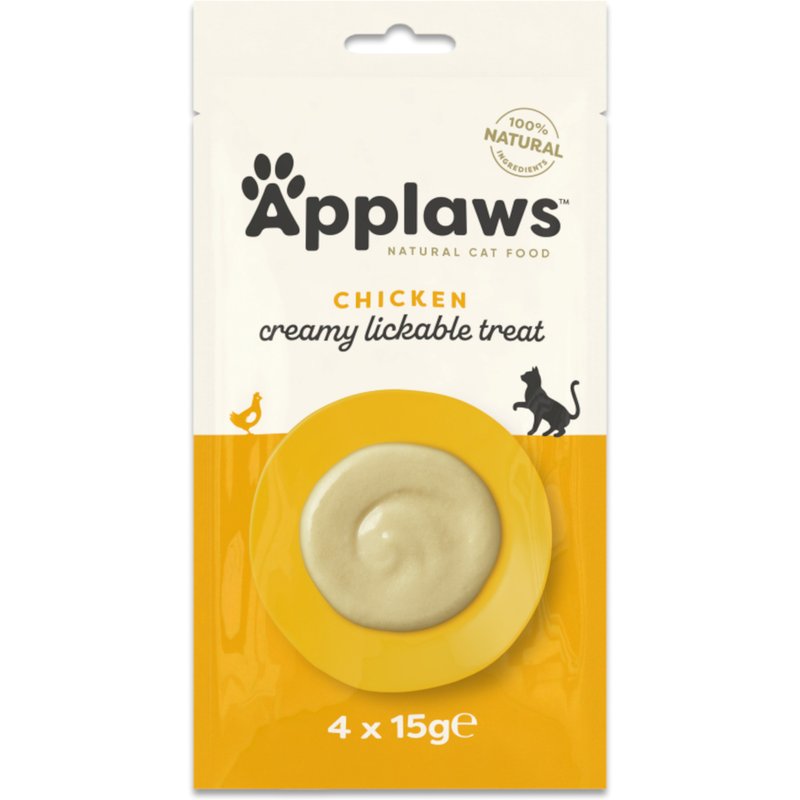
- Creamy and liquid treats: lickable pastes in sachets or tubes. Cats can lick them straight from the sachet, which makes them handy for vet visits, grooming sessions or hiding a tablet.
- Pastes: malt, vitamin and digestion pastes, usually given from a fingertip or tube.
- Cat milk, yoghurt and puddings: made for cats with reduced lactose, unlike cow’s milk.
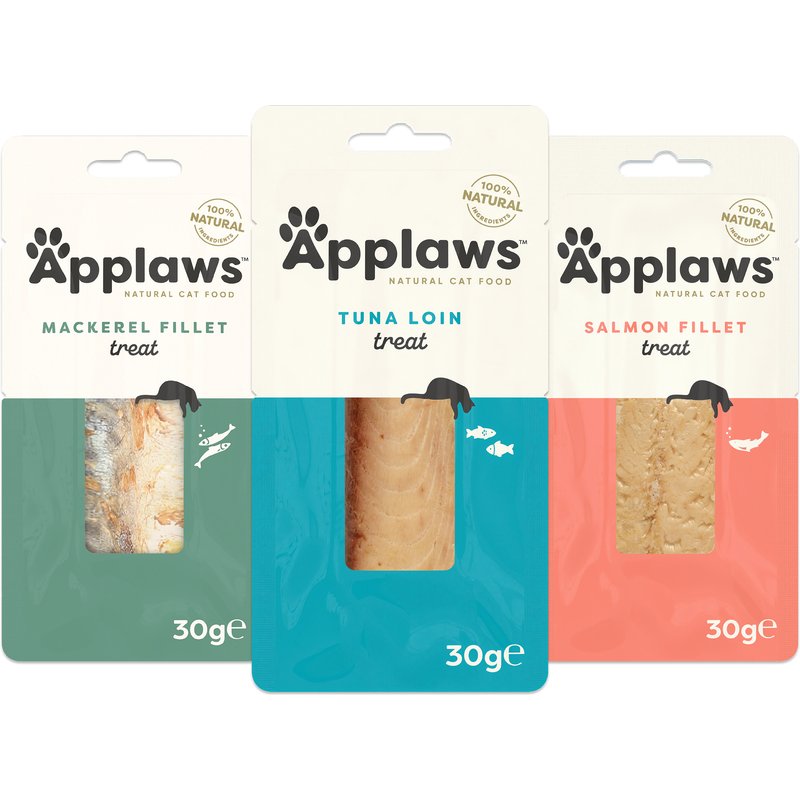
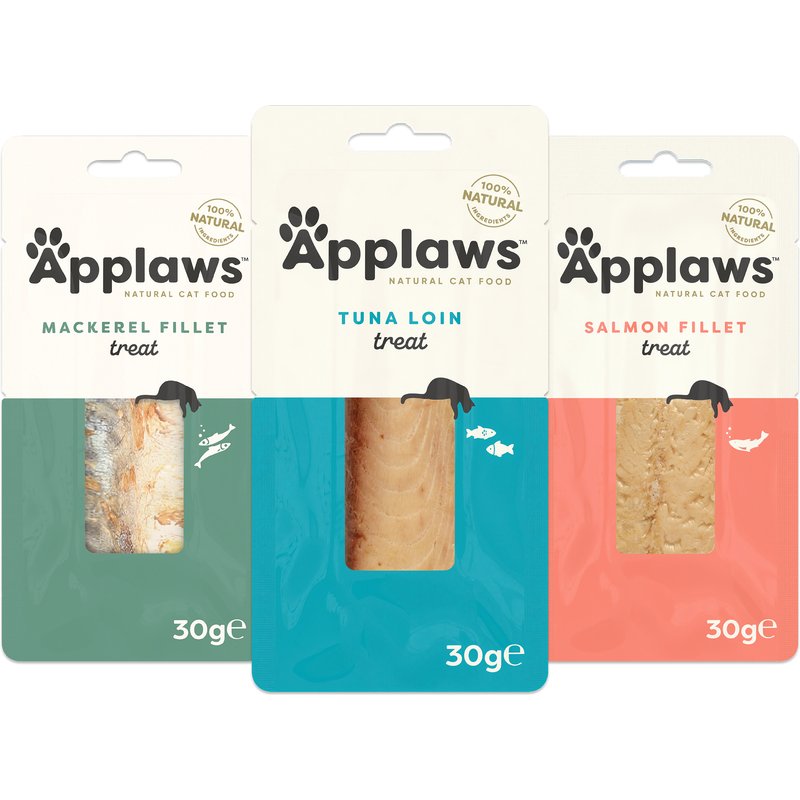
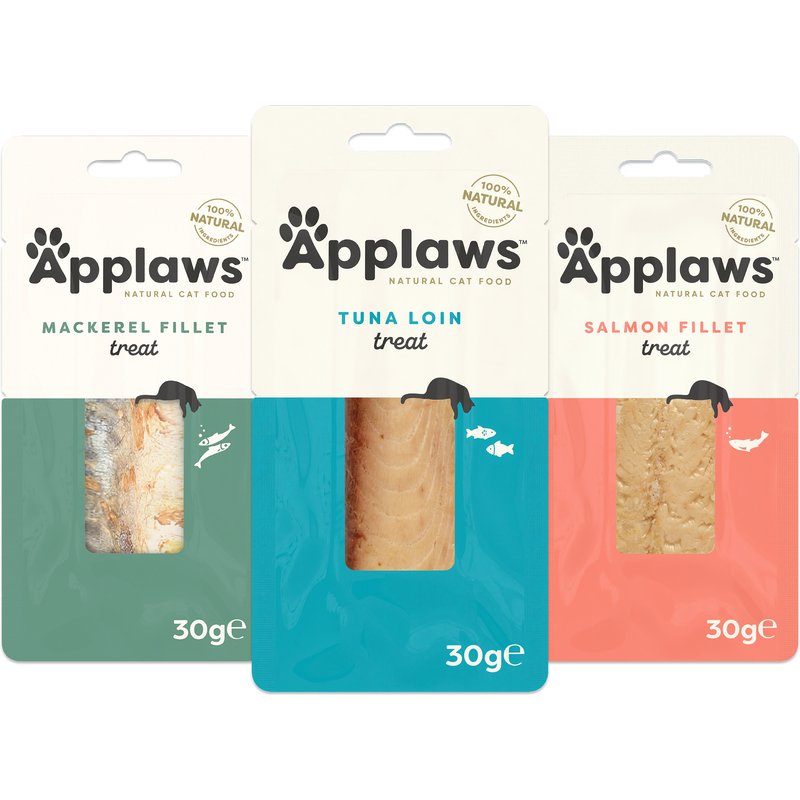
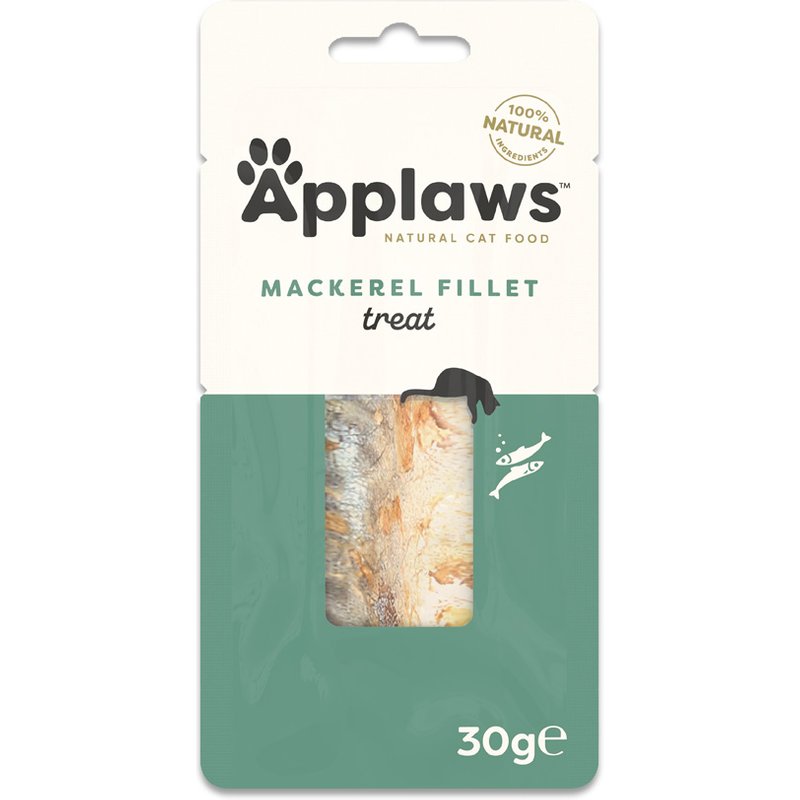
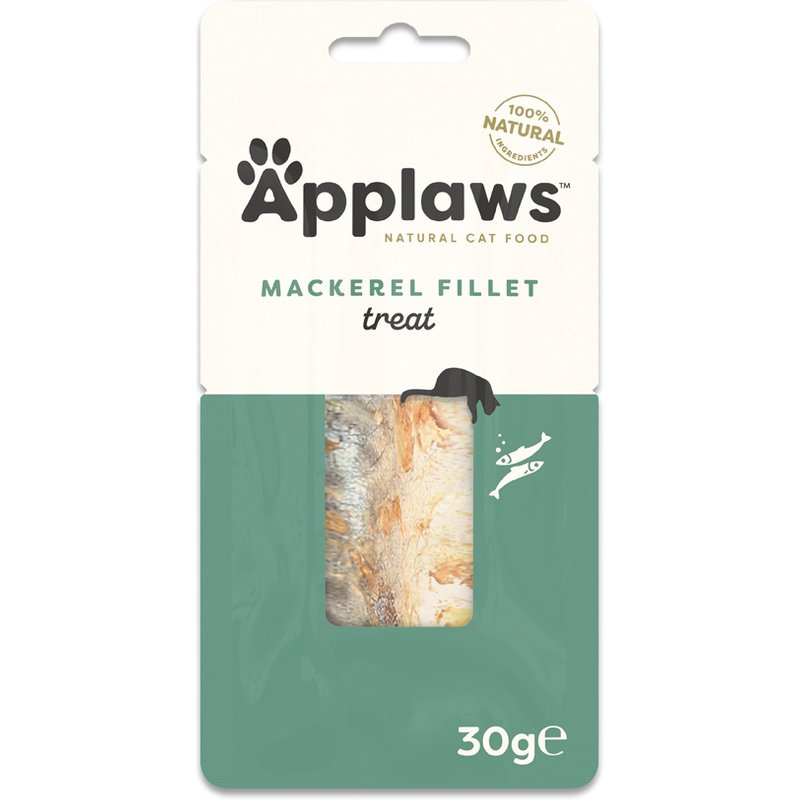
- Loins and fillets: whole pieces of fish or meat, often sold as treats or meal toppers.
- Cat grass and catnip: not food as such, but popular snacks; some cats chew grass and bring up hair afterwards.
How many treats
The common guideline is that treats should make up no more than about 10 per cent of a cat’s daily calories. For an average adult that is not very much, so check the pack, which usually states a maximum per day by body weight. If your cat gets treats every day, take a little off the meals to balance it out. A practical habit is to count the day’s treats into a small pot in the morning, so everyone in the house uses the same allowance.
Cats on a veterinary diet are a special case: one handful of the wrong treat can undo the purpose of a urinary, kidney or hypoallergenic diet. Ask your vet which treats, if any, are allowed. Several veterinary diet brands make treats to match.
Choosing for your cat
- Overweight cats: freeze-dried meat broken into small pieces, or part of the day’s kibble used as treats
- Sensitive stomachs: single-protein treats with a short ingredient list
- Kittens: treats labelled for kittens, from the age stated on the pack
- Cats that drink little: liquid treats add a bit of moisture
- Older cats with few teeth: creamy treats, soft sticks and pâté-style snacks
Using treats well
Treats work best when they are earned. Use them to reward the cat for walking into the carrier, sitting on the scales or tolerating a brush, and the next session gets easier. Throwing a crunchy treat across the floor turns it into a short game of chase, which helps indoor cats get moving. Hiding a few in a puzzle feeder gives them something to work for.
Keep bags sealed after opening: crunchy treats go soft and stale quickly, and many cats learn to open a loose bag. Opened sachets of creamy treats should be finished the same day or stored as the pack directs.
Common questions
How many treats can I give my cat a day?
A common guideline is that treats should be no more than about 10 per cent of daily calories. Check the pack, which usually gives a maximum per day by body weight, and reduce meals slightly if your cat has treats every day.
Can cat treats replace a meal?
No. Nearly all treats are complementary foods, which means they are not balanced enough to be fed on their own. They are meant to be given alongside a complete wet or dry food.
From what age can kittens have treats?
Use treats made for kittens or labelled as suitable for them, from the age printed on the pack. Keep amounts small, as kittens need their calories from a complete kitten food to grow properly.
Do malt pastes help with hairballs?
Malt pastes are complementary feeds designed to help swallowed hair pass through the gut, and many owners use them for long-haired cats. Regular brushing reduces the amount of hair swallowed in the first place. If your cat retches often or brings up hairballs frequently, see your vet.