
Brushes for each coat type
The right brush depends on the coat, and using the wrong one is the main reason grooming feels like a chore.
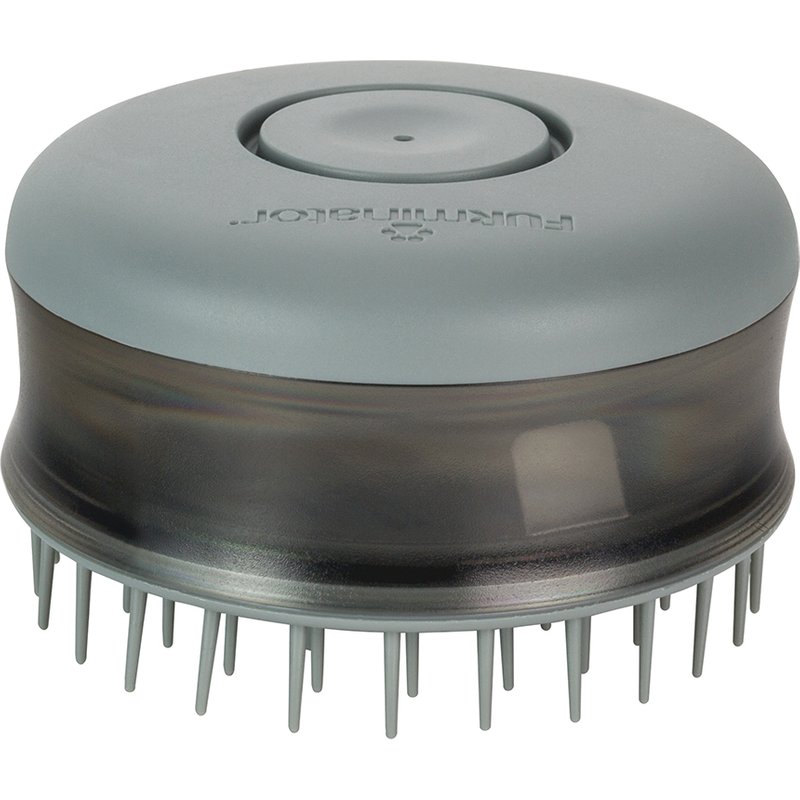
- Short, smooth coats (Boxer, Whippet, Staffordshire Bull Terrier): a rubber grooming mitt or curry brush loosens dead hair, followed by a soft bristle brush for shine. Once a week is usually enough.
- Double coats (Labrador, German Shepherd, Husky, Border Collie): an undercoat rake or deshedding tool pulls out the loose undercoat, especially during the spring and autumn moults. Brush several times a week when they are shedding.
- Long, silky coats (Cavalier King Charles Spaniel, Cocker Spaniel, Yorkshire Terrier): a pin brush plus a metal comb. Check behind the ears, in the armpits and on the trousers, where mats form first.
- Curly, low-shedding coats (Poodle, Bichon Frise, doodle crosses): a slicker brush, then a comb right down to the skin. These coats keep growing and need regular professional clipping. If the comb will not pass through, there is a mat underneath.
- Wiry coats (Border Terrier, Schnauzer): a slicker brush and comb at home, with hand stripping by a groomer to keep the coat’s texture.
Do not shave a double-coated dog to cool it down in summer. The undercoat helps regulate temperature, and it does not always grow back properly.
Bathing
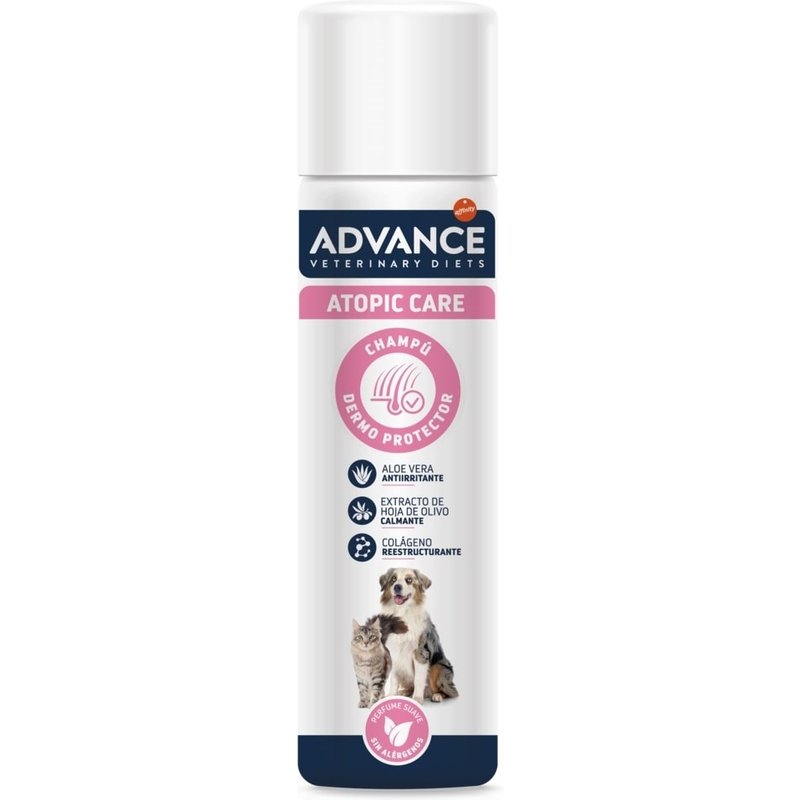
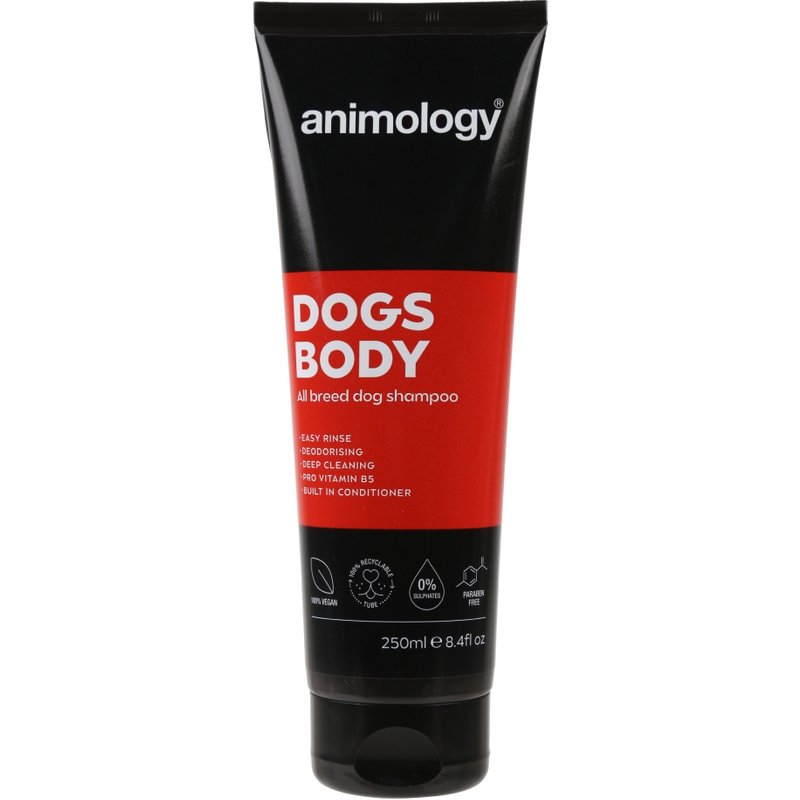
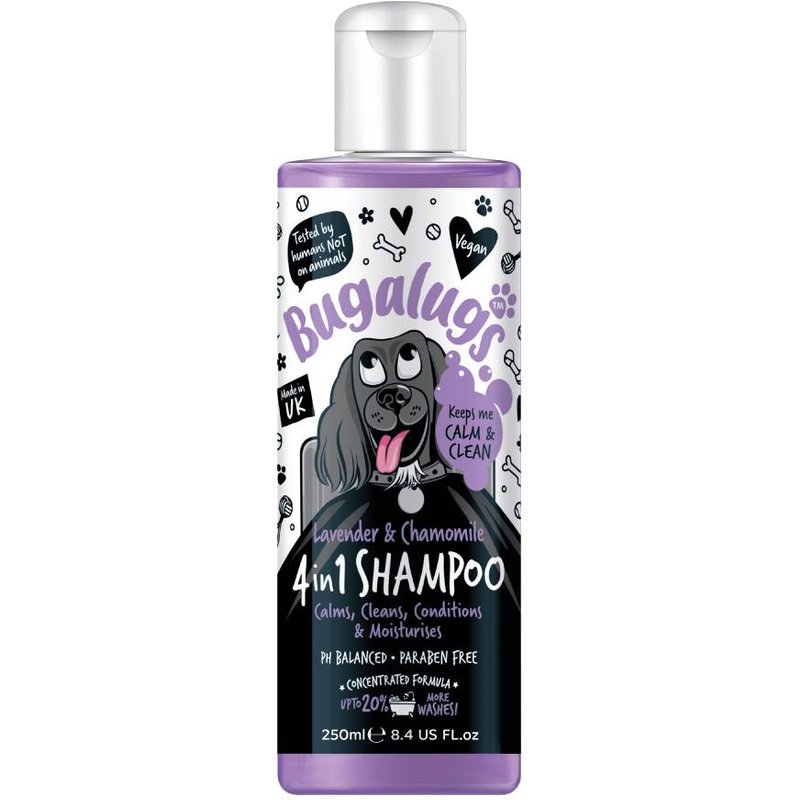
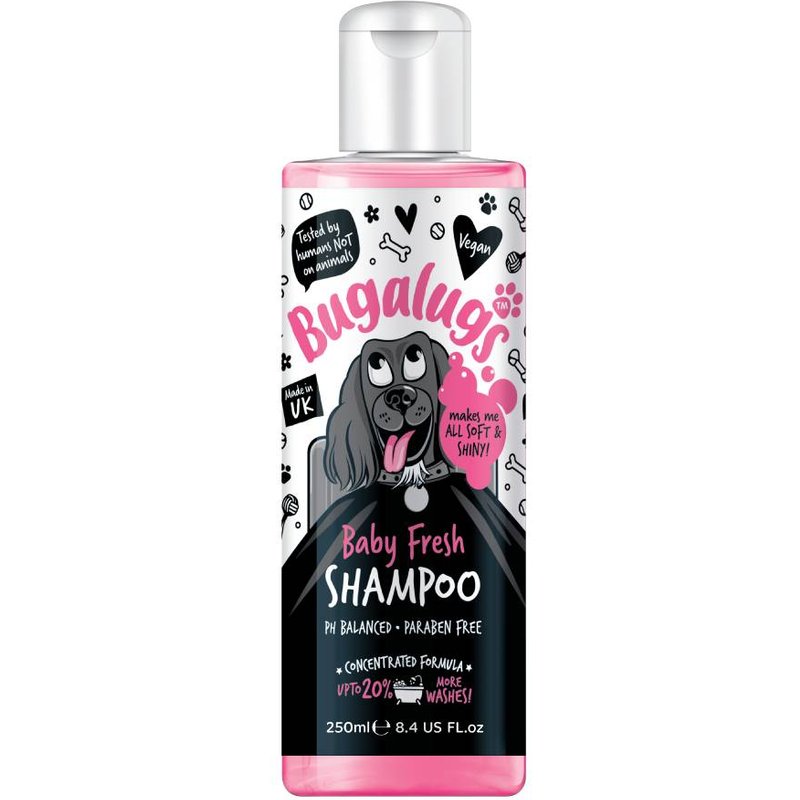
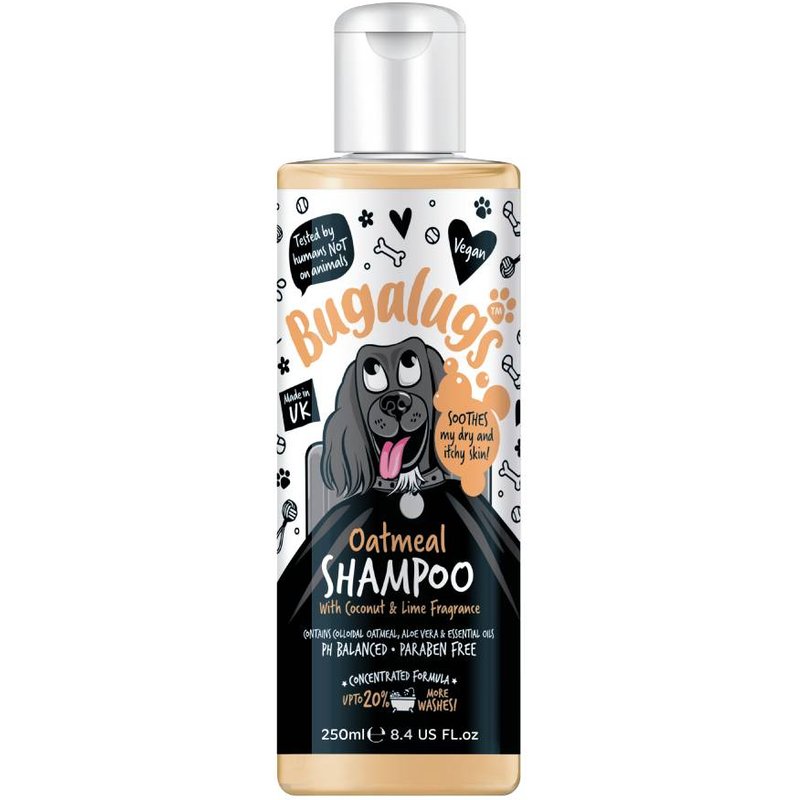
Most dogs only need a bath when they are dirty or smelly. Use a shampoo made for dogs. Dog skin has a different pH from human skin, and human products can dry it out. Wet the coat thoroughly, lather, then rinse until the water runs clear, because leftover shampoo causes itching. If your dog has a spot-on flea treatment, check the leaflet for how long to wait before and after bathing.
Nails, ears and teeth
Nails. If you can hear your dog’s nails clicking on a hard floor, they are probably too long. Trim a little at a time with dog nail clippers or a grinder, avoiding the quick, the pink area with blood vessels inside the nail. It is easy to see on pale nails and hidden on dark ones, so take tiny slivers. Ask your vet nurse or groomer to show you the first time.
Ears. Check them weekly. Healthy ears look pale pink and do not smell. Use a dog ear cleaner on the outer ear only, and never push cotton buds into the canal. Head shaking, scratching, redness or a smell are reasons to see the vet.
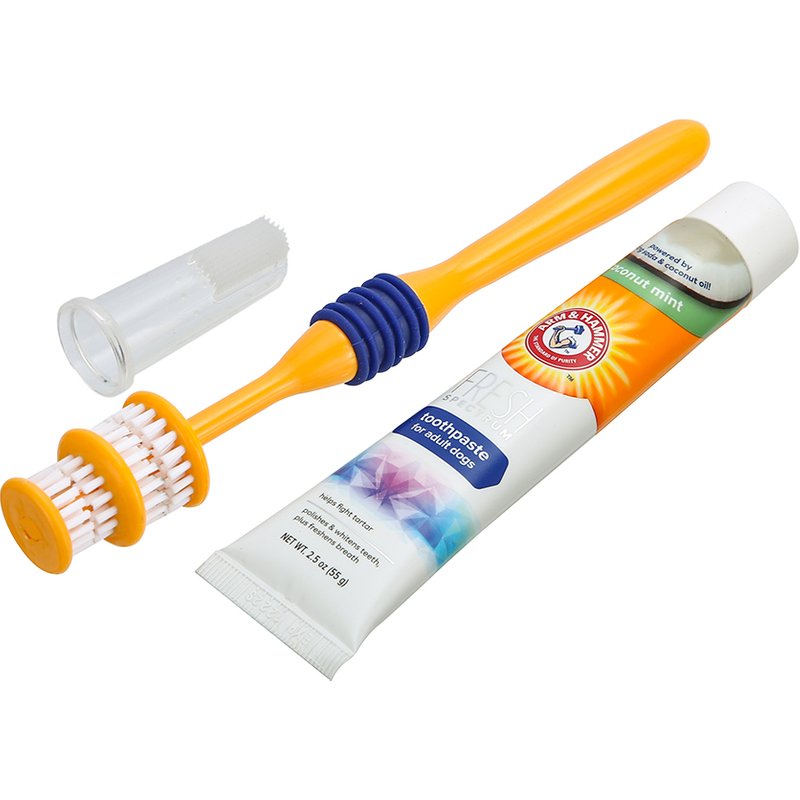
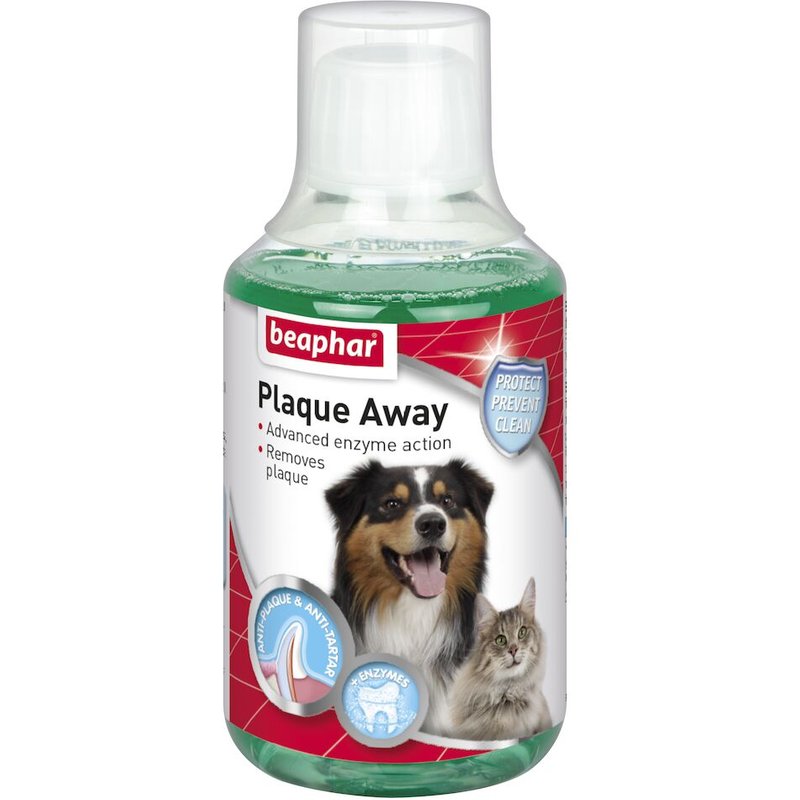
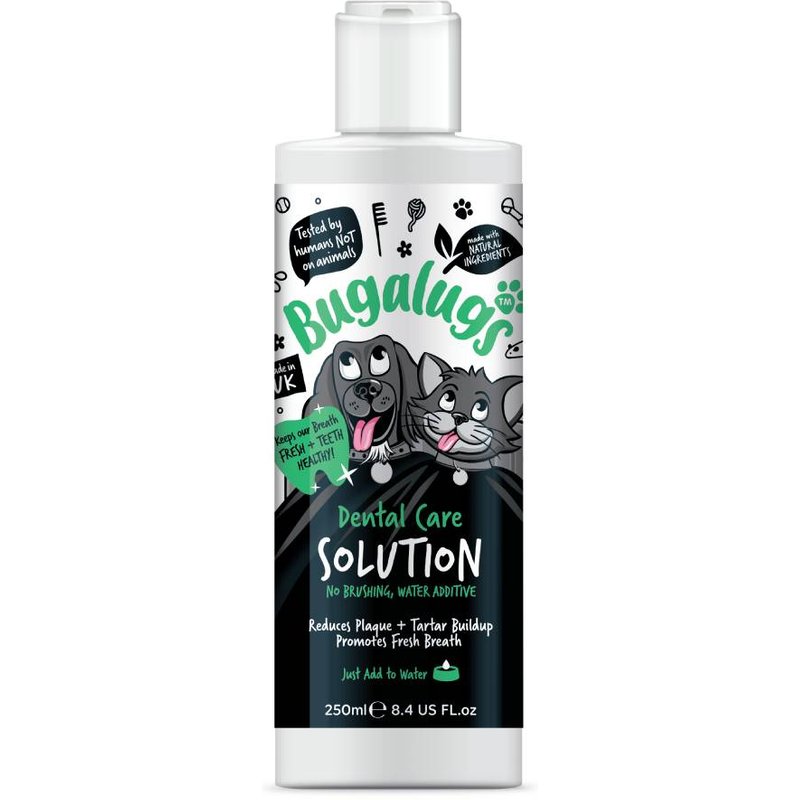
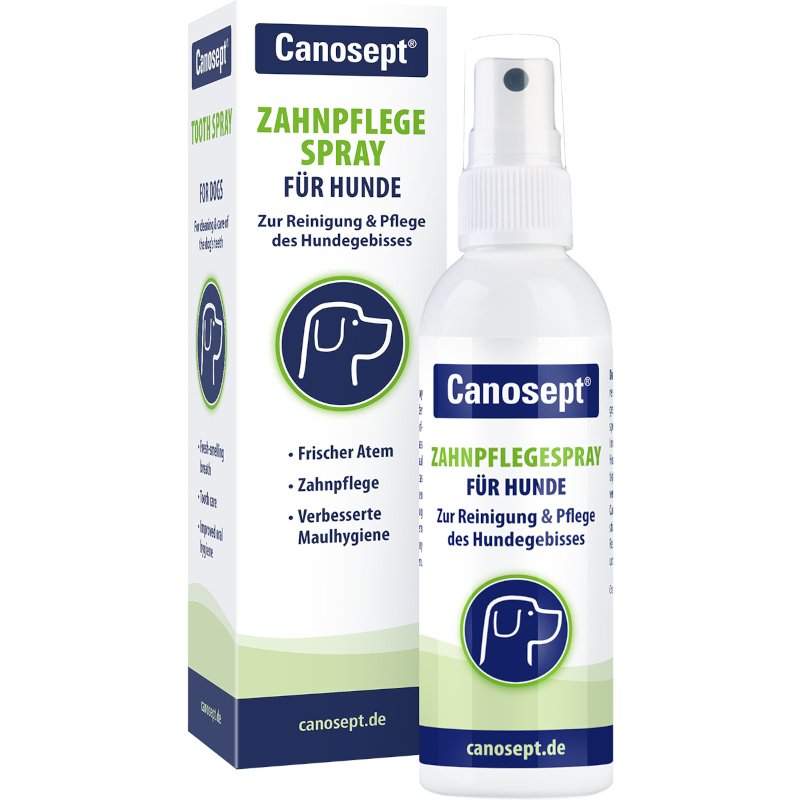
Teeth. Daily brushing with a dog toothbrush or finger brush is the most effective home dental care. Always use dog toothpaste. Human toothpaste contains fluoride, and some contain xylitol, which is toxic to dogs.
Mobility and everyday care
Ramps and steps help older dogs, small dogs and dogs with joint problems get in and out of the car or onto furniture without jumping. Check the maximum load, make sure the surface is non-slip, and teach your dog to use it on the flat first, rewarding each step.
Grooming sessions are also the best time to check for lumps, ticks, grass seeds between the toes and sore spots. For parasite control, see dog flea, tick and worming.
Common questions
How often should I bath my dog?
Only when your dog is dirty or smelly, or as your vet advises if a medicated shampoo has been prescribed. Bathing too often can dry the skin. Regular brushing keeps most coats clean between baths.
Can I use human shampoo on my dog?
It is better not to. Dog skin has a different pH from ours, and human shampoos can leave it dry and itchy. Choose a dog shampoo suited to the coat and skin, and rinse thoroughly.
How often should I cut my dog’s nails?
It depends on how quickly they grow and how much your dog walks on hard surfaces. Many dogs need a trim every few weeks. If the nails click on the floor or touch the ground when your dog stands, it is time.
Should I shave my double-coated dog in summer?
Generally no. The undercoat helps keep the dog cool as well as warm, and shaved double coats do not always grow back the same. Regular brushing with an undercoat rake to remove loose hair does more to keep your dog comfortable.