
The main types
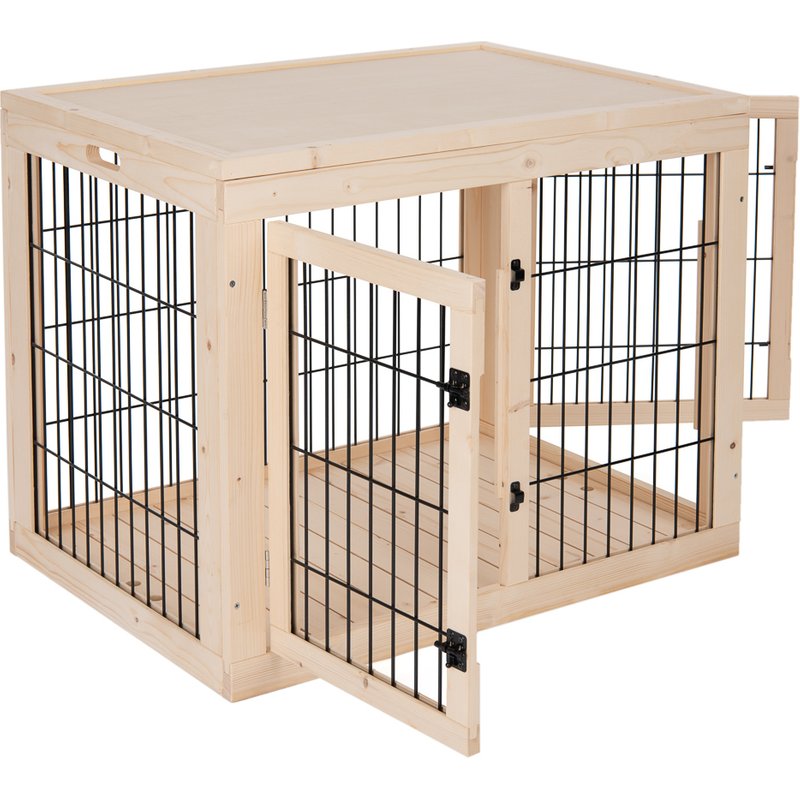
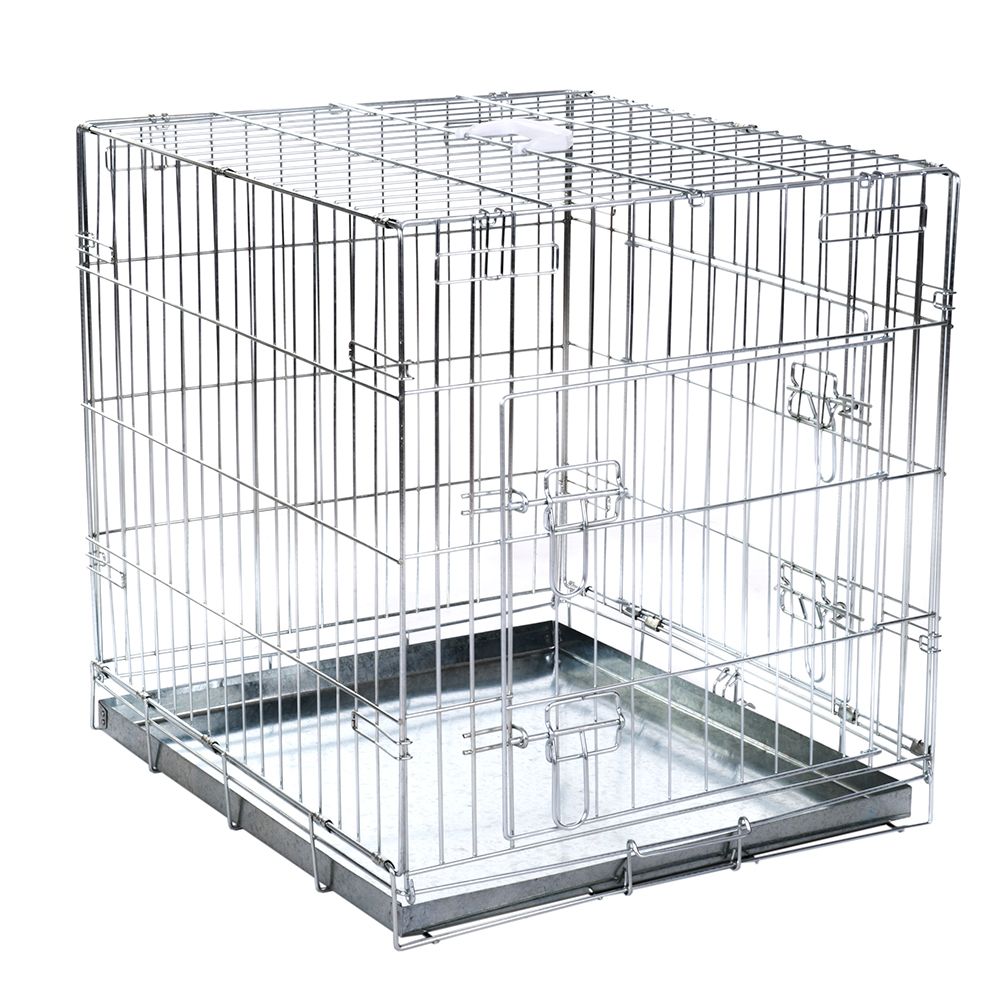
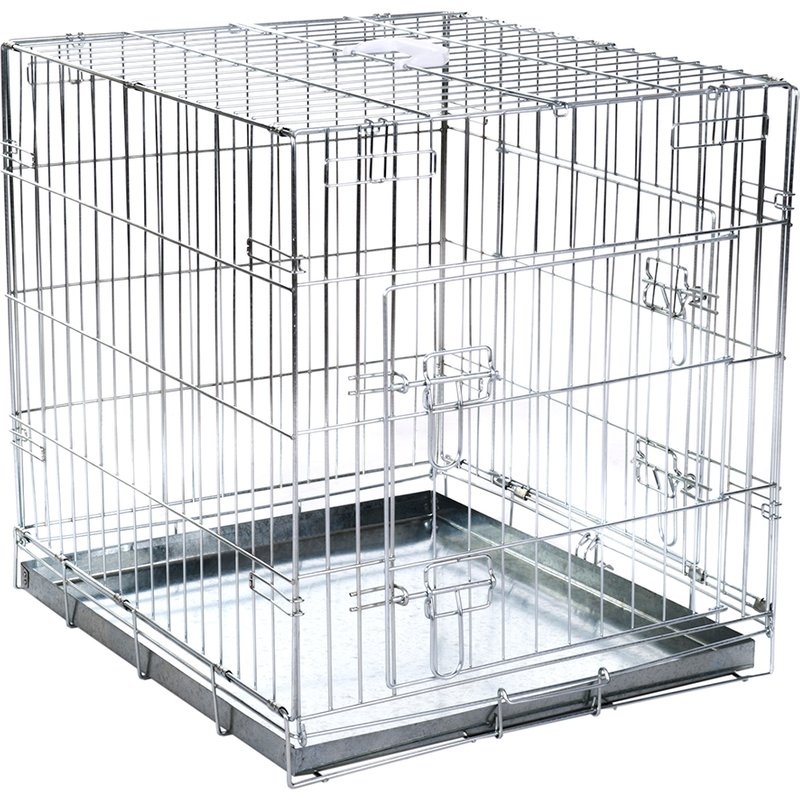
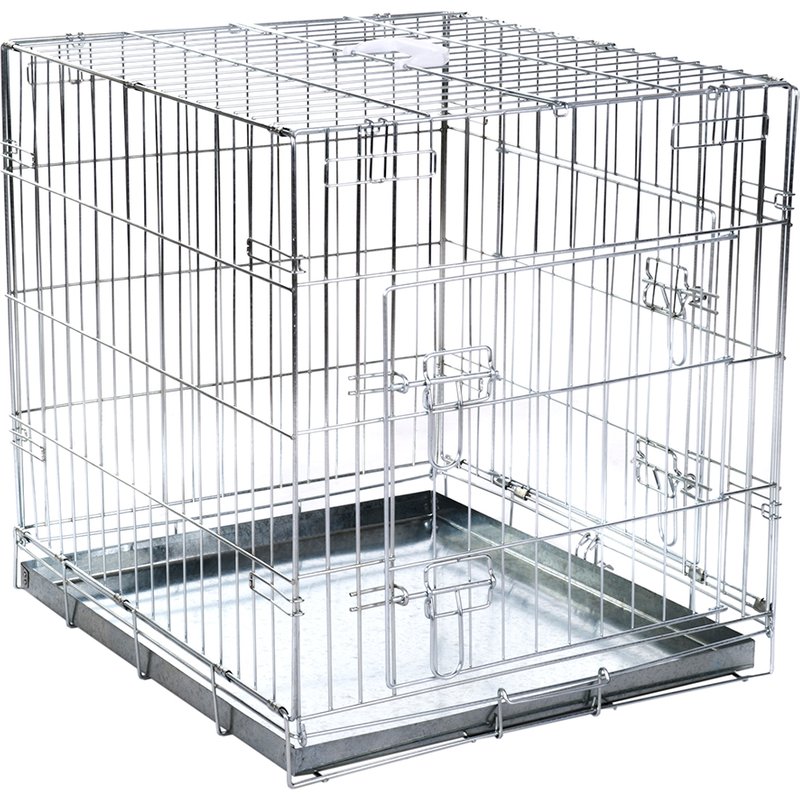
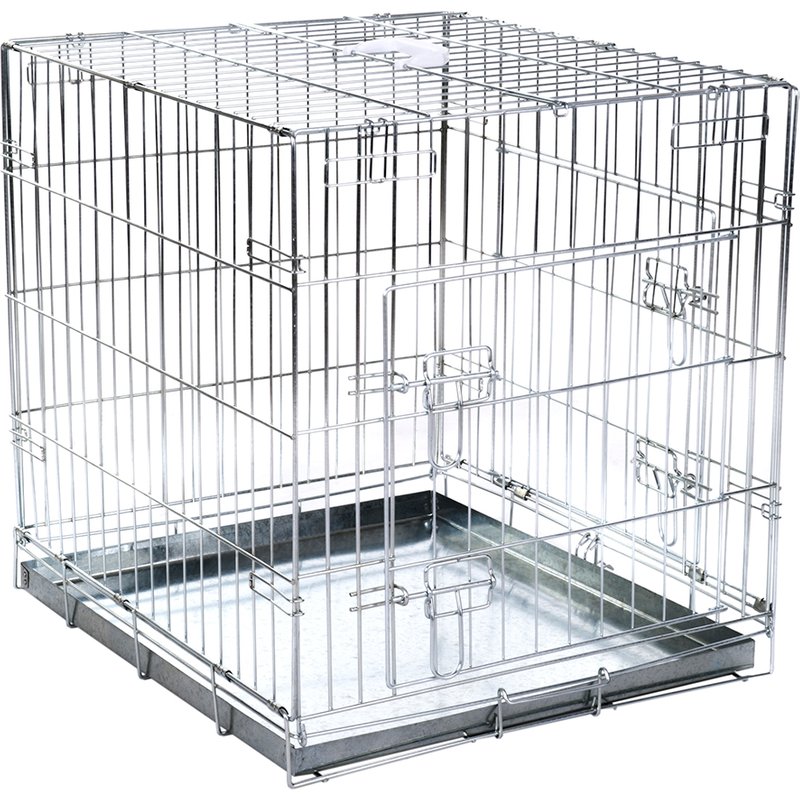
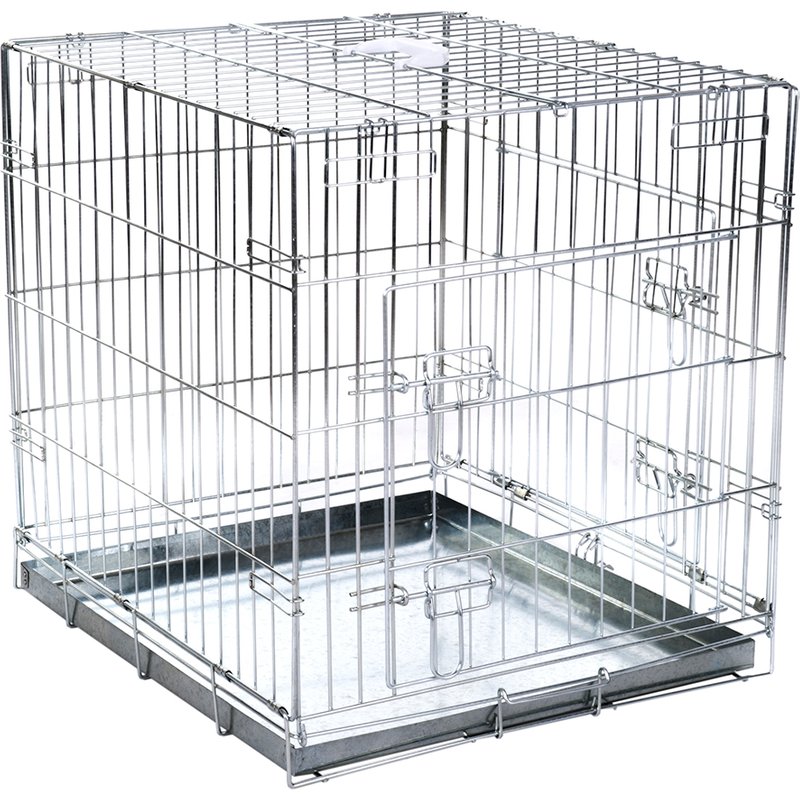
- Wire crates fold flat, give good airflow and let the dog see out. They are the usual choice for crate training at home and work in many cars. Double-door models are easier to place. Many come with a divider panel so you can make the space smaller while a puppy grows.
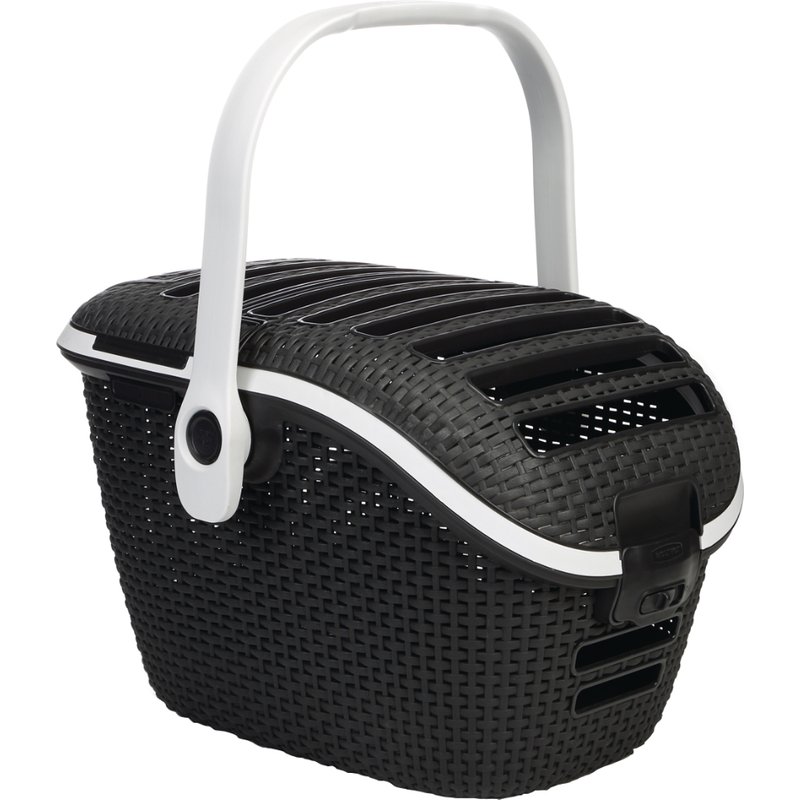
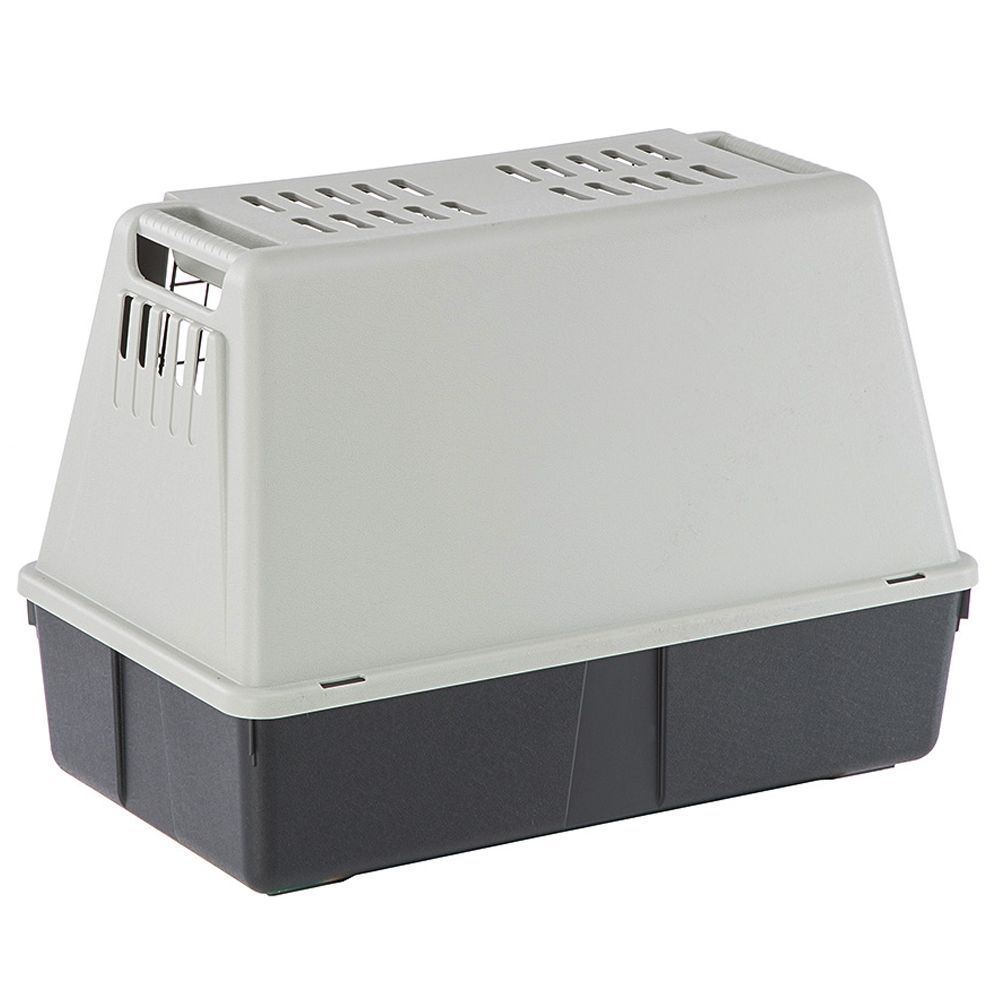
- Plastic transport crates are enclosed, light and easy to clean. They suit car travel and nervous dogs that settle better in a den. If you plan to fly, the airline sets the rules for crate type and size, so check with them before buying.
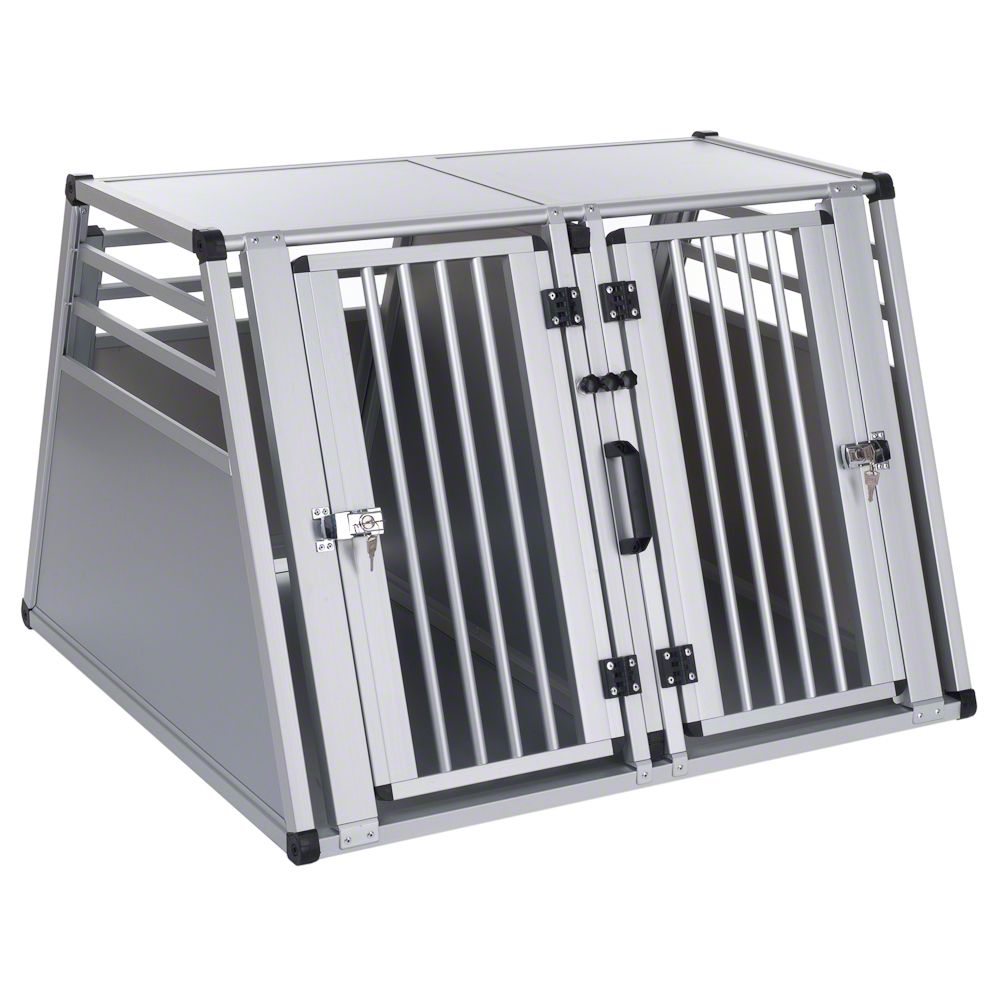
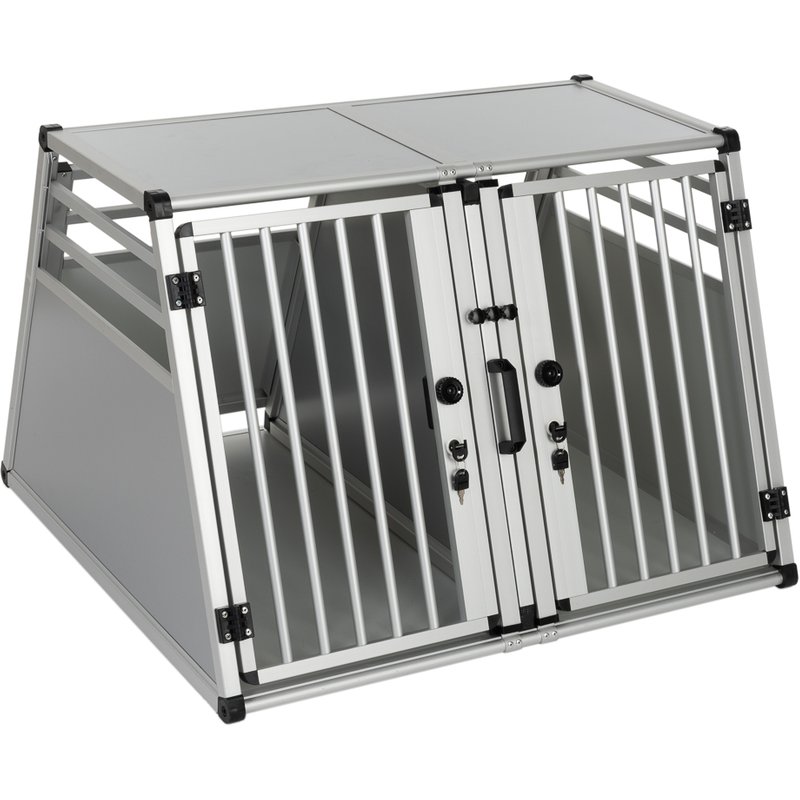
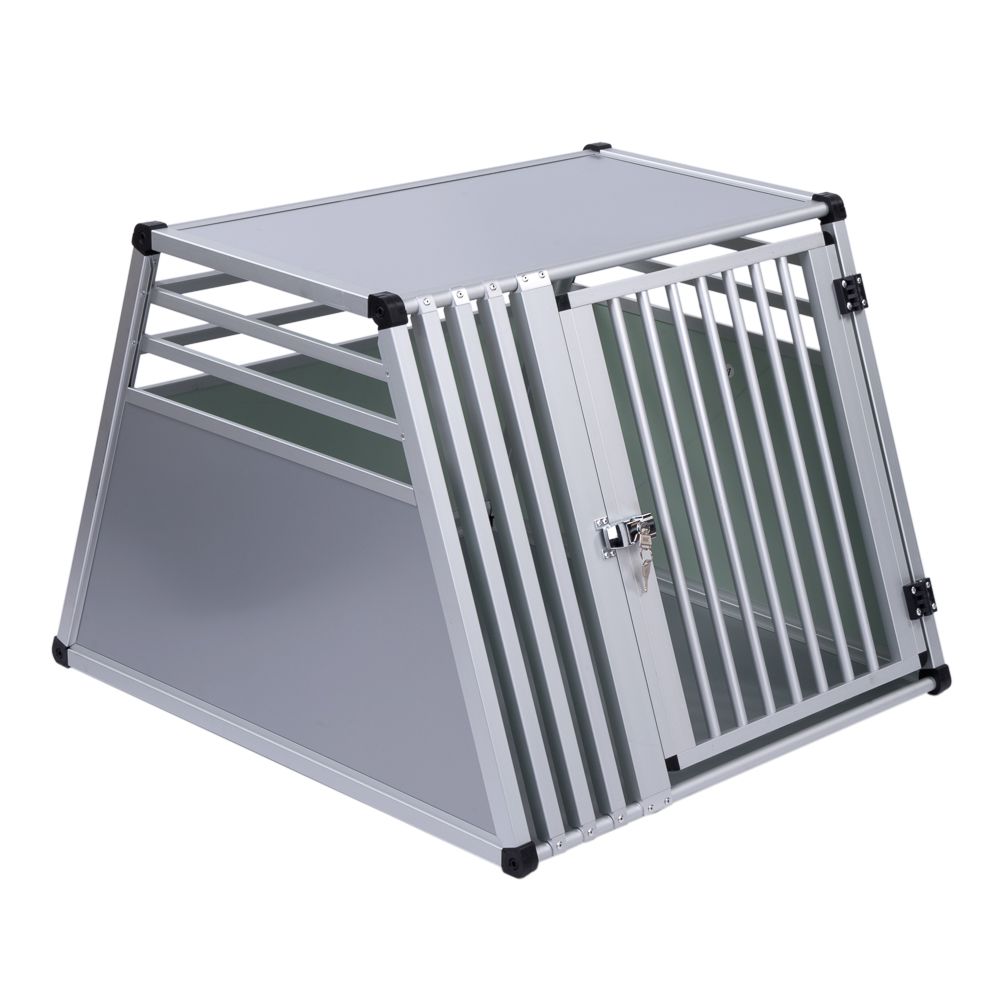
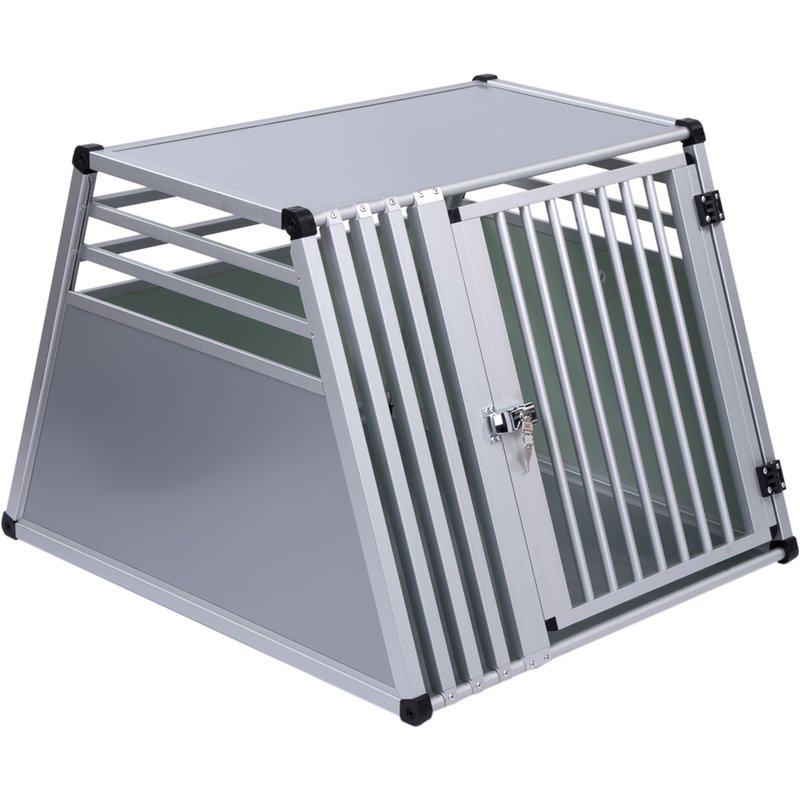
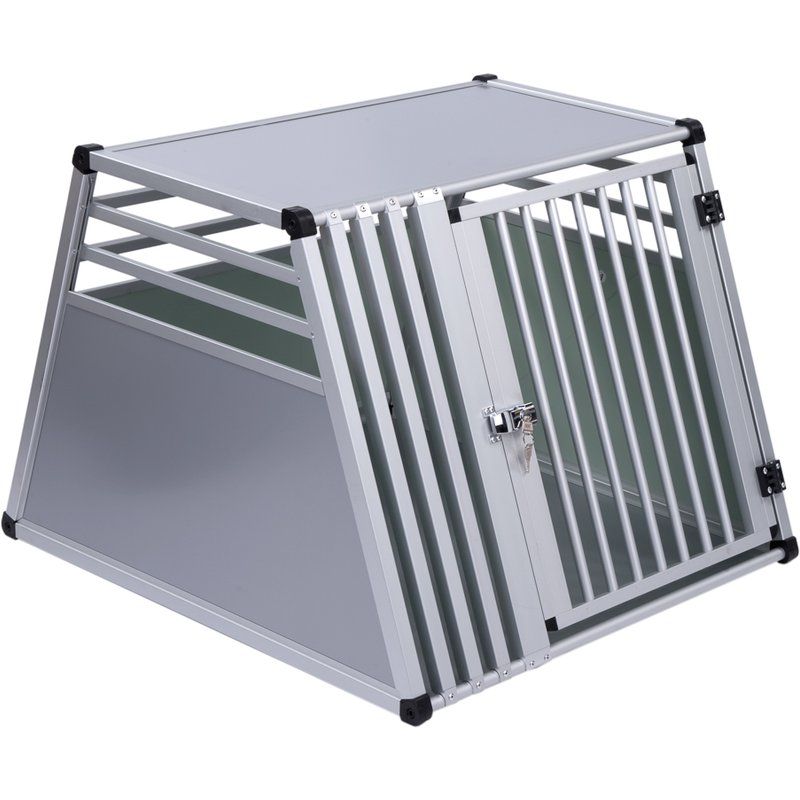
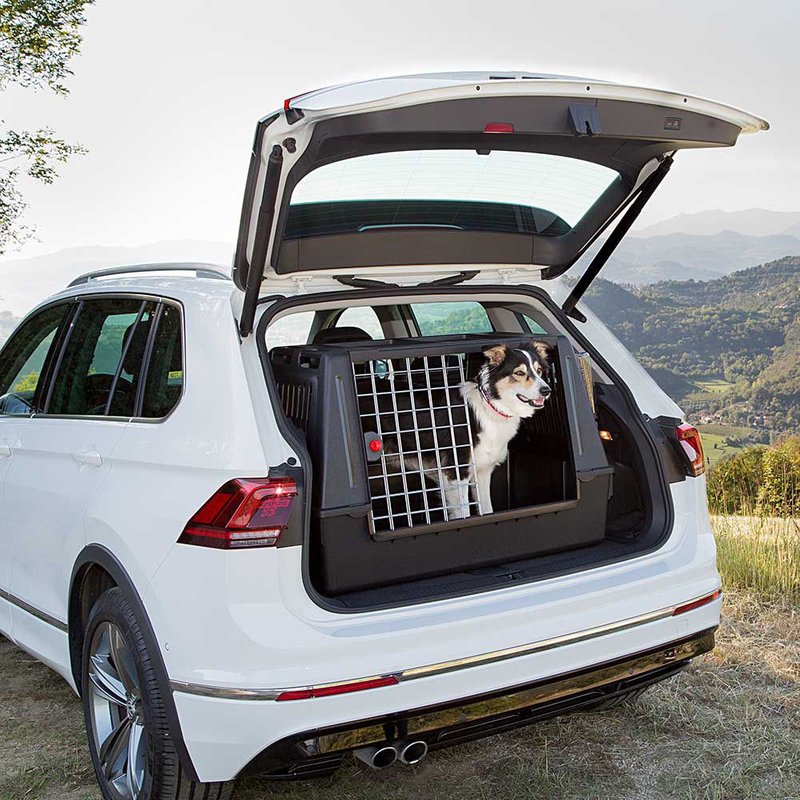
- Aluminium car crates are built to sit in a car boot. They are stronger than wire, often have a sloping back to fit the tailgate, and come as single or double units for two dogs. They are the most expensive option.
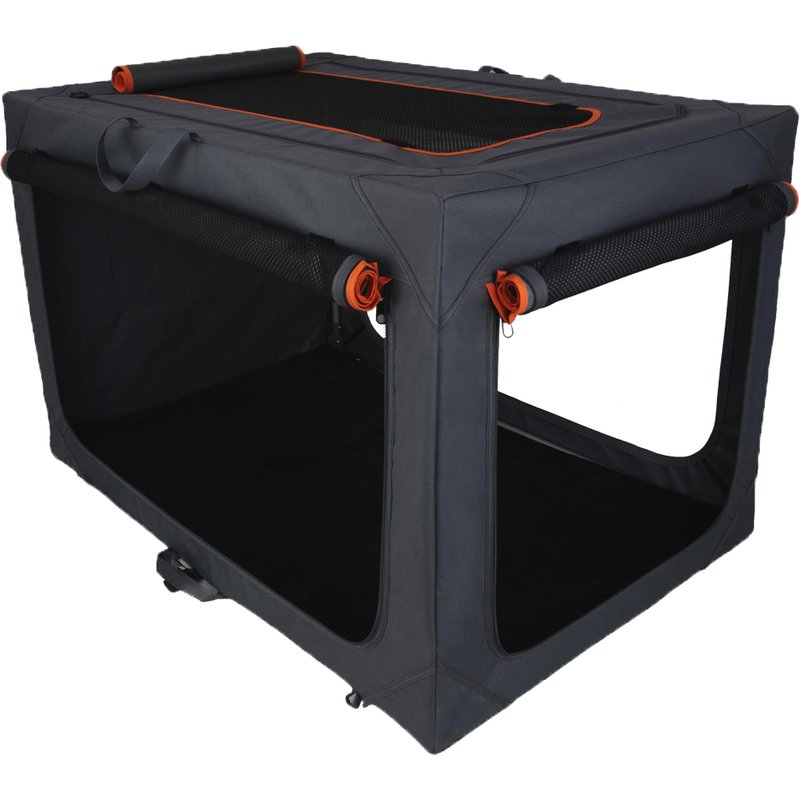
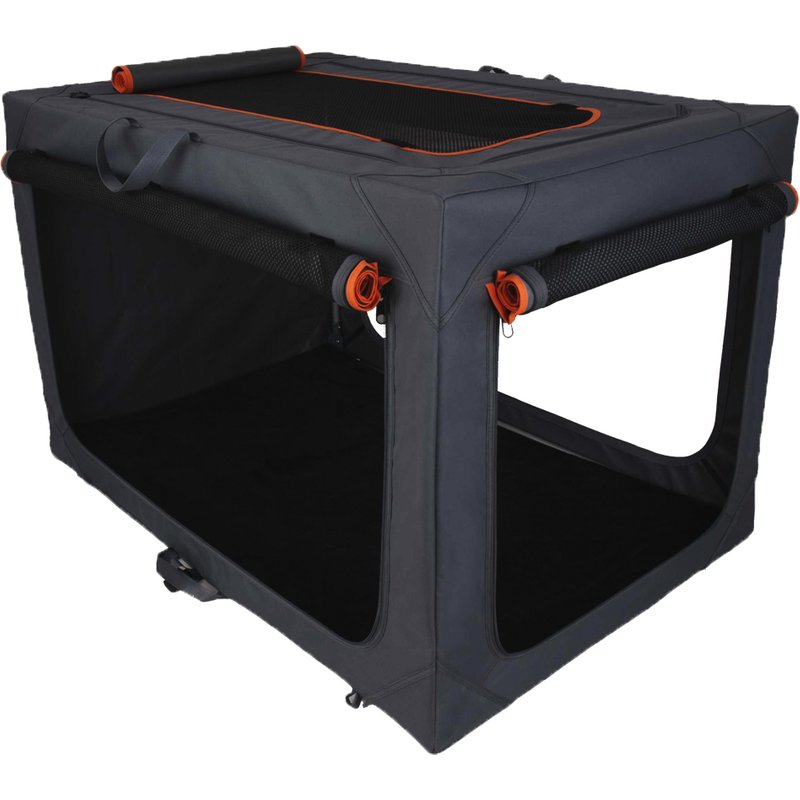
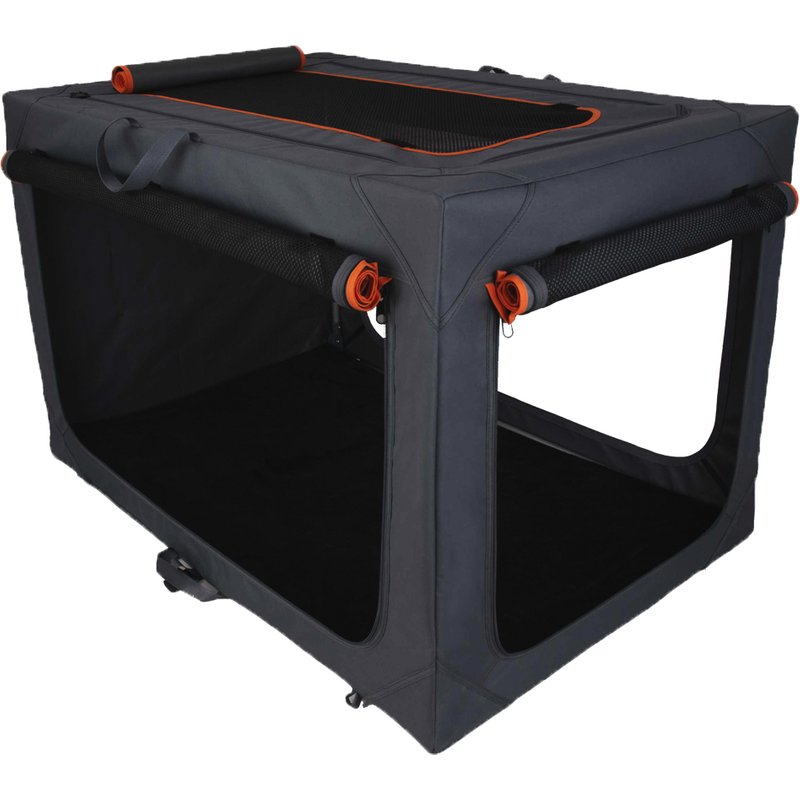
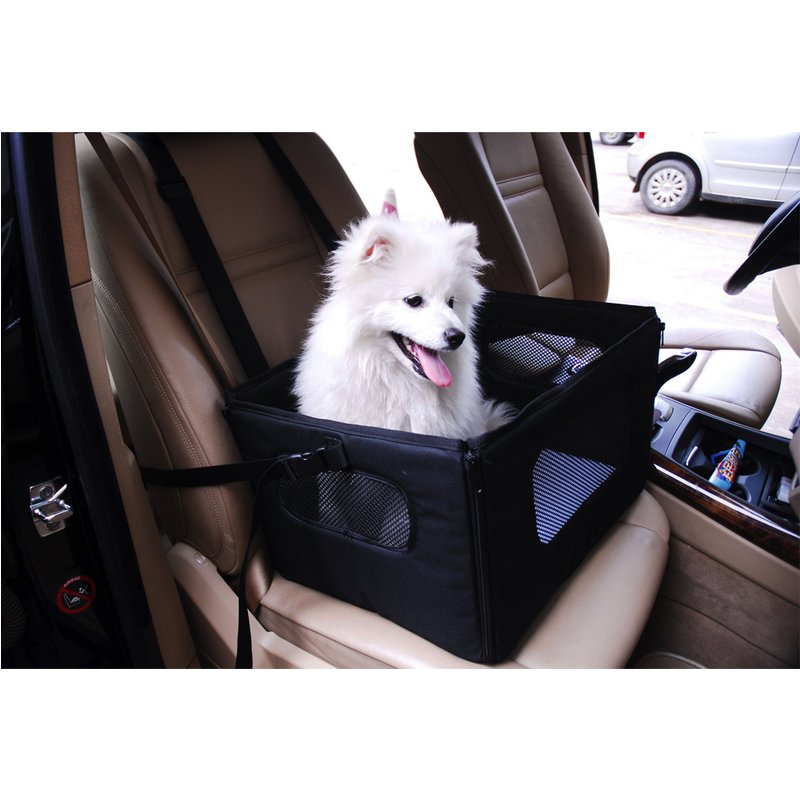
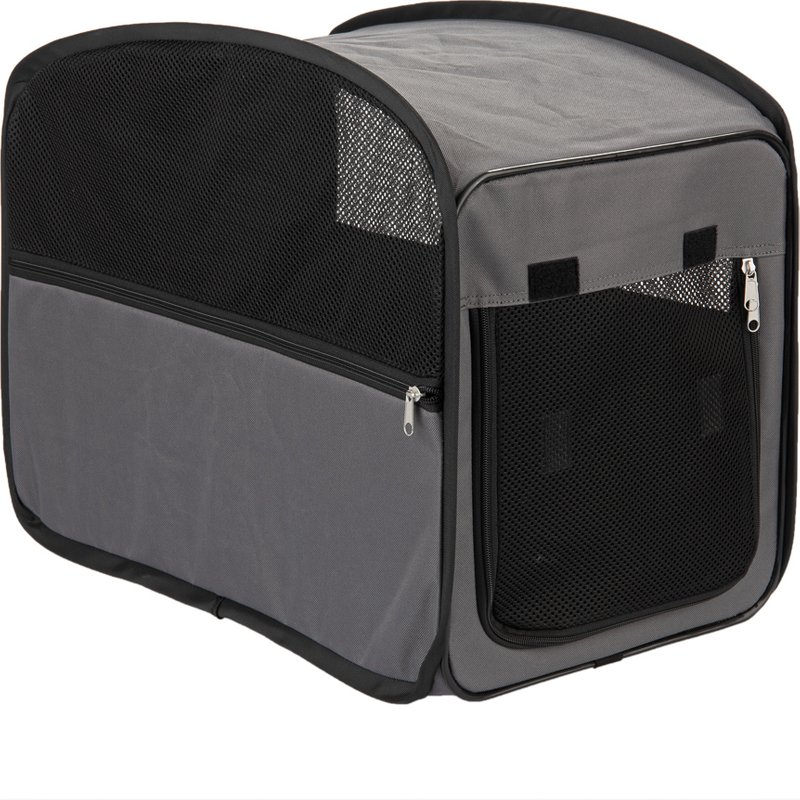
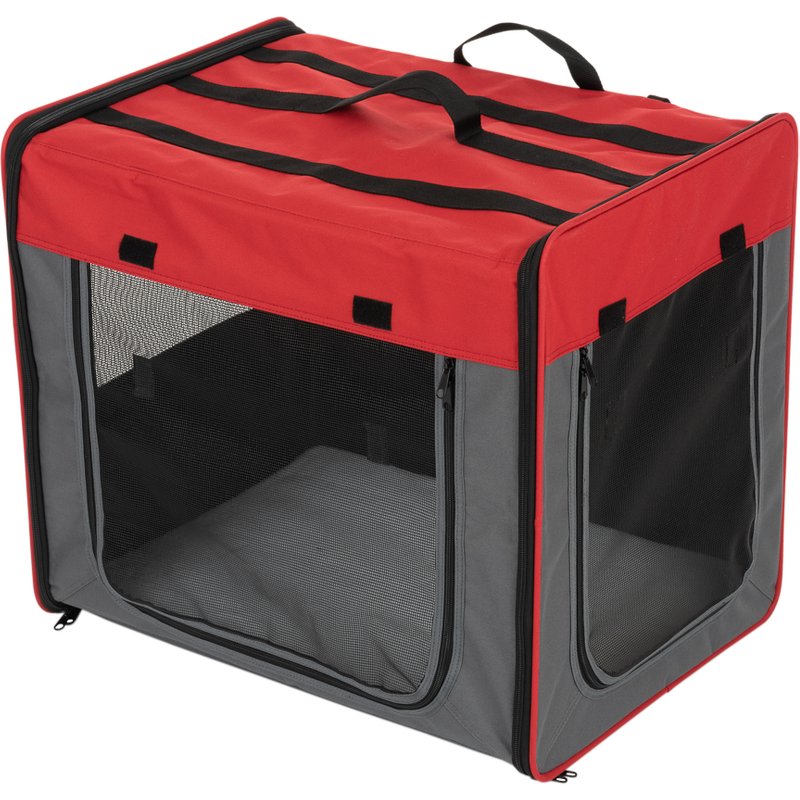
- Fabric crates are very light and fold small, good for hotels and holidays with a calm dog. They are no use for chewers and give little protection in a car.
Sizing
Your dog should be able to stand without ducking its head, turn round easily and lie flat on its side with legs stretched out. To check:
- Measure your dog standing, from the floor to the top of the head or ears, whichever is higher.
- Measure the length from the nose to the base of the tail.
- Add a few centimetres to each and compare with the crate’s inside measurements.
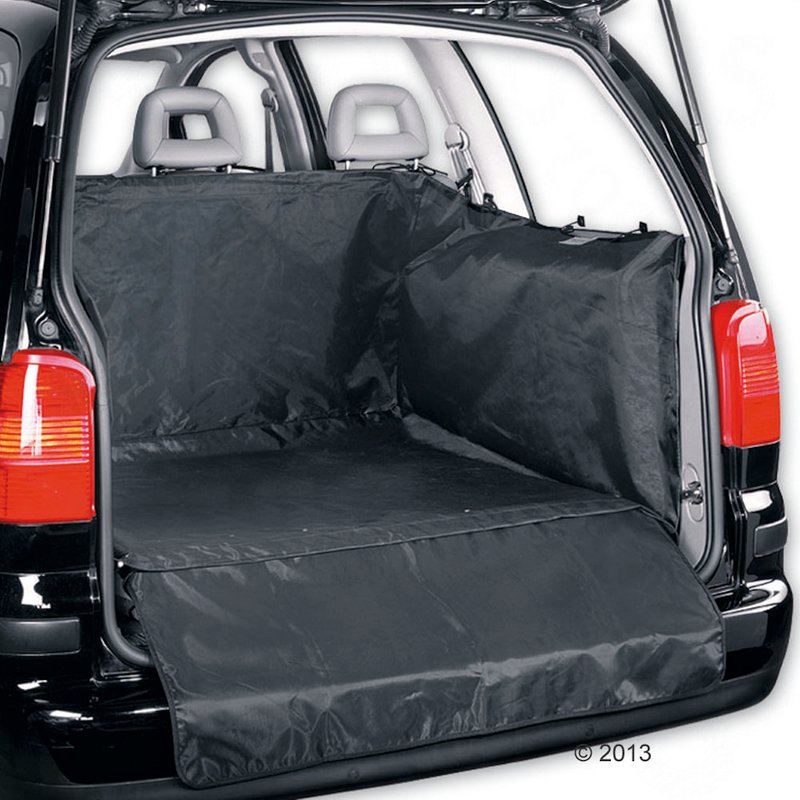
For a car crate, also measure your boot: floor length, width between the wheel arches and the height at the tailgate opening, allowing for the slope of the rear window. A crate that fits the dog but not the car is no use.
For puppies, buy the crate for the adult size and use a divider. A crate that is far too big while house training lets the puppy toilet at one end and sleep at the other.
Travelling by car
The Highway Code (rule 57) tells drivers to make sure dogs are suitably restrained in a vehicle, so they cannot distract you while driving or injure you, or themselves, if you stop quickly. It names a seat belt harness, pet carrier, dog cage or dog guard as ways to do this. Breaking the rule is not an offence in itself, but driving while distracted by a loose dog can lead to a careless driving charge.
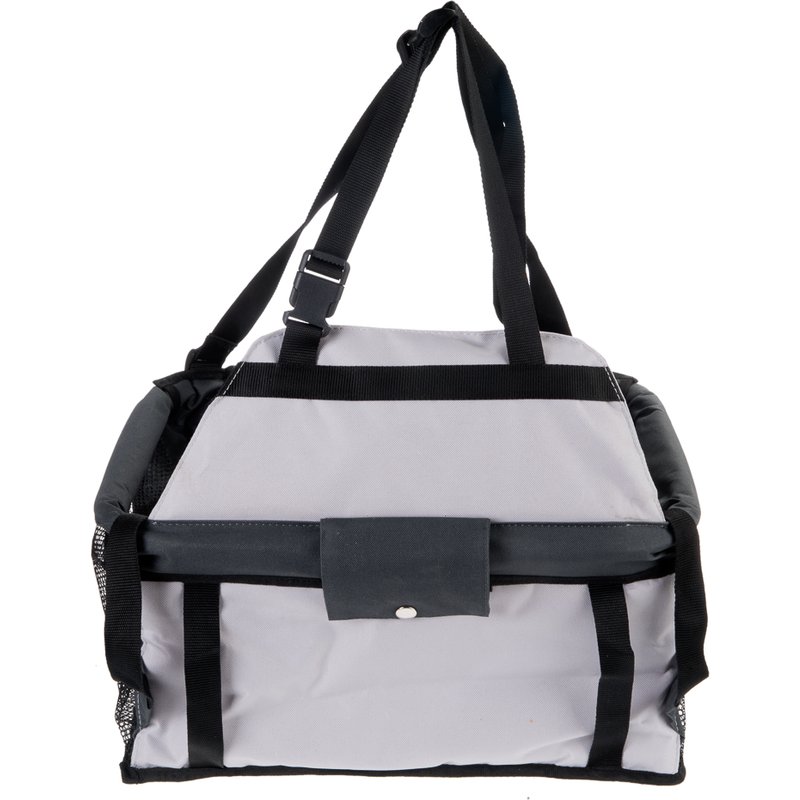
If your dog travels on a seat, clip the car restraint to a well-fitted harness, never to the collar. A sudden stop with the restraint on the collar puts all the force on the neck.
Never leave a dog in a parked car on a warm day, even with the windows open. Cars heat up quickly, and dogs die in hot cars every year.
Crate training
A crate should feel like a safe den, not a punishment:
- Leave the door open at first with a comfy bed and a few treats inside.
- Feed meals in the crate so your dog links it with good things.
- Close the door for short spells while you are in the room, then build up time slowly.
- Never use the crate as a punishment, and do not leave a dog shut in for long stretches. A crate is not a substitute for exercise, company and toilet breaks.
A washable bed or crate cushion makes the crate more comfortable. For puppies, see puppy products.
Common questions
What size crate does my dog need?
Your dog should be able to stand without its head touching the roof, turn around and lie flat on its side. Measure height to the top of the head or ears and length from nose to base of tail, add a few centimetres, and compare with the crate’s inside dimensions.
Is it a legal requirement to restrain my dog in the car?
The Highway Code (rule 57) says dogs should be suitably restrained so they cannot distract you or be hurt if you stop quickly, for example with a harness, carrier, cage or dog guard. Breaking the rule is not an offence in itself, but a loose dog that distracts you can lead to a careless driving charge.
Can I leave my dog in a crate all day?
No. A crate is for short periods, overnight sleeping and travel, not for keeping a dog shut in for a working day. Dogs need regular toilet breaks, exercise and company. If you are out for long hours, look at a dog walker or day care.
Which type of crate is best for the car?
Purpose-built aluminium car crates are the sturdiest and are shaped to fit the boot. Plastic transport crates and wire crates also work if they fit well and are secured so they cannot slide. Fabric crates are fine for calm dogs at your destination but offer little protection while driving.