
Rabbits are often sold as low-maintenance pets, but they need more space, company and the right diet than most people expect. Get these three things right and you avoid the problems vets see most: dental disease, gut stasis and stress.
Diet: hay first
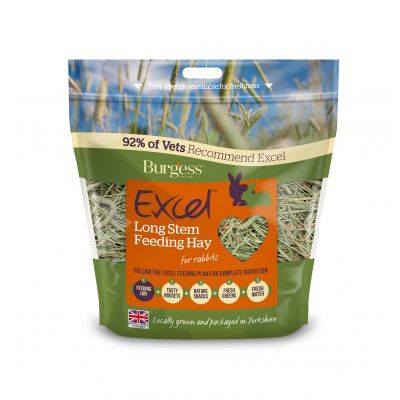
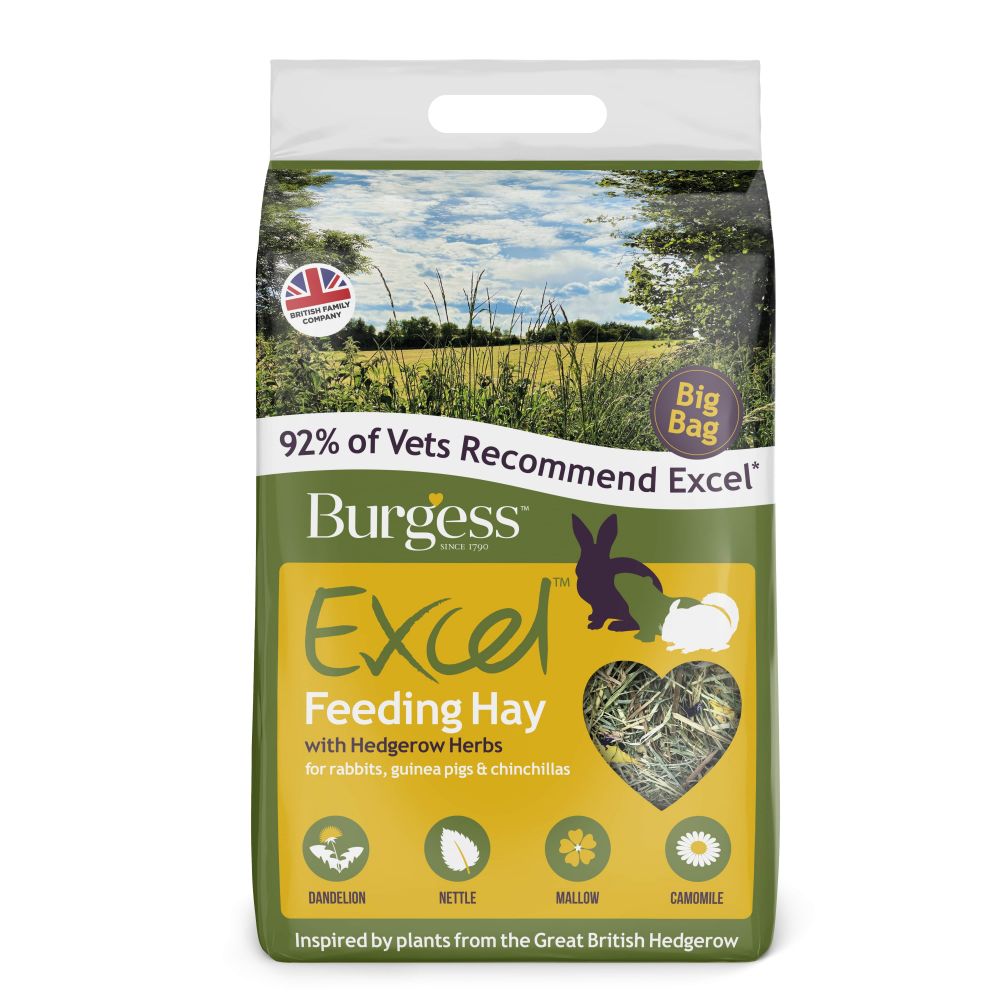
Hay or grass should make up around 85% of a rabbit’s diet, and it should be available all day. The fibre keeps the gut moving and the constant chewing wears down teeth that never stop growing. As a rough guide, a rabbit needs a pile of good hay about the size of its own body every day. Around it:
- Leafy greens and herbs, roughly 10% of the diet: spring greens, kale, parsley, coriander, basil and similar, introduced gradually.
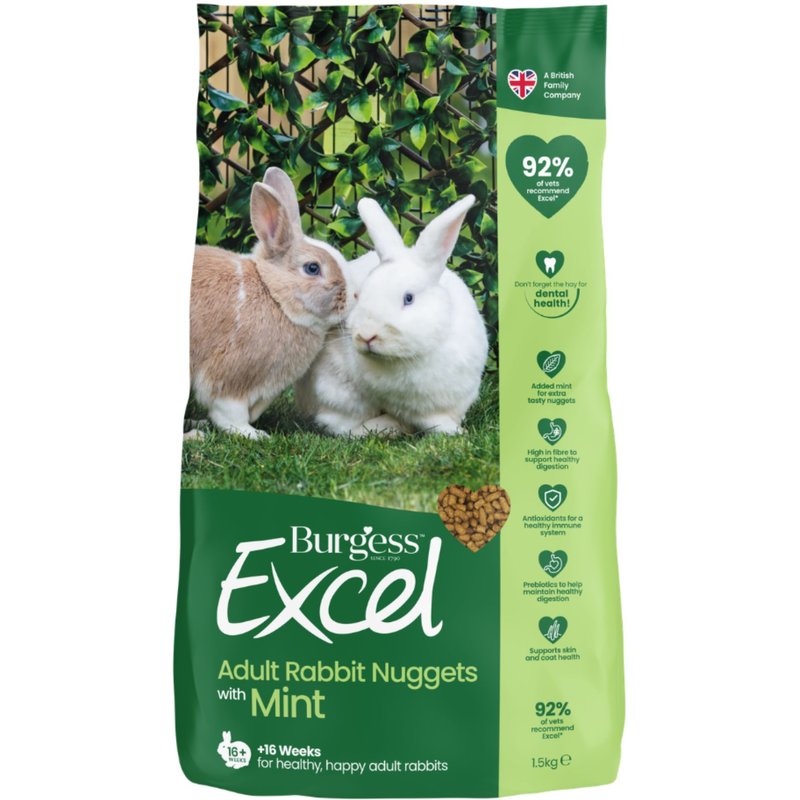
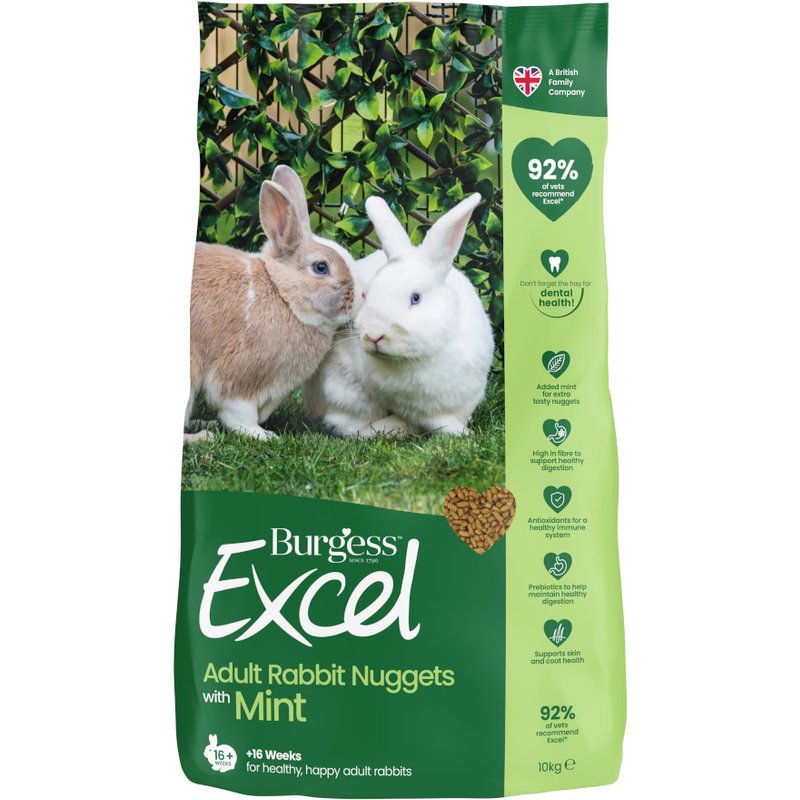
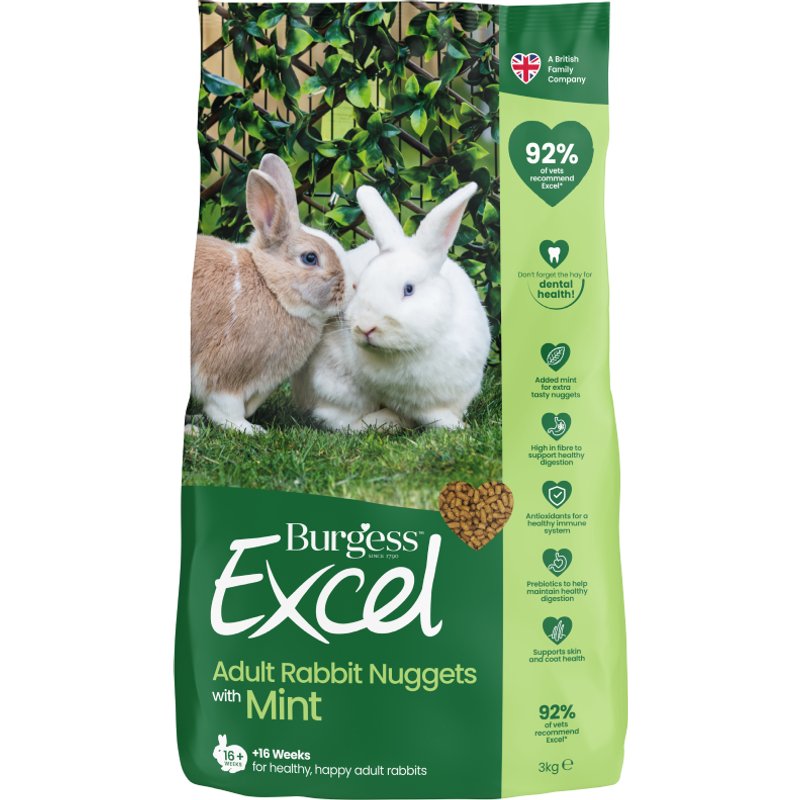
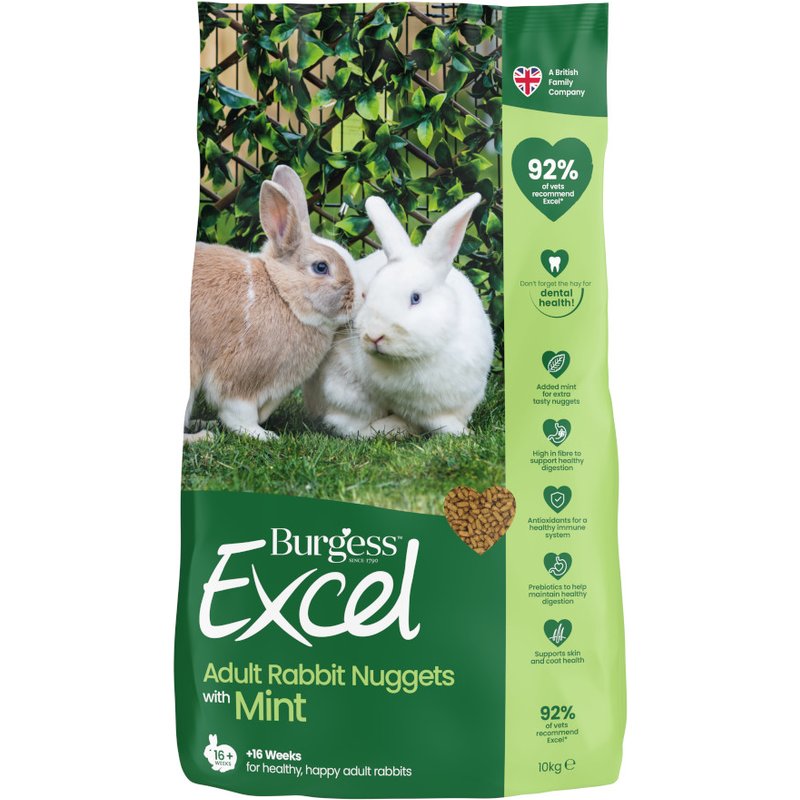
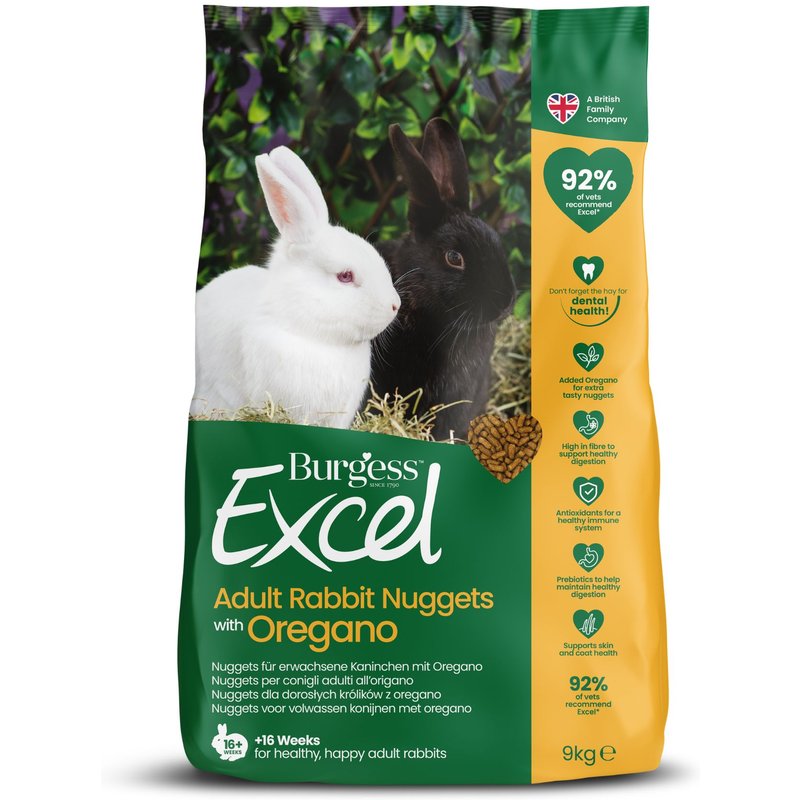
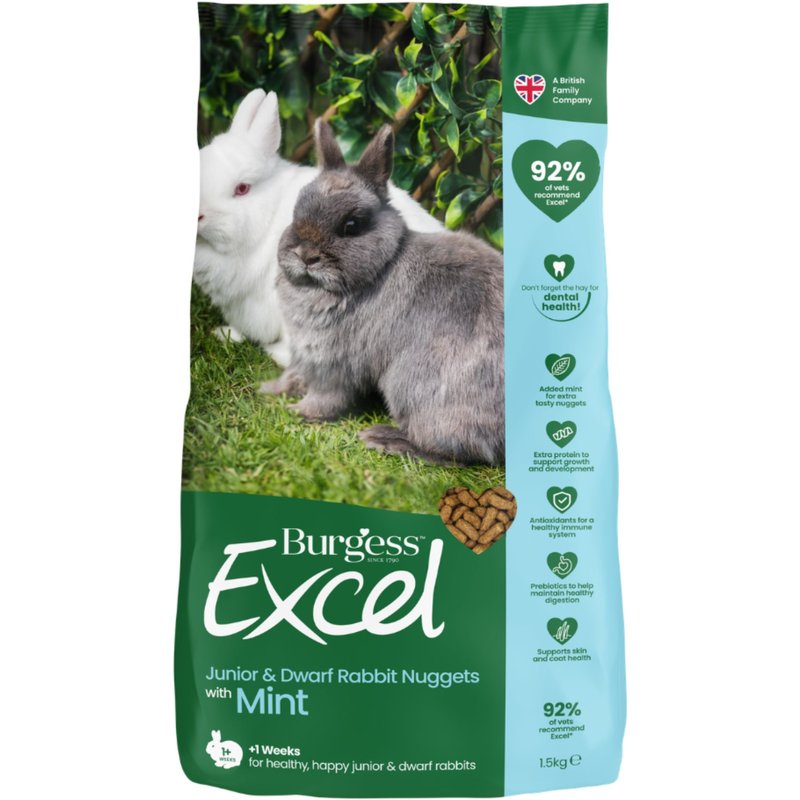
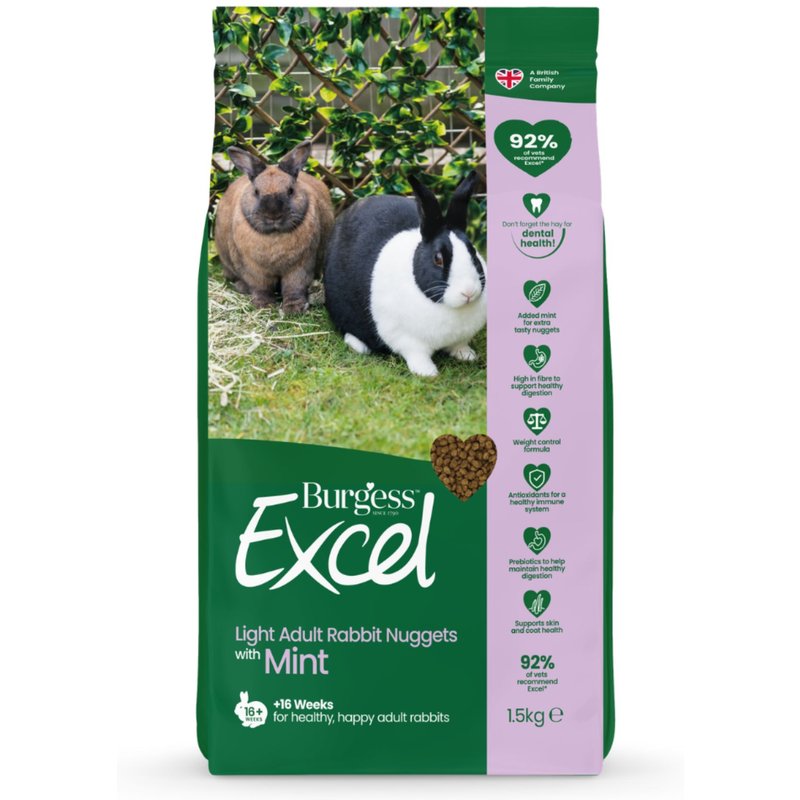
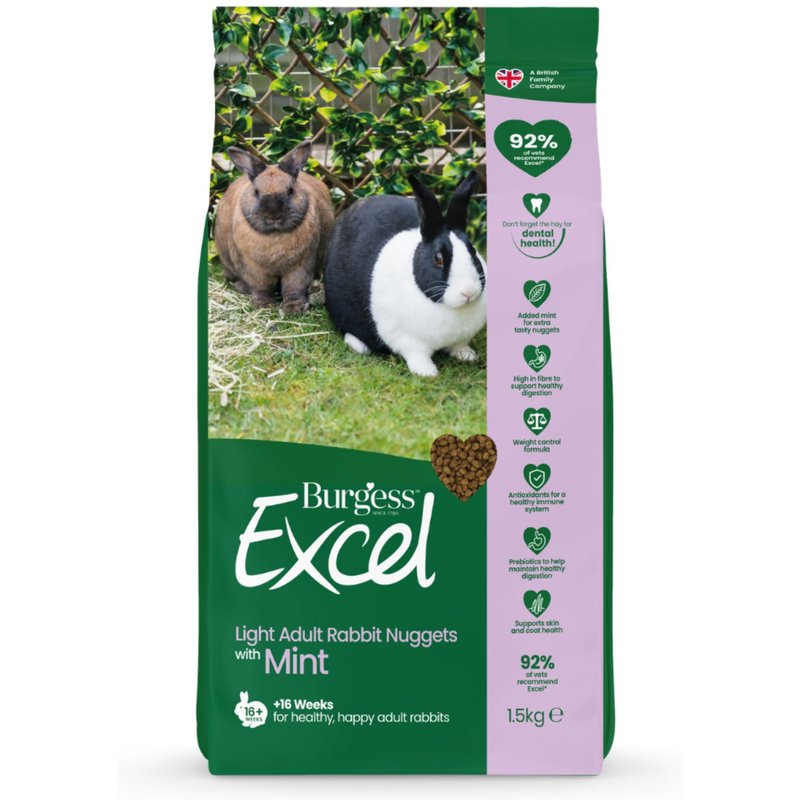
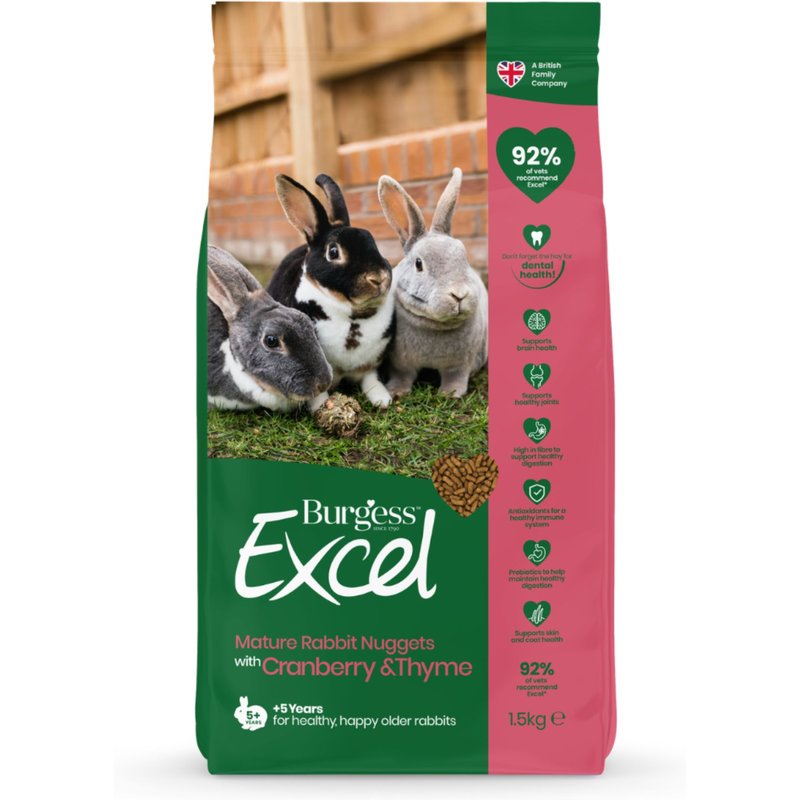
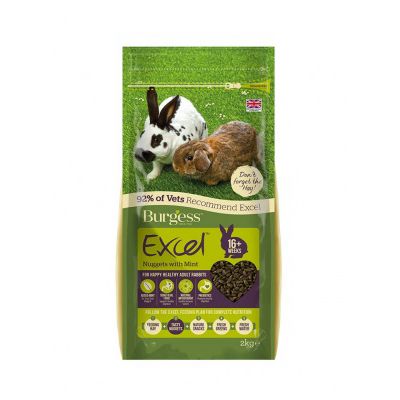
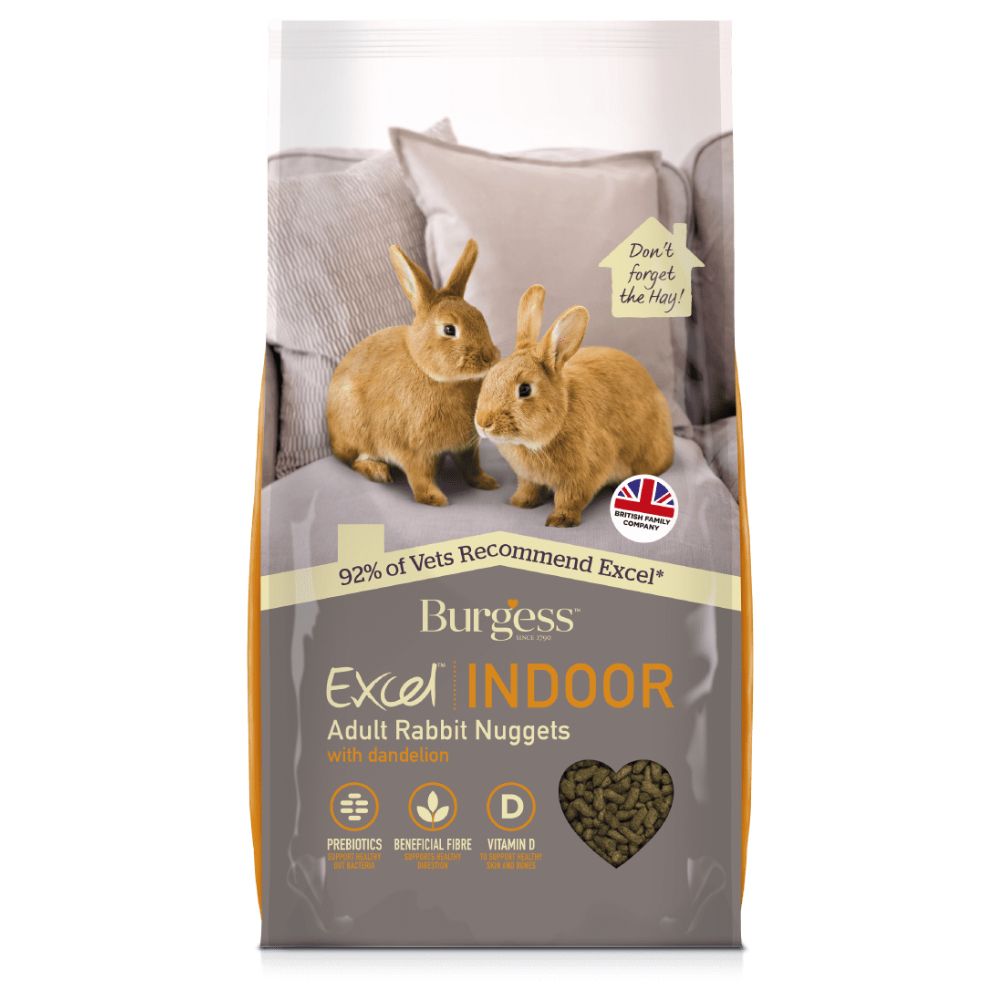
- Nuggets or pellets, a small measured portion, around 5% of the diet. Follow the pack guide for your rabbit’s weight.
- Treats, very sparingly. Fruit and carrots are high in sugar.
Muesli-style mixes have been linked to dental and digestive problems because rabbits pick out the sugary bits and leave the rest. Most vets and rabbit charities recommend a uniform nugget instead. Junior and dwarf foods suit young and small breeds; light formulas suit indoor or less active rabbits.
Space and housing
The Rabbit Welfare Association and Fund recommends a minimum enclosure of 3 m x 2 m and 1 m high for a pair of rabbits, as one continuous space, with a hutch or shelter as the sleeping area inside it. An indoor cage or hutch on its own is not enough. Indoor cages work as a base when they open on to a run or a rabbit-proofed room. Metal runs with a roof or escape barrier are useful outdoors, as rabbits dig and jump better than people expect.
Company
Rabbits are social and should live with at least one other rabbit. A neutered male and neutered female pair is a common, stable combination. Guinea pigs are not a substitute.
Health basics
- Vaccinate against myxomatosis and both strains of rabbit haemorrhagic disease (RHD1 and RHD2), as advised by your vet.
- Check the rear end daily in warm weather for flystrike, especially in older or overweight rabbits.
- A rabbit that stops eating or stops producing droppings for even a few hours needs a vet urgently.
- Provide chew toys, willow and safe wood, tunnels and hiding places.
Common mistakes
Feeding too many pellets and too little hay, keeping a single rabbit, and housing rabbits in a hutch with no run are the most common. Switching food too quickly is another: change over one to two weeks.
Common questions
How much space does a rabbit need?
The Rabbit Welfare Association and Fund recommends at least 3 m x 2 m of continuous space, 1 m high, for a pair of rabbits, with the hutch as the shelter within it. A single rabbit still needs the same space. Most commercially sold hutches and cages are only suitable as the sleeping area.
How many pellets should a rabbit eat per day?
Pellets or nuggets should be a small part of the diet, roughly 5%, with hay making up most of it. Follow the feeding guide on the pack for your rabbit’s weight and reduce it if your rabbit is overweight or leaves hay uneaten. Unlimited pellets is a common cause of obesity and dental problems.
Can rabbits live alone?
Rabbits are social animals and are generally happier with another rabbit. A neutered pair is the most common set-up. Bonding two rabbits takes time, and many rescues offer already bonded pairs or help with introductions.
What vegetables can rabbits eat?
Leafy greens and herbs are best: spring greens, kale, broccoli leaves, parsley, coriander, basil, mint and dandelion leaves are all common choices. Carrots and fruit are high in sugar and best kept as occasional treats. Introduce new items gradually and stop if droppings become soft.