
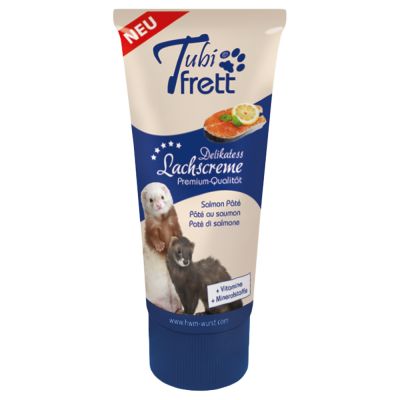
Diet
Ferrets are strict carnivores. They need a diet high in animal protein and fat and cannot digest much fibre or starchy carbohydrate, so bread, cereals, fruit and vegetables are not suitable. Options:
- Complete ferret food, dry or wet, made specifically for ferrets. Check that meat is the main ingredient.
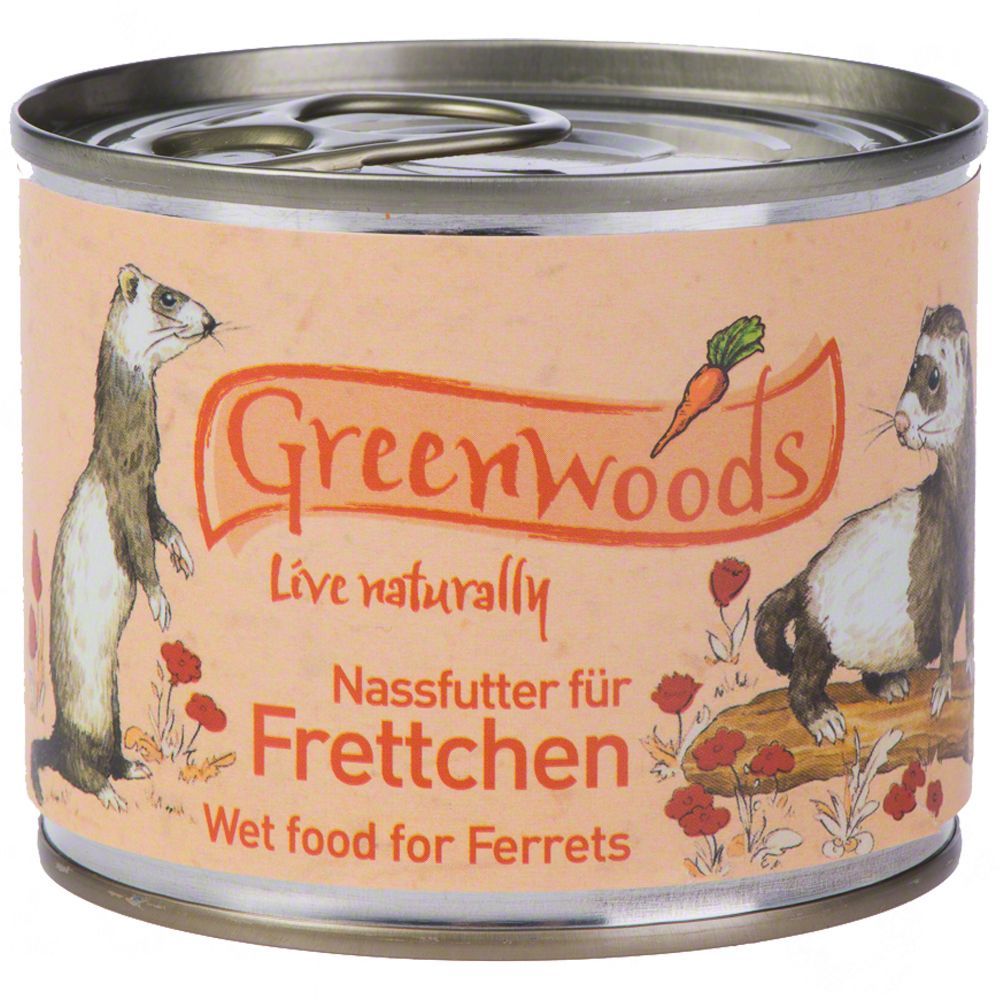
- Wet food for ferrets is useful for older animals and for adding moisture.
- Raw or whole-prey diets are used by some keepers, but need careful balancing; take advice from a vet first.
Because food passes through a ferret quickly, they need to eat little and often, so food should be available through the day. Keep treats small: pieces of cooked meat, meat-based snacks or pastes made for ferrets or cats. Change foods gradually. Fresh water must always be available, and should be checked twice a day.
Housing
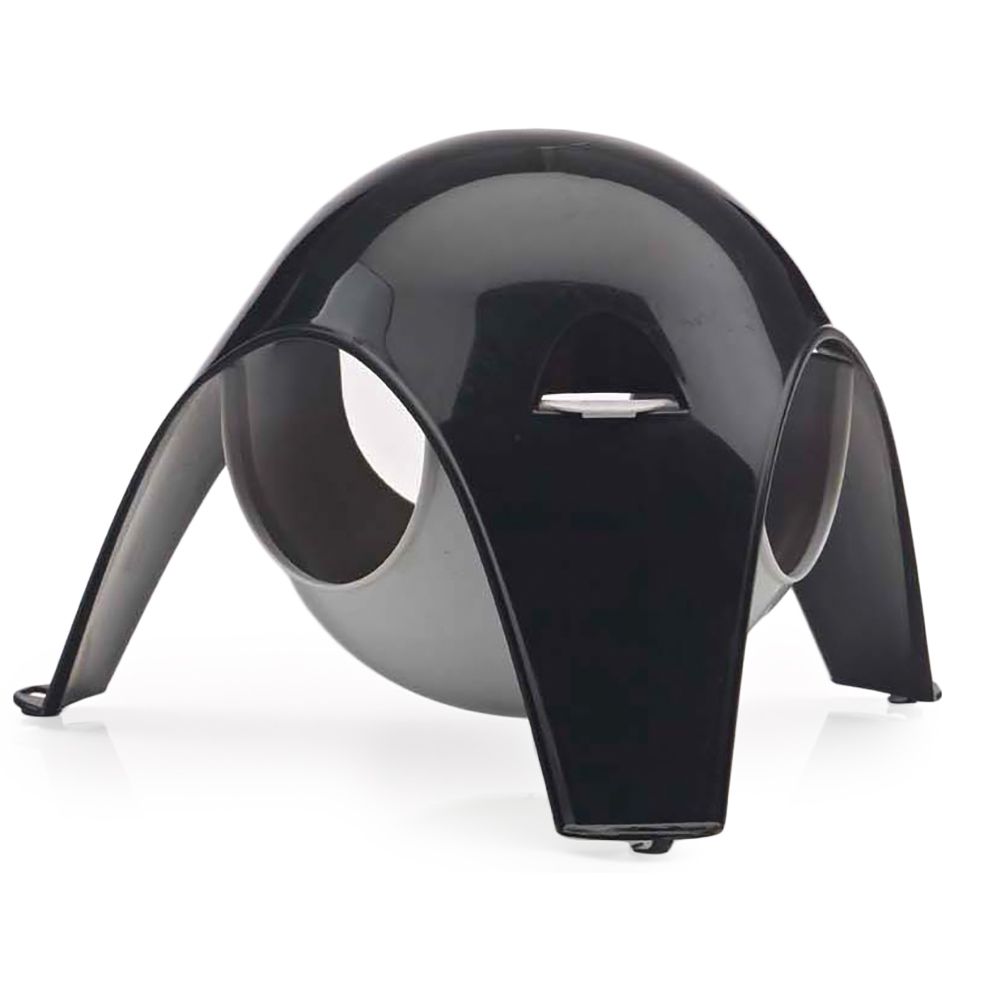
A ferret cage needs to be large and tall with several levels, solid floors and ramps, a sleeping area with hammocks or a hanging den, and a litter corner. Even a large cage is only a base: ferrets need several hours out every day in a ferret-proofed room or secure play area. Block gaps behind appliances and under cupboards, as ferrets get into tiny spaces. Ferrets cope poorly with heat, so keep the cage out of direct sun and away from radiators, and give extra shade and water in hot weather.
Litter and cleaning
Ferrets usually back into a corner to toilet, so a corner litter tray works well. Use a non-clumping, low-dust litter such as wood or paper pellets. Clumping clay litter can stick to noses and be swallowed. Clean the tray daily and wash bedding weekly to keep the musky smell under control.
Company and health
Ferrets are generally sociable and many are happier with another ferret. Talk to your vet about:
- Neutering or hormonal management. Unspayed females (jills) can stay in season for long periods, which can be dangerous.
- Vaccination, including against canine distemper, which ferrets can catch.
- Flea and worm treatment suitable for ferrets.
Play and enrichment
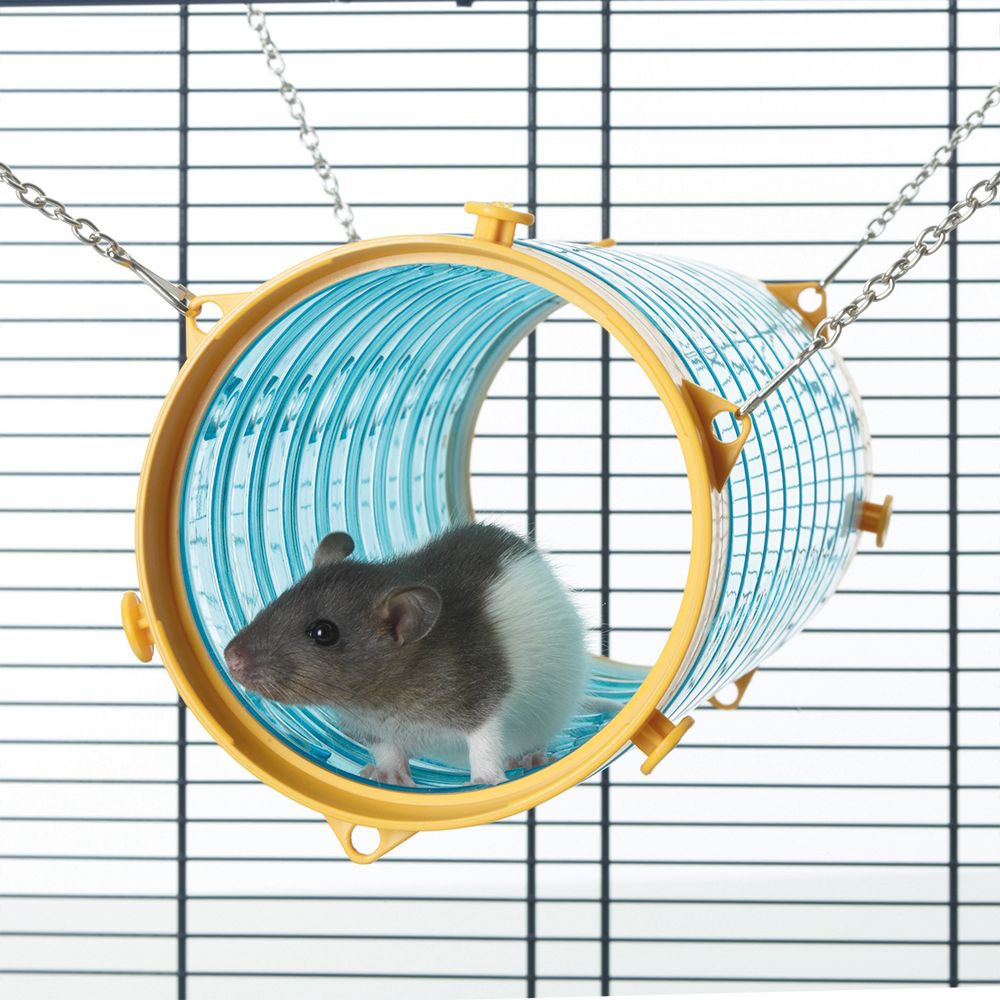
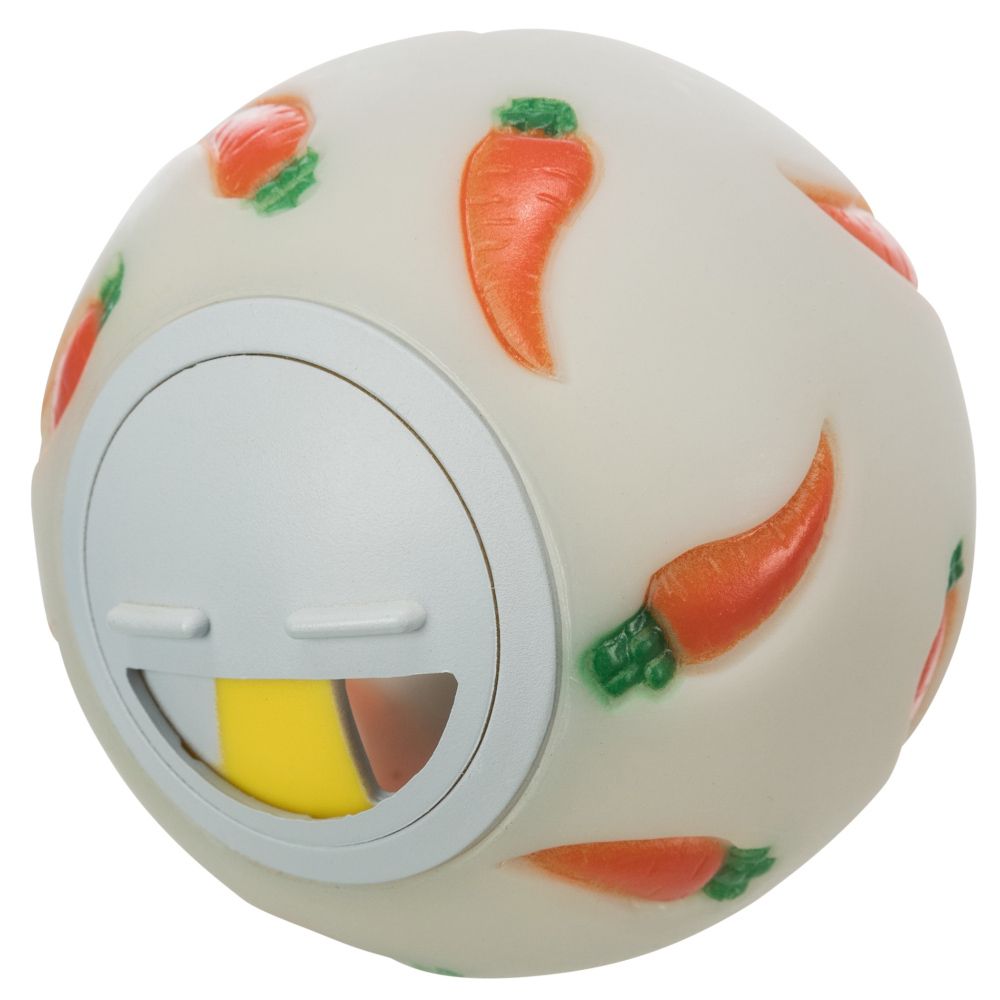
Tunnels, balls, digging boxes and snack balls keep ferrets busy. Avoid soft rubber or foam toys, which they chew and can swallow, causing blockages.
Common questions
What do ferrets eat?
Ferrets are strict carnivores and need a diet based on meat, such as a complete ferret food, dry or wet. They should not be given cereals, bread, fruit or vegetables, which they cannot digest well. Small pieces of meat or meat-based treats are suitable rewards.
Can I use cat litter for a ferret?
Non-clumping wood or paper pellet litters made for cats or small pets are fine. Avoid clumping clay litter, which can stick to the nose and be swallowed, and avoid dusty or scented products. Place the tray in a corner, where ferrets naturally go.
Do ferrets smell?
Ferrets have a natural musky smell, which is stronger in unneutered animals. Cleaning the litter tray daily and washing bedding weekly helps a lot. Bathing too often can make the smell worse by stripping natural oils.