


Types of toy
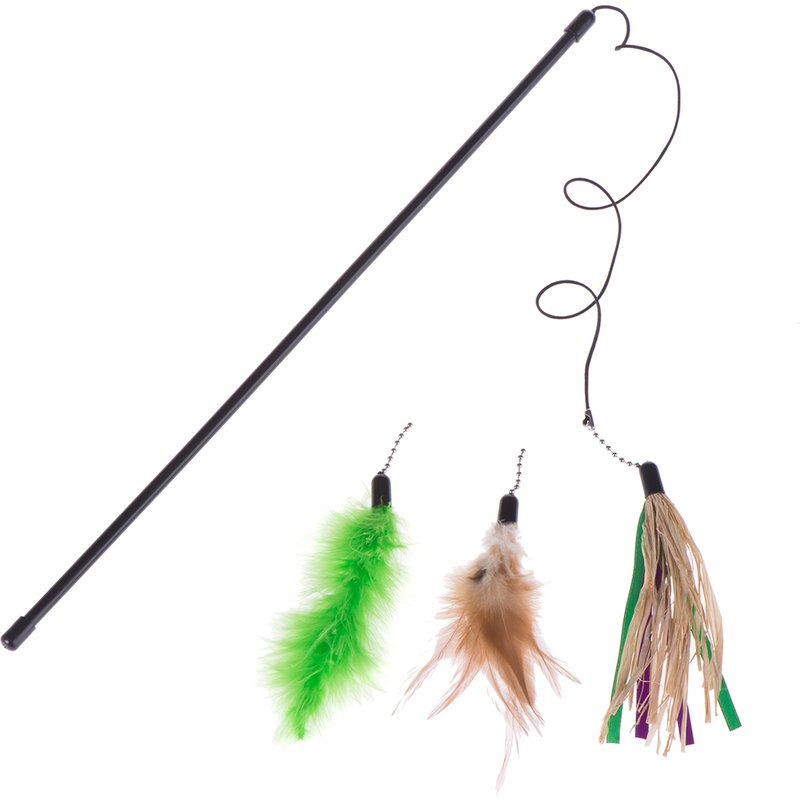
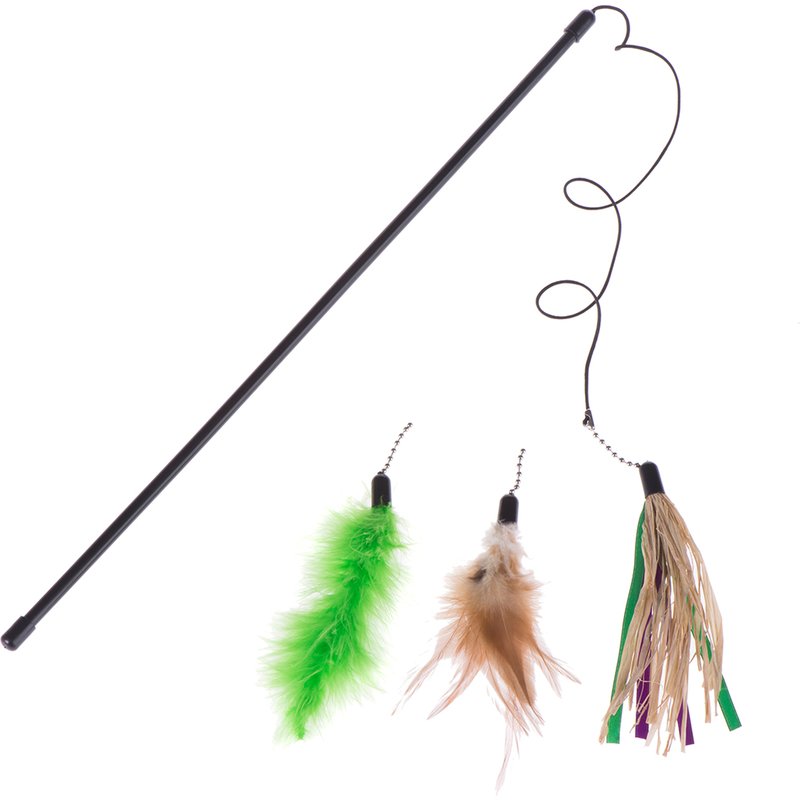
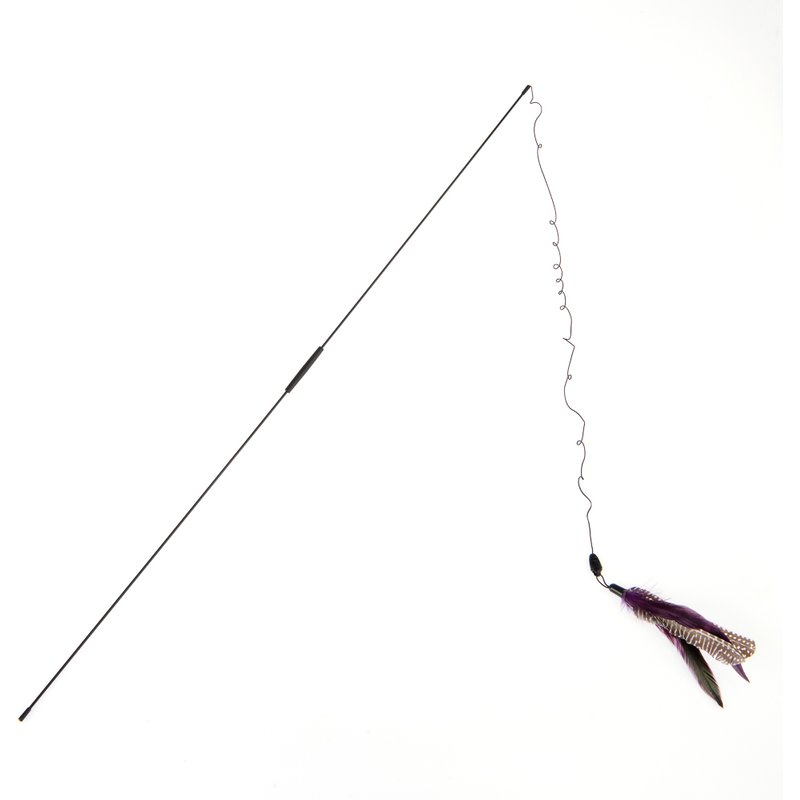
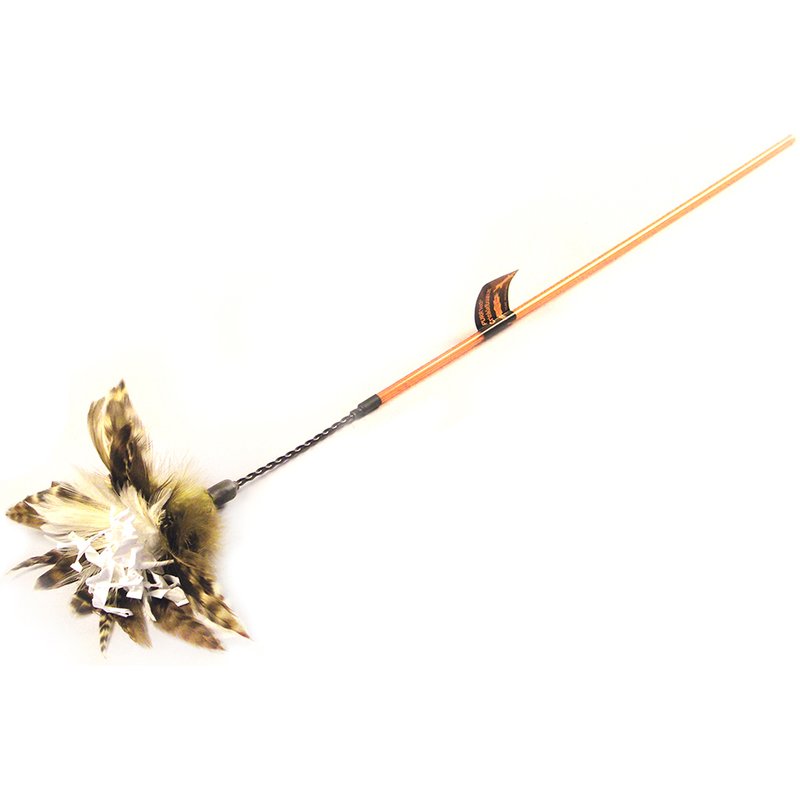
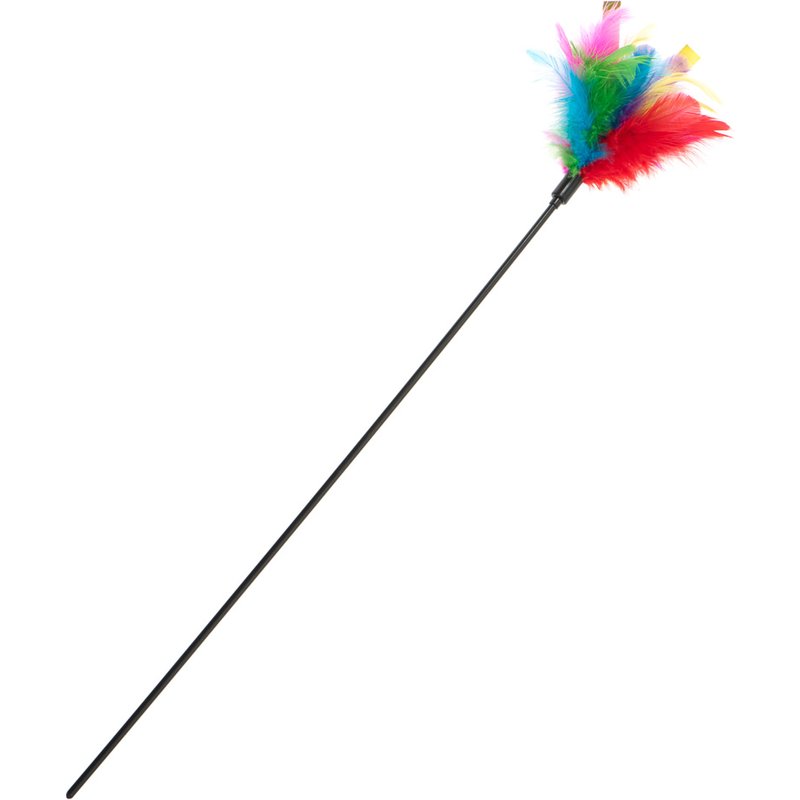
- Wand and dangler toys: feathers, ribbons or small prey shapes on a rod or wire. You control the movement, which makes them the most effective toy for real hunting play.
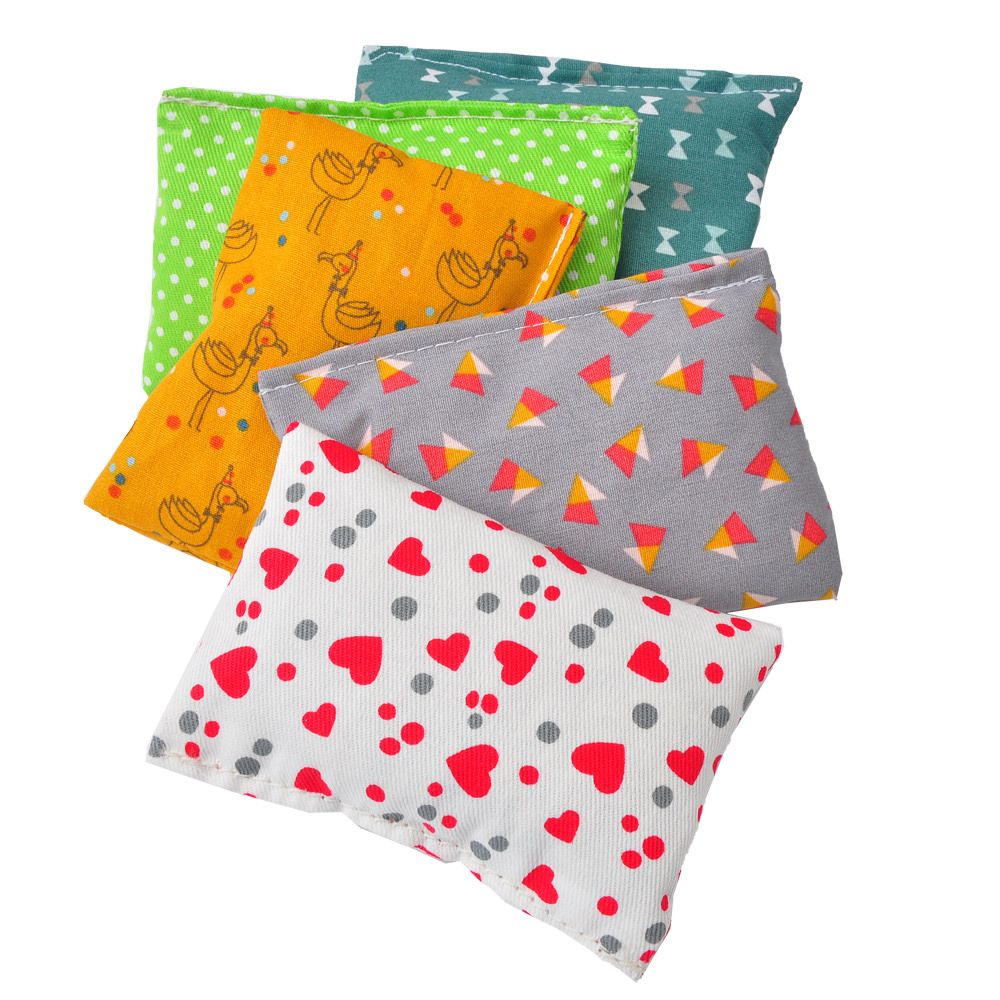
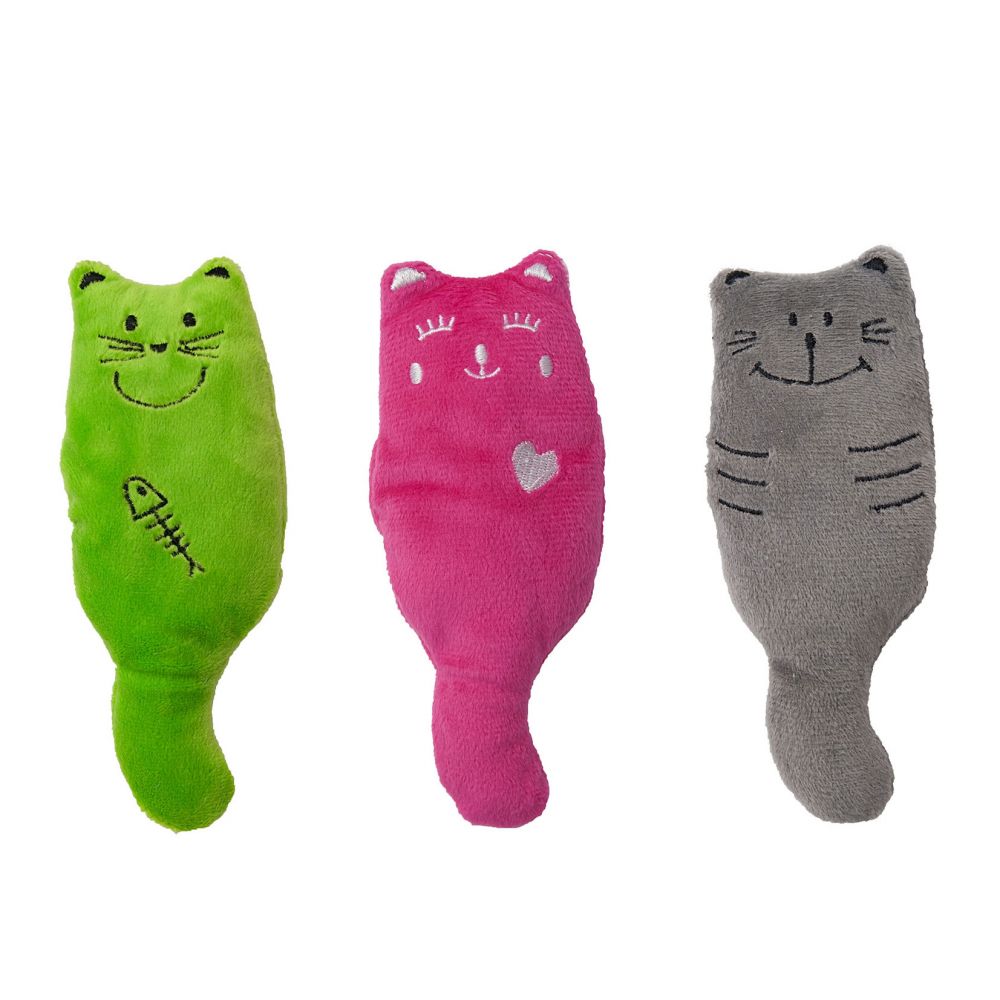
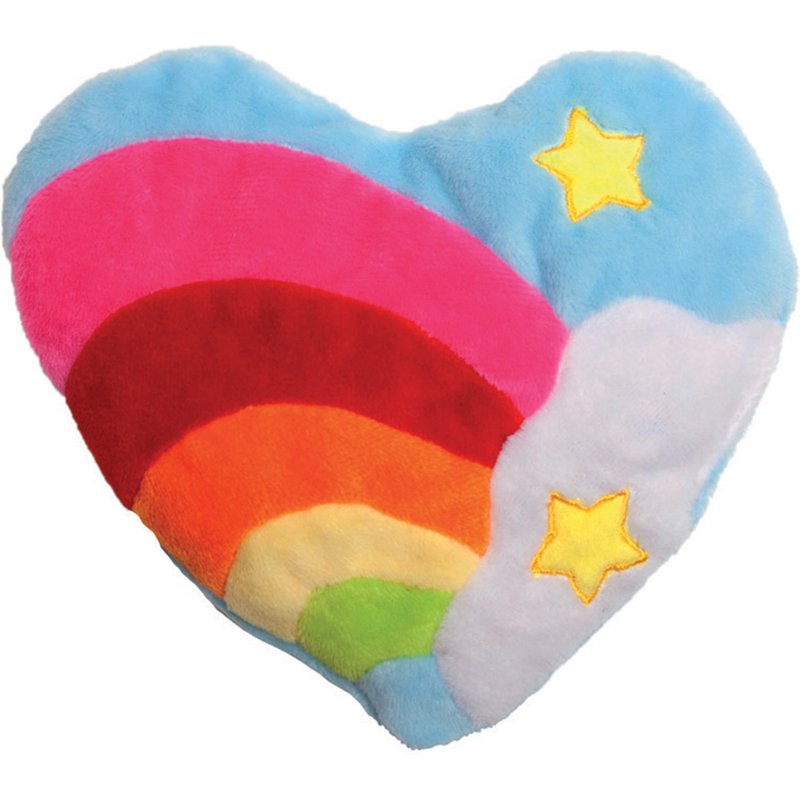
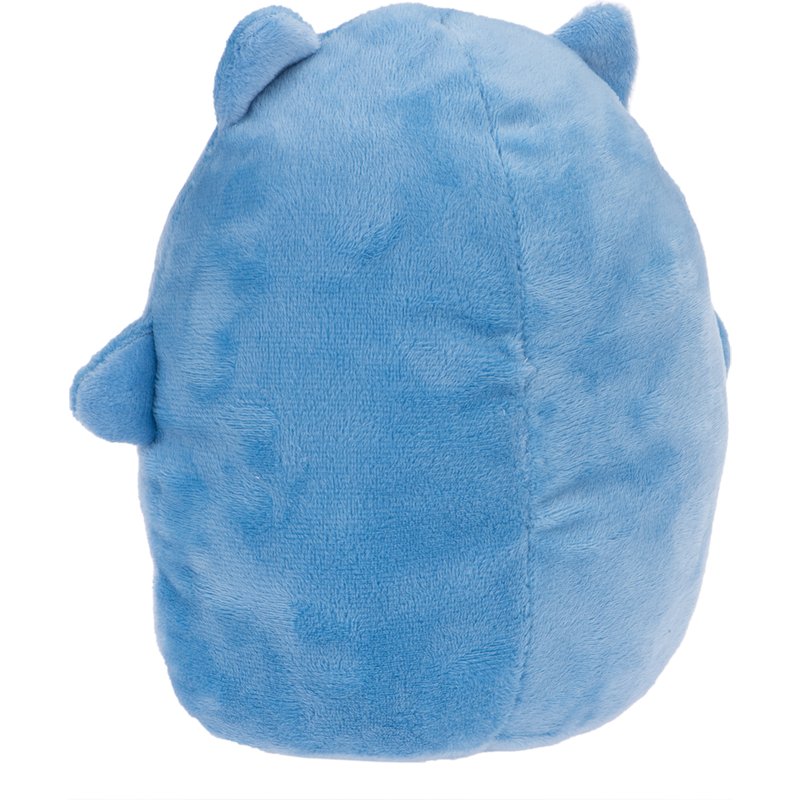
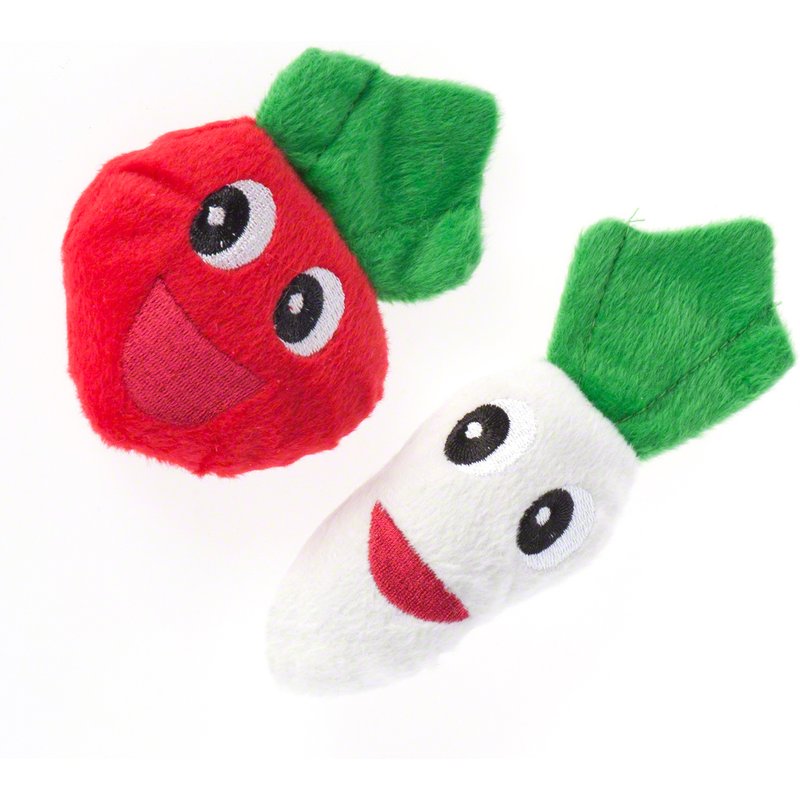
- Kicker toys: long cushions a cat can grab with its front paws and kick with its back legs, often filled with catnip or valerian.
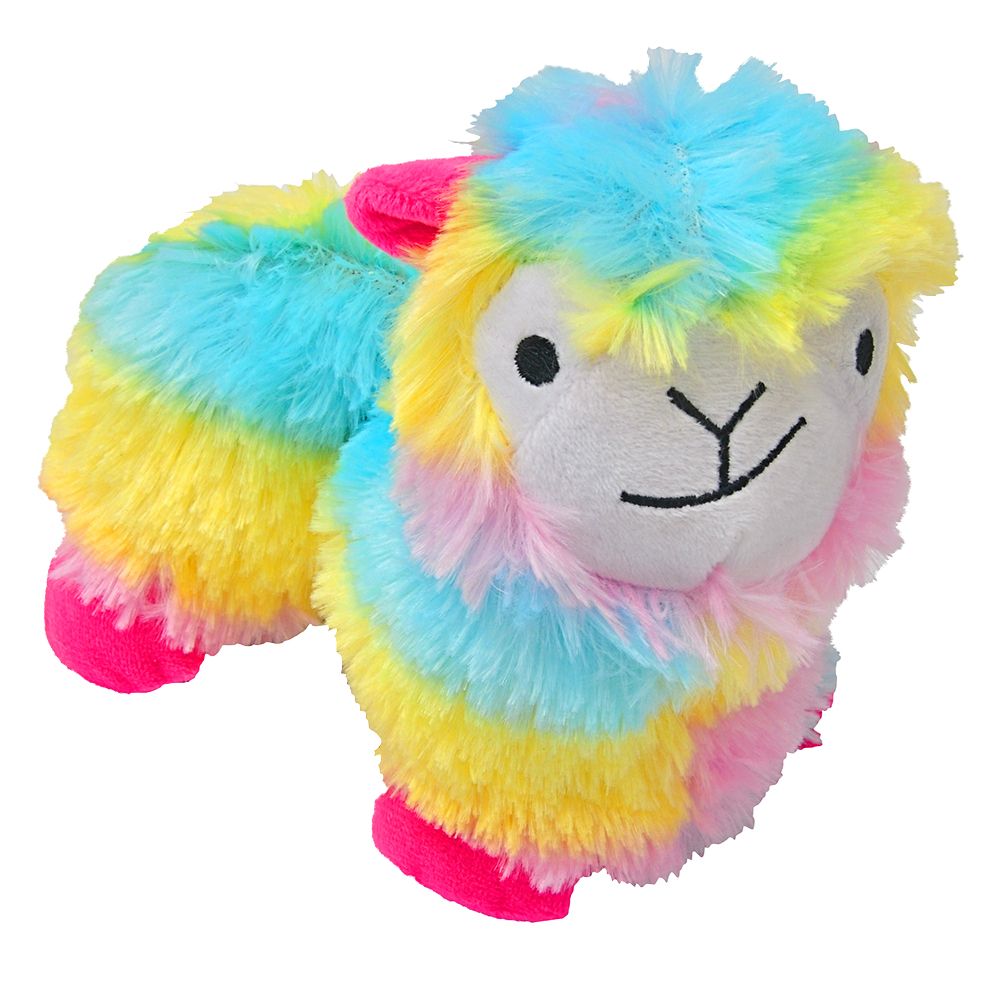
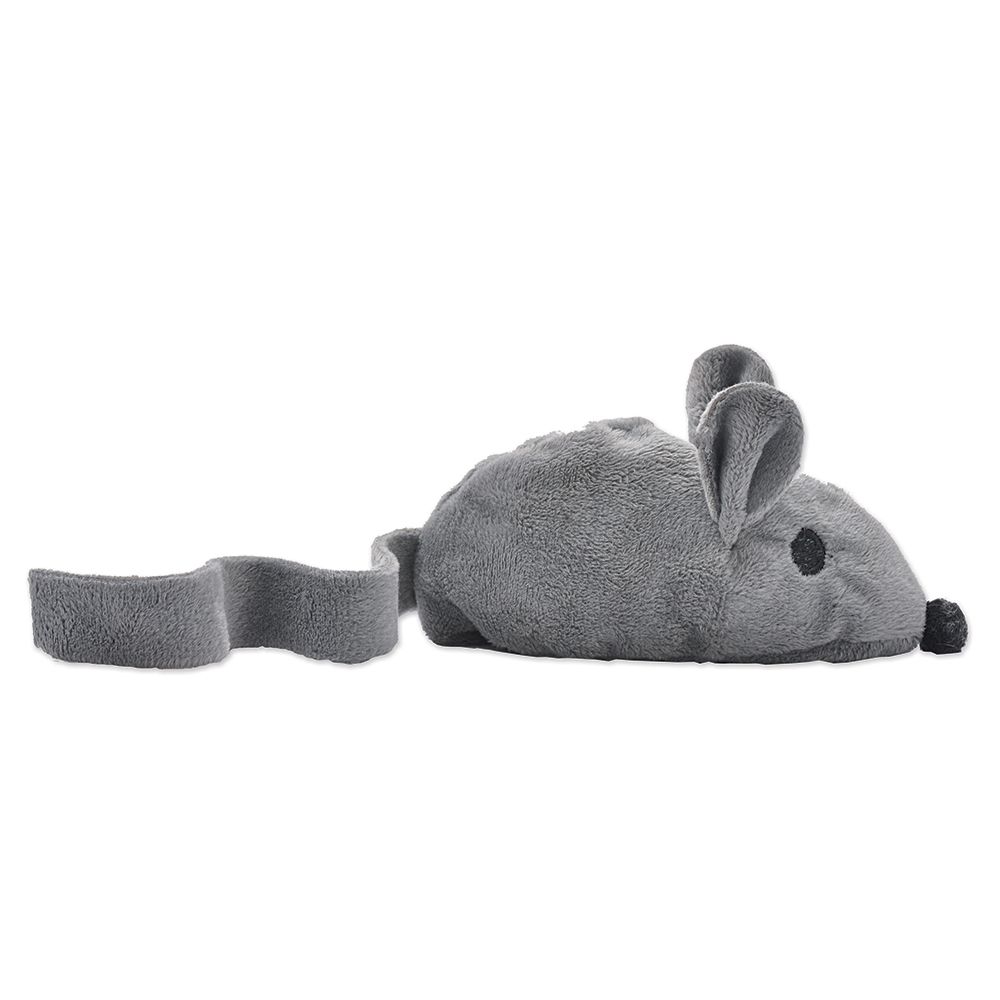
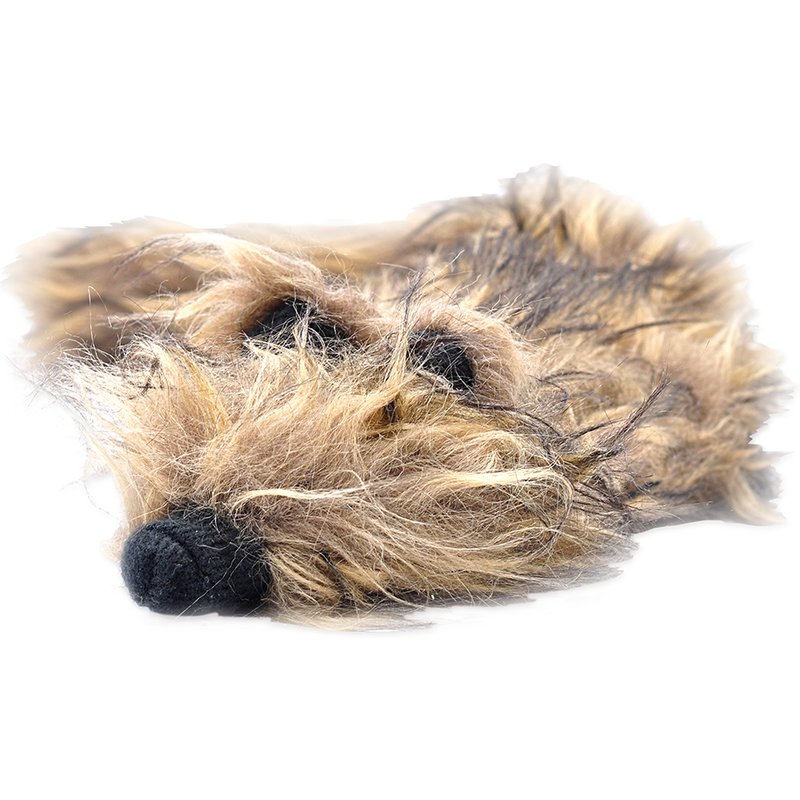
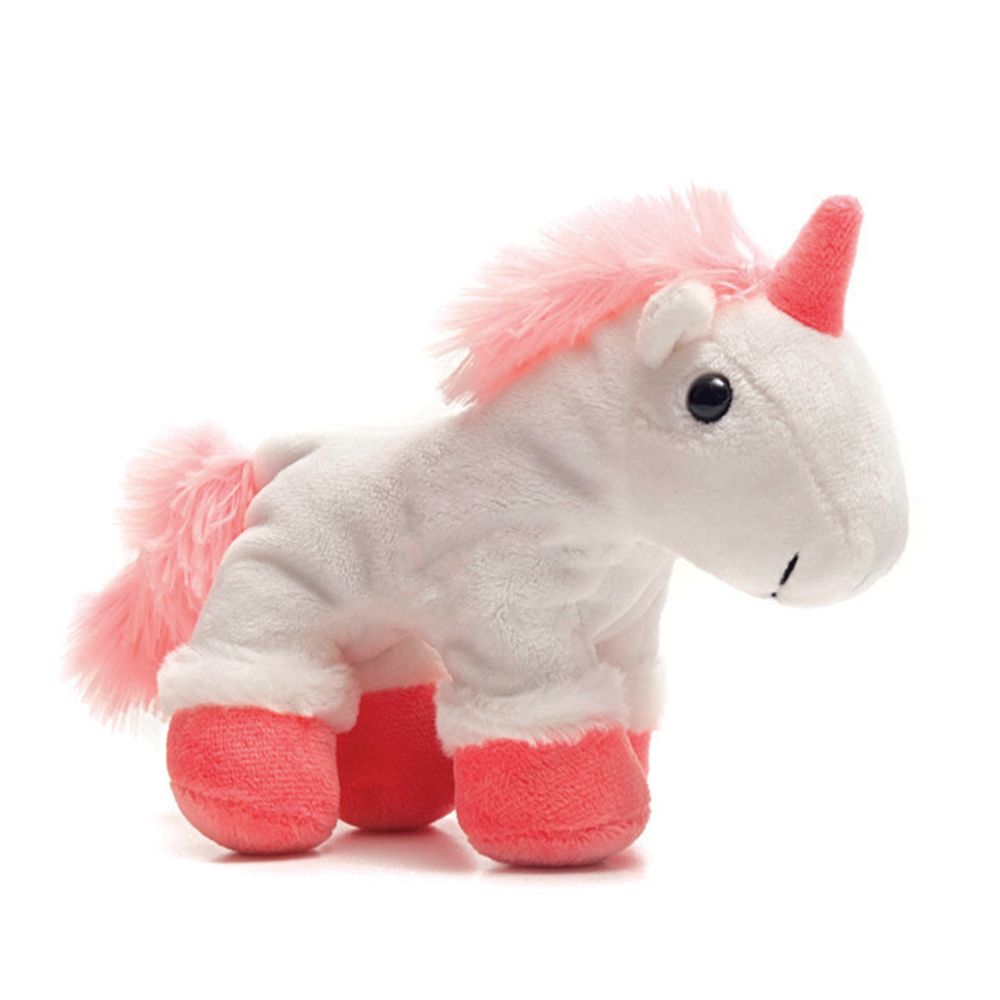
- Small prey toys: mice, balls and crinkle toys for batting around alone.
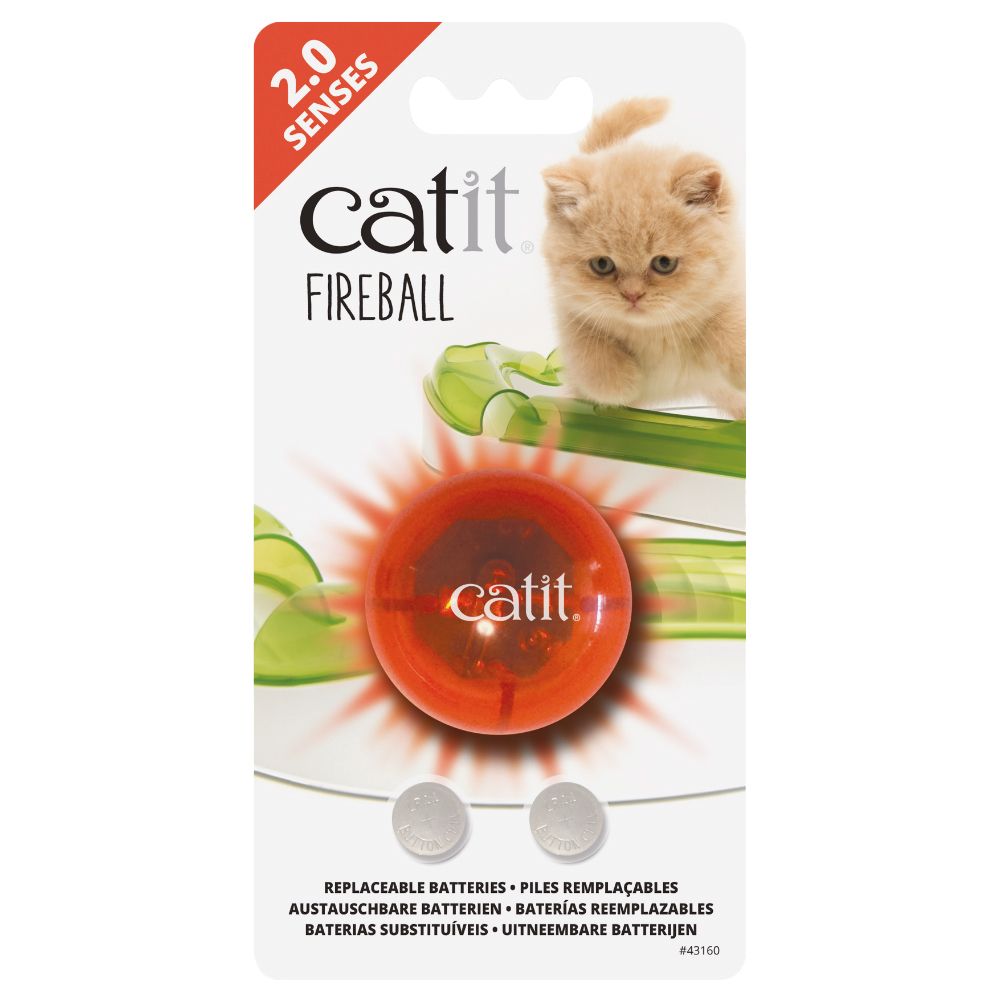
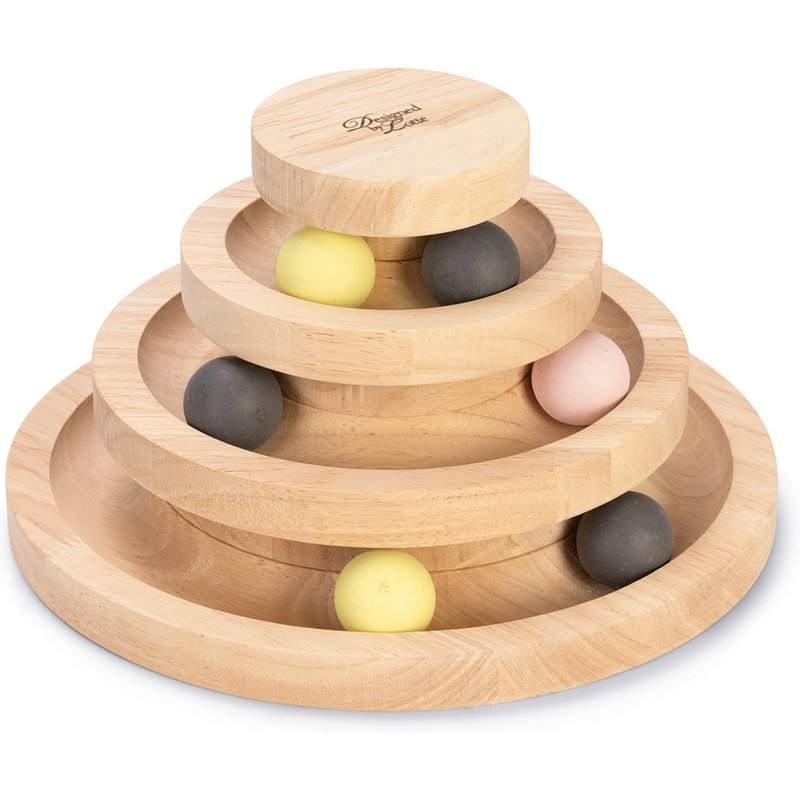
- Ball tracks and circuits: a ball runs in an enclosed track, which keeps a cat busy without losing the ball under the sofa.
- Puzzle and food toys: treat balls, mazes and activity boards that make the cat work for kibble or treats. Good for greedy eaters and cats left alone during the day.
- Electronic toys: lasers, motorised feathers and moving mice. Fun in short bursts, but they cannot replace play with a person.
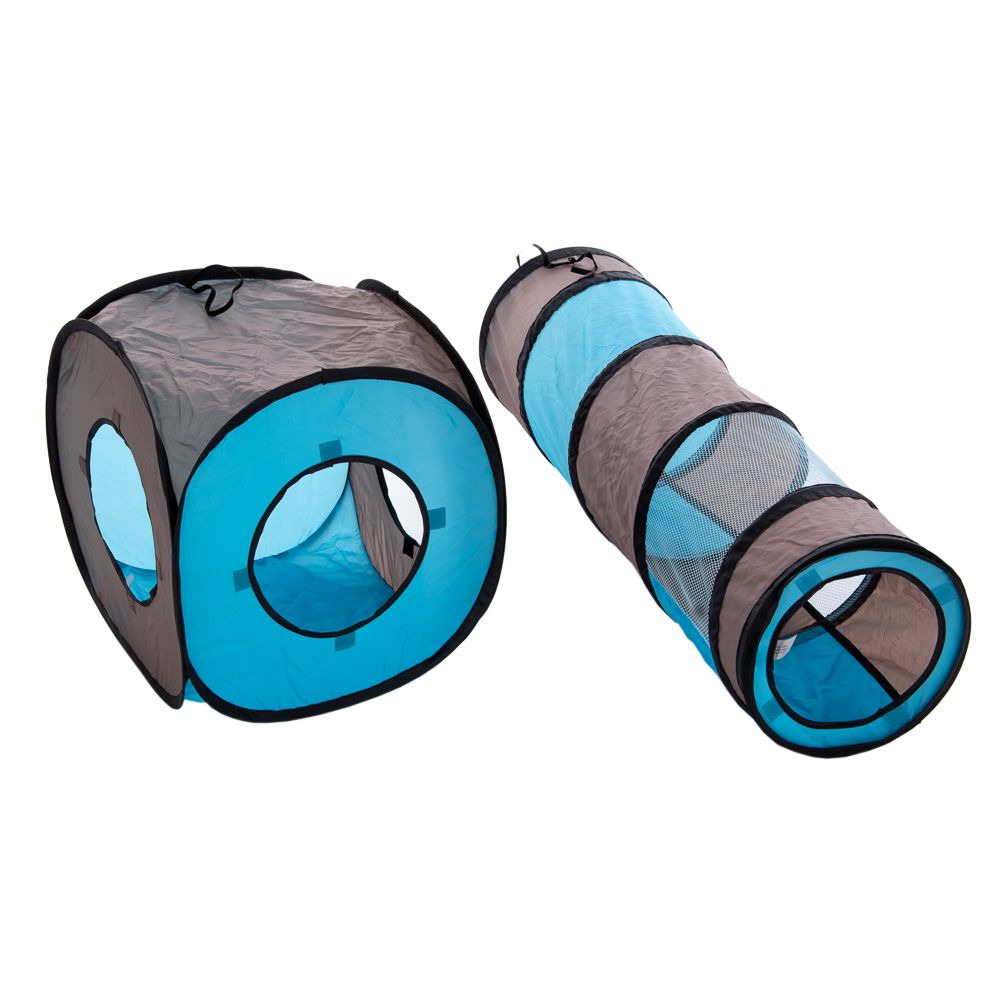
- Tunnels: crinkly fabric tunnels give a place to hide and ambush.
Catnip, silver vine and valerian
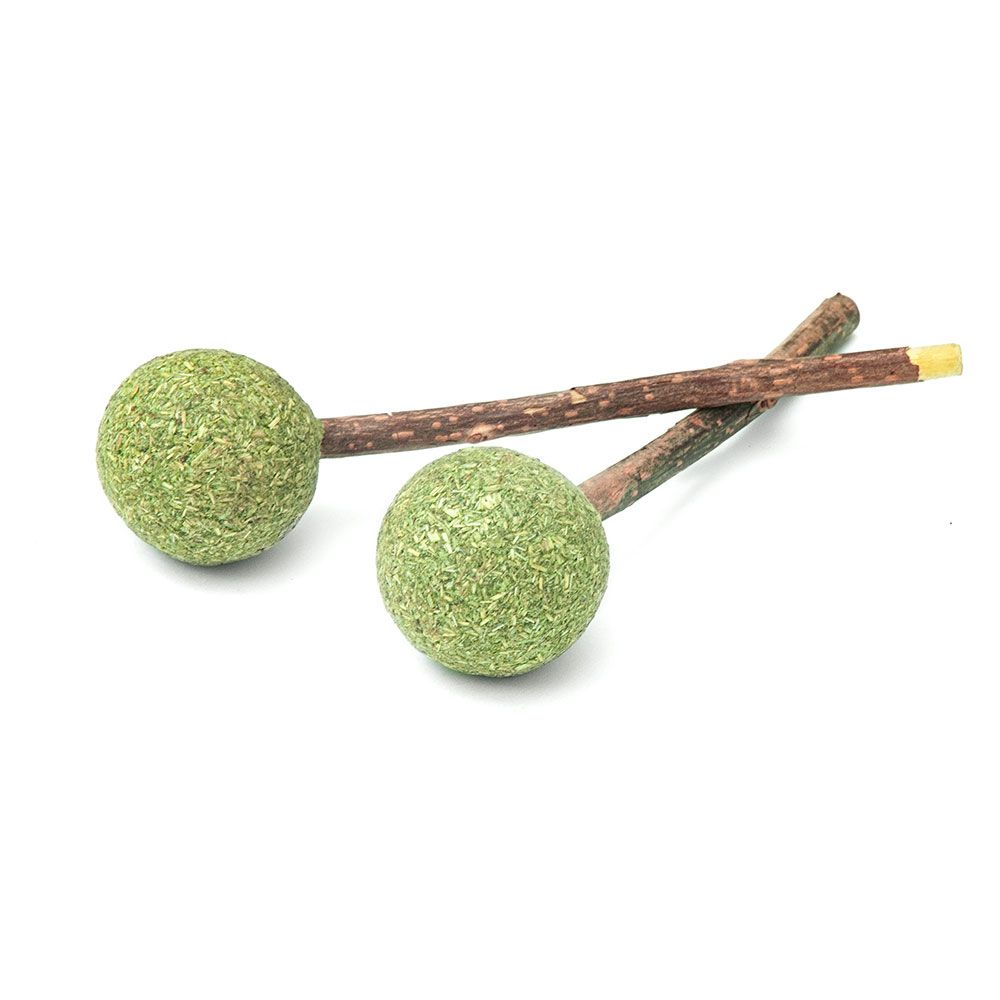
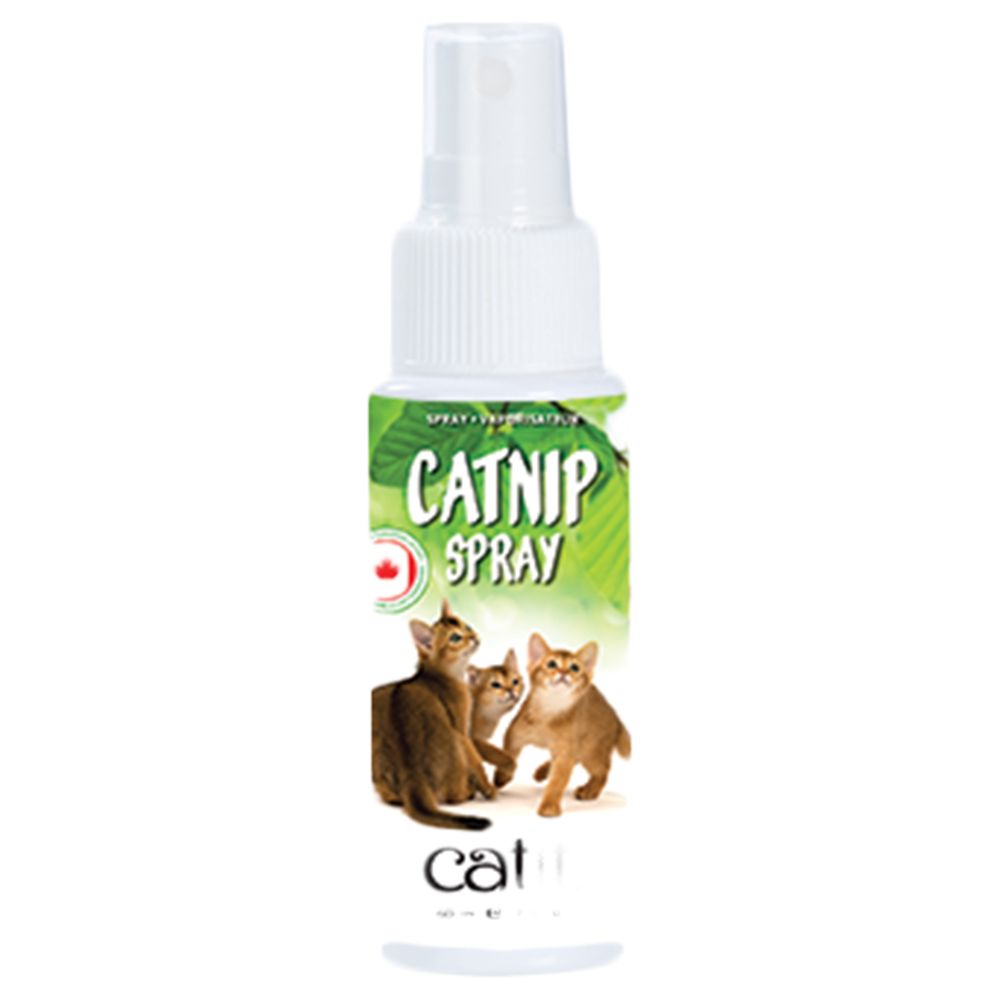
Not every cat reacts to catnip. In a 2017 study of 100 cats, 68 per cent responded to catnip, 79 per cent to silver vine, 53 per cent to Tatarian honeysuckle and 47 per cent to valerian root. So if your cat ignores catnip, a silver vine stick or a valerian toy is worth a try. Kittens usually show little reaction until they are about three to six months old. The effect lasts a few minutes, after which most cats lose interest for a while. Catnip toys lose their smell over time; keep them in a sealed bag with some dried catnip, or use a catnip spray.
How to play
Move the toy the way prey moves: along the floor, away from the cat, behind furniture and in short dashes with pauses. Prey does not fly straight at a cat. A few sessions of five to ten minutes a day suit most cats, ideally before meals so the hunt ends with food. Let your cat catch the toy at the end; with laser toys, finish by landing the dot on a physical toy or a treat so the cat has something to catch.
Rotate toys rather than leaving them all out. Put most of them away and swap a few in each week, and old toys feel new again.
Safety
- Put wand toys with string, ribbon or elastic away after play. Swallowed string can cause serious damage to the gut that needs surgery.
- Check toys regularly for loose eyes, bells, feathers and stuffing, and bin damaged ones.
- Never shine a laser into a cat’s eyes.
- Supervise kittens with small toys and anything with a cord.
- Avoid hair bobbles, elastic bands and tinsel as improvised toys.
Young cats usually want fast chase games; older cats often prefer slower toys at ground level and puzzle feeders. Watch which prey your cat likes best, whether flying birds, scurrying mice or wriggling insects, and buy toys that move that way.
Common questions
Why does my cat not react to catnip?
Sensitivity to catnip is inherited, and around a third of cats do not respond. Kittens usually show no reaction until about three to six months old. Many cats that ignore catnip do respond to silver vine or valerian, so those toys are worth trying.
Are laser toys bad for cats?
They are fine in short sessions if the beam is never pointed at the eyes. Because the cat can never catch the dot, finish each session on a physical toy or a treat, which avoids frustration.
How much should I play with my cat each day?
Most cats do well with a few short sessions of five to ten minutes spread through the day. Indoor and young cats usually need more. Playing before a meal lets the hunt end naturally with food.
Is catnip safe for cats?
Catnip is generally considered safe and non-addictive. The reaction lasts a few minutes and then fades. Eating large amounts of the dried herb can upset the stomach, so offer it in moderation.