
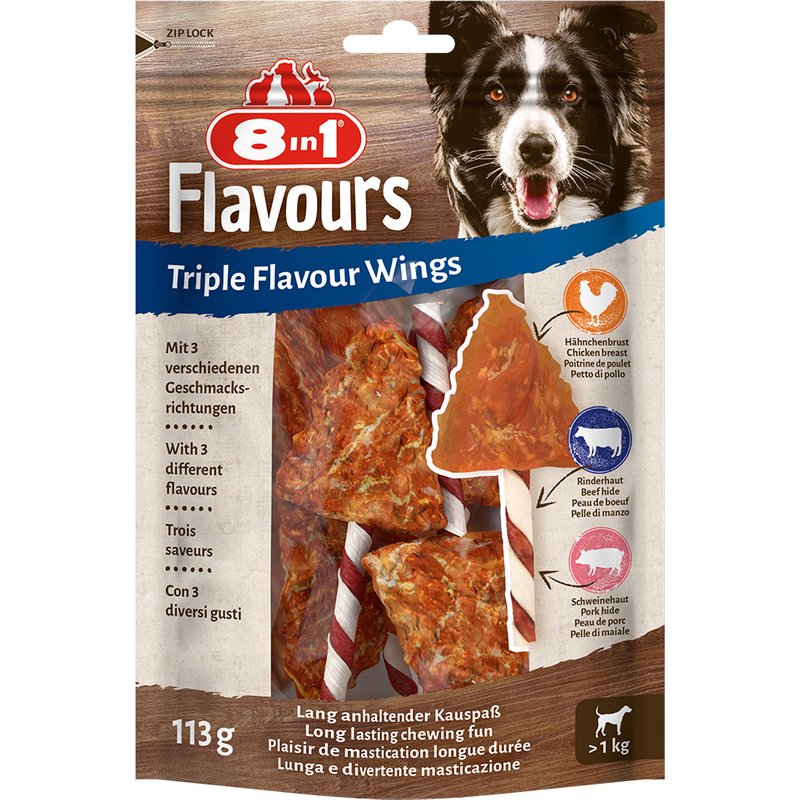
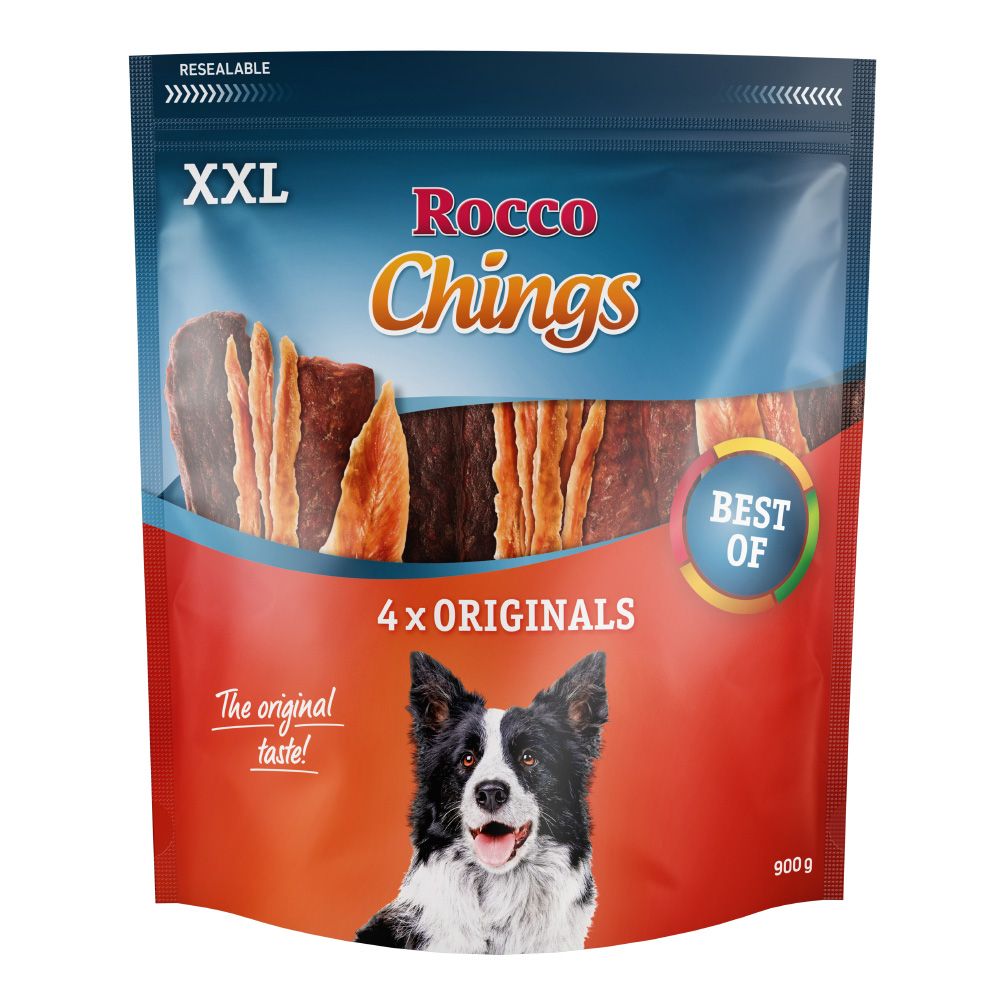
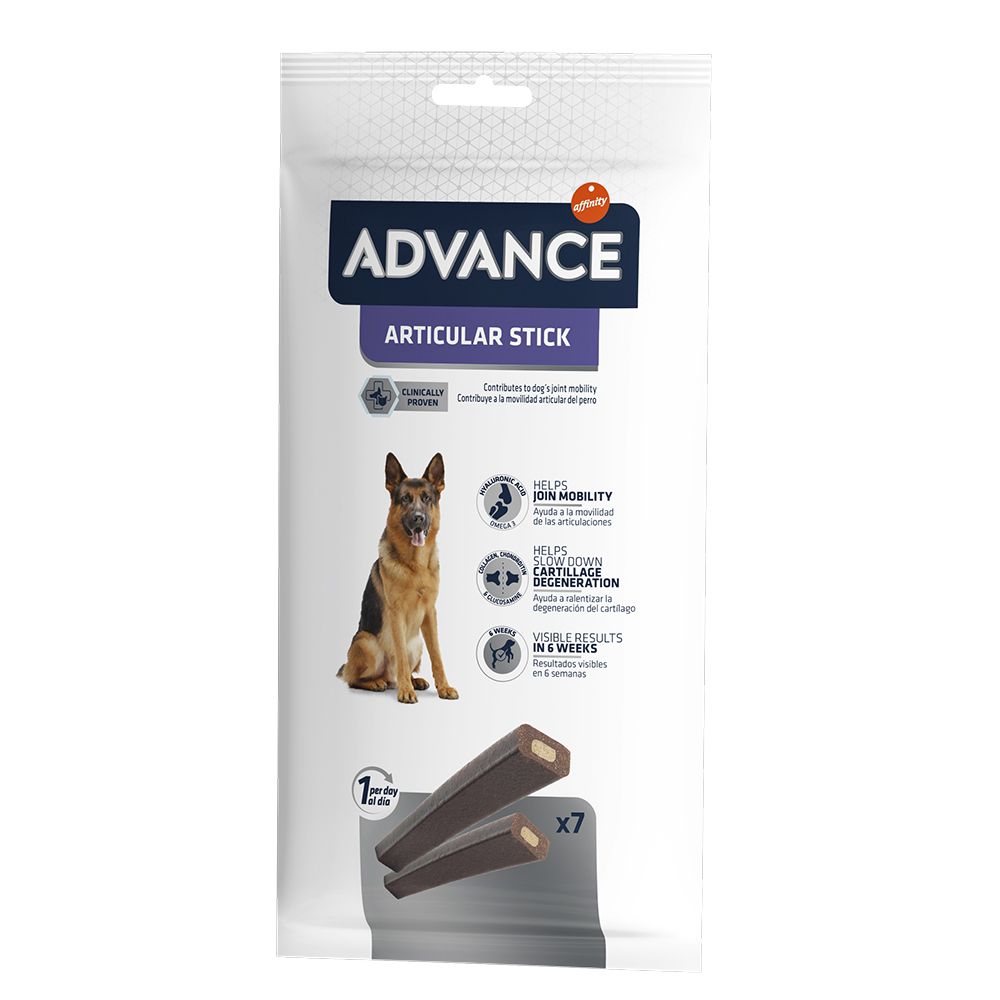
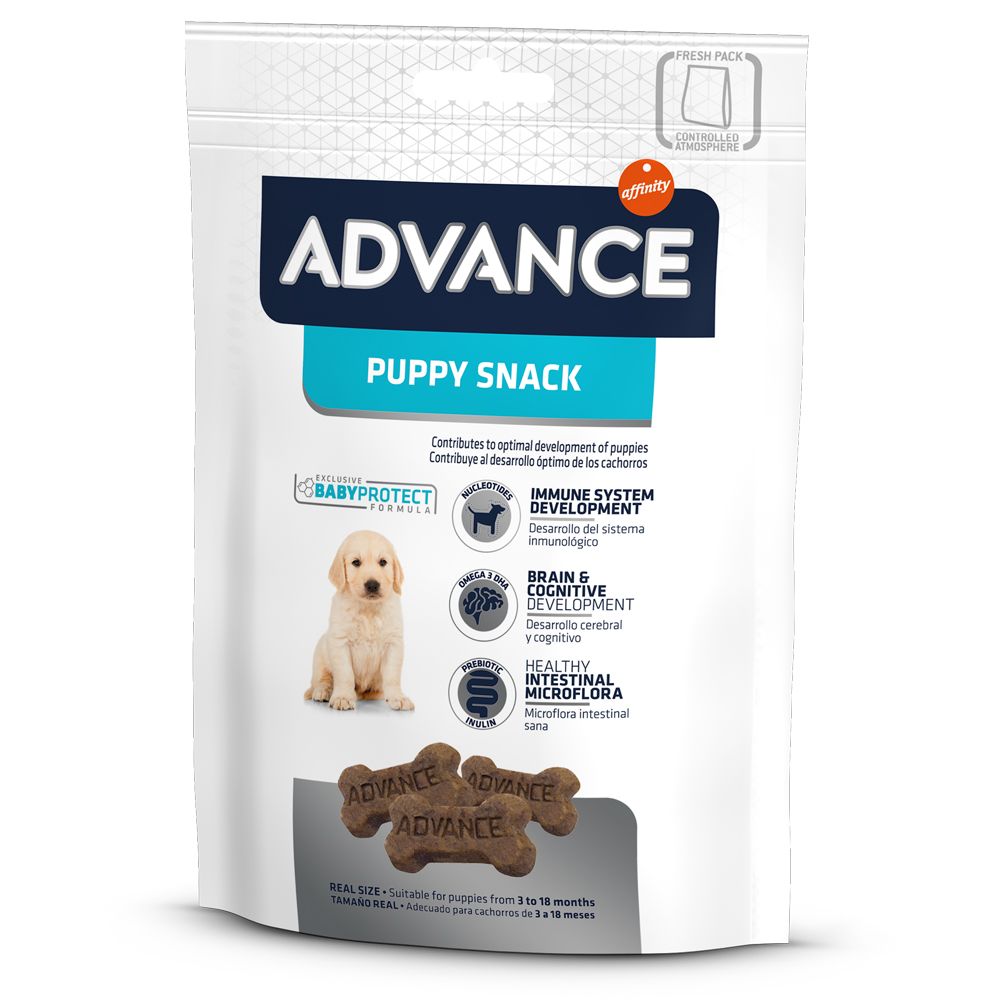
The main types
- Training treats. Small, soft and quick to swallow, so your dog is ready for the next cue straight away. Semi-moist bites and soft meaty pieces work best.
- Biscuits and baked snacks. Crunchy, easy to store, good for everyday rewards. Calories vary a lot between brands.
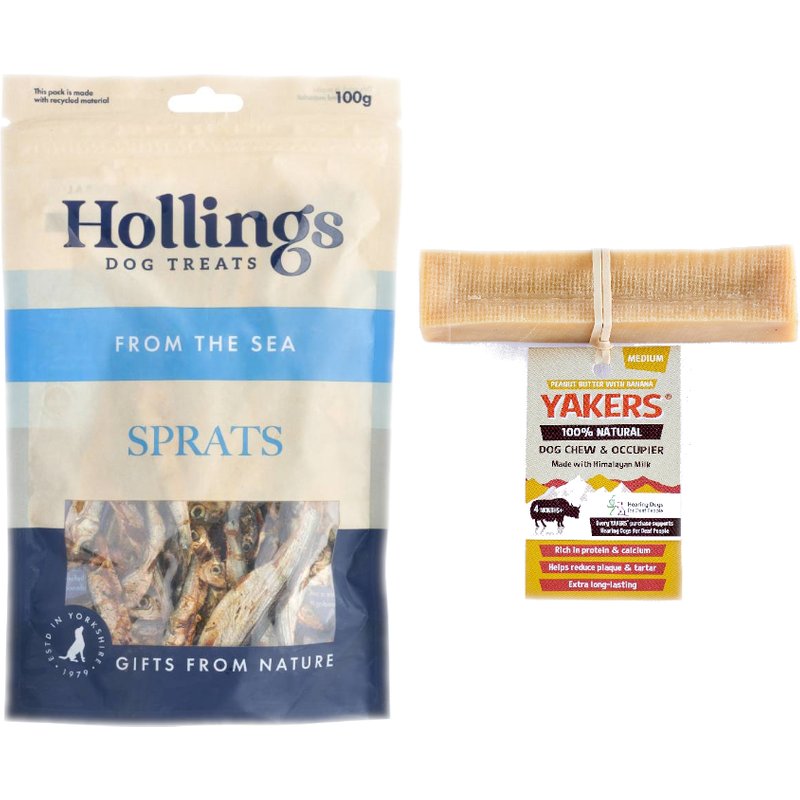
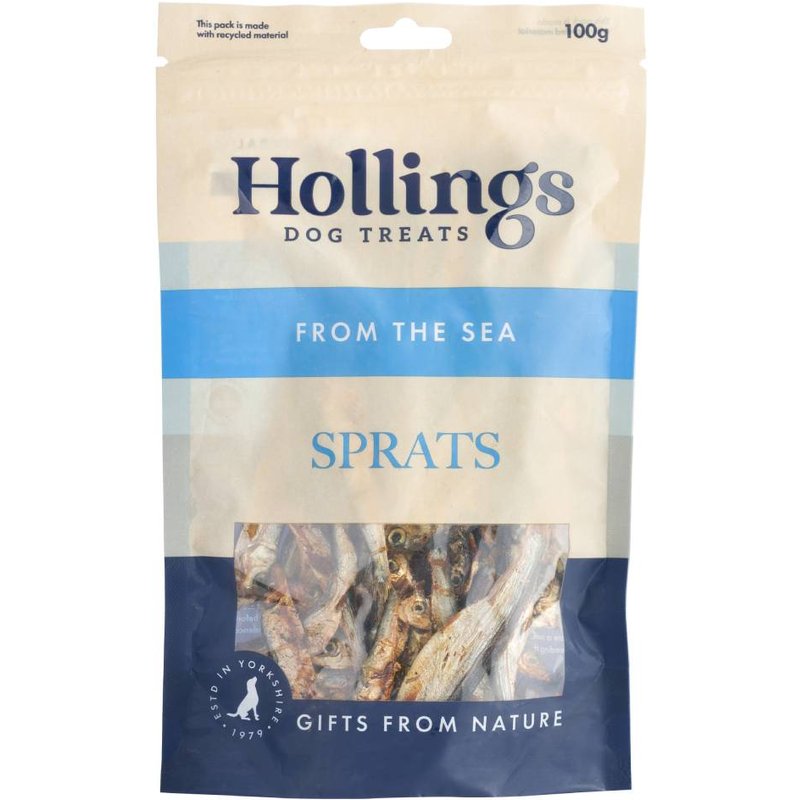
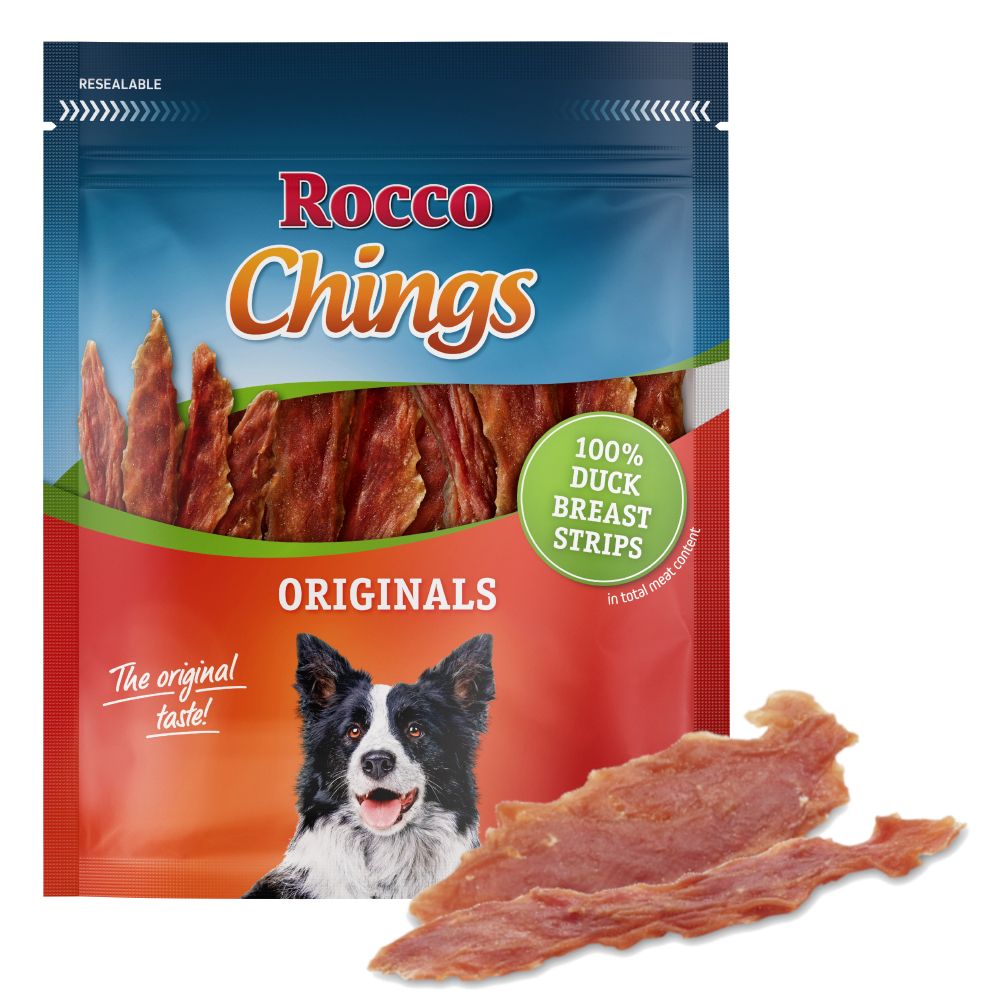
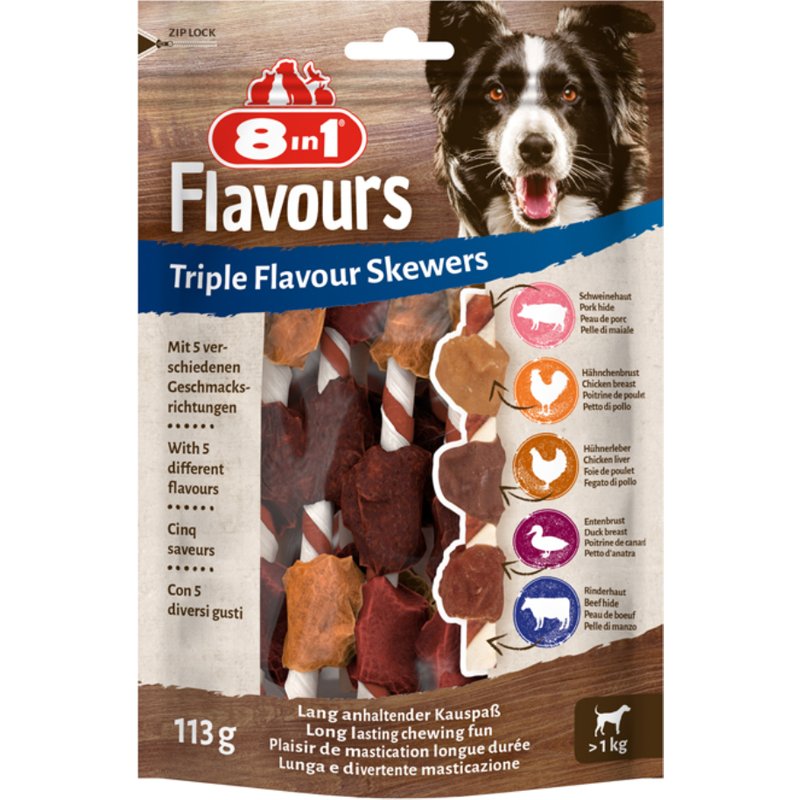
- Dried meat and fish. Chicken breast strips, duck, fish skins and similar. Usually short ingredient lists, which helps dogs with sensitivities.
- Natural chews. Pigs’ ears, beef scalp, tripe, chicken necks and similar dried animal parts. They keep a dog busy, but many are rich in fat, so count them as part of the day’s food.
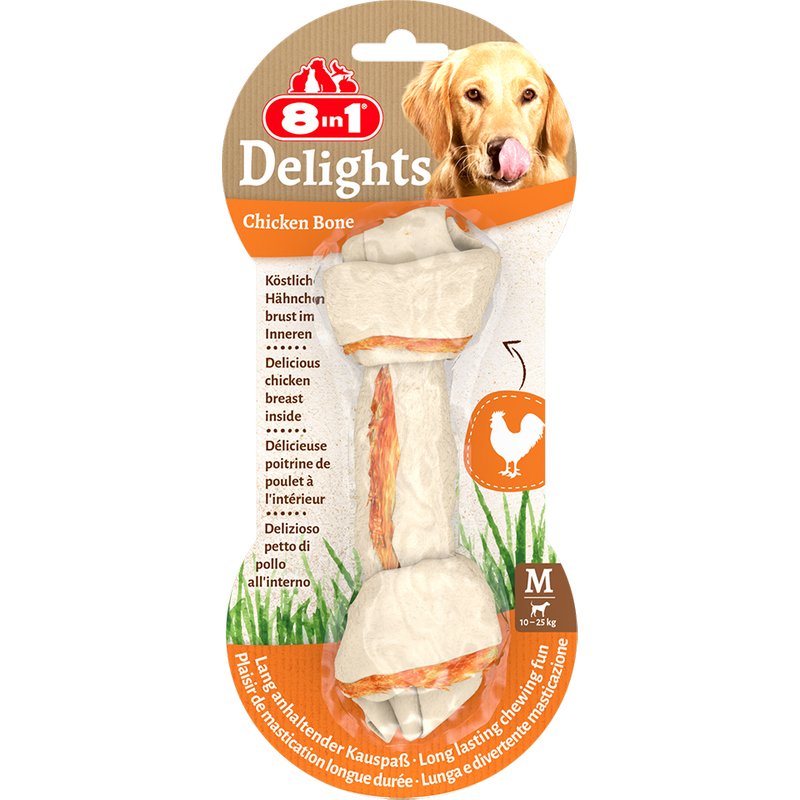
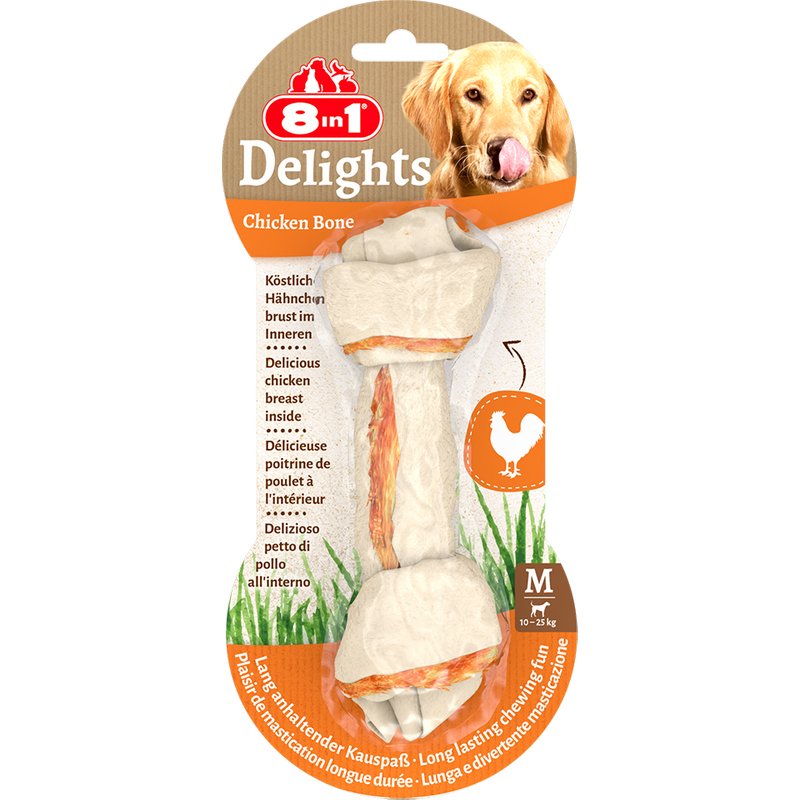
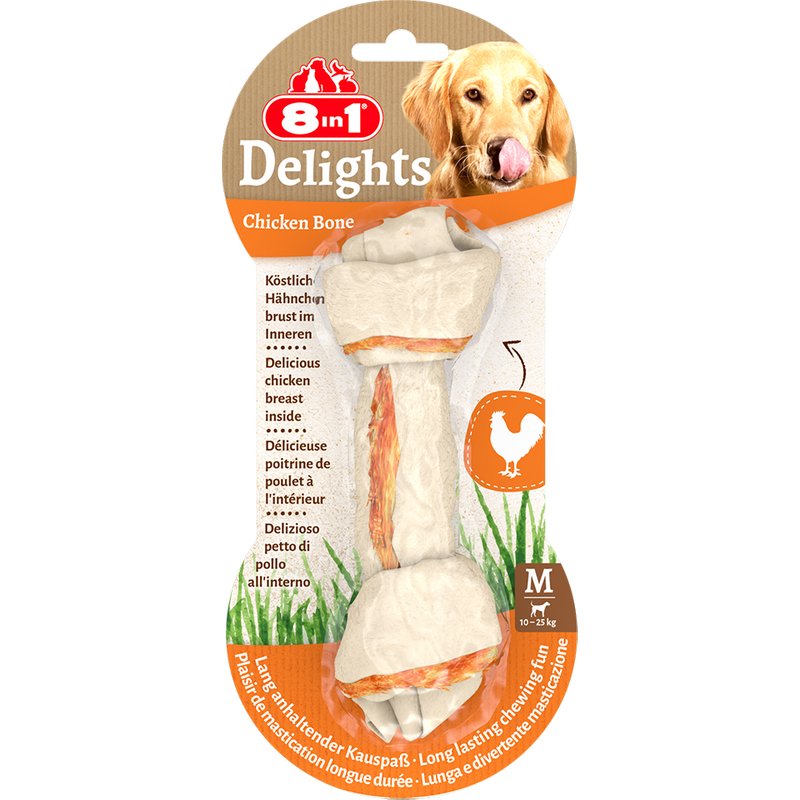
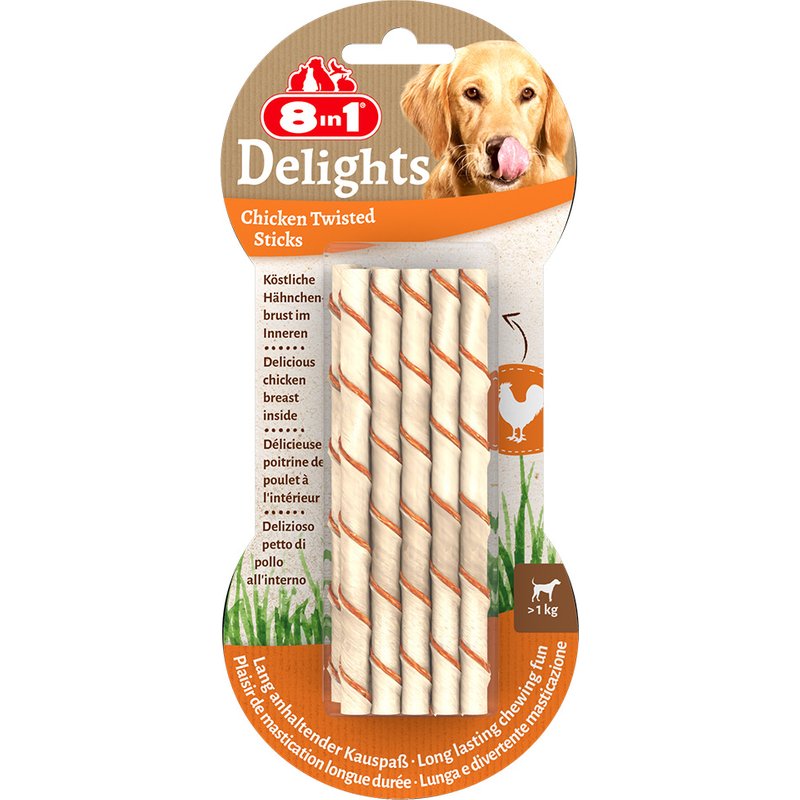
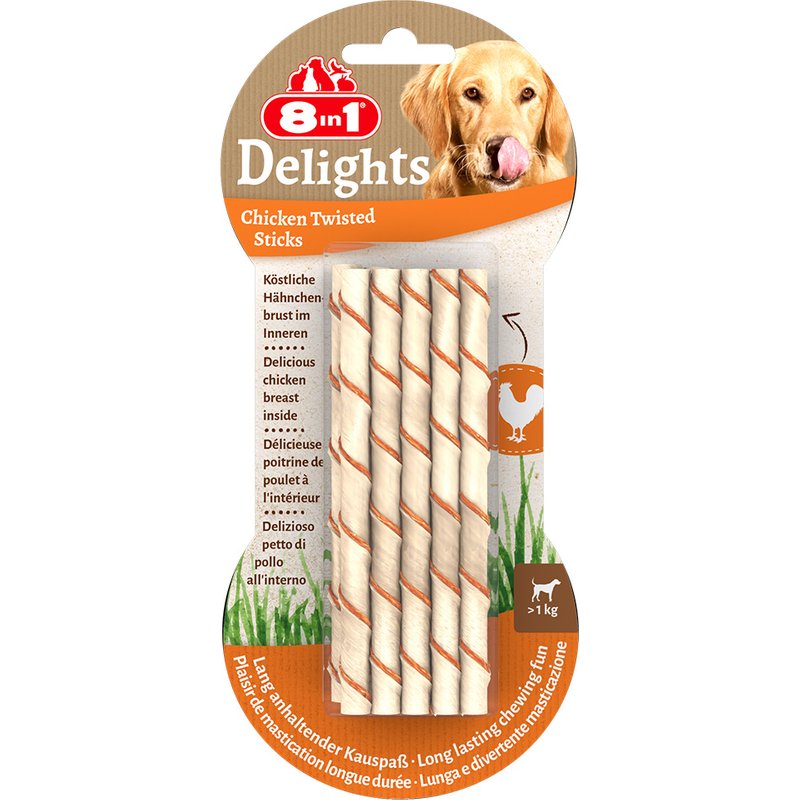
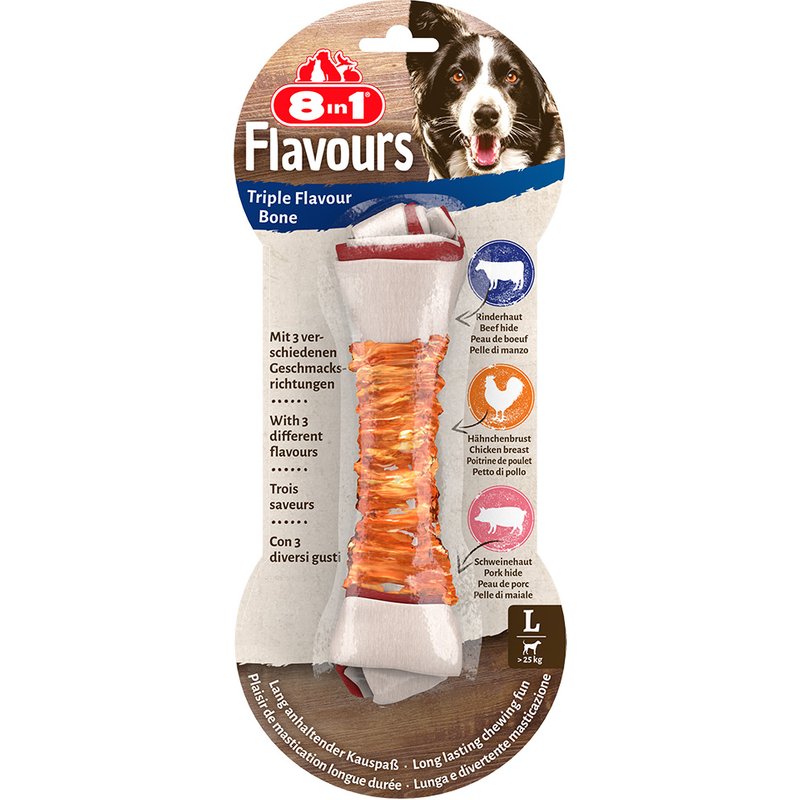
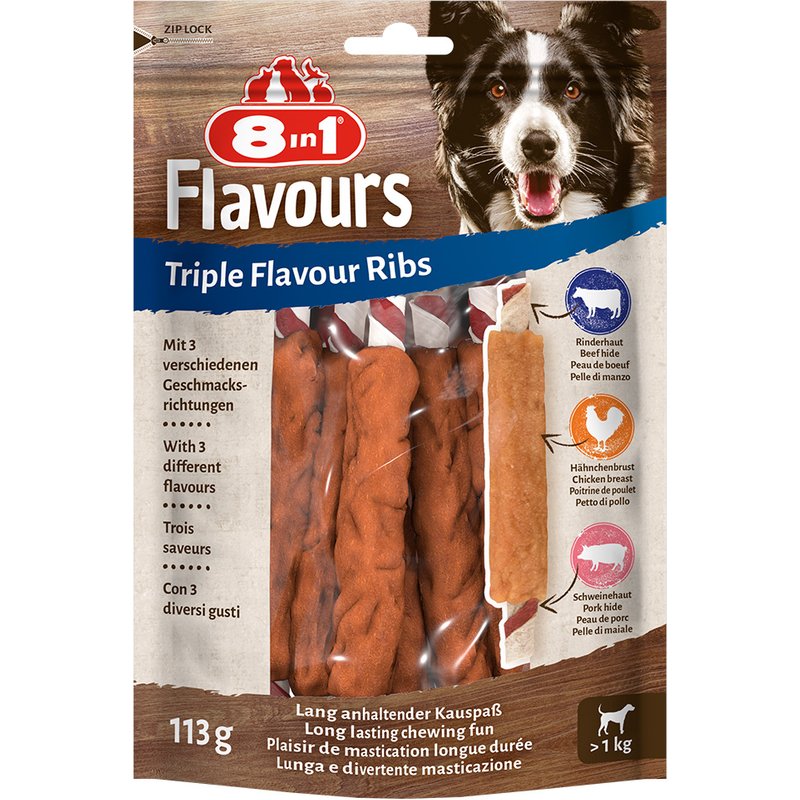
- Rawhide and pressed chews. Long-lasting, but pieces can be swallowed whole.
- Hard chews. Antlers, hard cheese chews and very dense nylon or bone-style chews.
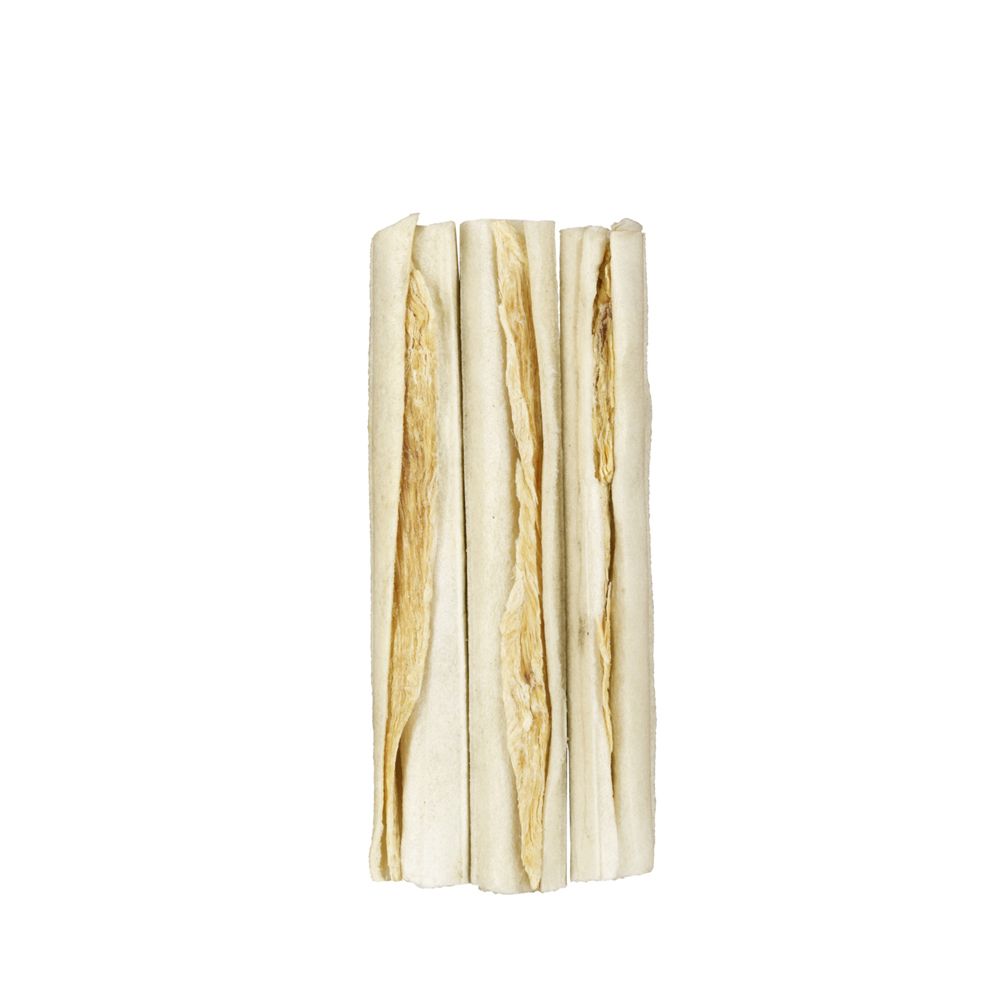
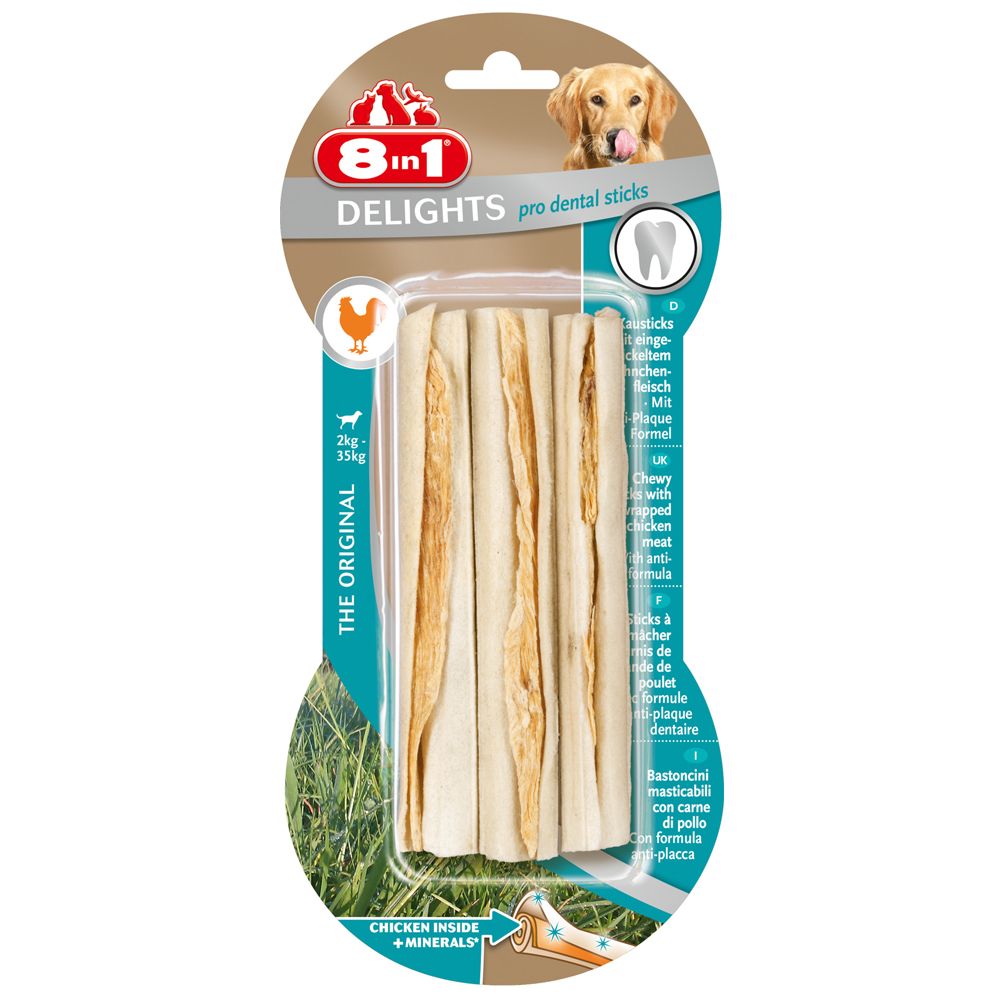
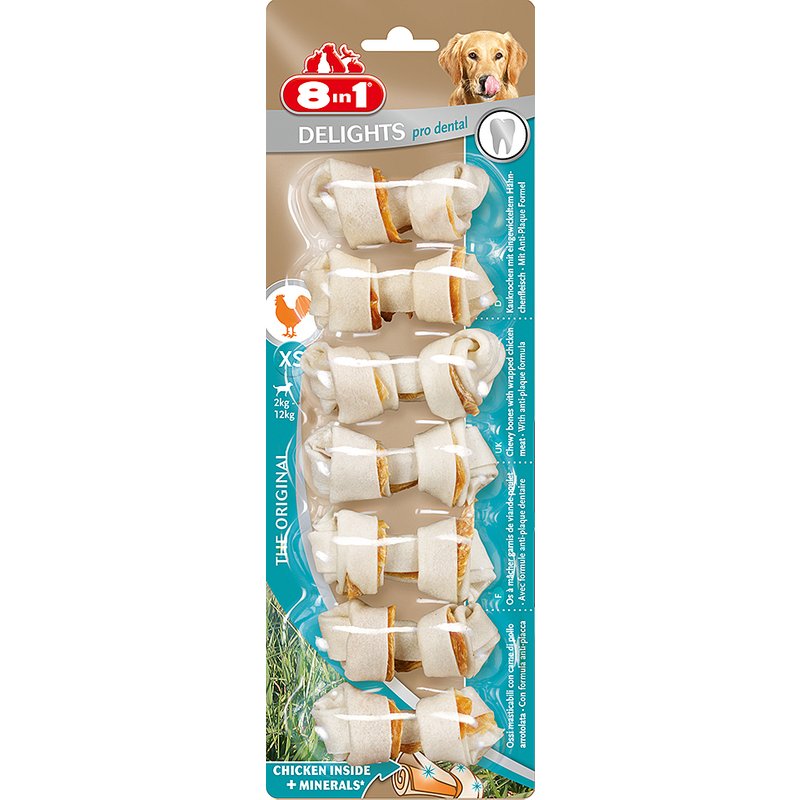
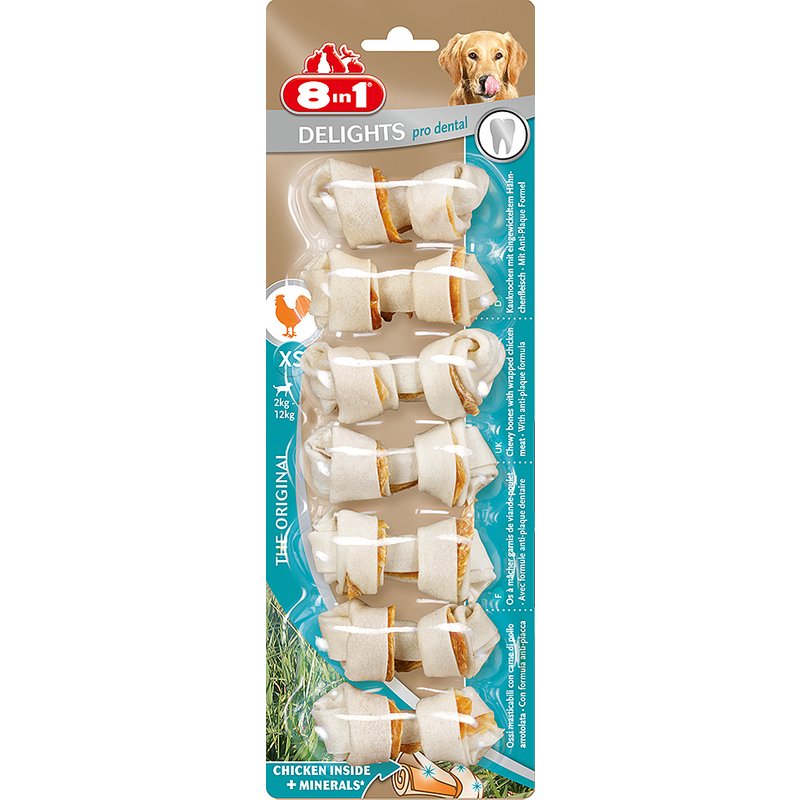
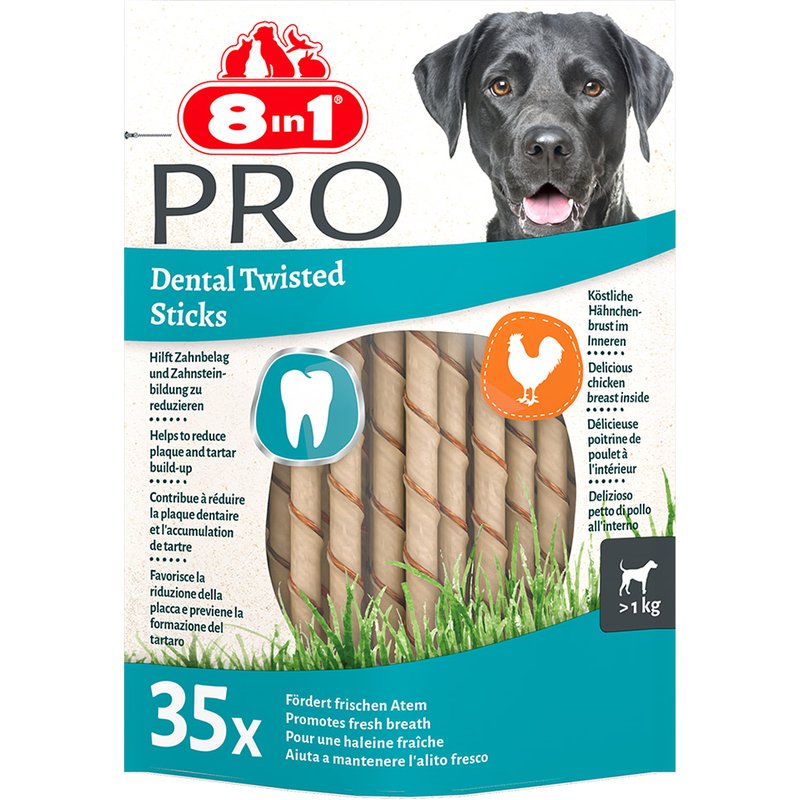
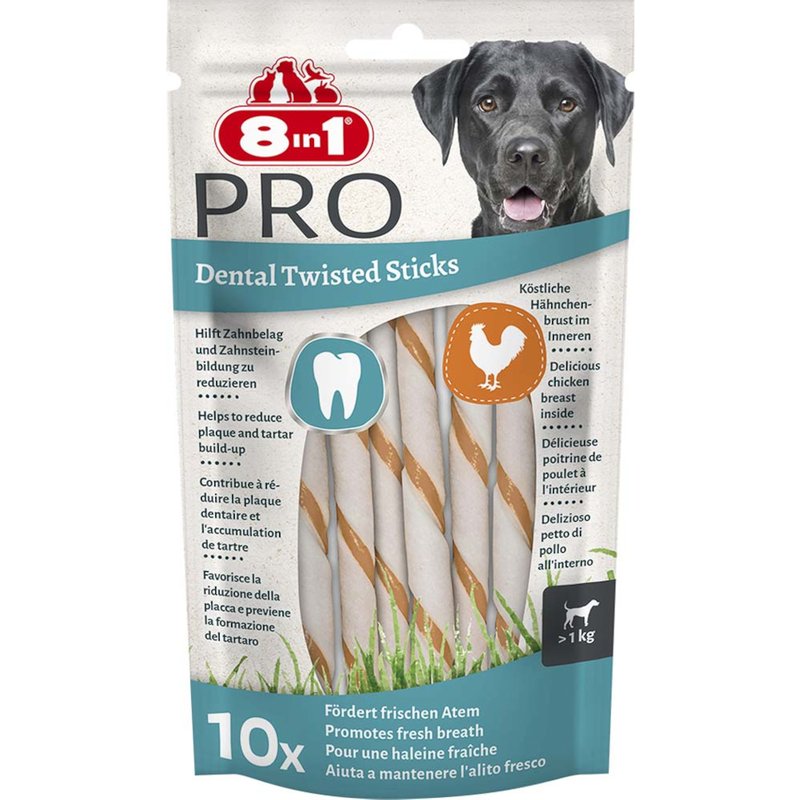
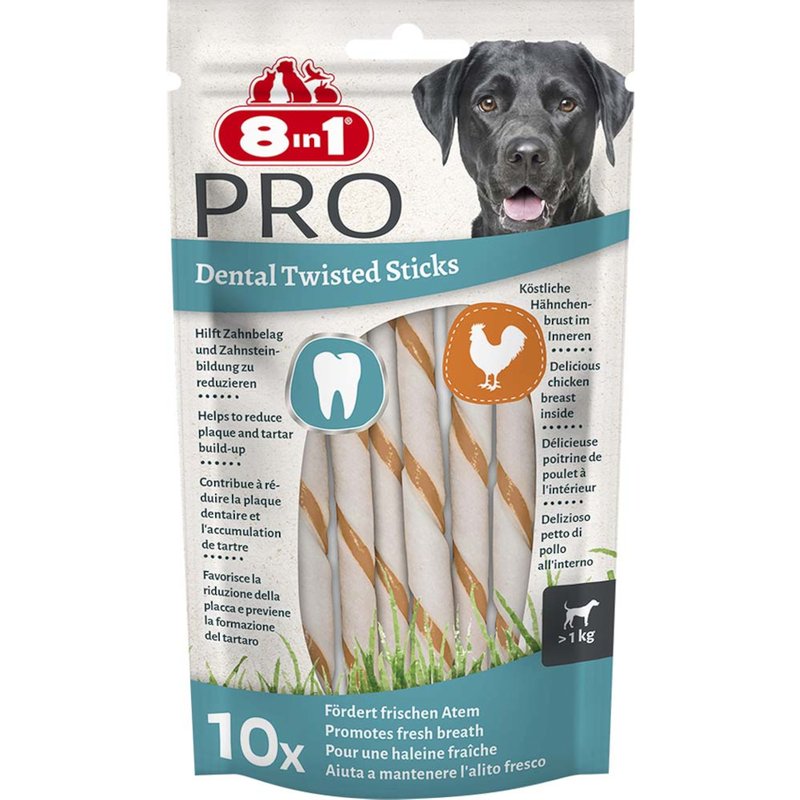
- Dental chews. Shaped and textured to scrape the teeth as the dog chews. Sized by the dog’s weight.
Size and safety
The commonest problems with chews are choking, blockages and broken teeth, and most are avoidable.
Choose a chew that is too big to be swallowed whole, then take it away once it has been worn down to a piece that could be. Supervise your dog with any new chew, and with any chew if your dog tends to gulp.
Hard chews are a frequent cause of fractured teeth. A common rule of thumb among vets: if you cannot make a dent in it with your fingernail, it is hard enough to break a tooth. Antlers and very hard cheese chews fail that test, so they are best avoided for strong chewers.
Never give cooked bones. Cooking makes bones brittle, and they splinter into sharp pieces.
Calories add up quickly
WSAVA, the world vets’ association, recommends keeping treats below 10% of a dog’s daily calories. As a rough guide for a healthy adult, that is around 47 kcal a day for a 10kg dog, 79 kcal for 20kg and 108 kcal for 30kg. A single large natural chew or a handful of biscuits can use all of that.
Check the energy content on the pack, which is usually given per 100g or per treat. On busy training days, take some of the dog’s normal food out of the bowl and use it as rewards, or cut the meal down to match.
Choosing for your dog
- Puppies: check the minimum age on the pack. Some dental chews and hard chews are not suitable for young puppies, and growing teeth are easier to damage.
- Sensitive stomachs or allergies: look for single-protein treats with short ingredient lists. If your dog is on a food trial or a veterinary diet, ask your vet before giving any treat at all, as one unplanned treat can spoil the trial.
- Overweight dogs: use low-calorie treats, break them into small pieces, or use part of the daily kibble.
- Small dogs: a treat that is small for a Labrador is a meal for a Chihuahua. Break larger treats up.
Human foods to keep away from dogs
Chocolate, grapes and raisins, onions, garlic and anything sweetened with xylitol (found in some sugar-free gum, sweets and peanut butters) are toxic to dogs. If you use peanut butter as a treat, check the label.
For long-lasting entertainment without the calories, a rubber feeding toy stuffed with part of the daily food is a good alternative to a chew.
Common questions
How many treats can I give my dog a day?
Vets advise keeping treats below 10% of daily calories. For a healthy adult dog that is roughly 47 kcal for 10kg, 79 kcal for 20kg and 108 kcal for 30kg, according to WSAVA. Check the calories per treat on the pack and reduce meals if you give a lot.
Are rawhide chews safe for dogs?
Many dogs chew rawhide without trouble, but large pieces can be swallowed and cause choking or a blockage. Choose a size well above what your dog can swallow, supervise, and remove the chew once it is small. Dogs that bite off and swallow chunks are better off with a different type of chew.
Are antlers good for dogs’ teeth?
Antlers are very hard and are a known cause of broken teeth, especially in strong chewers. Softer chews that you can dent with a fingernail are a safer option. Daily brushing is still the best way to keep teeth clean.
Do dental chews replace brushing my dog’s teeth?
No. Dental chews can help reduce some build-up, but they do not reach every tooth surface the way a brush does. Use them alongside daily brushing with dog toothpaste and regular dental checks at the vet.