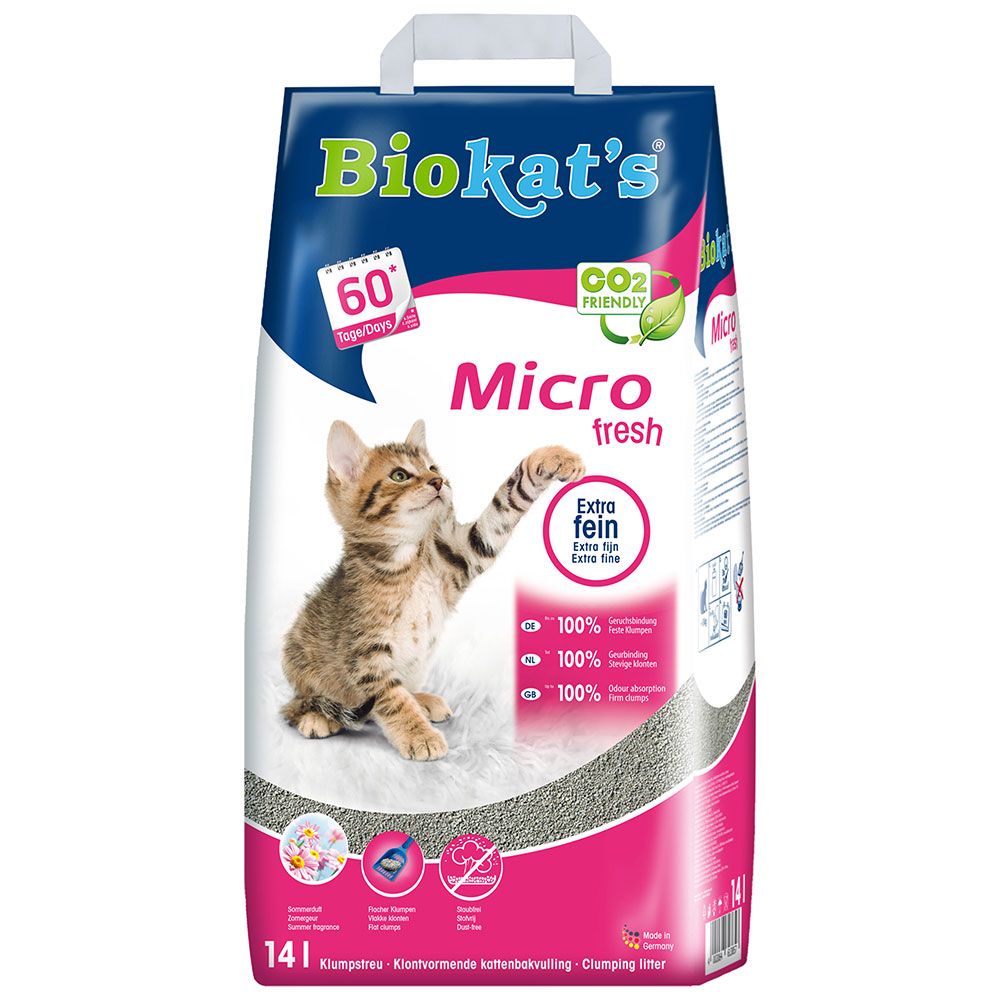
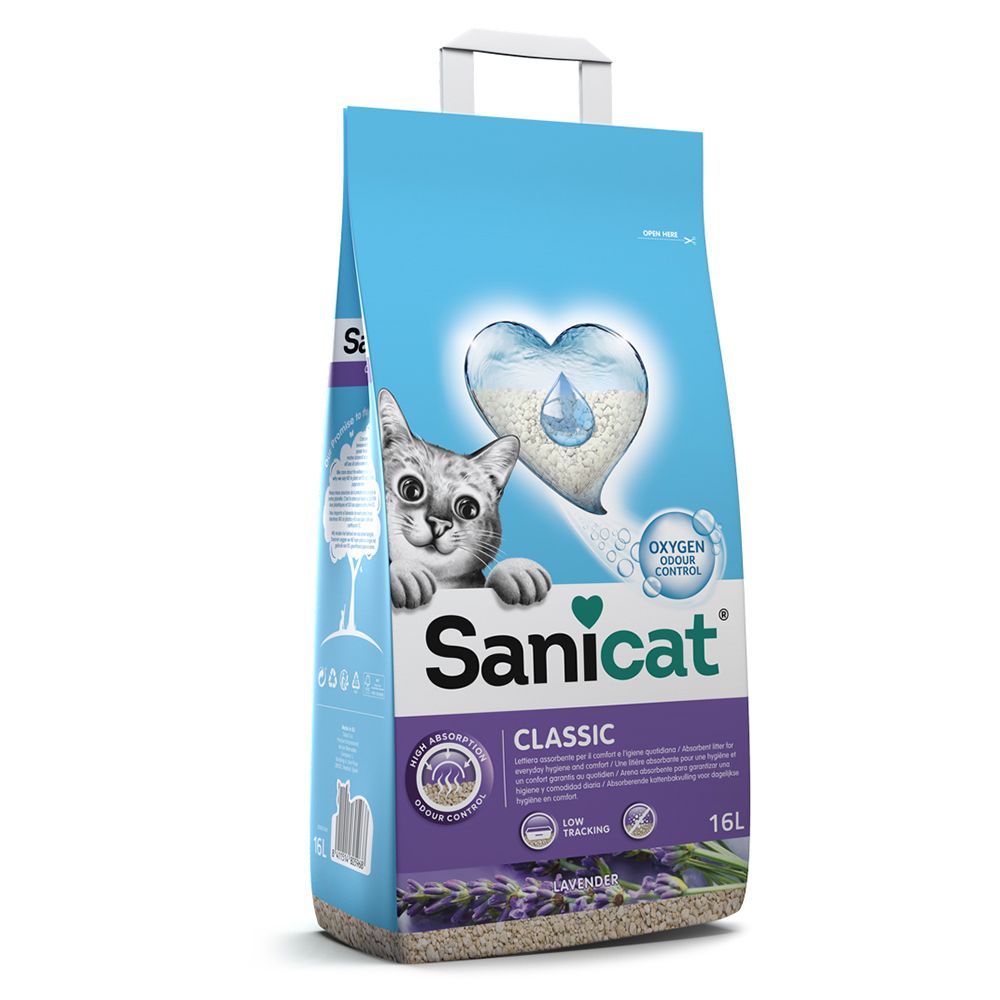
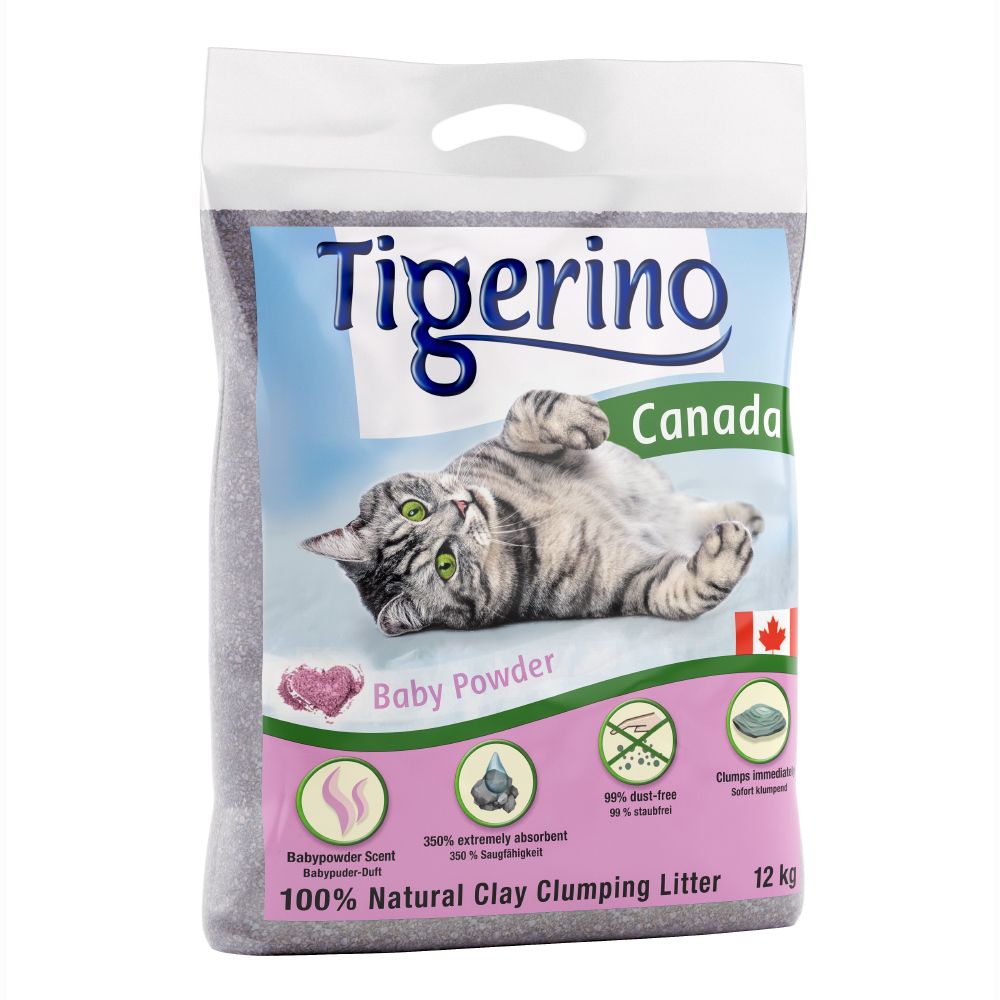
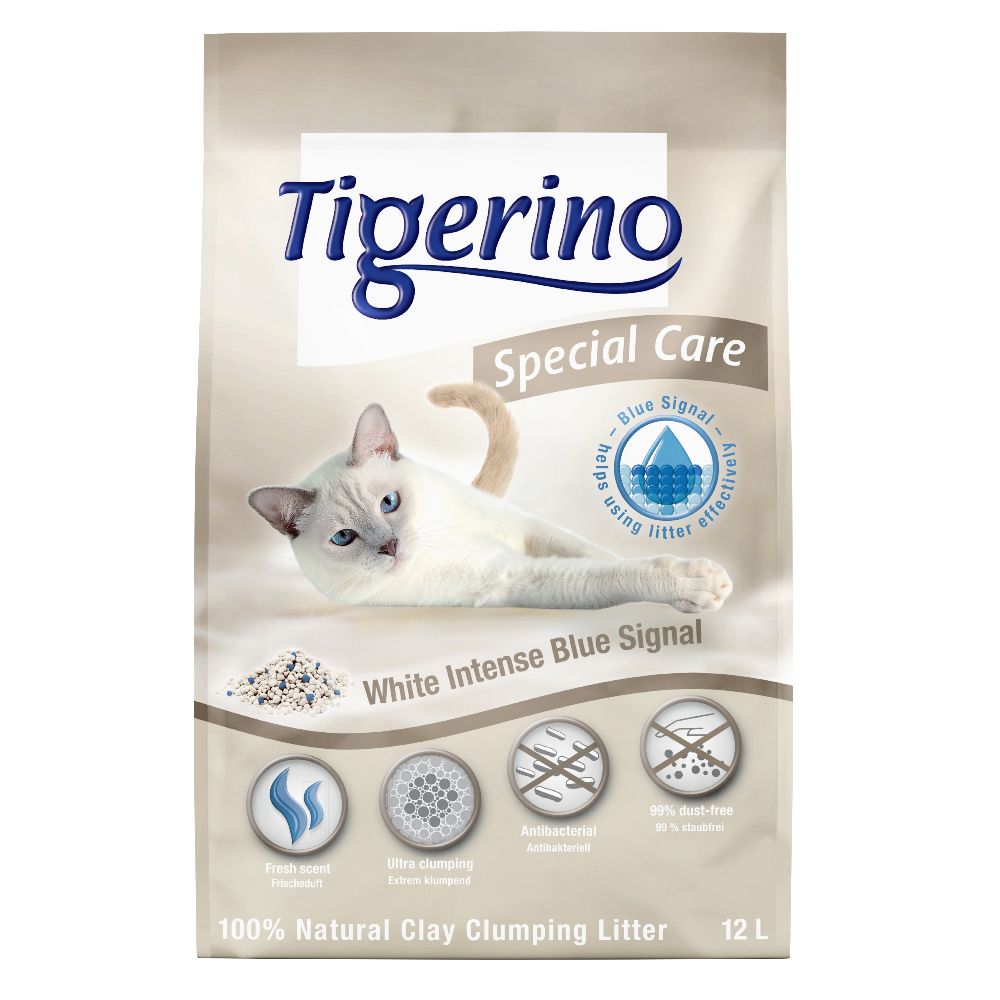
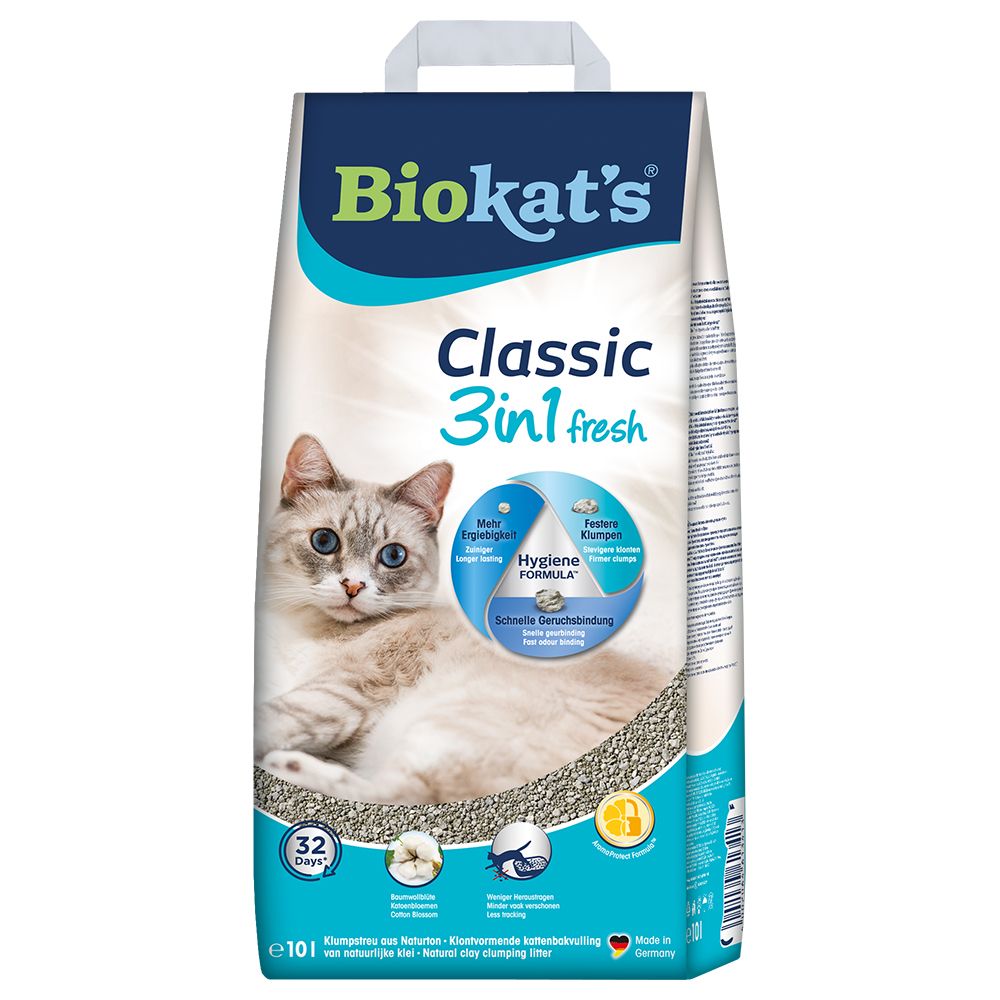
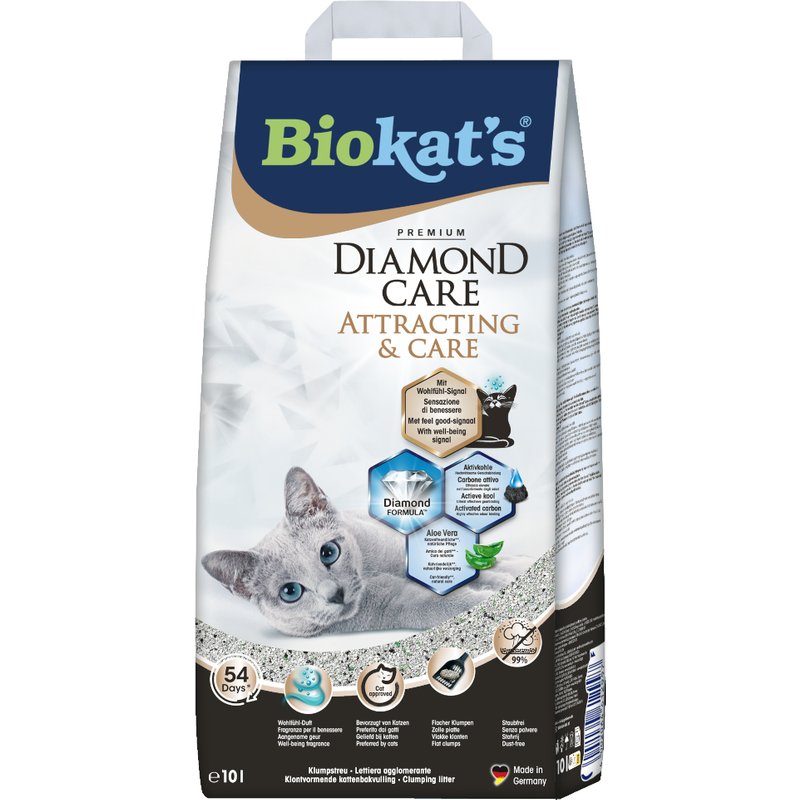
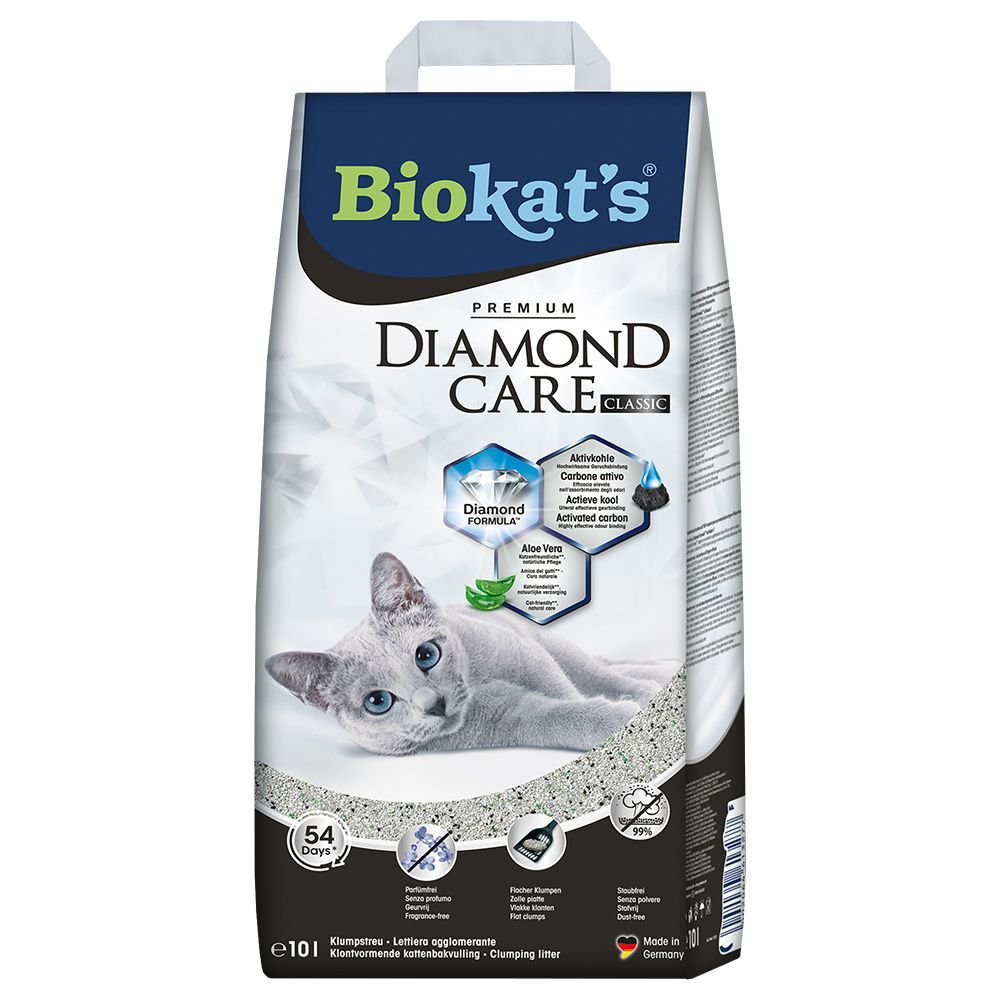
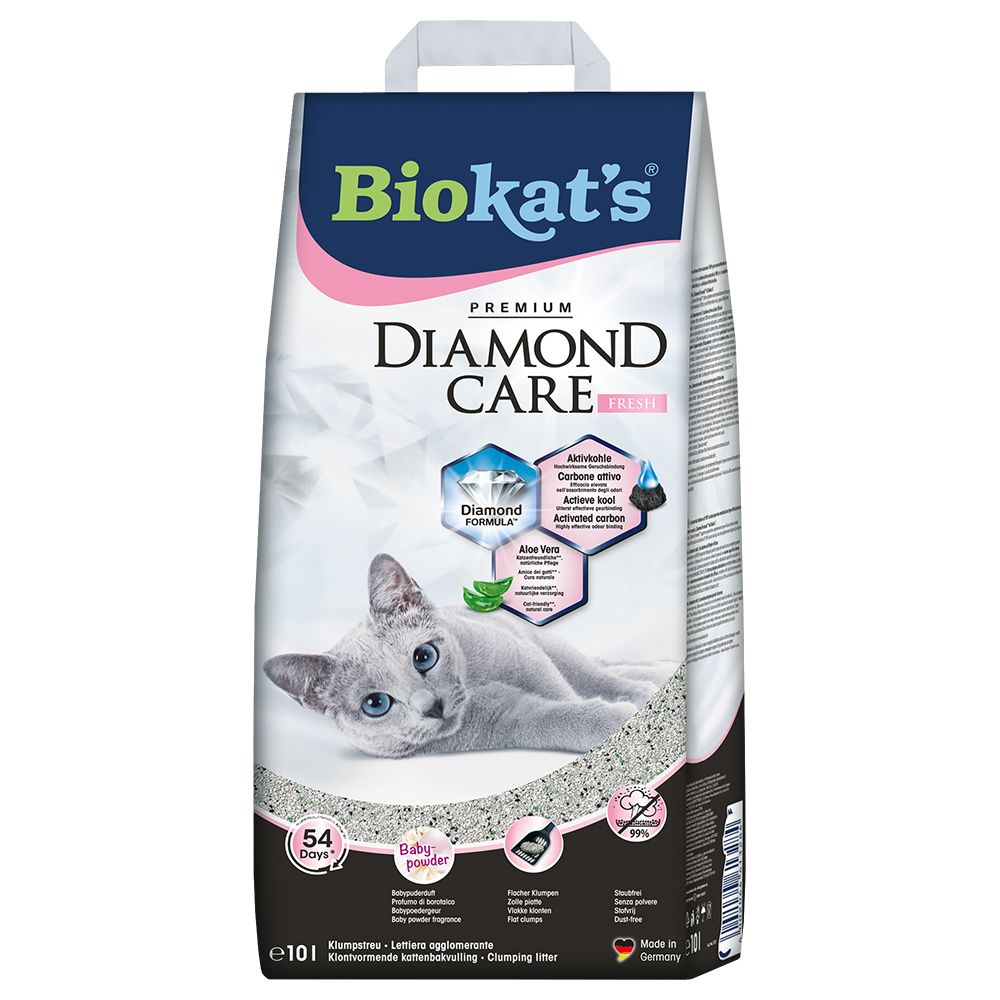
The best litter is the one your cat uses without hesitation, so the cat’s preference comes first and your preference for low dust, low weight or easy disposal comes second. Most cats like a fine, soft, sand-like texture with no strong scent.
The main types
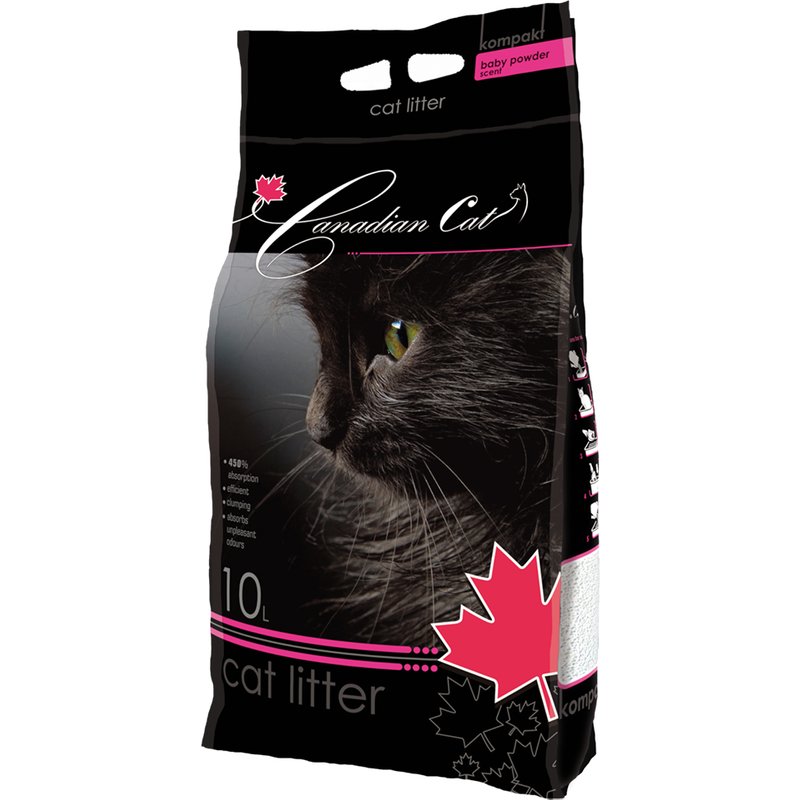
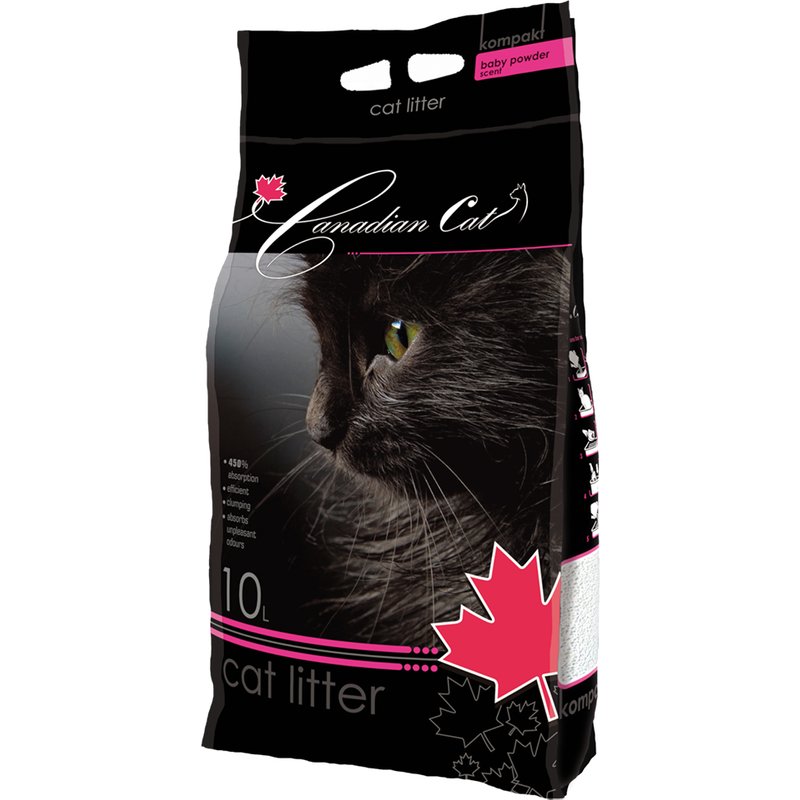
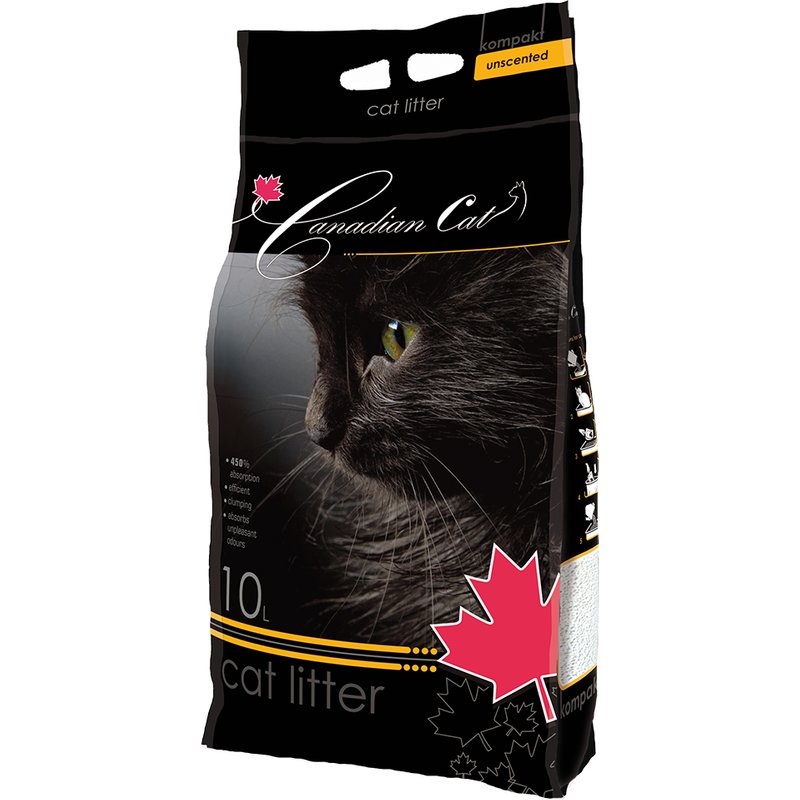
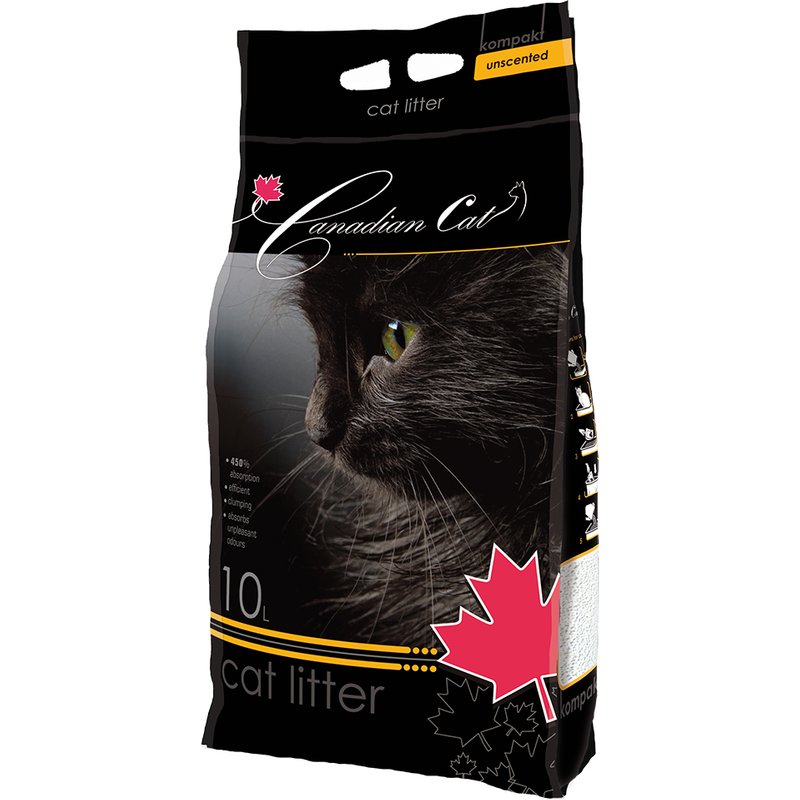
- Clumping clay (bentonite): forms firm clumps around urine, so you scoop out only the wet part and the rest stays clean. Fine-grained and popular with cats, but heavy to carry and not compostable. Quality varies in dust and clump strength.
- Non-clumping clay and absorbent granules: soak up urine without forming clumps. Cheap to buy, but the whole tray needs changing more often, so the real cost can be higher.
- Silica crystals: very absorbent and light, and good at locking in smells. Some cats dislike the texture and the crystals can crunch underfoot.
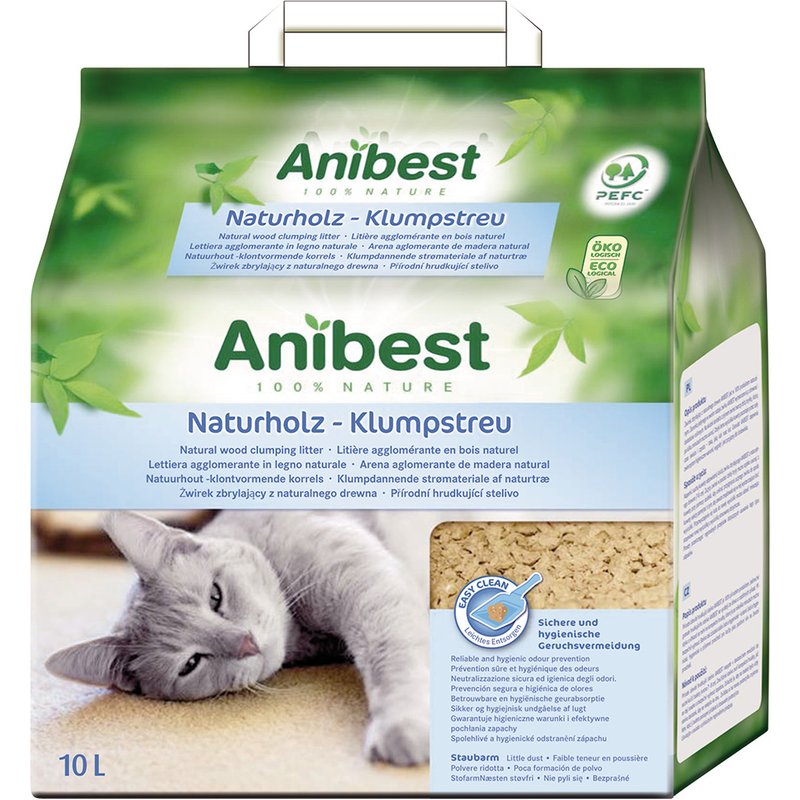
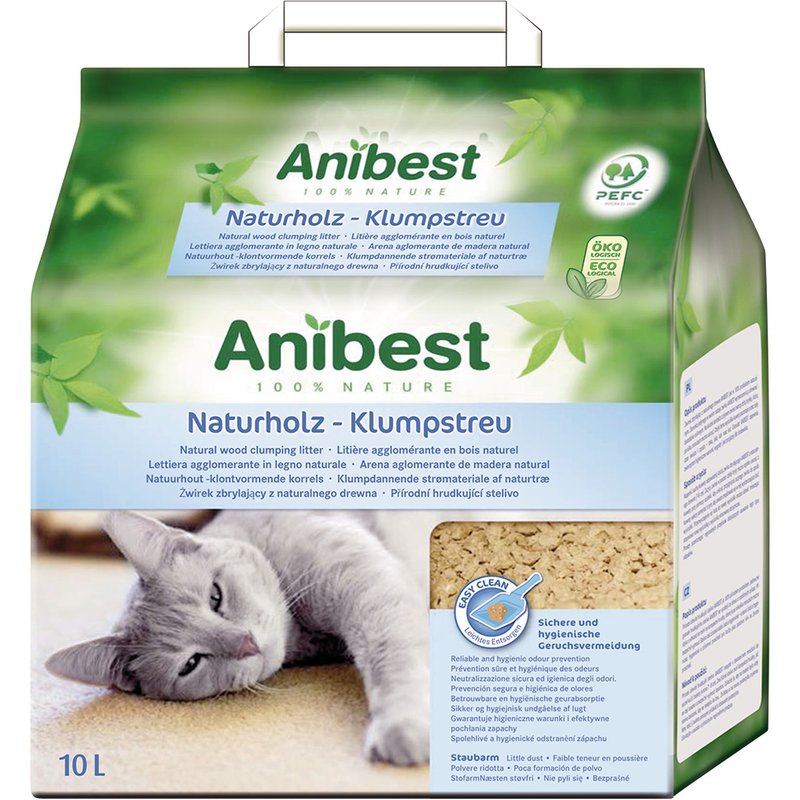
- Wood: either pellets, which break down into sawdust when wet, or clumping wood fibre, such as Cat’s Best. Light, low in dust and usually suitable for the garden waste bin or compost, depending on your council.
- Paper pellets: soft, very low in dust and often used after surgery, for kittens or for cats with sore paws. Odour control is modest.
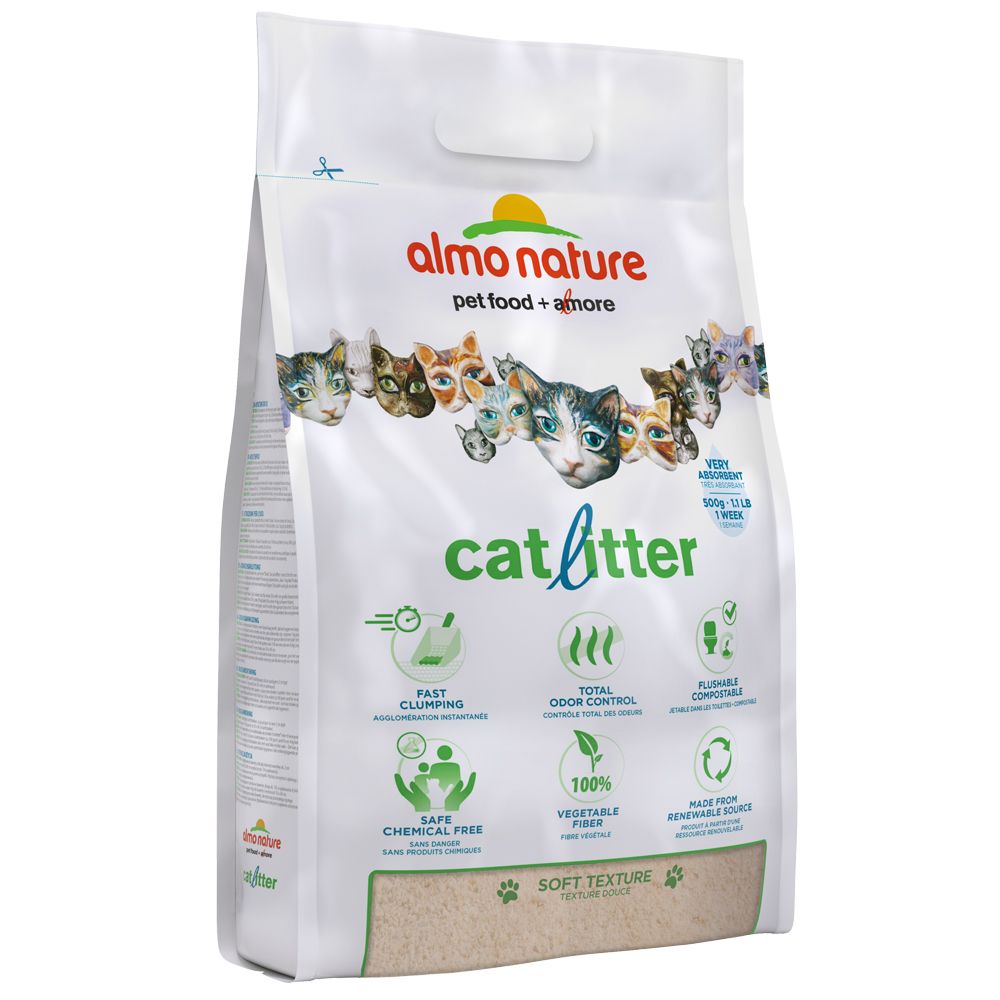
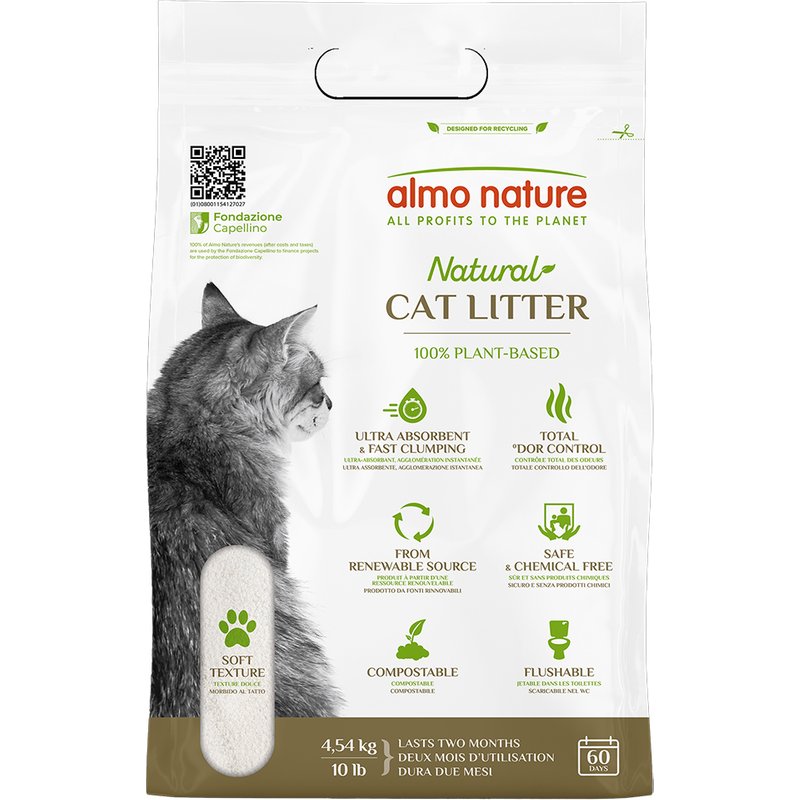
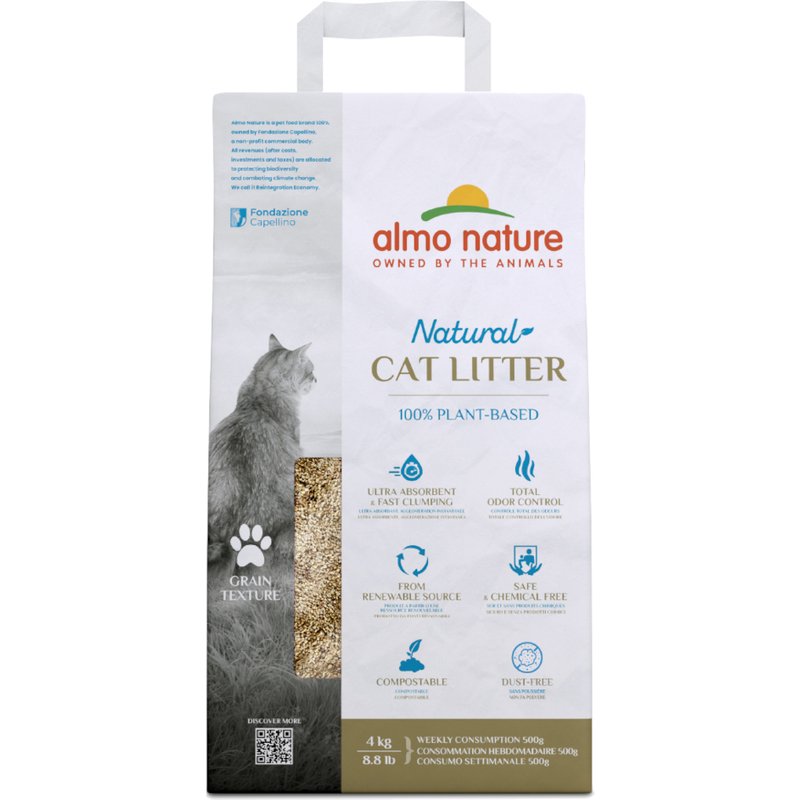
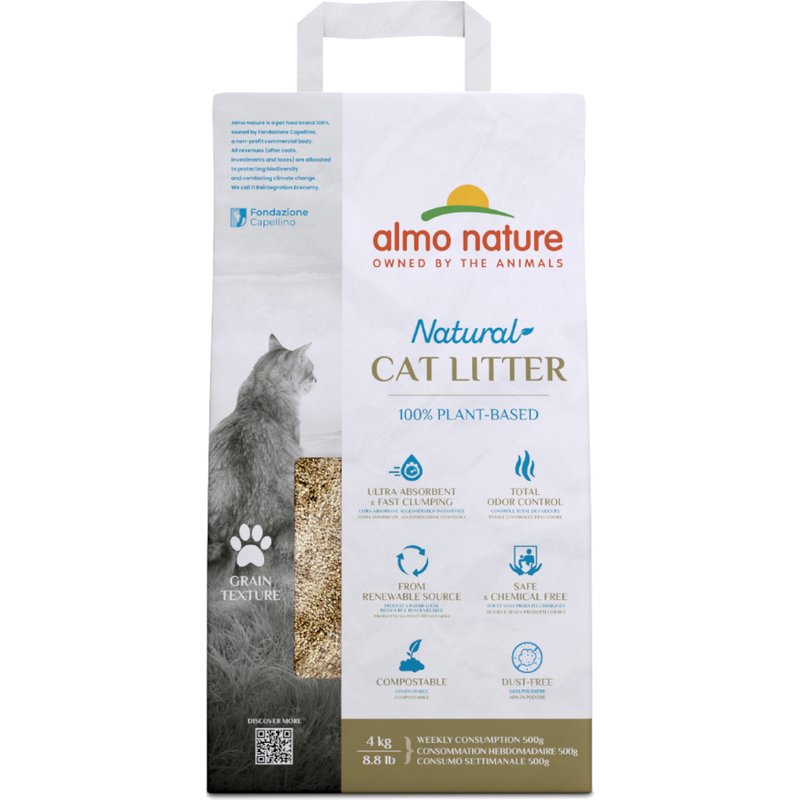
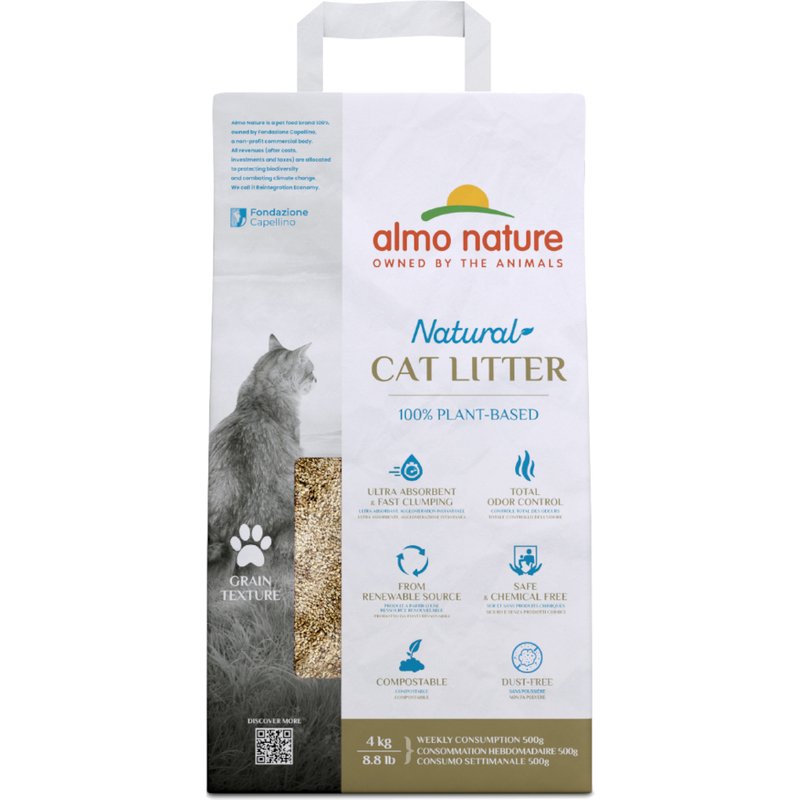
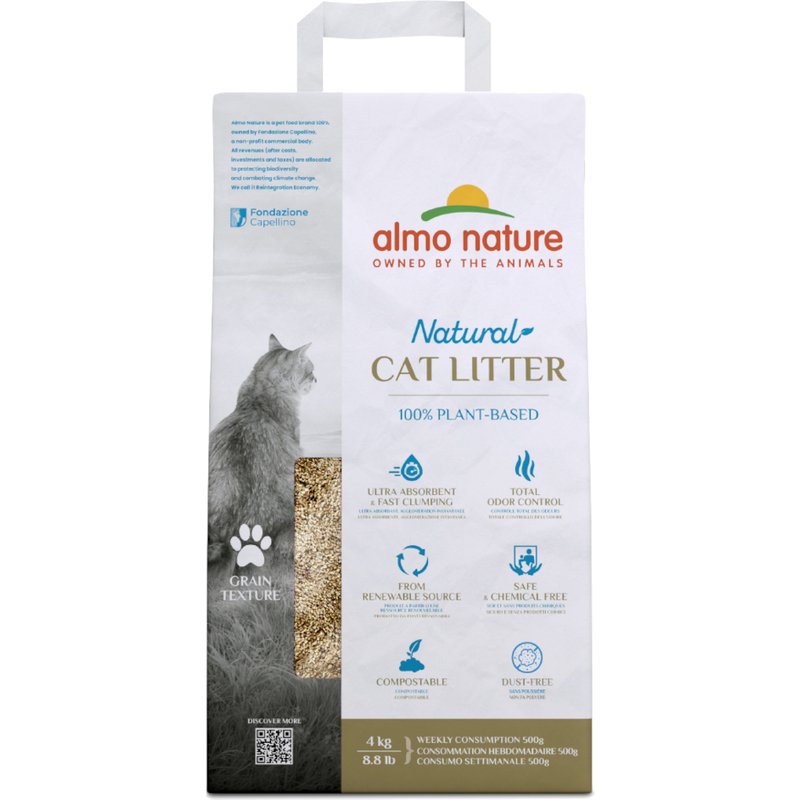
- Plant-based clumping: made from corn, soya or other plant fibre. Lighter than clay and often compostable or suitable for the green bin, but check the pack and your council’s rules.
Bag sizes: litres and kilos
Litter is sold by volume or by weight, and the two do not compare directly because the materials have very different densities. A 40 litre bag of clumping wood litter weighs around 17 kg, while a 30 litre bag of paper pellets weighs around 11 kg. What fills the tray is the volume, so compare price per litre. Clumping litters stretch further because you only remove the soiled clumps.
Using litter well
Fill the tray to a depth of at least 3 to 4 cm so your cat can dig and cover. Scoop at least once a day and top up as needed. Clumping litter can go longer between full changes, but empty and wash the tray regularly with mild, unscented soap and hot water, not bleach or strong disinfectant.
To change litter type, mix a little of the new litter into the old and increase the proportion over a week or so. A sudden switch is a common reason for a cat to start going elsewhere.
Scent and odour
Scented litters smell pleasant to people but can put cats off, as a cat’s sense of smell is far stronger than ours. Odour is better handled with daily scooping, a clumping or absorbent litter, and enough trays. If the tray smells strongly even when clean, the litter may be too shallow or the tray too old and scratched.
Disposal and hygiene
Do not flush cat litter, even if it is labelled flushable. Water companies warn that it blocks sewers and that parasites in cat faeces are not removed by treatment. Bag it and put it in the general waste, or compost suitable plant-based litter away from food crops. Wear gloves or wash your hands after cleaning the tray. NHS advice is that pregnant women should avoid emptying cat litter trays where possible, because of the risk of toxoplasmosis.
Common questions
Which cat litter is best for odour?
Clumping clay and silica litters usually control smells best, because urine is locked away and can be removed daily. Wood and plant-based clumping litters also do well. Whatever the type, daily scooping and enough trays make more difference than added fragrance.
Can you flush cat litter down the toilet?
It is not recommended, even for litters sold as flushable. UK water companies warn that litter can block sewers and that parasites from cat faeces are not removed by water treatment. Bag it for the general waste or compost suitable plant-based litter away from food crops.
How often should I change all the litter?
Scoop daily and top up. Non-clumping litter usually needs a full change at least weekly, while clumping litter can go longer because only the soiled clumps are removed. Wash the tray with mild unscented soap whenever you empty it completely.
What litter is best for kittens?
Many owners start kittens on a soft, unscented, non-clumping or paper litter, because young kittens sometimes taste their litter. Use what the breeder or rescue used at first, in a low-sided tray, and change gradually if you want to switch.