
Bowl materials
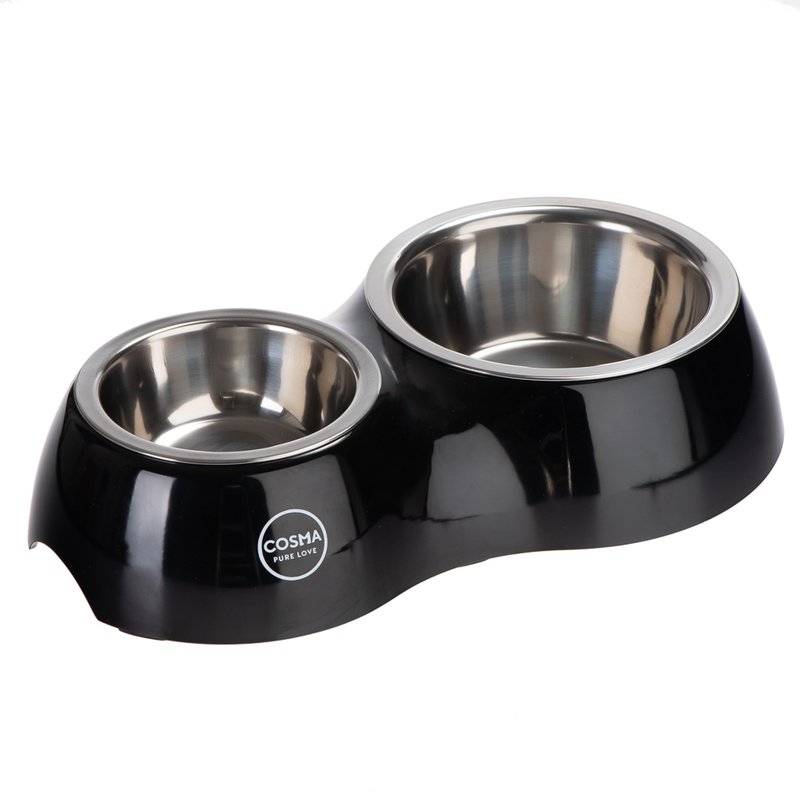
- Stainless steel: hard-wearing, does not scratch easily and goes in the dishwasher. A good default for food and water.
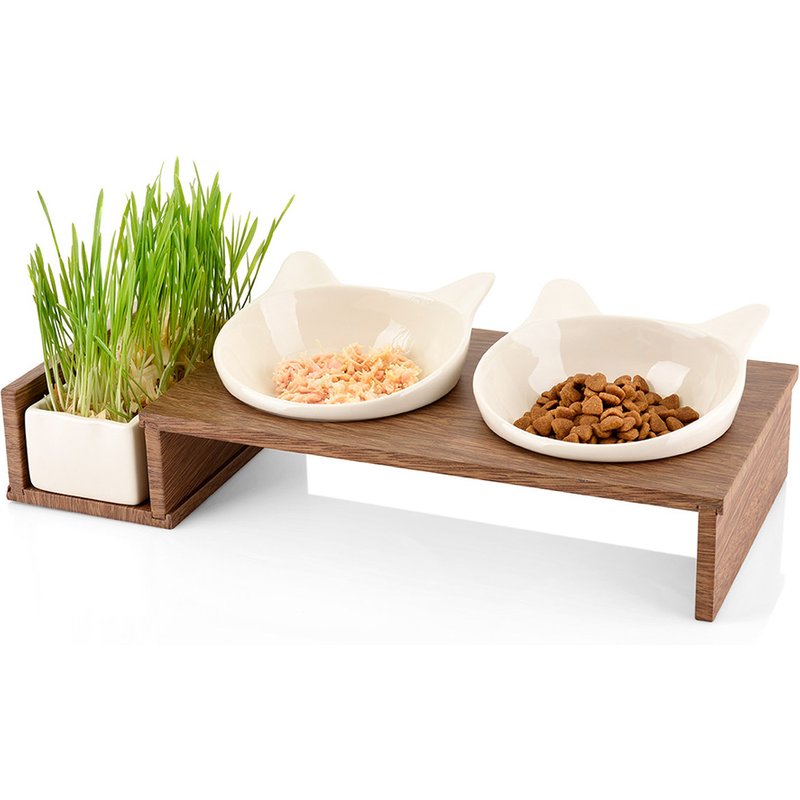
- Ceramic: heavy, so it does not slide around, and easy to clean. Check the glaze is food-safe and replace bowls that chip or crack.
- Plastic and melamine: light and cheap, but plastic scratches, and scratches are hard to clean. Some vets link plastic bowls to chin acne in cats.
- Glass: easy to clean and lets you see the water level, but can break.
Shape and size
Cats generally prefer wide, shallow dishes where their whiskers do not brush the sides and they can see around them while eating. A saucer-style bowl suits most cats. Flat-faced breeds such as Persians and Exotic Shorthairs find it easier to eat from a shallow, tilted dish made for short-nosed cats. Raised bowls can help older cats with stiff necks or joints.
Where to put water
Many cats prefer not to drink right next to their food, and none want water near the litter tray. Put at least one water bowl in a different room from the food, and in larger homes provide several water stations. Refill water daily and wash food bowls after every meal, especially for wet food.
Drinking fountains
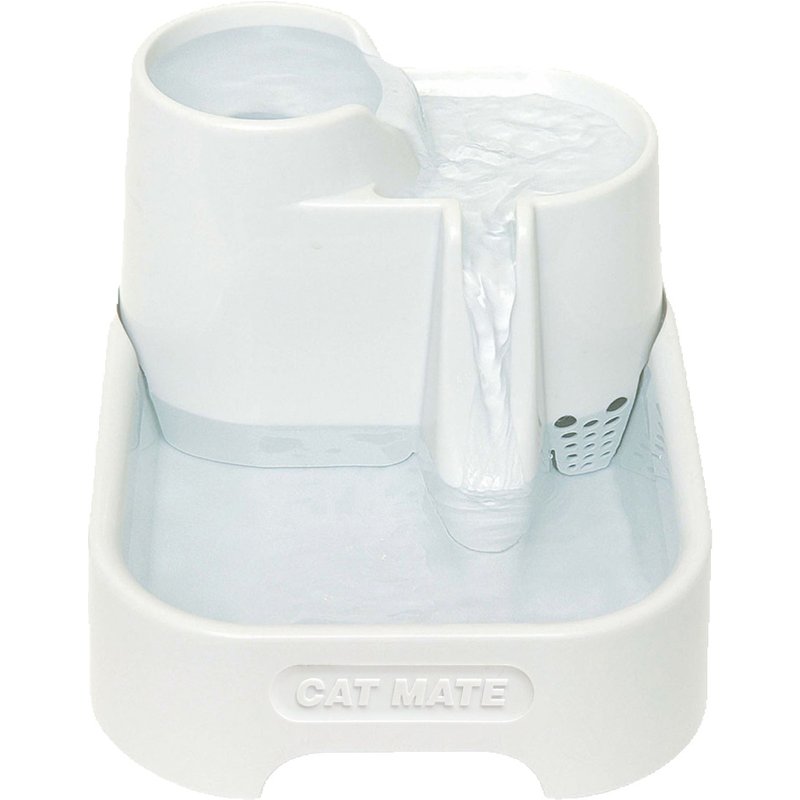
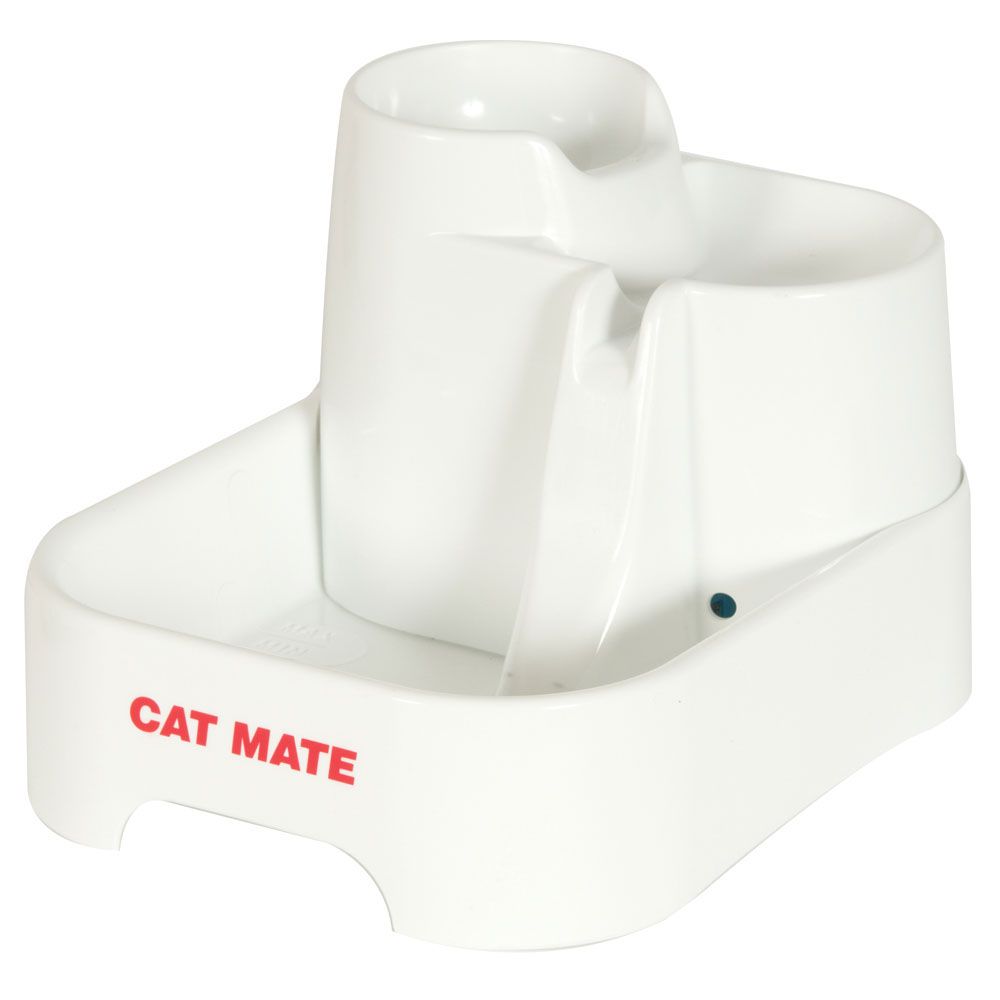
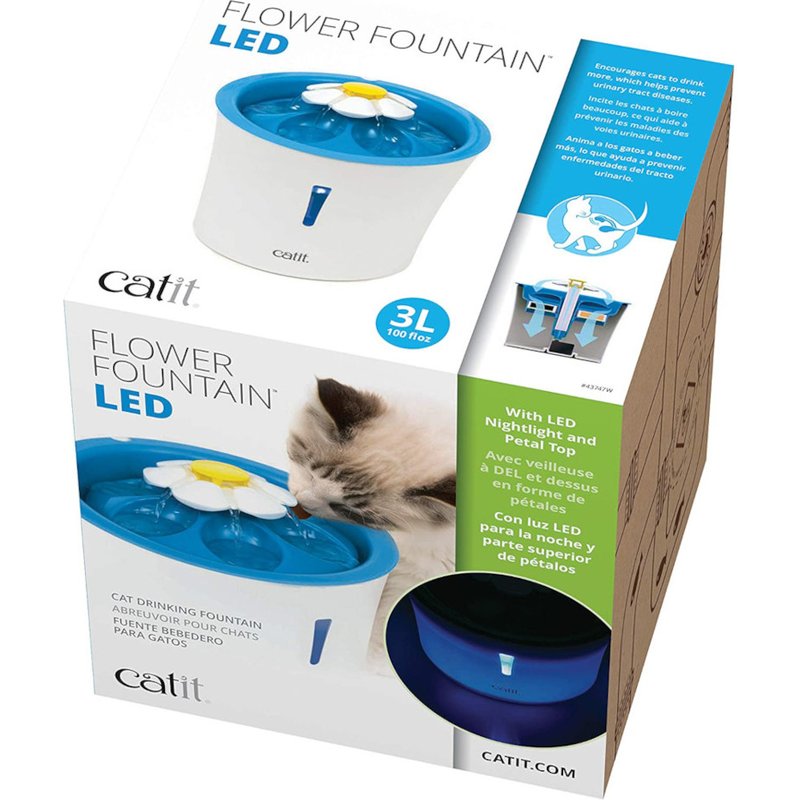
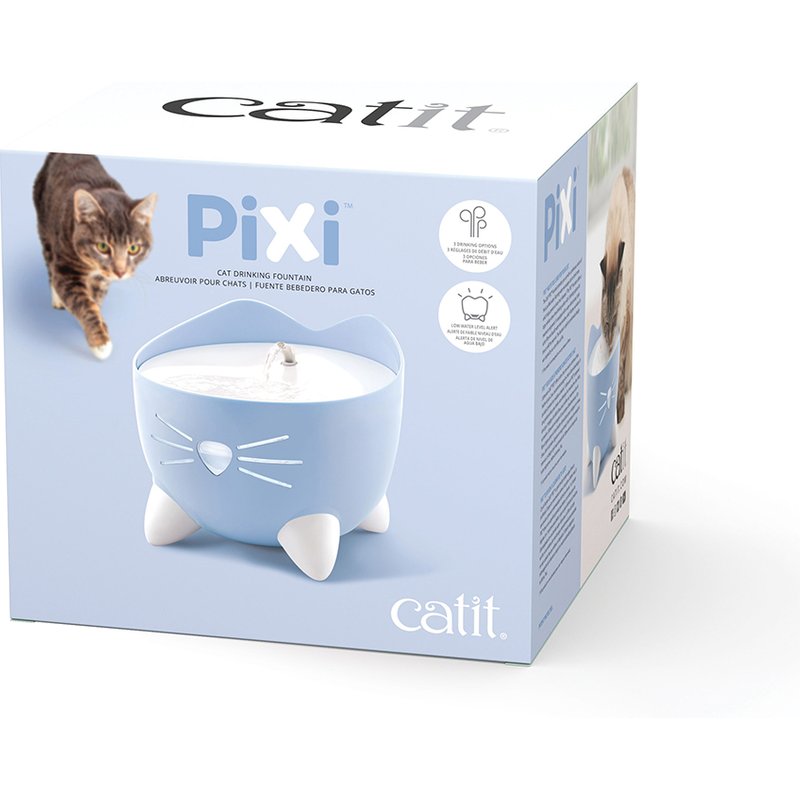
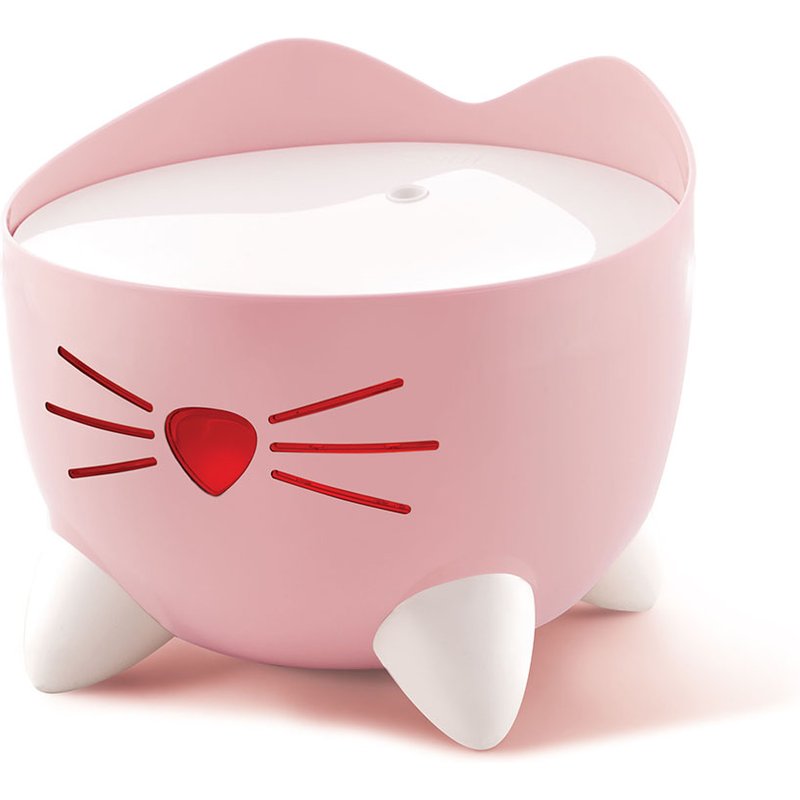
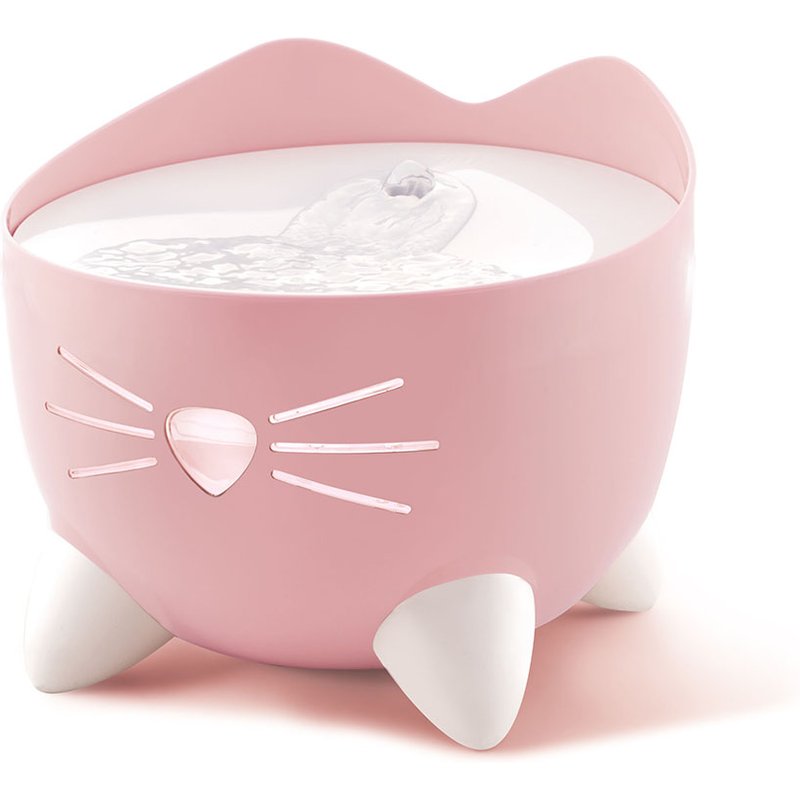
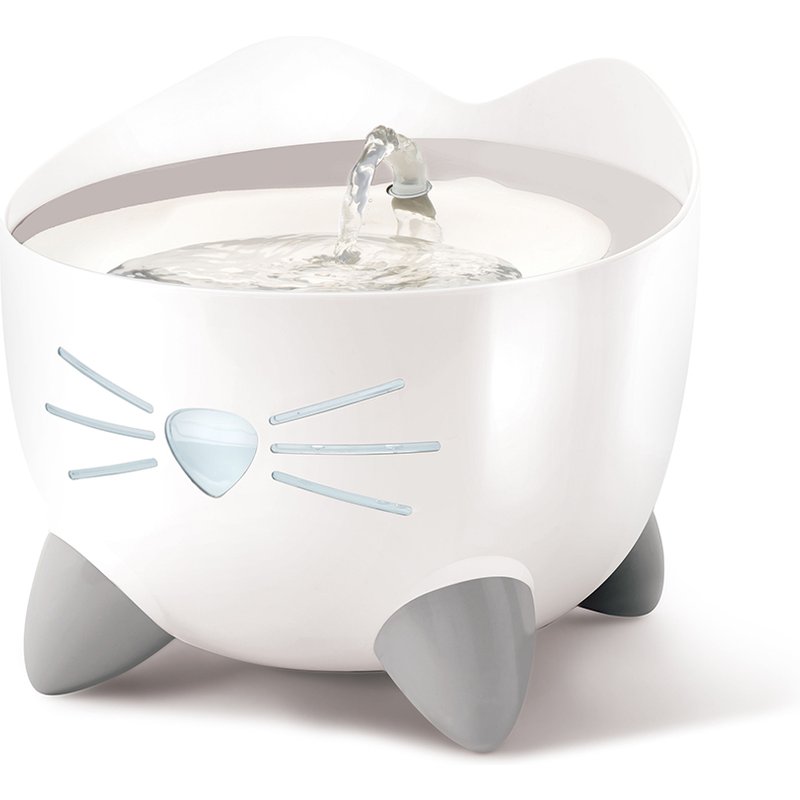
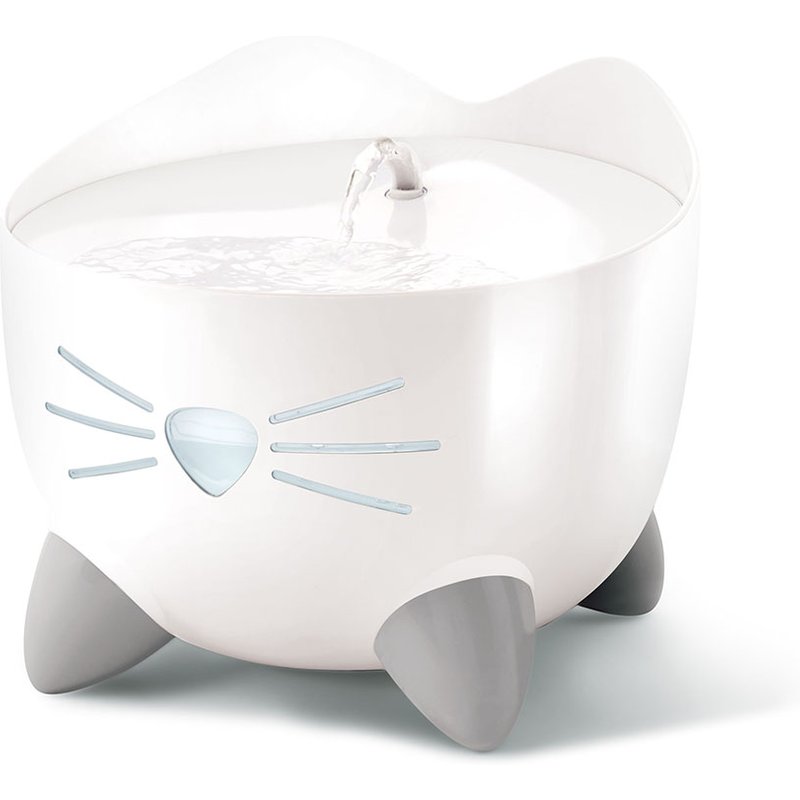
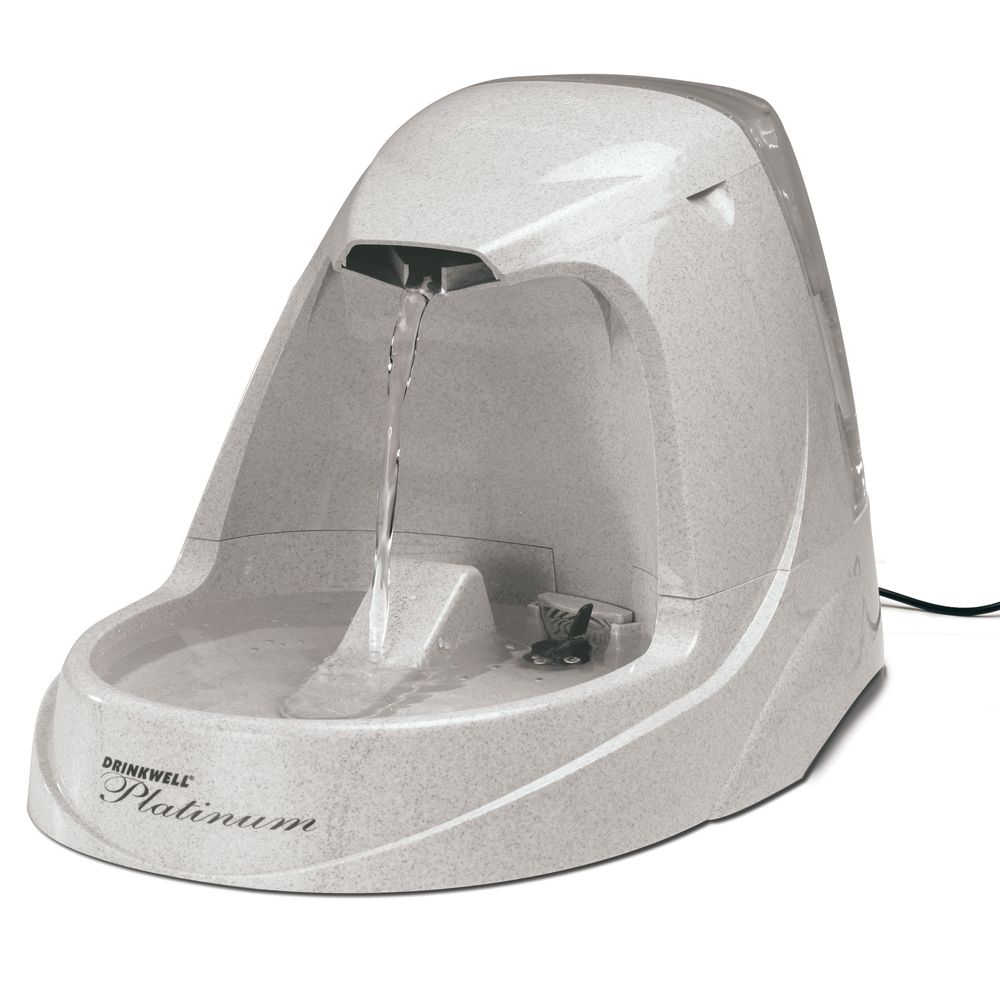
A fountain keeps water moving and filtered, and many cats drink more readily from it, though not every cat takes to one. Points to compare:
- Capacity: around 2 litres suits one or two cats; larger models of 3 litres or more mean fewer refills in multi-cat homes
- Material: plastic is cheaper, ceramic and stainless steel are easier to keep clean
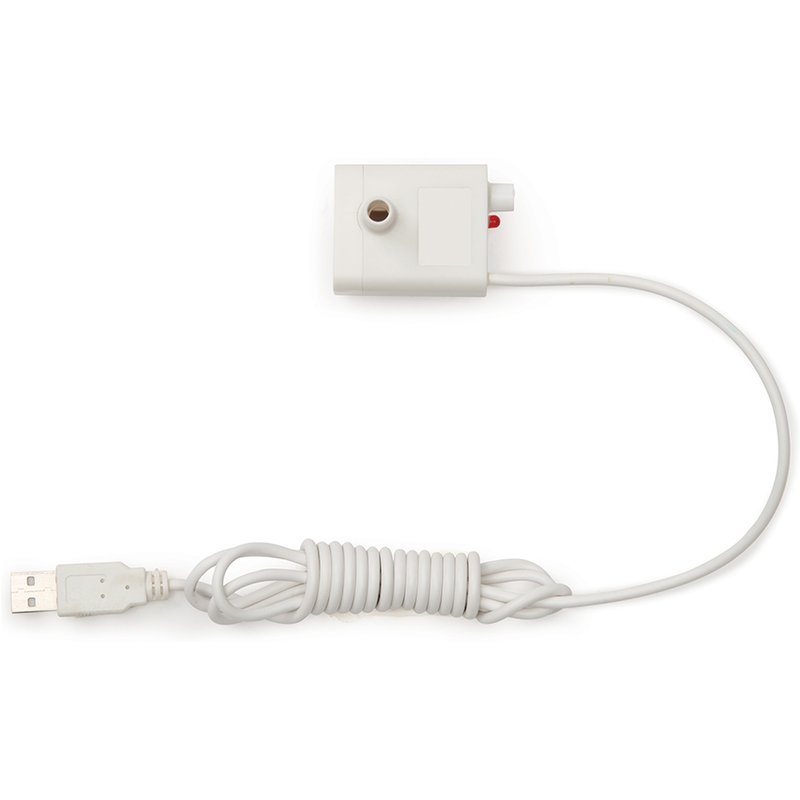
- Noise: check the pump is quiet, especially for a bedroom or small flat
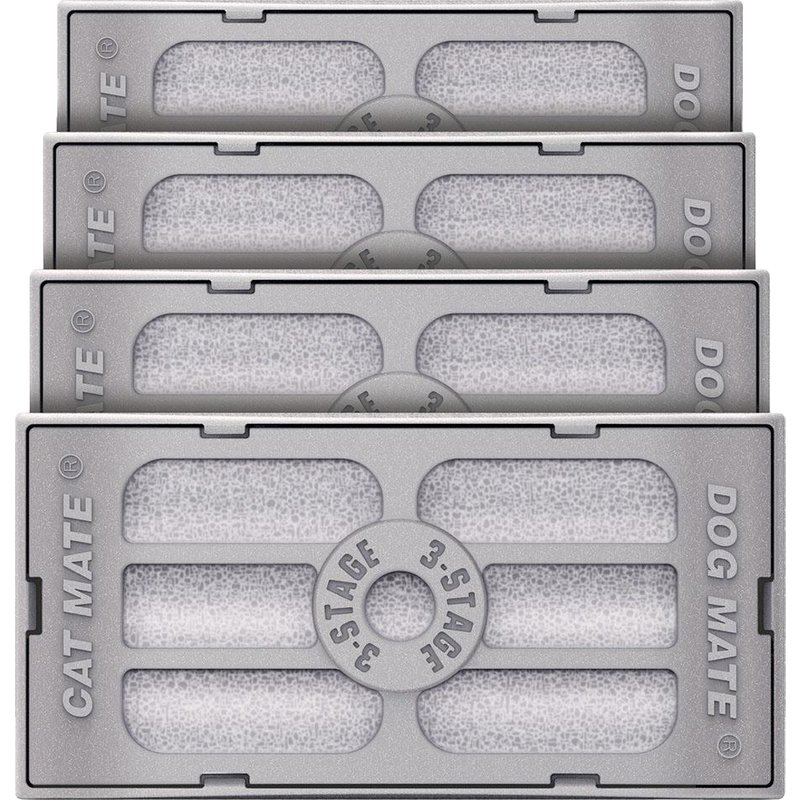
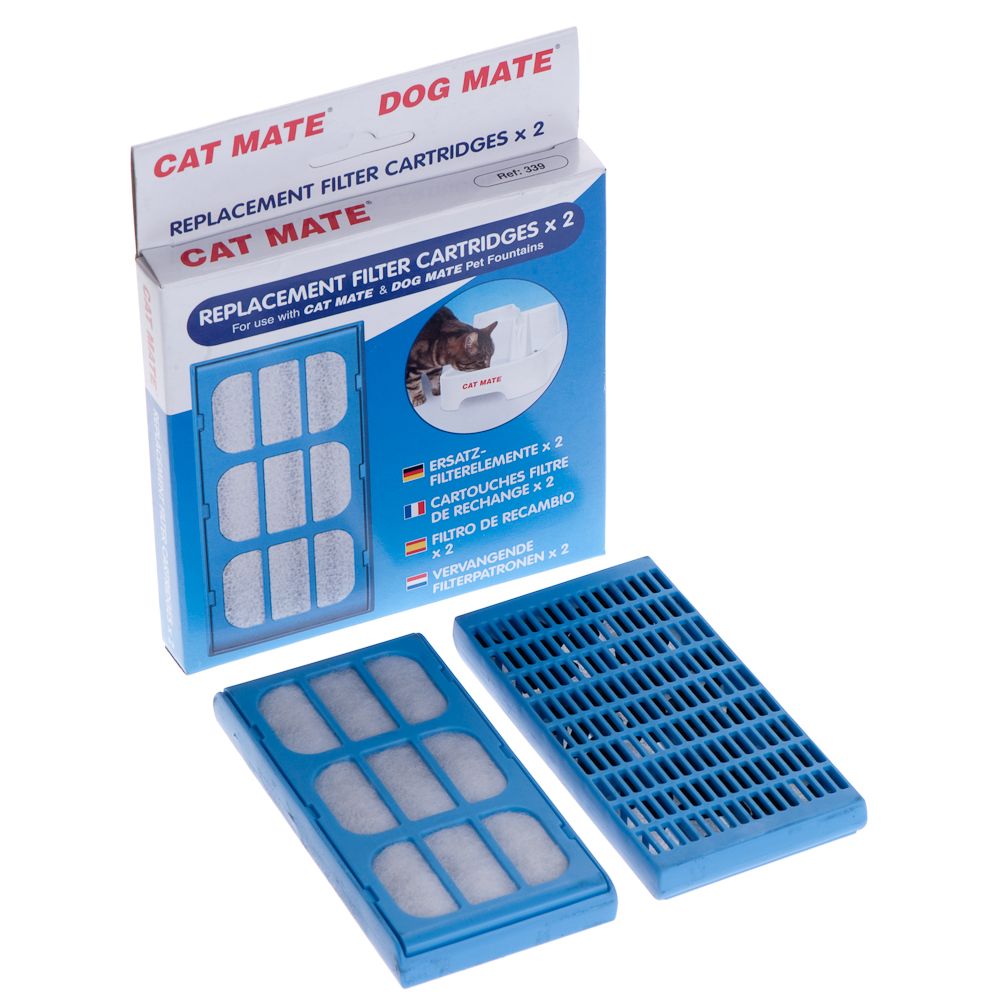
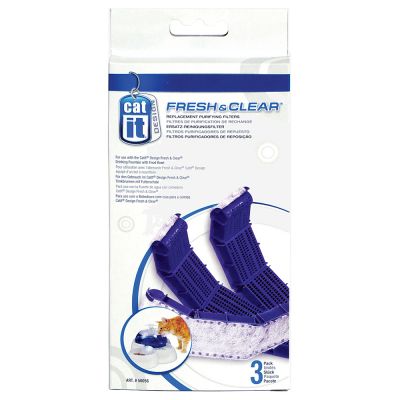
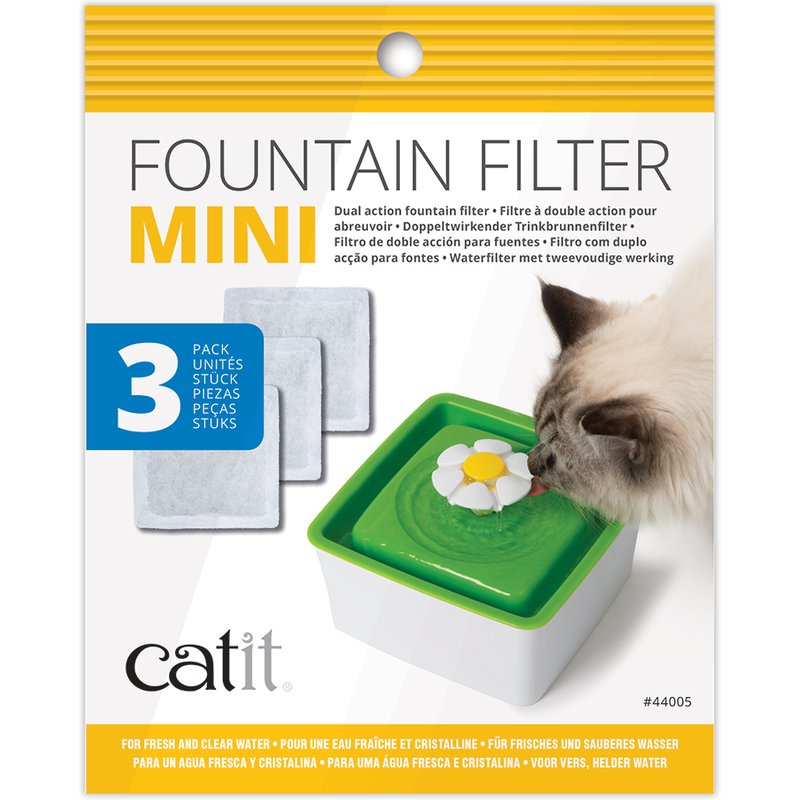
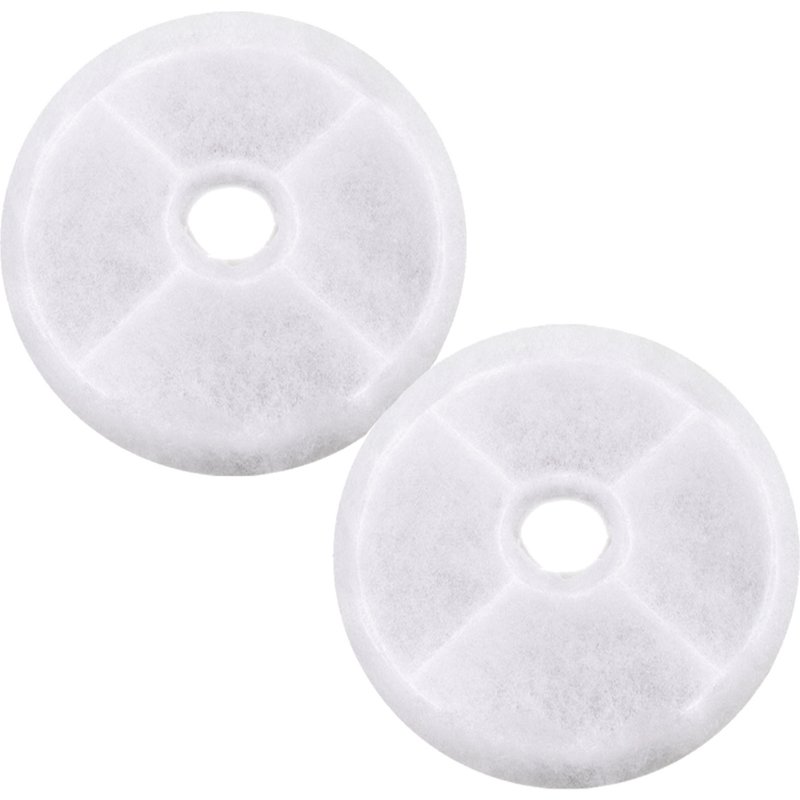
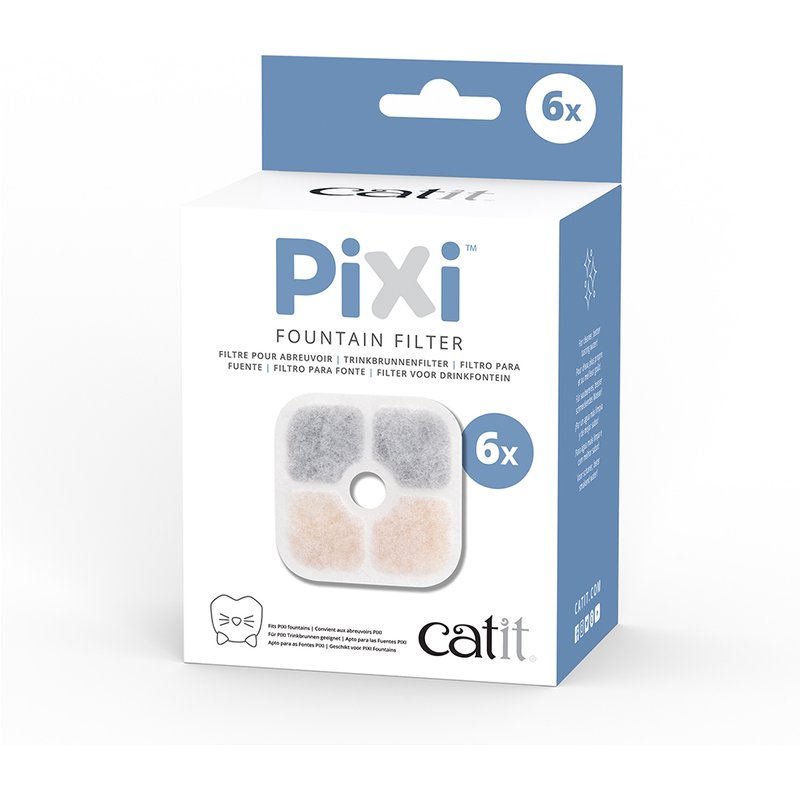
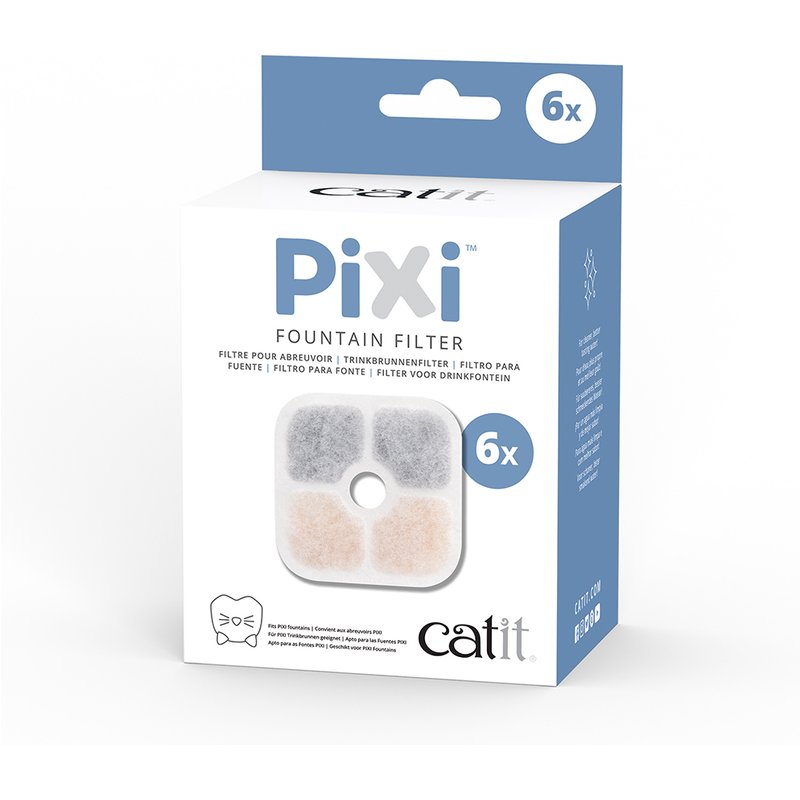
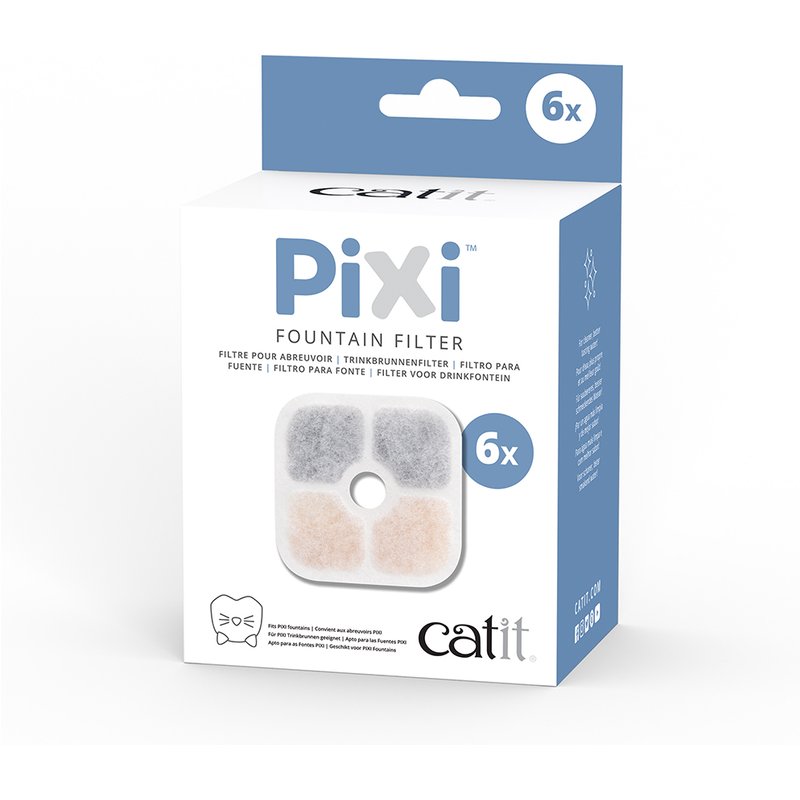
- Filters: the ongoing cost; replace them on the maker’s schedule
Take a fountain apart and clean the pump and bowl regularly, as slime builds up in the parts you cannot see. Check the water level daily so the pump never runs dry. Only put water in a fountain.
Automatic and microchip feeders
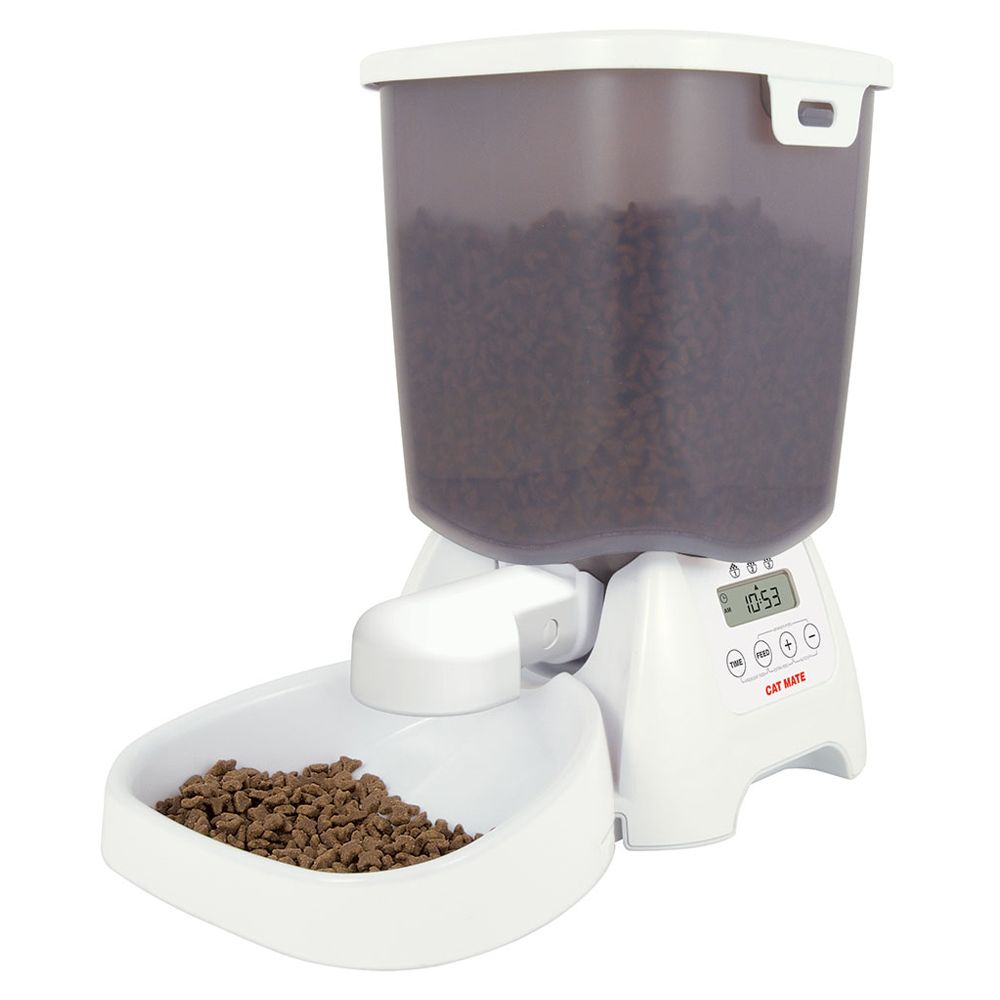
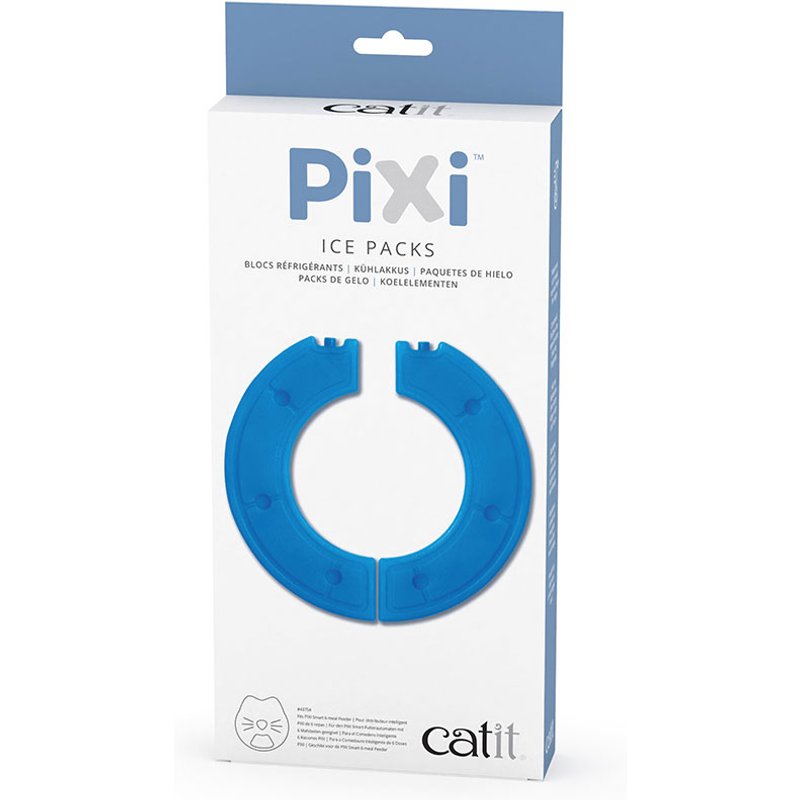
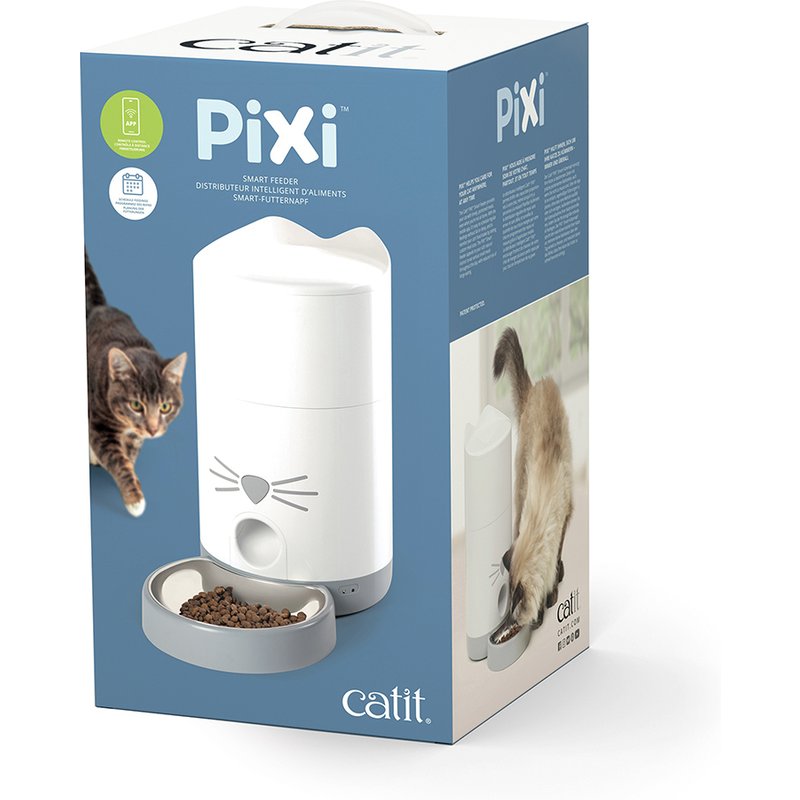
Timed feeders with several compartments open one meal at a time. Some have an ice pack under the dishes so wet food stays fresh for a few hours. Hopper feeders hold several kilos of dry food and release portions on a schedule. Run a new feeder for a few days while you are at home before relying on it, and keep spare batteries.
Microchip feeders open only for a registered cat’s microchip or collar tag. They are the practical answer in a multi-cat home where one cat is on a veterinary diet or one cat steals the others’ food.
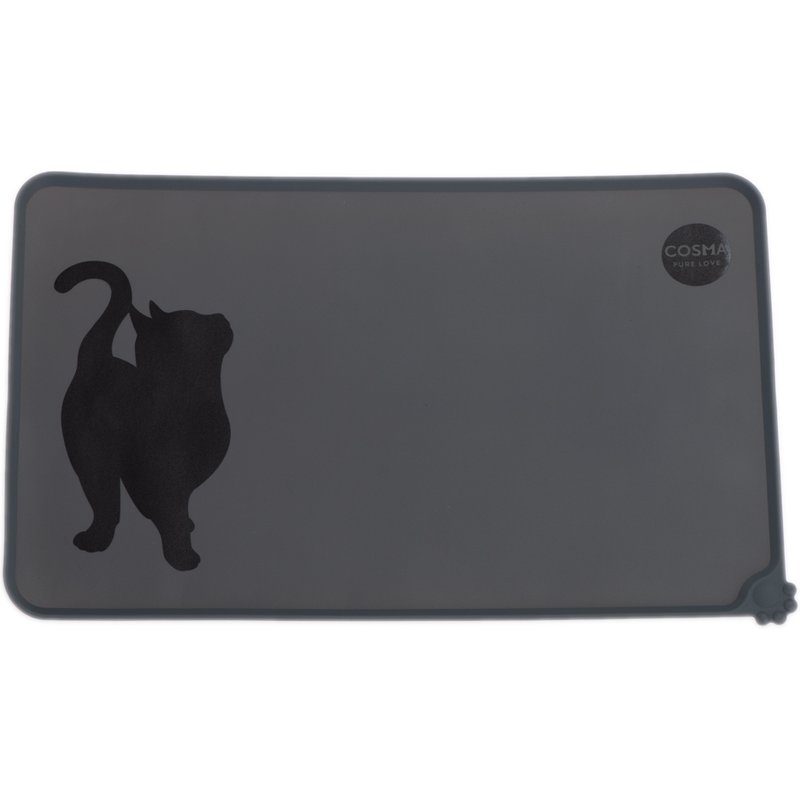
A placemat under the bowls protects the floor, a lid for opened cans keeps leftovers fresh in the fridge, and an airtight container keeps dry food from going stale.
Common questions
Do cats drink more from a water fountain?
Many cats are drawn to moving water and drink more readily from a fountain, but not all of them. It is worth trying for cats that drink little or eat mainly dry food. Keep a normal water bowl down too until you know your cat uses the fountain.
What is the best material for a cat bowl?
Stainless steel and ceramic are the easiest to keep clean and the most durable. Plastic is cheap but scratches, and scratched plastic is harder to clean. Whatever the material, wash bowls daily.
How often should I change a cat fountain filter?
Follow the manufacturer’s schedule, which is usually every few weeks and is printed on the filter pack. Replace it sooner if the water looks cloudy or the flow slows. Clean the pump and bowl at the same time.
Why won’t my cat drink water from its bowl?
Common reasons are water placed right next to the food, a bowl that is too narrow or deep, stale water or a strong-smelling cleaning product. Try a wide bowl in a different room or a fountain. If your cat suddenly drinks much more or much less than usual, see your vet.