

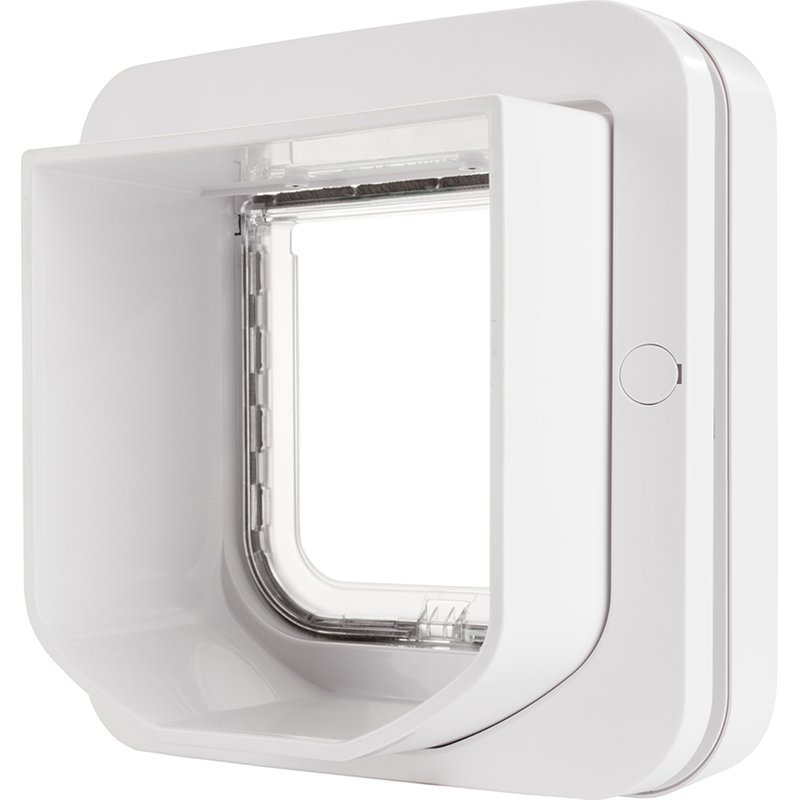
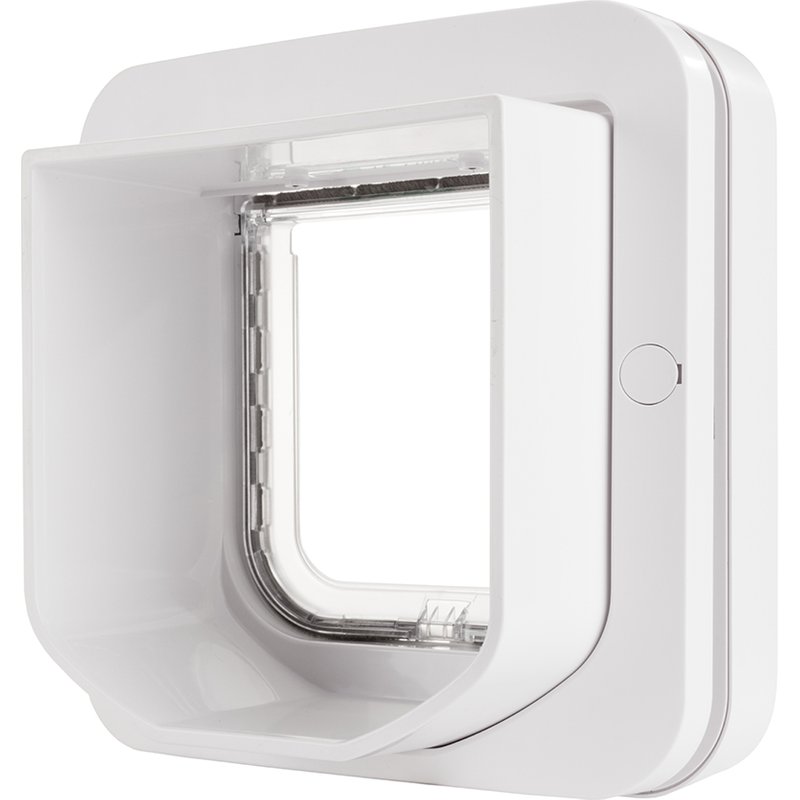
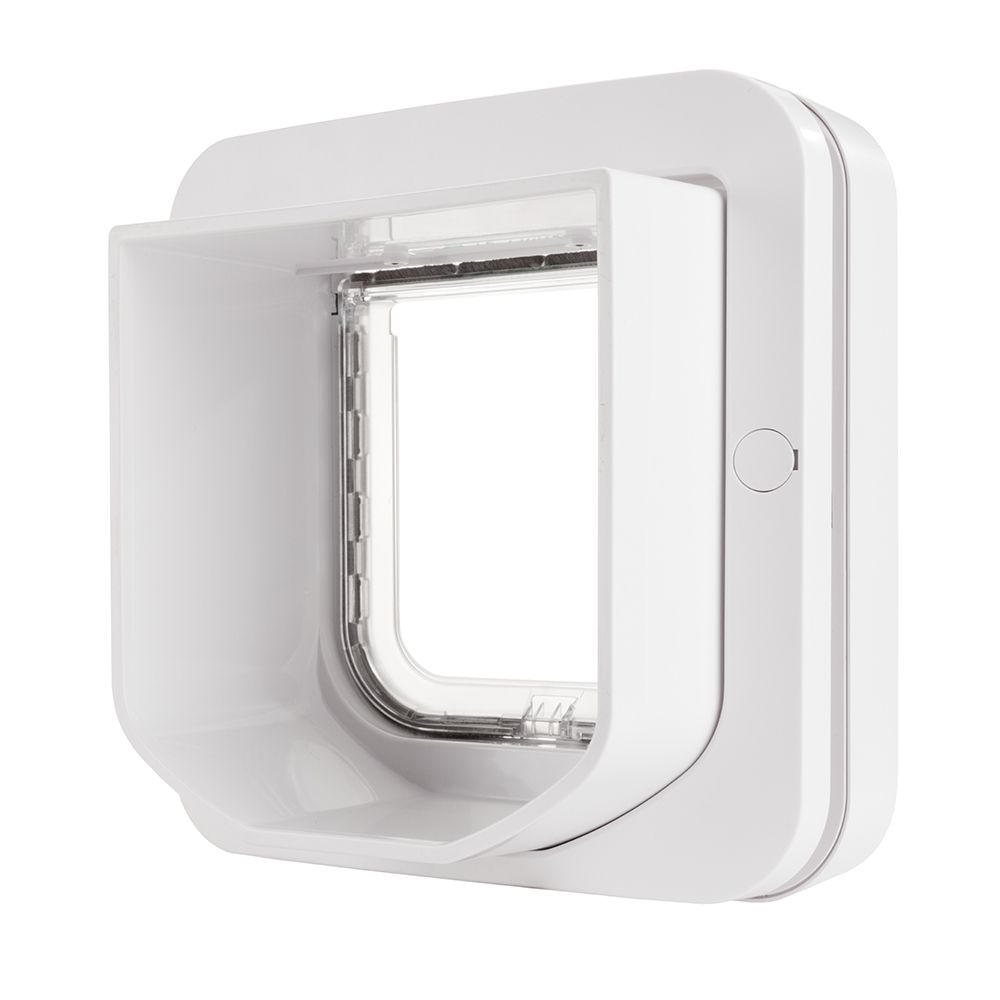
Types of cat flap
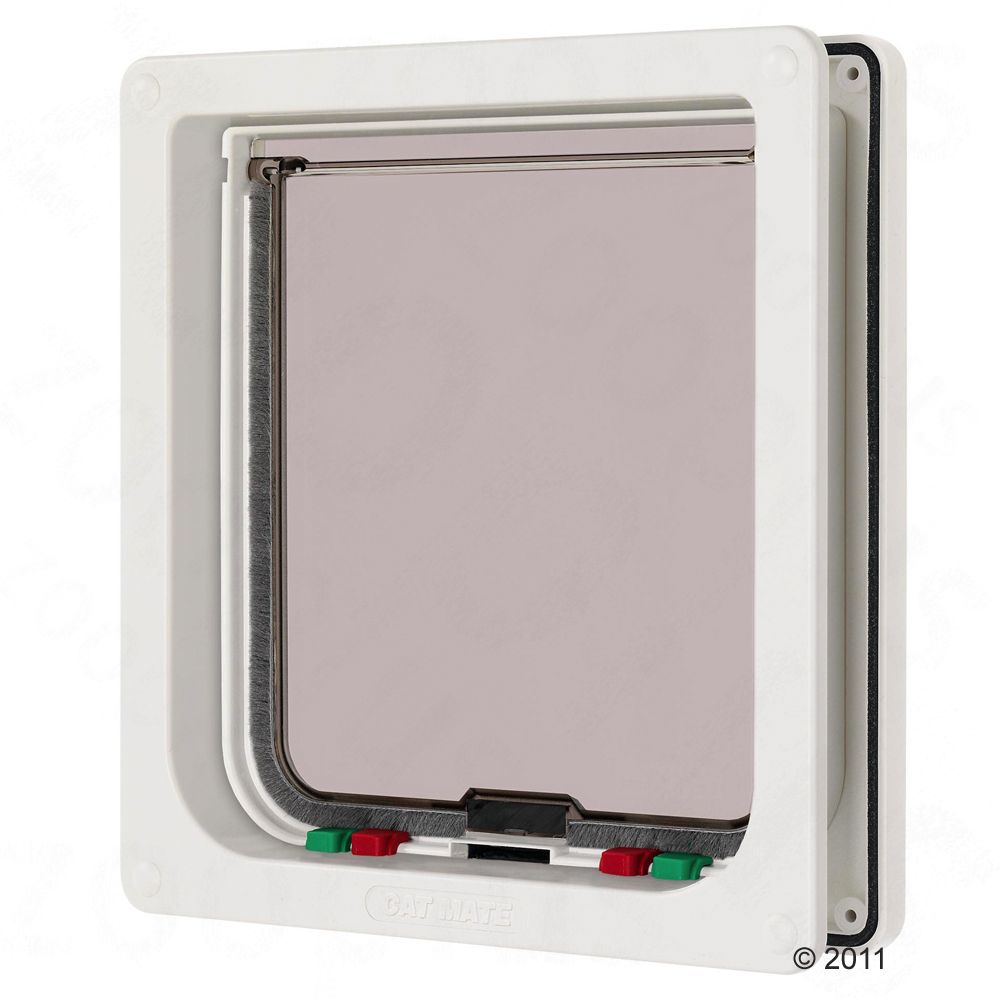
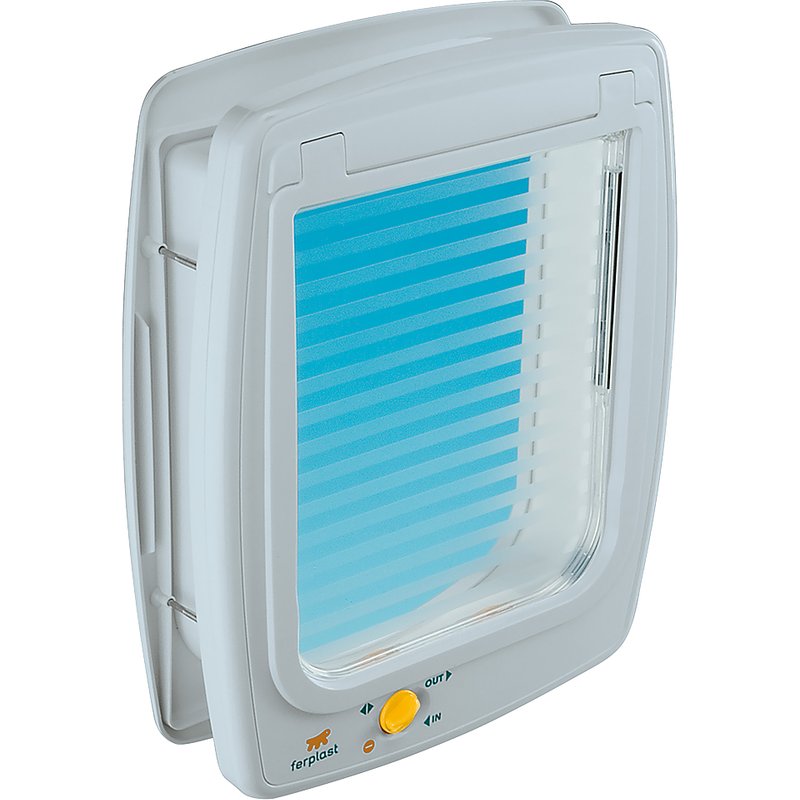
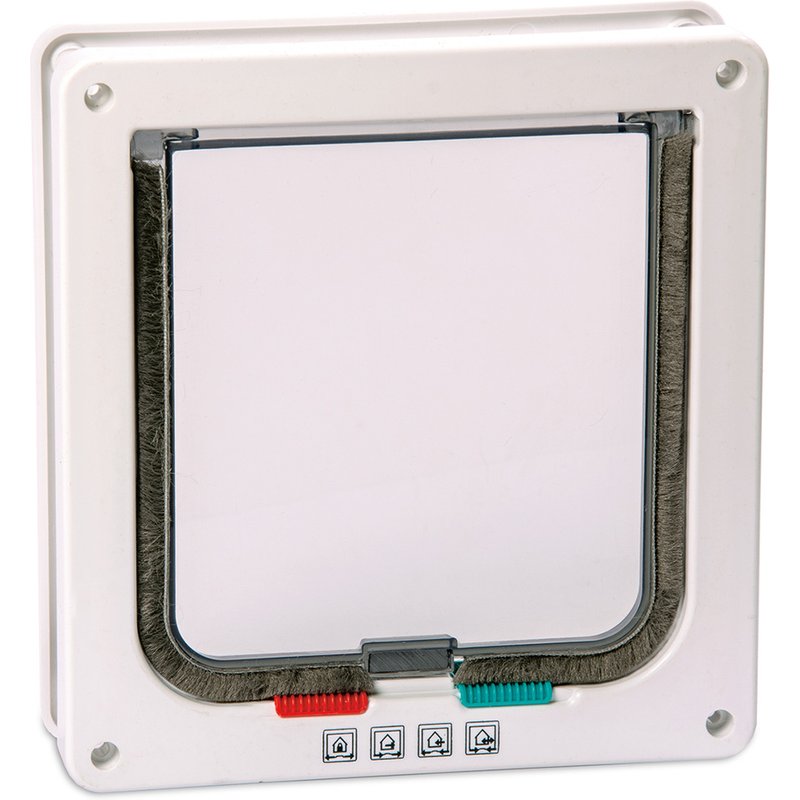
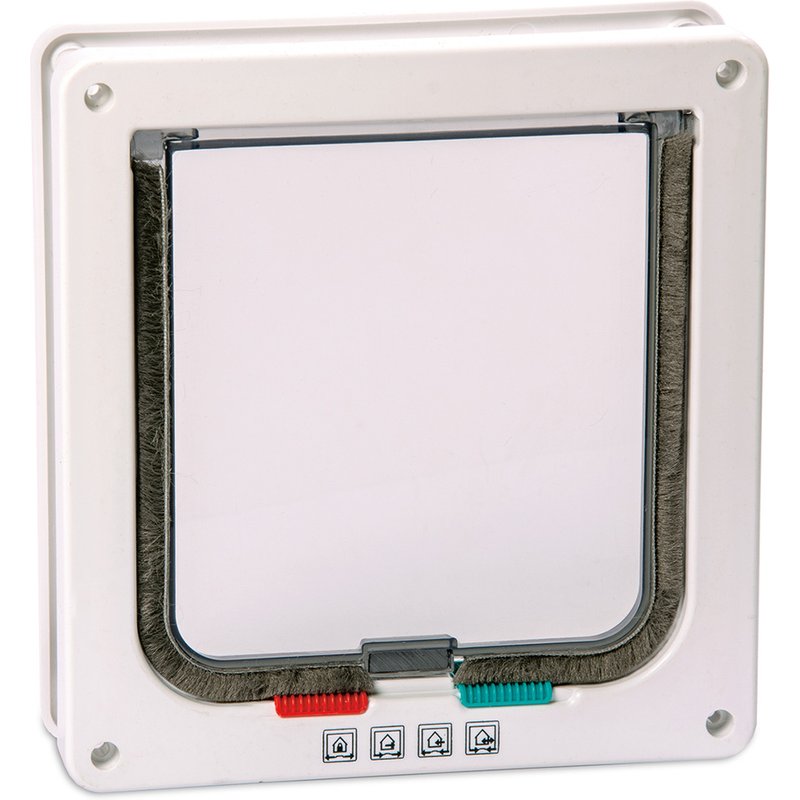
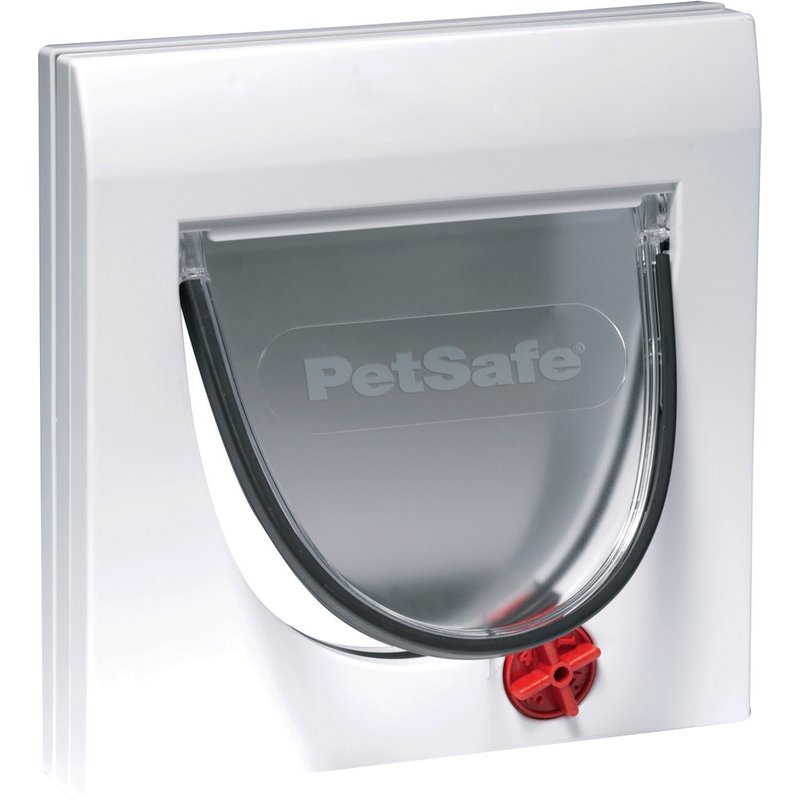
- Manual flaps: a simple swinging flap, usually with a 2-way or 4-way lock. A 4-way lock lets you set in only, out only, in and out, or fully locked. Cheap and reliable, but any cat can use them.
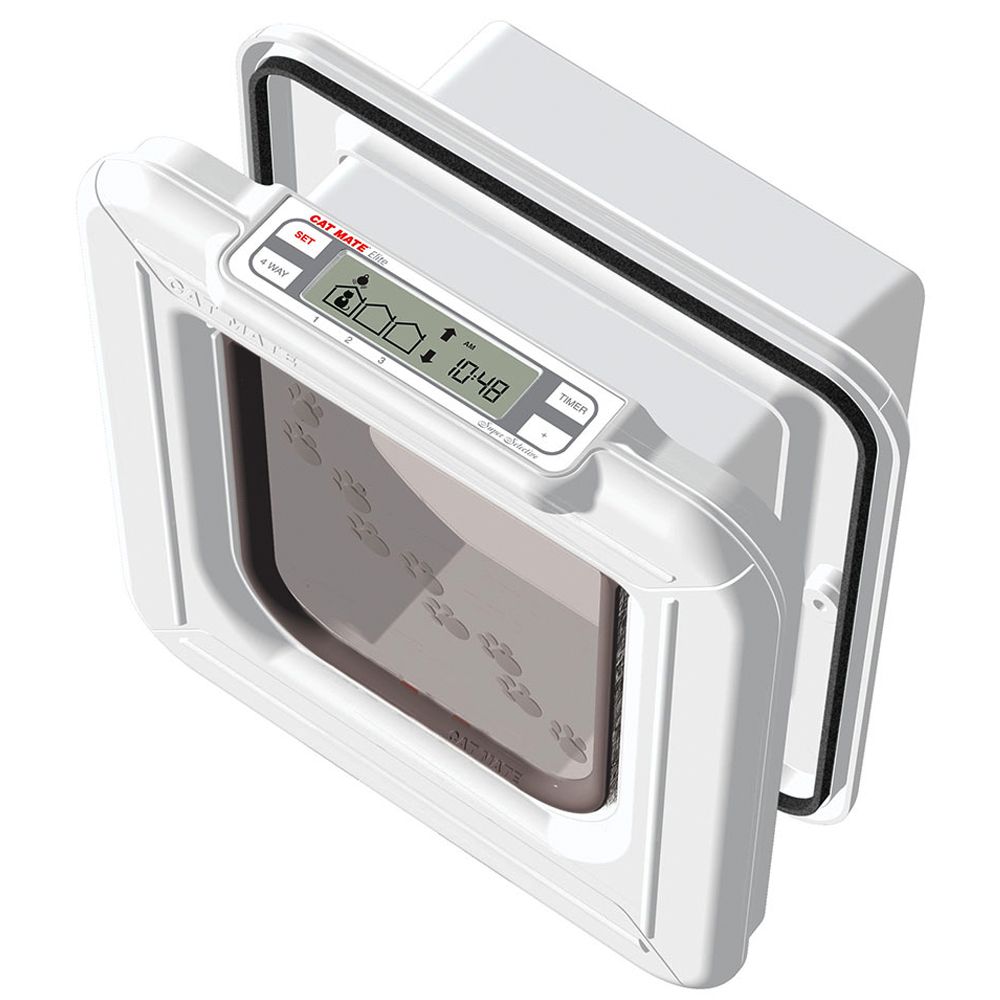
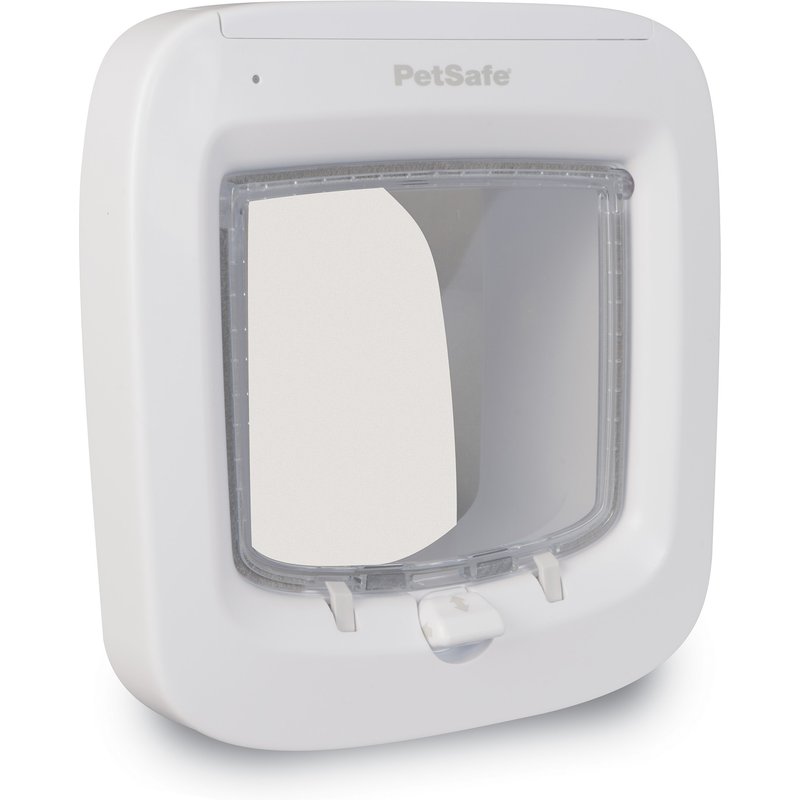
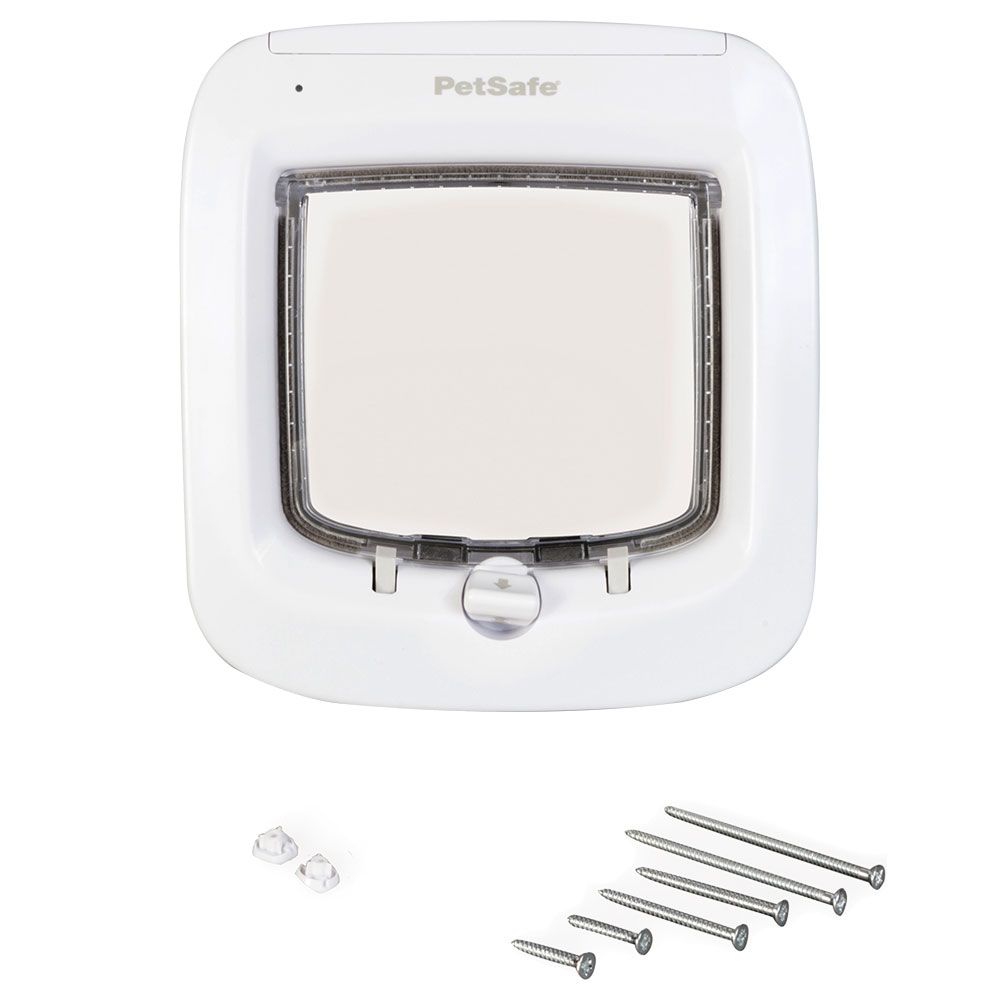
- Microchip flaps: read the microchip already implanted in your cat and only let registered cats in. Models such as the SureFlap Microchip Cat Flap store up to 32 cats and read the common 9, 10 and 15 digit chip formats. Cats without a compatible chip can use an RFID collar tag instead.
- Timer and curfew flaps: microchip flaps that also lock and open automatically at set times, for example to keep cats in at night.
- App-connected flaps: work with a hub so you can see when your cat comes and goes and lock the flap from your phone.
- Large pet doors: a bigger opening for large breeds such as Maine Coons, or for cats that share with a small dog.
Since cats in England must now be microchipped by 20 weeks of age, a microchip flap needs no extra collar for most cats. It is the most effective way to stop neighbourhood cats coming in and eating your cat’s food.
Measuring and position
Measure your cat’s widest point and its height from belly to top of the shoulders, and check the flap’s actual opening size, not just the outer frame. Fit the flap so the bottom of the opening sits at about the height of your cat’s belly, so it can step through rather than climb.
What you are fitting into
- Wooden doors: the most straightforward installation
- uPVC and composite doors: possible, but check the panel thickness and whether you need a liner or adaptor
- Walls: need a tunnel; most flaps sell tunnel extensions to cover the wall thickness
- Glass: an existing double-glazed unit or toughened glass cannot be cut. A glazier makes a new unit with the hole already in it, and many flaps need a mounting adaptor for glass
Microchip flaps run on batteries, usually AA. Fit good-quality batteries, keep spares and watch for the low battery warning.
Teaching your cat
Prop the flap open at first and tempt your cat through with treats or a toy. Then lower it so your cat learns to push, with you helping from the other side. Most cats learn within days, though nervous cats may need longer. Microchip flaps make a small clicking sound as the lock releases, which some cats need time to get used to.
Cat nets
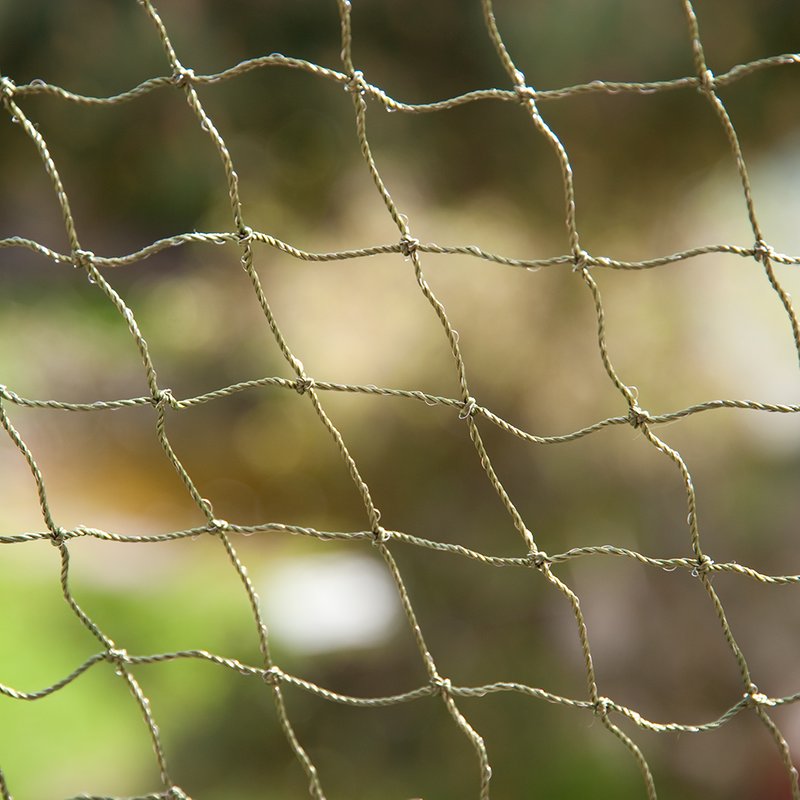
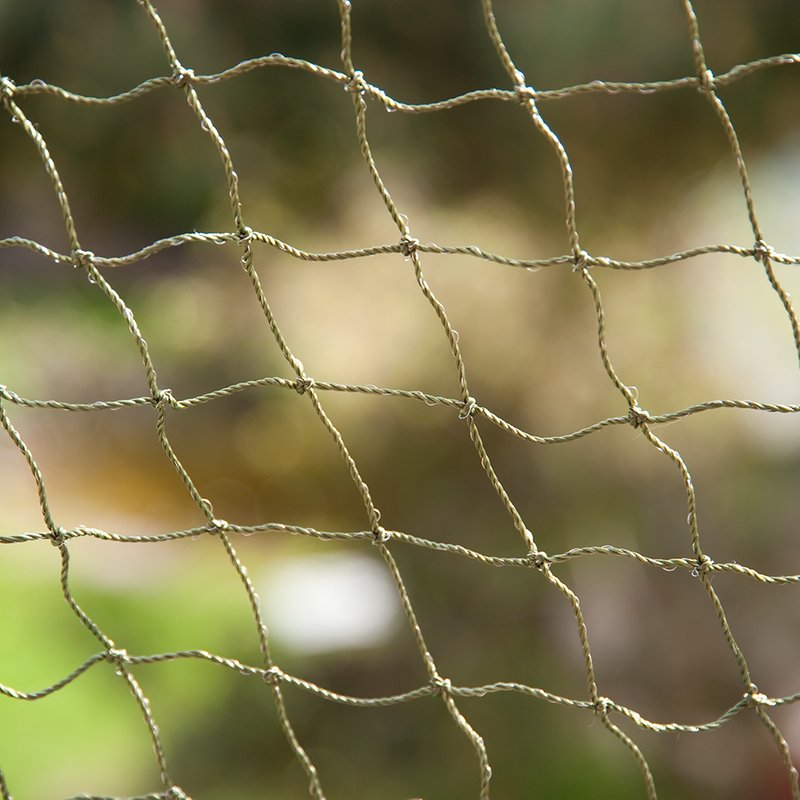
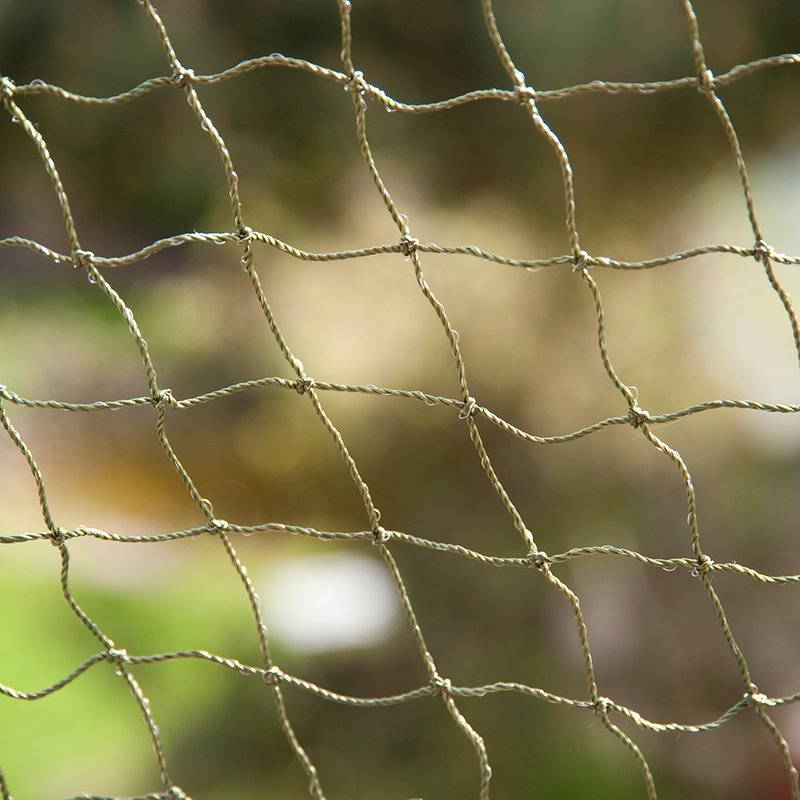
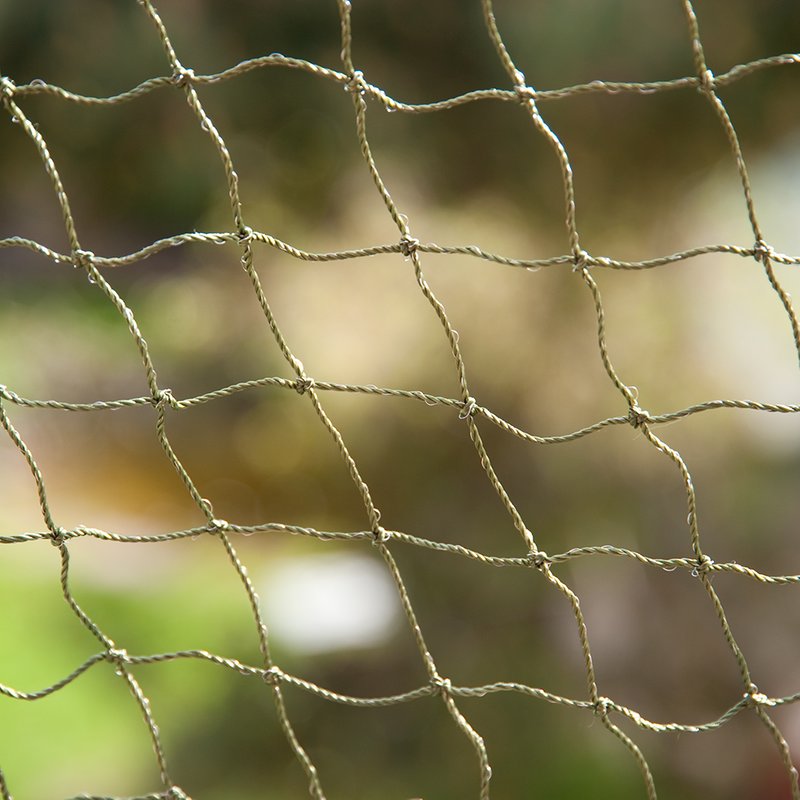
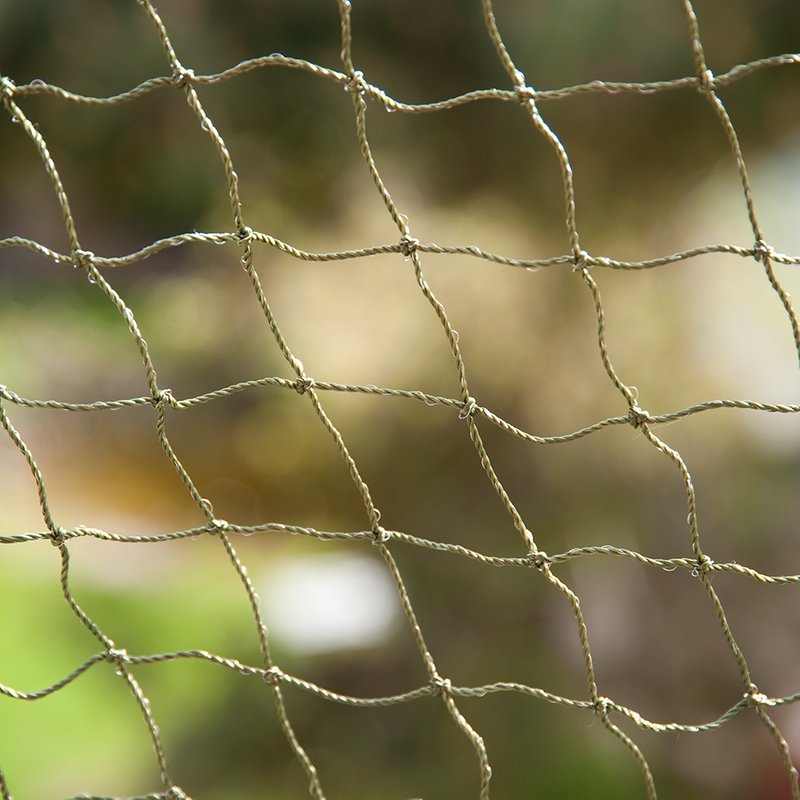
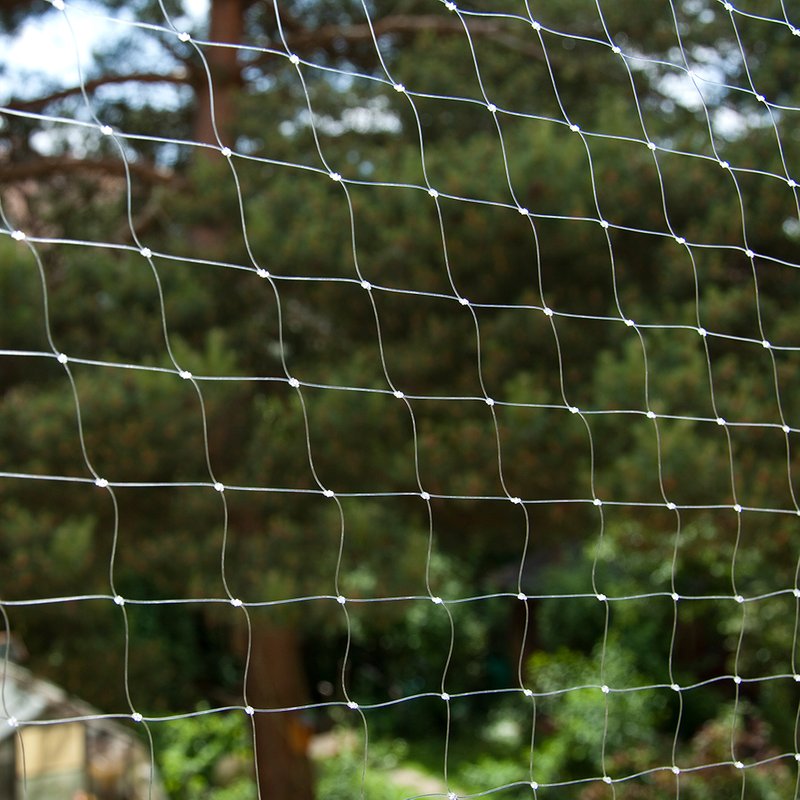
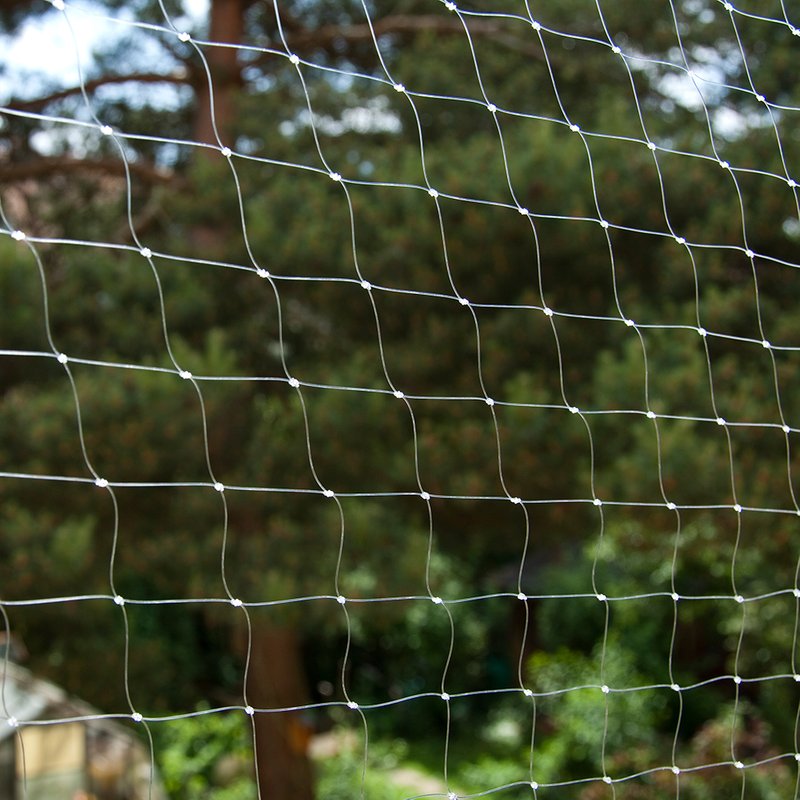
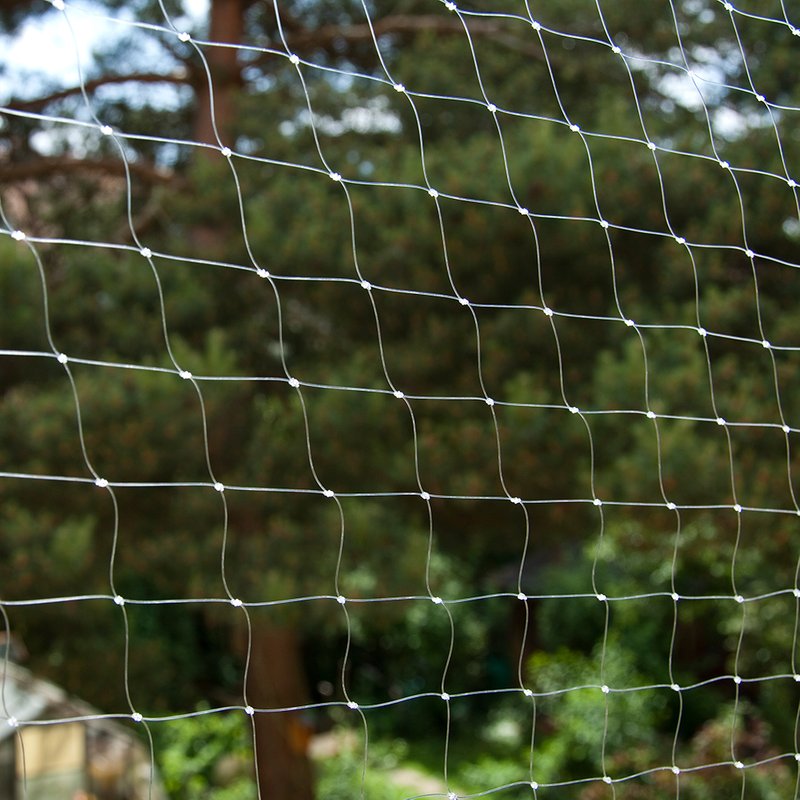
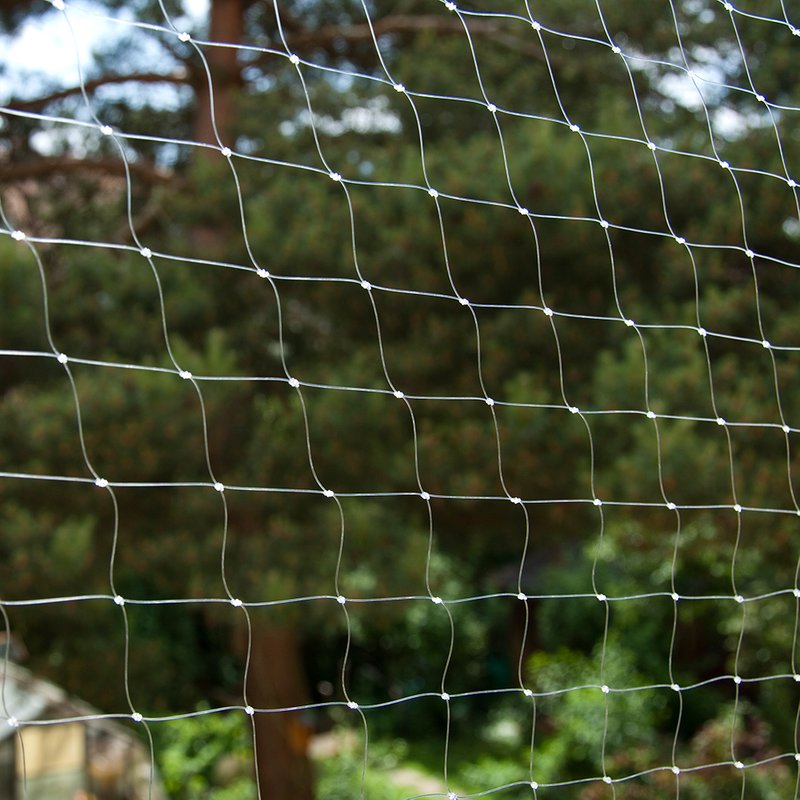
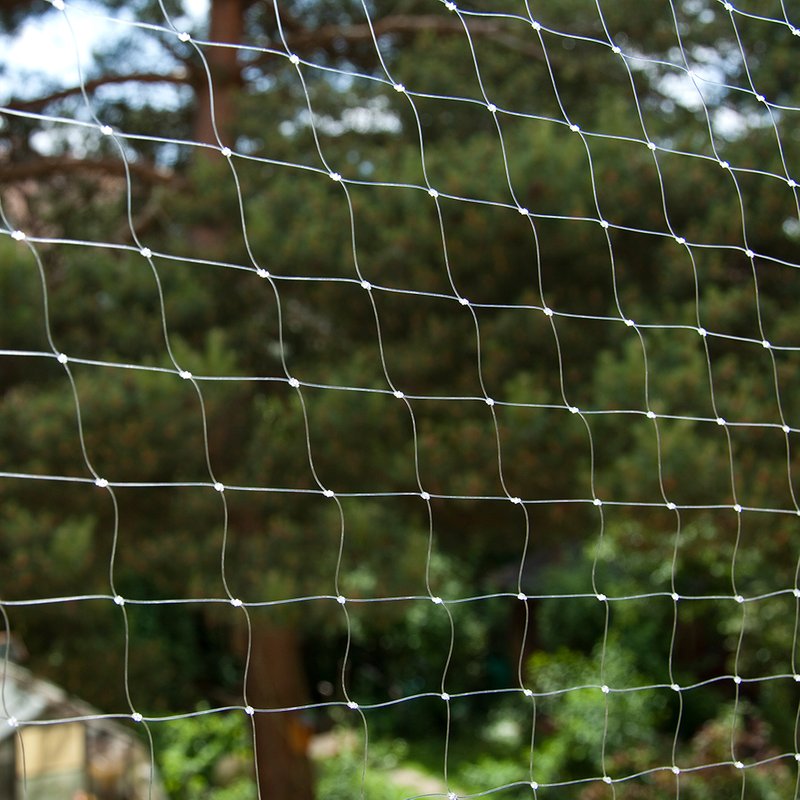
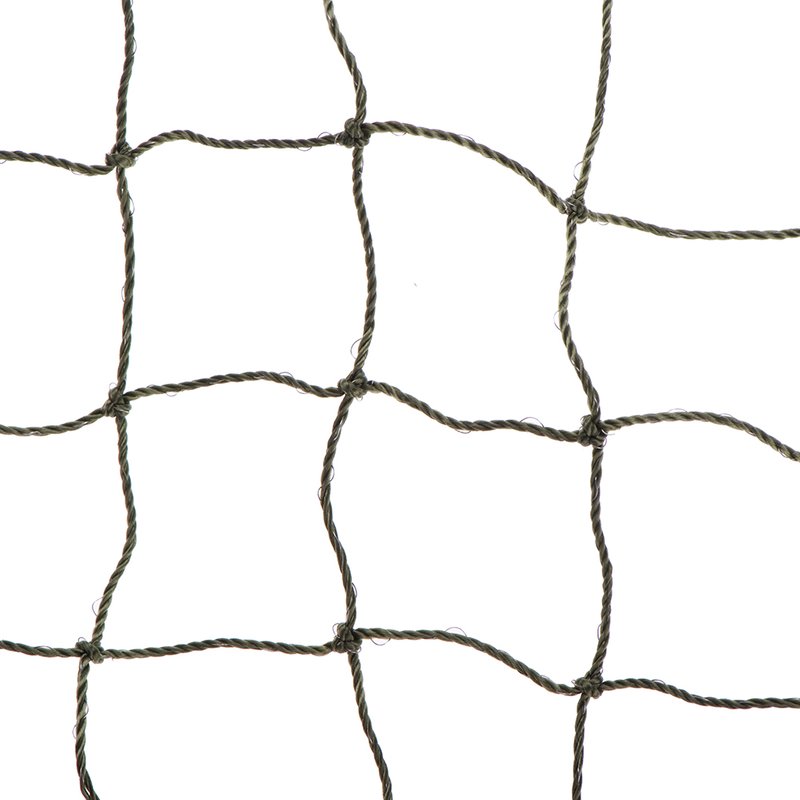
Nets for balconies, windows and garden areas keep indoor cats from falling or wandering off. Choose a net sold for cats, ideally bite-resistant or wire-reinforced, with a fine enough mesh that a cat cannot push its head through. Fixing kits with tension poles avoid drilling, which helps in rented homes; if you do need to drill or change the outside of a flat, check with your landlord or freeholder first. Check the net and fixings regularly for chewed holes and loose corners, as cats find gaps quickly.
A pet gate with a small cat door is another option, keeping a dog out of the room with the cat’s food and litter tray while the cat passes through.
Common questions
How does a microchip cat flap work?
It reads the microchip implanted under your cat’s skin as the cat approaches and releases the lock only for chips you have registered on the flap. Other cats cannot get in. Most models also accept an RFID collar tag for cats without a compatible chip.
Can a cat flap be fitted in a glass door or window?
Yes, but not by cutting the existing glass. Double-glazed units lose their seal and toughened glass shatters if cut, so a glazier makes a new pane with a hole in it. Check whether your flap needs a mounting adaptor for glass.
Will a microchip cat flap keep other cats out?
Yes, that is its main purpose: only registered cats can enter. On most models any cat can still leave, so a visiting cat that slips in behind yours can get out again.
Are cat nets safe for balconies?
A net made for cats, properly fitted and checked regularly, is a widely used way to let indoor cats use a balcony. Choose bite-resistant mesh small enough that a cat cannot get its head through. If you rent, ask your landlord before drilling or fixing anything to the outside of the building.