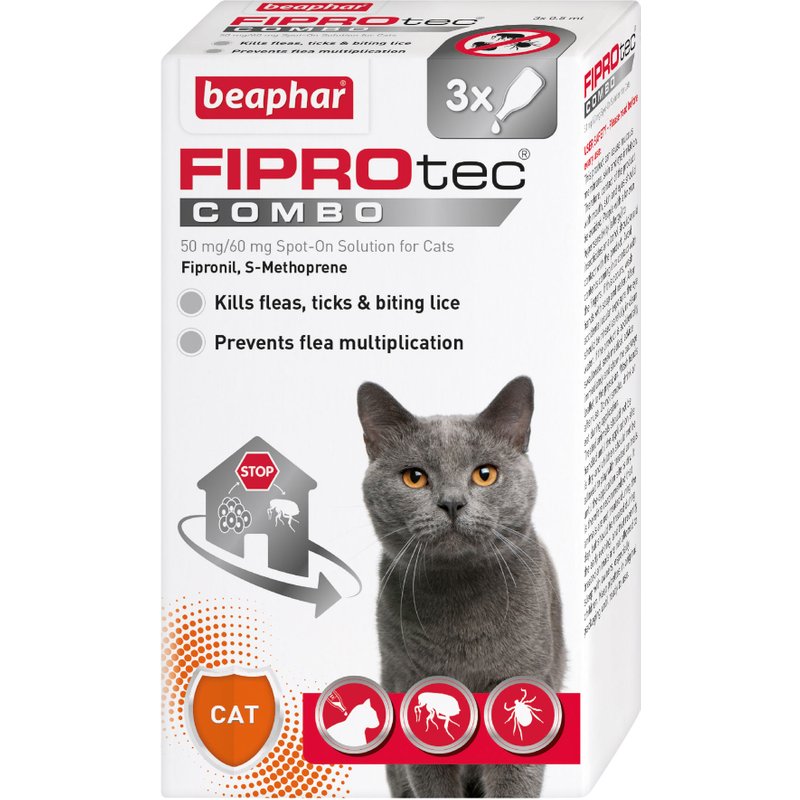
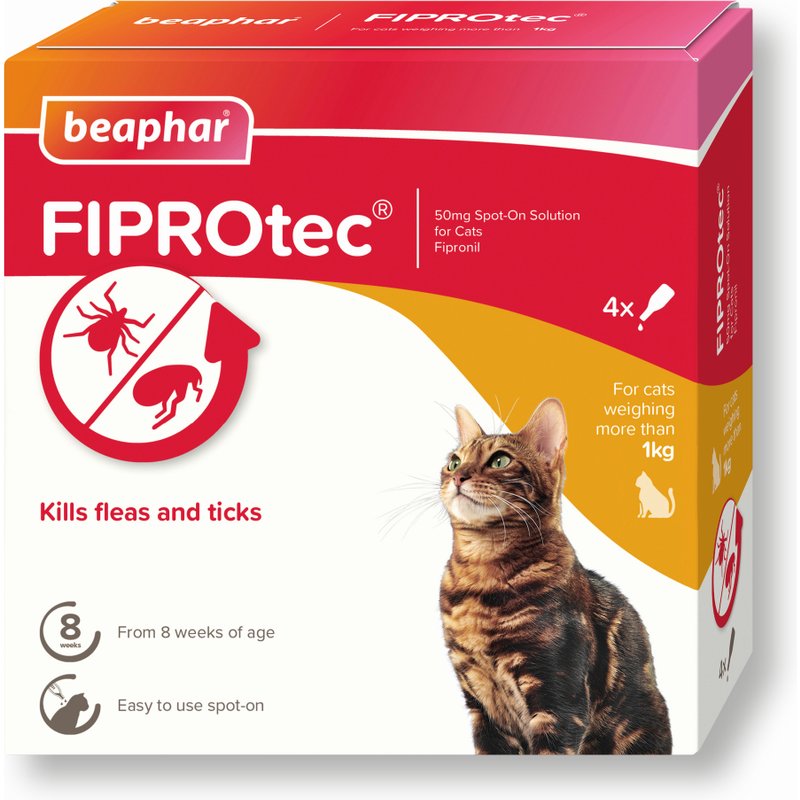
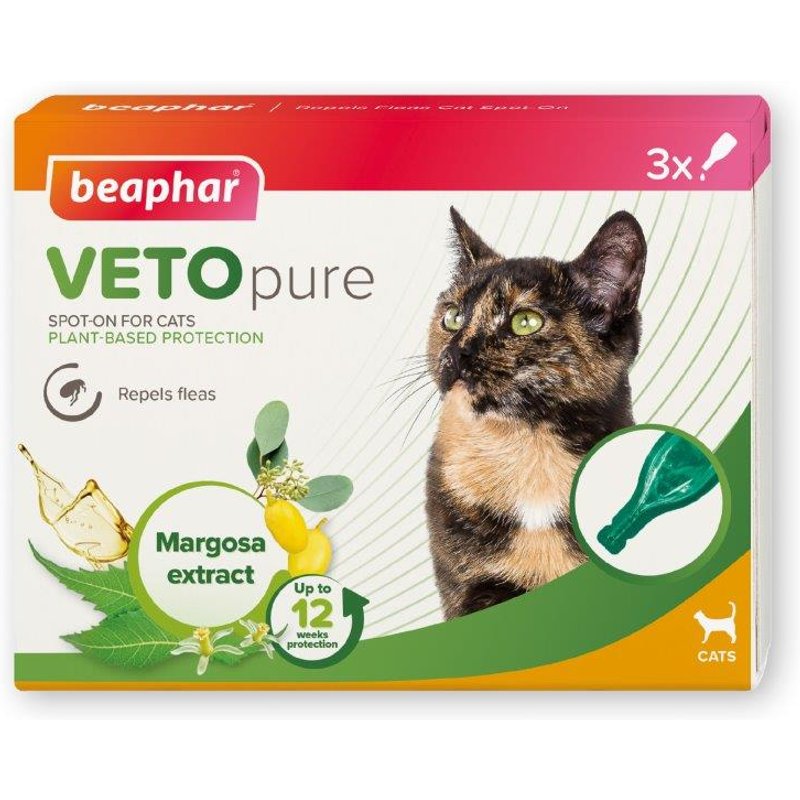
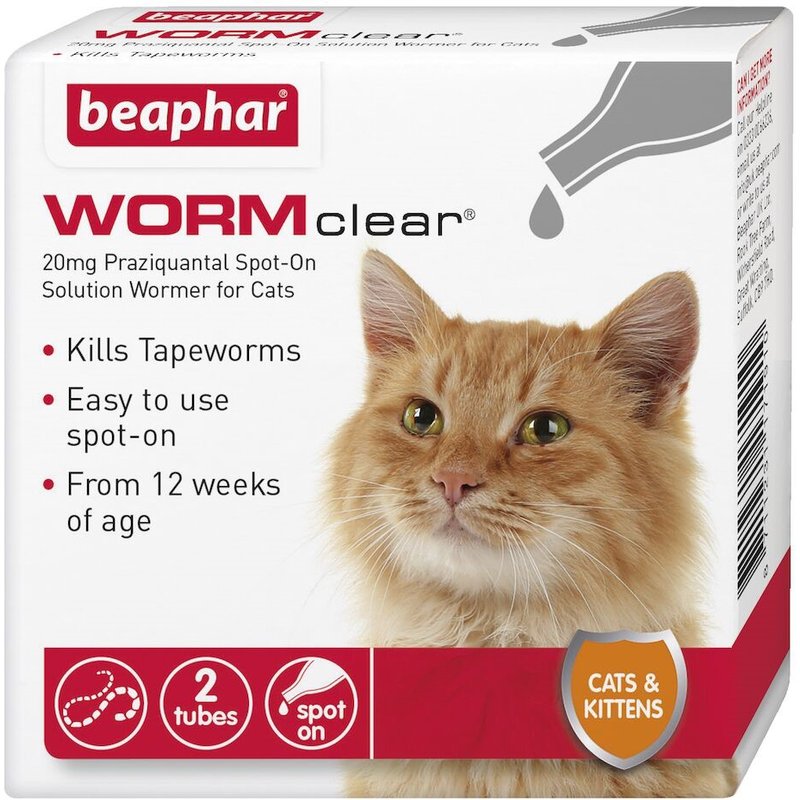
Fleas, ticks and worms are part of life with a cat, including many indoor cats. This page gives general information on the products available and how to use them safely. Your vet can advise on the right plan for your cat, especially for kittens, pregnant or nursing cats, elderly cats and cats with health problems.
How products are sold in the UK
Veterinary medicines carry a legal category on the pack, which tells you where you can buy them:
- POM-V: prescription only, from a vet who has your cat under their care. Many of the broadest spot-ons and tablets are in this group.
- NFA-VPS: sold by a vet, pharmacist or Suitably Qualified Person (SQP), who will ask a few questions about your cat.
- AVM-GSL: can be sold in any shop.
Authorised medicines show a number starting with ‘Vm’ on the pack. Some products sold for small pets are not authorised medicines, so check what you are buying.
Types of product
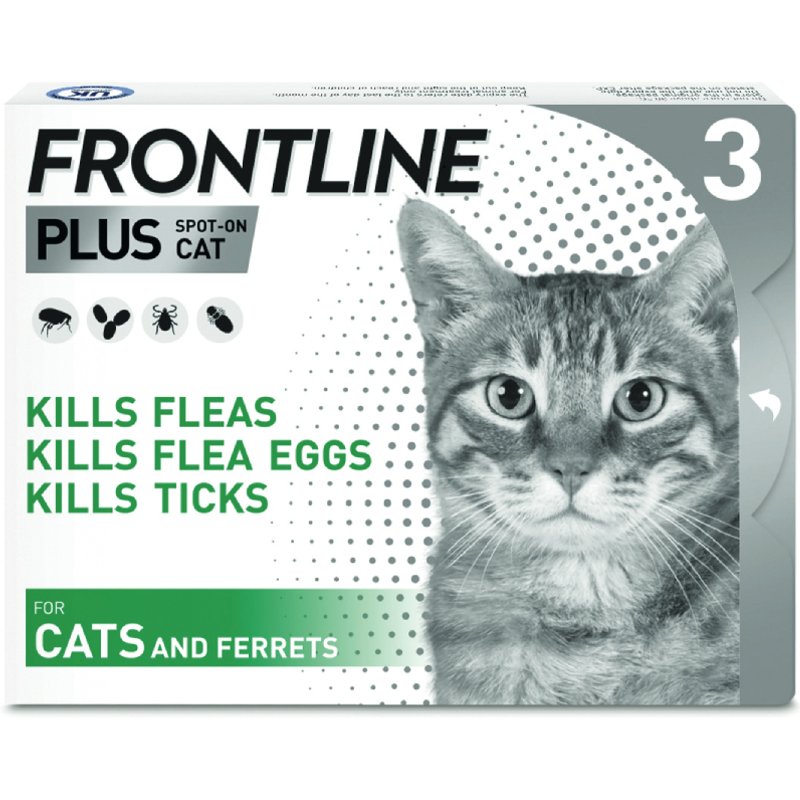
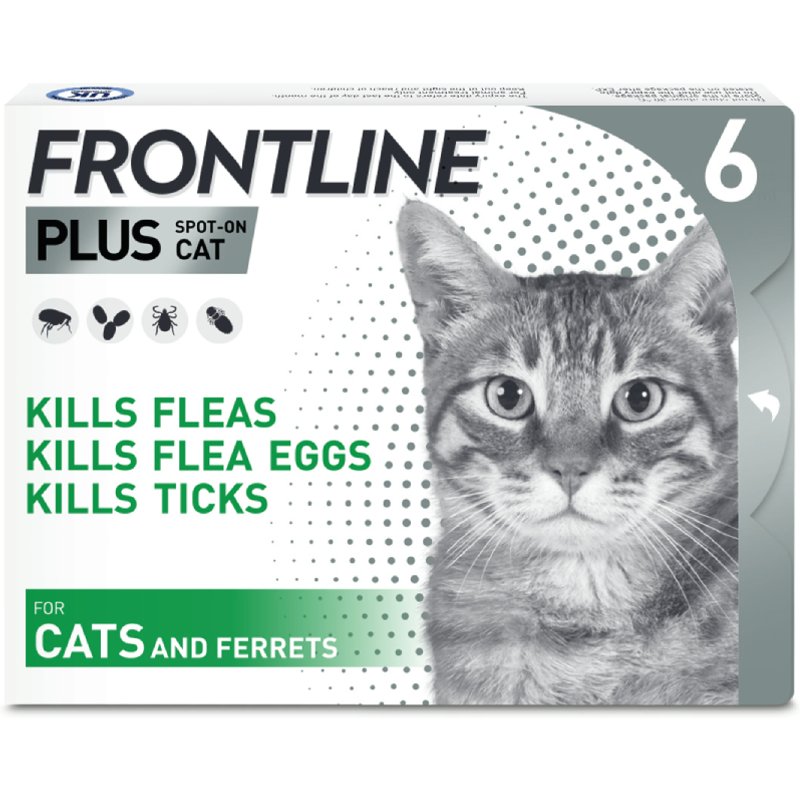
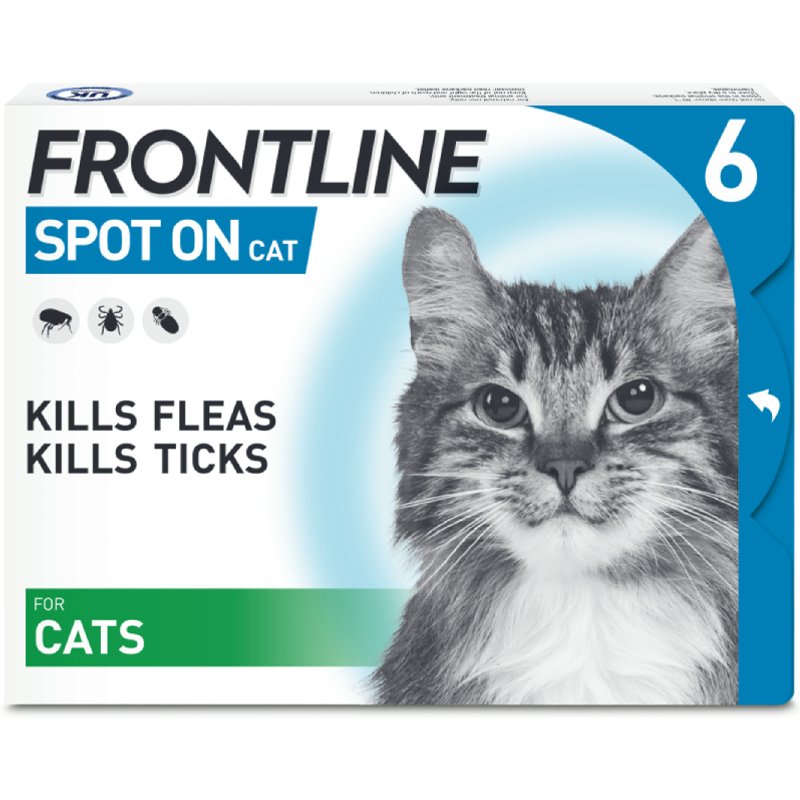
- Spot-ons: liquid applied to the skin at the back of the neck, usually monthly. Many cover fleas only, others also treat ticks, ear mites or some worms.
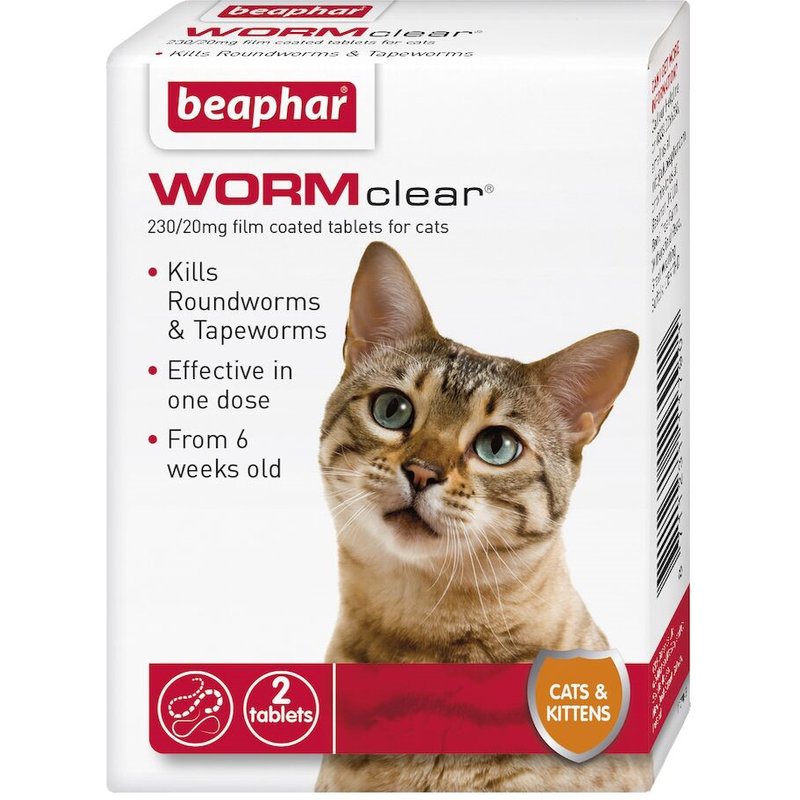
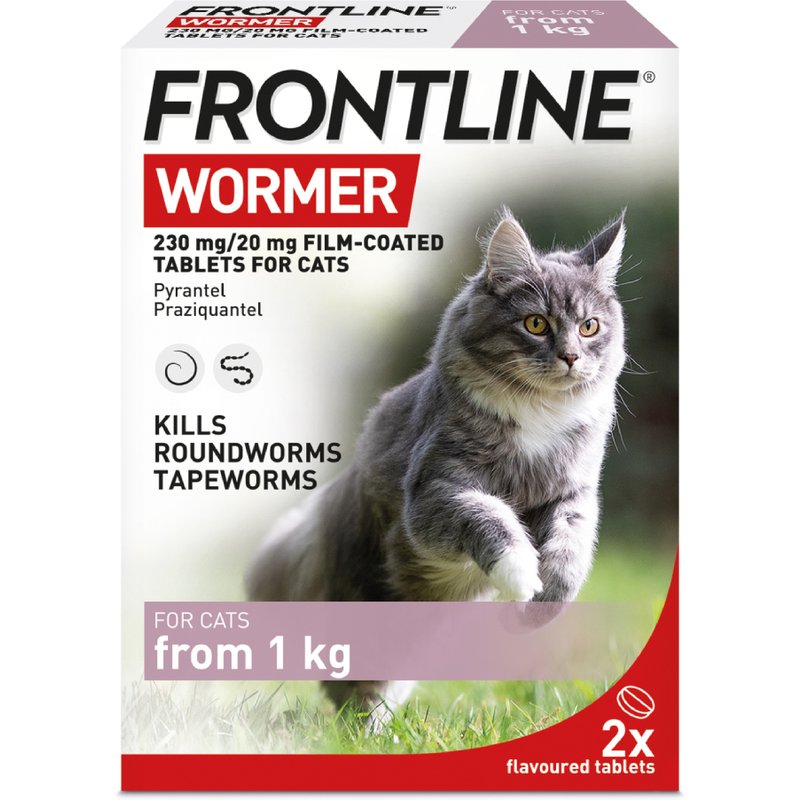
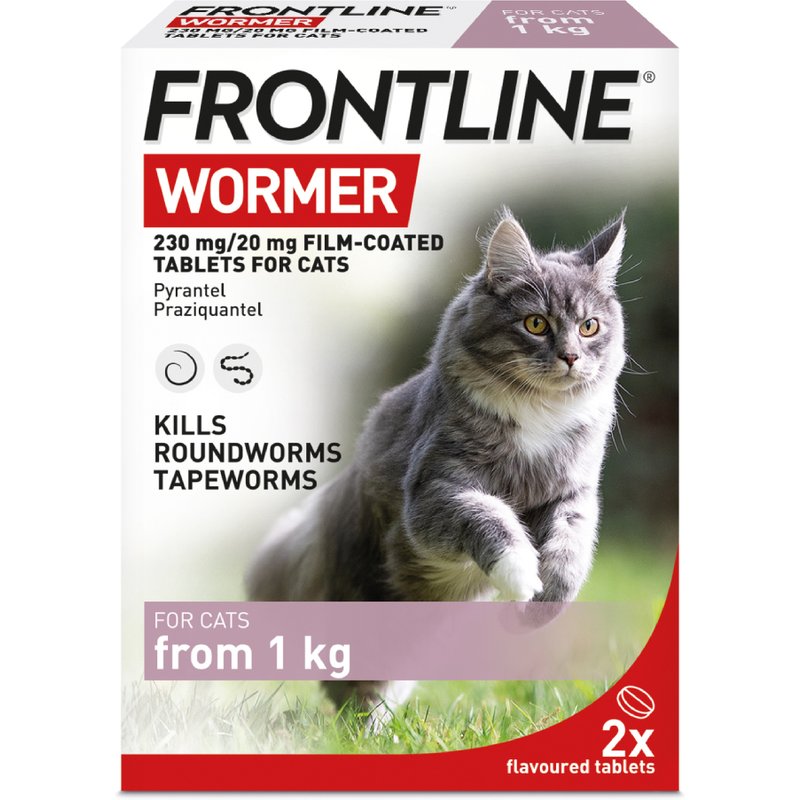
- Tablets: flea tablets, worming tablets and combined products. Some are small and flavoured; a creamy lickable treat helps with cats that refuse pills.
- Collars: release active ingredient over several months. Choose a model with a quick-release or safety catch.
- Wormer pastes and granules: mixed with food or given by mouth.
- Household flea sprays: treat carpets and furniture, where most of the flea population lives as eggs, larvae and pupae. Follow the label on keeping pets out of the room.
Safety rules
Never use a dog flea product on a cat. Many dog spot-ons, sprays and collars contain permethrin, which cats cannot break down and which can cause tremors, seizures and death. In homes with dogs and cats, avoid permethrin products on the dog, or keep the cat away from the treated dog as the label directs.
All treatments are dosed by weight, so weigh your cat before buying and choose the right weight band. Kittens need products licensed for their age and weight. Apply spot-ons by parting the fur at the base of the skull and putting the liquid directly on the skin, where the cat cannot lick it. Note the date so the next dose is not forgotten.
Dealing with fleas
If you find fleas or flea dirt, treat every cat and dog in the house at the same time. Vacuum carpets, sofas and the car thoroughly, empty the vacuum outside, and wash pet bedding on a hot wash. New fleas keep hatching from pupae in the home for weeks, so seeing a few fleas after treatment is normal. Keep treating on schedule; it can take a couple of months to clear a heavy infestation. Fleas also carry a tapeworm, so a cat with fleas may need a tapeworm treatment too.
Worming and ticks
The European parasite experts’ group ESCCAP gives these general guidelines, which vets adapt to each cat:
- Kittens: from three weeks of age, every two weeks until weaning, then on a schedule set by your vet
- Adult indoor cats: one to two times a year, or based on testing
- Cats that go outdoors and hunt: four to twelve times a year against roundworm and tapeworm, depending on how much they hunt
Check outdoor cats after time in long grass or woodland, especially around the head, ears and neck. Remove ticks with a tick hook, twisting gently without squeezing the body. Do not burn ticks or cover them in oil or alcohol. If part of the tick stays in, or the area becomes swollen, ask your vet.
Common questions
How often should I worm my cat?
It depends on lifestyle. ESCCAP guidelines suggest one to two treatments a year for indoor cats and four to twelve a year for cats that go outside and hunt. Kittens are wormed more often, starting at three weeks of age. Ask your vet for a plan that suits your cat.
Does my indoor cat need flea treatment?
Indoor cats can still get fleas, brought in on people, other pets or visitors’ clothing. Whether to treat routinely or only when fleas are found is worth discussing with your vet, especially if you also have a dog that goes outside.
Why does my cat still have fleas after treatment?
Most of a flea infestation lives in the home as eggs, larvae and pupae, and new fleas keep hatching for weeks. Treated cats kill them, so seeing some is normal at first. Keep treating all pets on schedule, vacuum often and use a household spray if needed; if fleas persist, ask your vet.
Can I use my dog’s flea treatment on my cat?
No. Many dog flea products contain permethrin, which is highly toxic to cats even in small amounts. If a dog product has been put on your cat, wash it off with warm water and mild washing-up liquid if the cat allows, and contact a vet straight away.