


Every cat needs a carrier, even one that never leaves the house except for the vet. A good carrier makes those trips calmer for the cat, easier for you and quicker for the vet. The design that suits most cats is simple: hard-sided, well ventilated, with a door at the front and a way in from the top.
Types of carrier
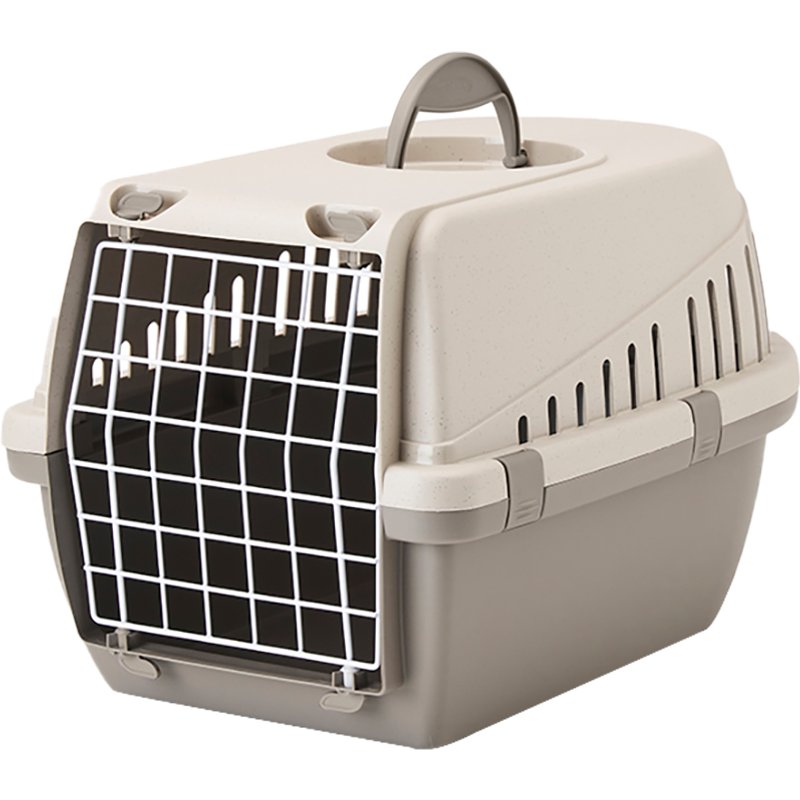
- Hard plastic carriers: strong, light, easy to wipe clean and hard for a cat to claw through. The best all-round choice.
- Top-loading and two-part carriers: open from above, or split into top and bottom halves. You can lower a reluctant cat in instead of pushing it through a door, and the vet can often examine the cat in the bottom half without tipping it out.
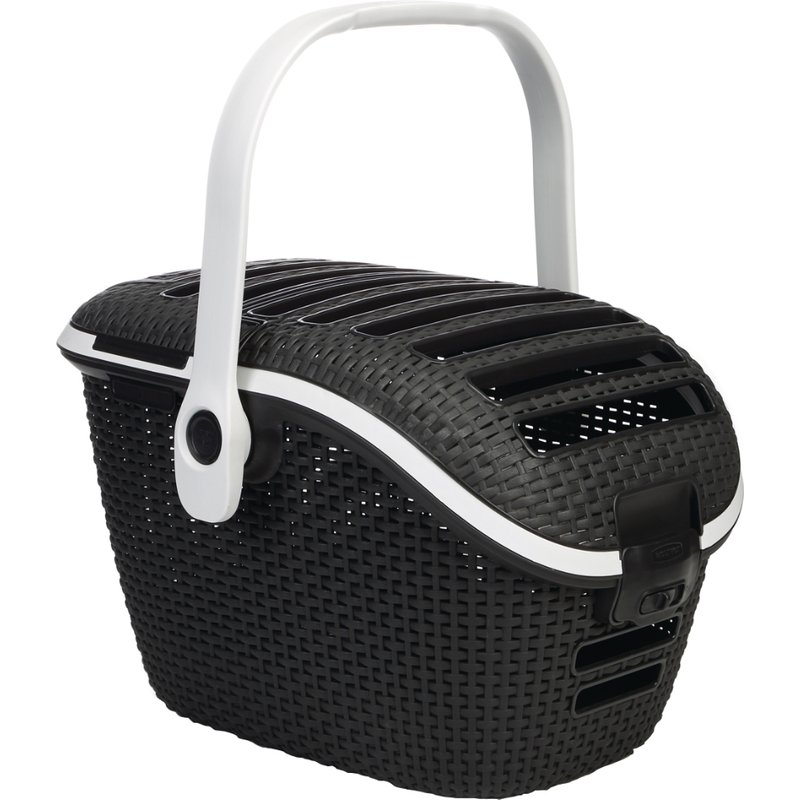
- Wire baskets: well ventilated and easy to clean, but more exposed, so add a cover.
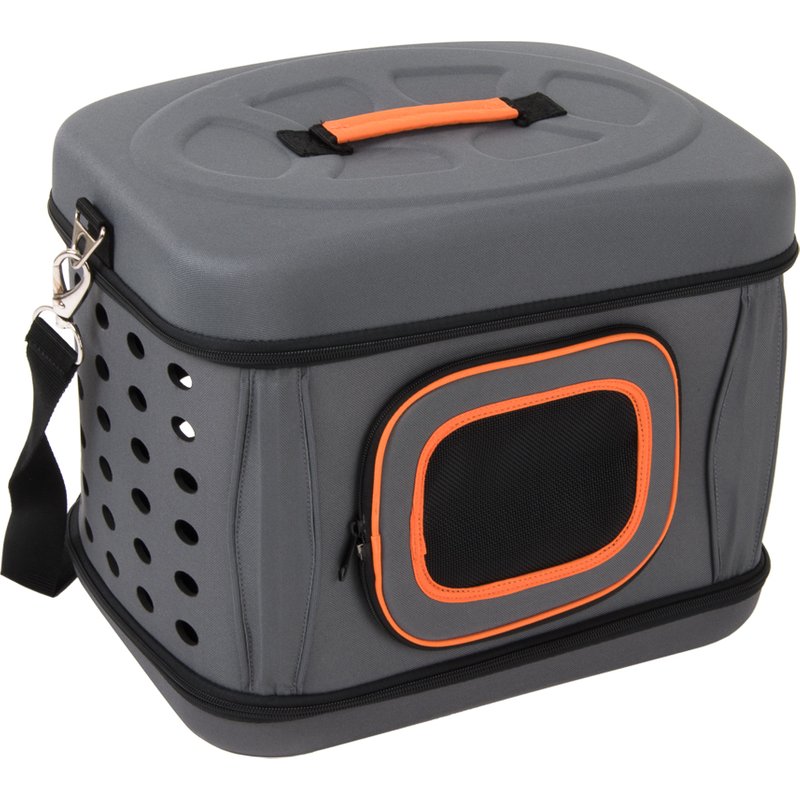
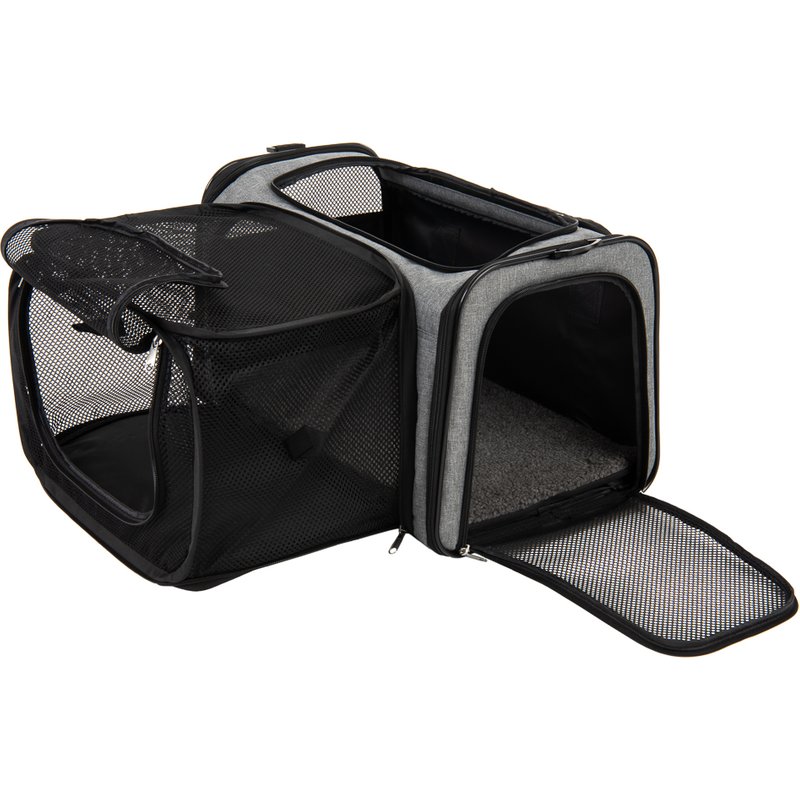
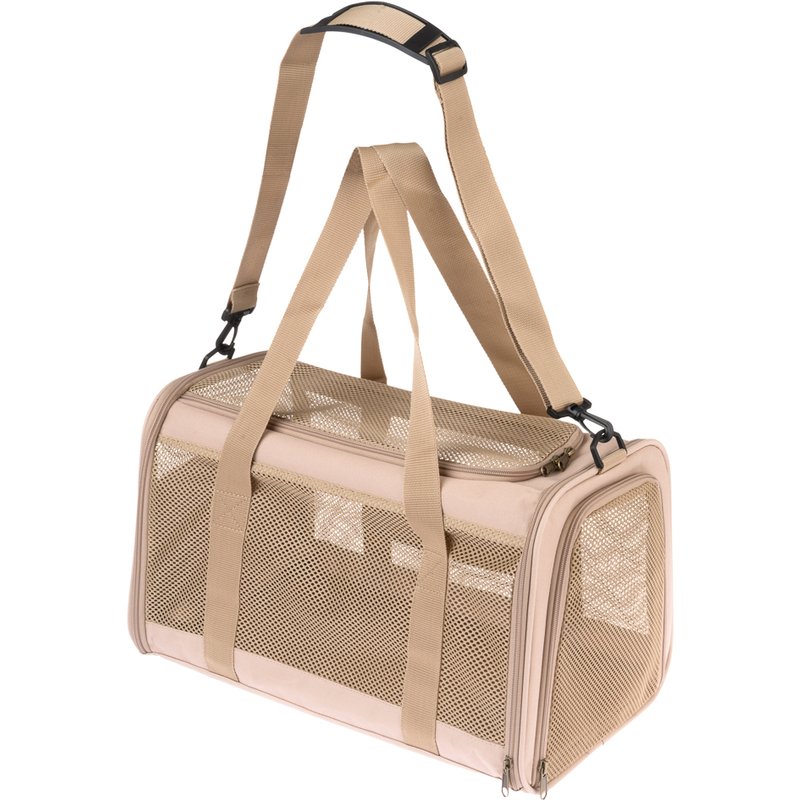
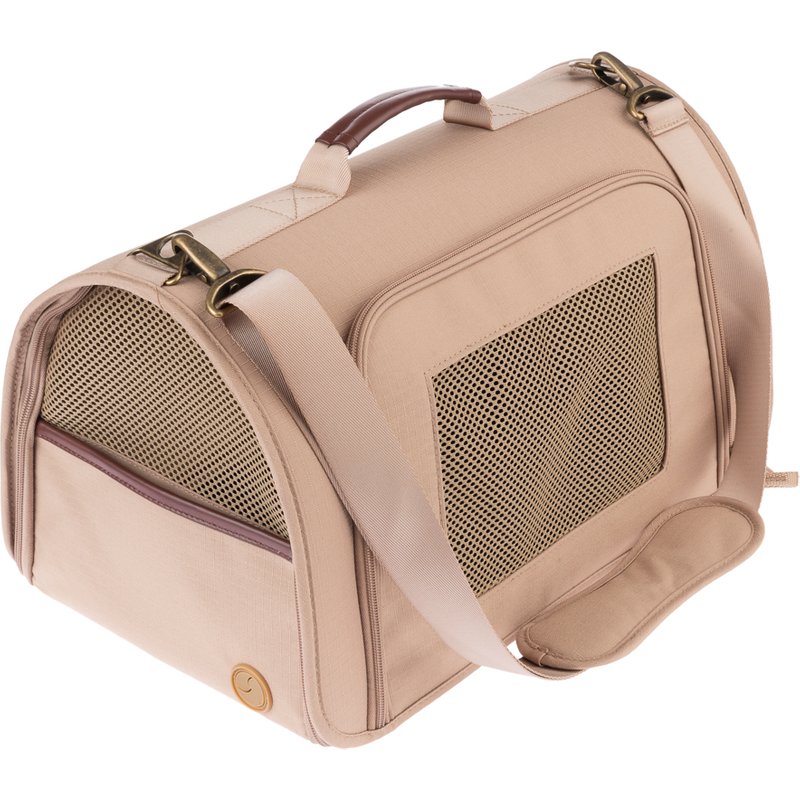
- Soft fabric carriers: light and foldable for occasional use, but cats can scratch or chew through them, and they are harder to clean after an accident. Cats Protection advises against them for regular use.
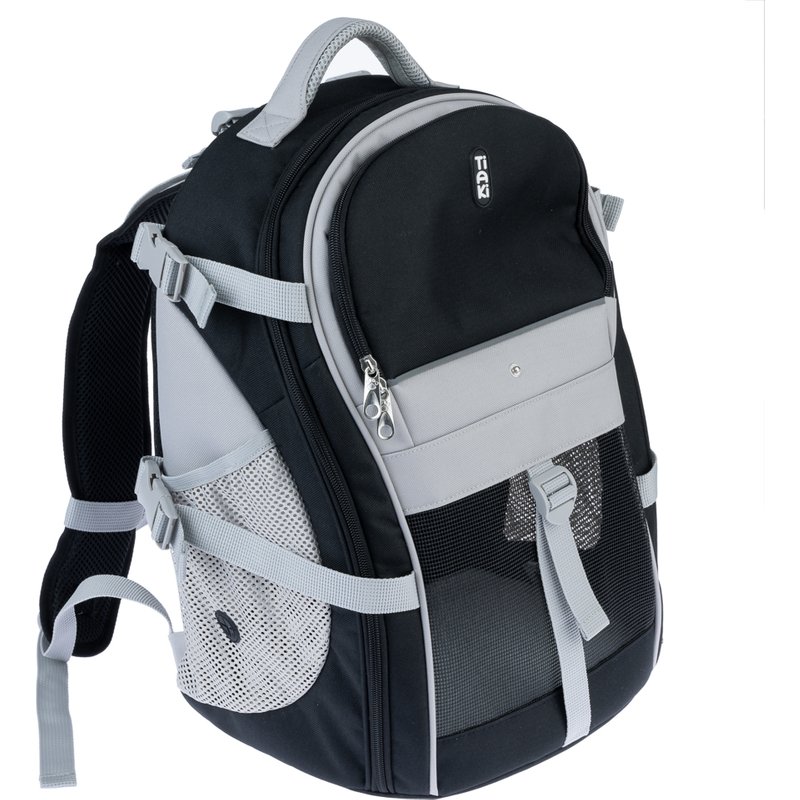
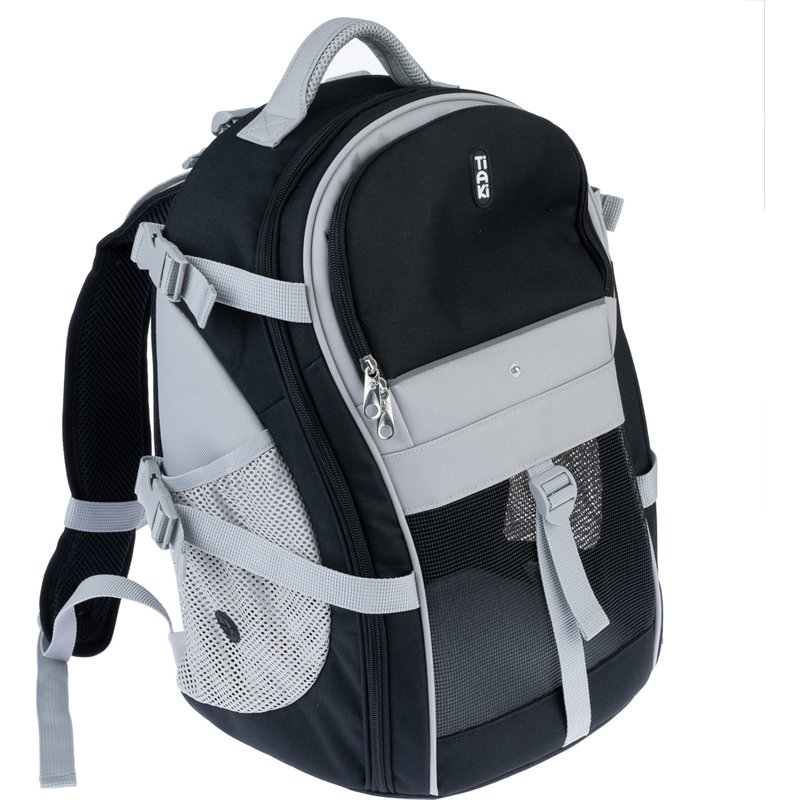
- Backpacks and pet strollers: usually too small for a cat to stand and turn round, and the movement can be stressful. Only worth considering for short essential trips if you cannot carry a hard carrier.
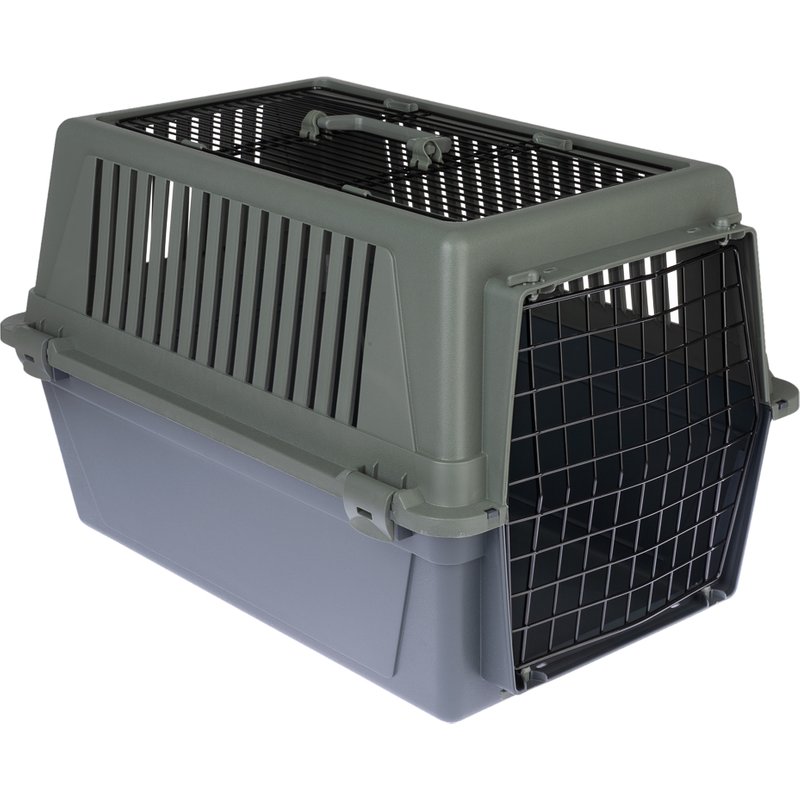
- Airline crates: larger rigid crates for flying. Each airline sets its own size and construction rules, so check with the airline before you buy.
Size and features
Your cat should be able to stand, turn round and lie down, without so much room that it slides about on the move. Cats Protection suggests a carrier a few centimetres taller and longer than your cat when standing. A kitten carrier will be outgrown, so buy for the adult size. Check for:
- Ventilation on at least two sides
- Secure catches that a cat cannot push open
- A sturdy handle and a seat belt slot or loop
- A solid floor that does not flex when you lift it
Use one carrier per cat. Even cats that get on at home can fight in a confined space when stressed.
Getting your cat used to it
The main reason cats hate carriers is that the carrier only appears before a vet visit. Leave it out at home with the door open and a familiar blanket inside, and feed the occasional treat in it. When you travel, spray a cat pheromone product inside about 15 minutes beforehand if you use one, line the base with an absorbent pad and a towel, and cover the carrier with a light cloth so your cat feels hidden.
In the car and on the move
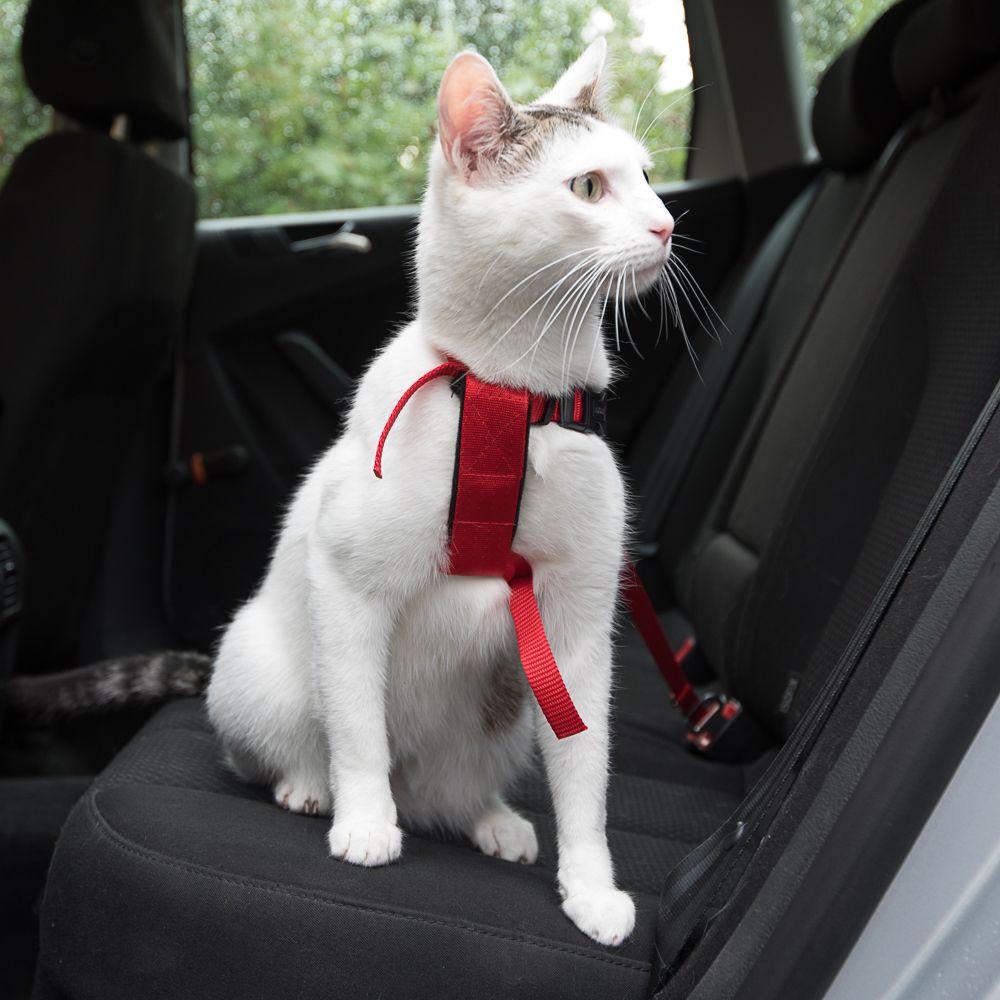
Put the carrier on the back seat secured with the seat belt, or in the rear footwell, never loose on the seat. Carry it level with both arms rather than swinging it by the handle. Keep the cat inside the carrier for the whole trip, and never leave it in a parked car in warm weather.
Travelling abroad
To take a cat from Great Britain to the EU or Northern Ireland, your cat needs a microchip, a valid rabies vaccination and an animal health certificate from an official vet. The certificate must be issued within 10 days before you arrive, and after a first rabies vaccination you must wait 21 days before travel. Rules change, so check the current GOV.UK guidance at least a month before you go.
Common questions
Is a hard or soft cat carrier better?
For most cats a hard plastic carrier is better. It is stronger, easier to clean and harder for a stressed cat to claw through. Soft carriers are light and foldable for occasional use, but are less secure.
How do I get my cat into its carrier?
Leave the carrier out at home so it becomes familiar, and feed treats inside it. On travel day, a top-opening carrier lets you lower your cat in gently, back end first. Stay calm, keep the room quiet and close doors beforehand so your cat cannot hide.
What does my cat need to travel from the UK to Europe?
From Great Britain to the EU or Northern Ireland, your cat needs a microchip, a valid rabies vaccination and an animal health certificate issued by an official vet within 10 days of arrival. After a first rabies vaccination you must wait 21 days. Check the latest GOV.UK guidance well before you travel.