

Feeding a kitten
Choose a complete food labelled for kittens. It has more energy and nutrients per mouthful than adult food, because a kitten’s stomach is small. Most cats eat kitten food until about 12 months old. Large breeds such as Maine Coons mature more slowly and often stay on kitten food until 18 months to 2 years, which is why some brands make breed-specific kitten foods.
Kittens need several small meals a day: usually three or four when they first come home, moving to fewer, larger meals as they grow. Wet kitten food, dry kitten food or a mix all work. For the first week or two, feed the same food the breeder or rescue used, then change gradually over 7 to 10 days if you want to switch. A new home is stressful enough without a new diet on day one.
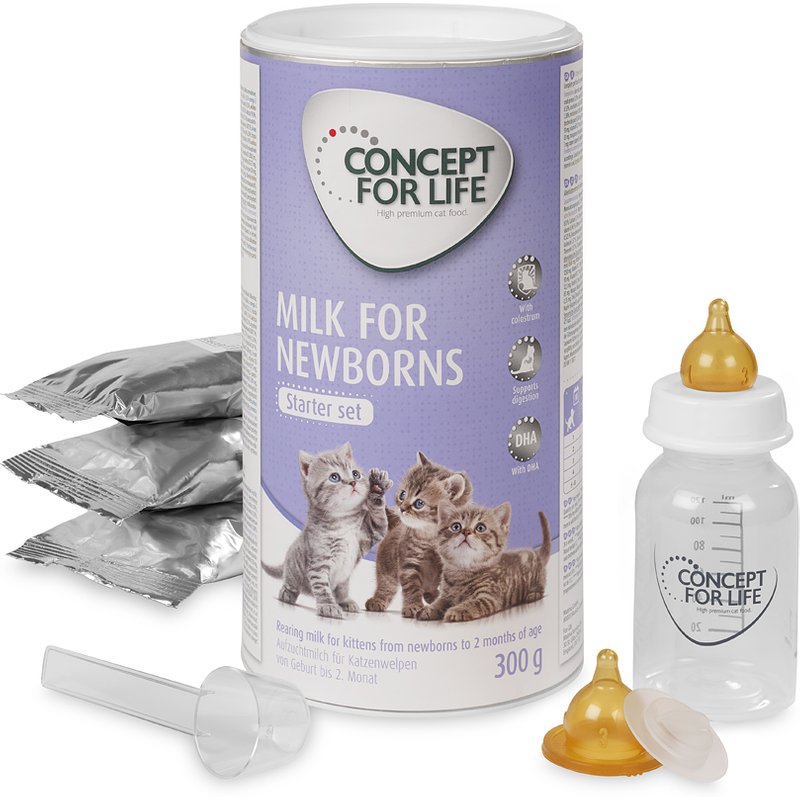
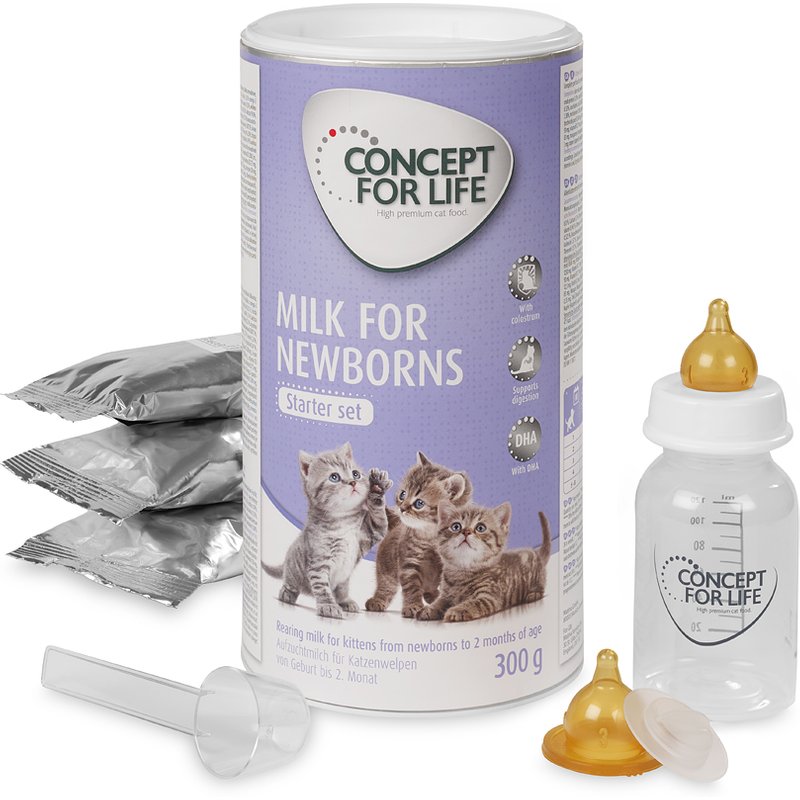
Cow’s milk is not needed and often causes diarrhoea. Fresh water should always be available; a lactose-reduced cat milk is fine as an occasional treat.
The starter kit
- Kitten food, wet and dry, plus a few kitten treats for handling practice
- Shallow food and water bowls
- A small litter tray with a low entry, and the same litter the kitten used before
- A hard carrier sized for an adult cat
- A scratching post tall enough to grow into, plus a horizontal scratcher
- A bed or den in a quiet, warm spot
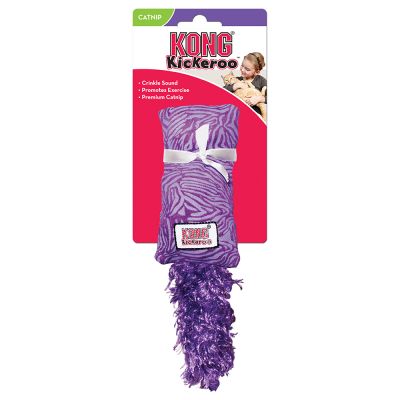
- Toys: a wand toy, small balls and a kicker
- A soft brush, so grooming becomes normal early
Health basics
Book a vet check soon after your kitten arrives and ask about the vaccination course, worming, flea treatment and the right age for neutering. Flea and worming products must be licensed for your kitten’s age and weight; never use an adult dose. Cats in England must be microchipped by 20 weeks of age, with your details registered on a database. Many kittens are chipped before they leave the breeder or rescue, so check the paperwork and update the details.
Making the home kitten-safe
Kittens explore with their mouths and get into small spaces. Before your kitten arrives:
- Remove lilies from the house, including cut flowers, as all parts of the plant are highly toxic to cats
- Tie up blind cords and tuck away phone and appliance cables
- Check inside the washing machine, tumble dryer and oven before closing the door
- Put away string, elastic bands, hair bobbles and needles and thread
- Keep the toilet lid down and secure upstairs windows
Put wand toys away after play; kittens are especially likely to chew and swallow string. Start one room as the kitten’s base with food, water, litter tray and bed, and open up more of the house as it settles. Handle paws, ears and mouth gently every day: a kitten that is used to it grows into a cat that accepts claw clipping, tooth brushing and vet checks.
Common questions
When should I switch from kitten food to adult cat food?
Most cats move to adult food at around 12 months. Large breeds such as Maine Coons grow for longer and often stay on kitten food until 18 months to 2 years. Make the change gradually over 7 to 10 days.
How often should I feed my kitten?
Kittens have small stomachs and need several meals a day, usually three or four when they first come home, moving to fewer, larger meals as they grow. Follow the daily amount on the pack and divide it between the meals.
Can kittens drink milk?
Once weaned, kittens do not need milk, and cow’s milk often causes diarrhoea because many cats cannot digest lactose well. Water is all they need to drink. A lactose-reduced cat milk can be given as an occasional treat.
What age can a kitten leave its mother?
Cats Protection advises that kittens stay with their mother until they are eight to nine weeks old. Many pedigree breeders keep kittens longer. Ask to see the kitten with its mother, and ask for vaccination and microchip records.