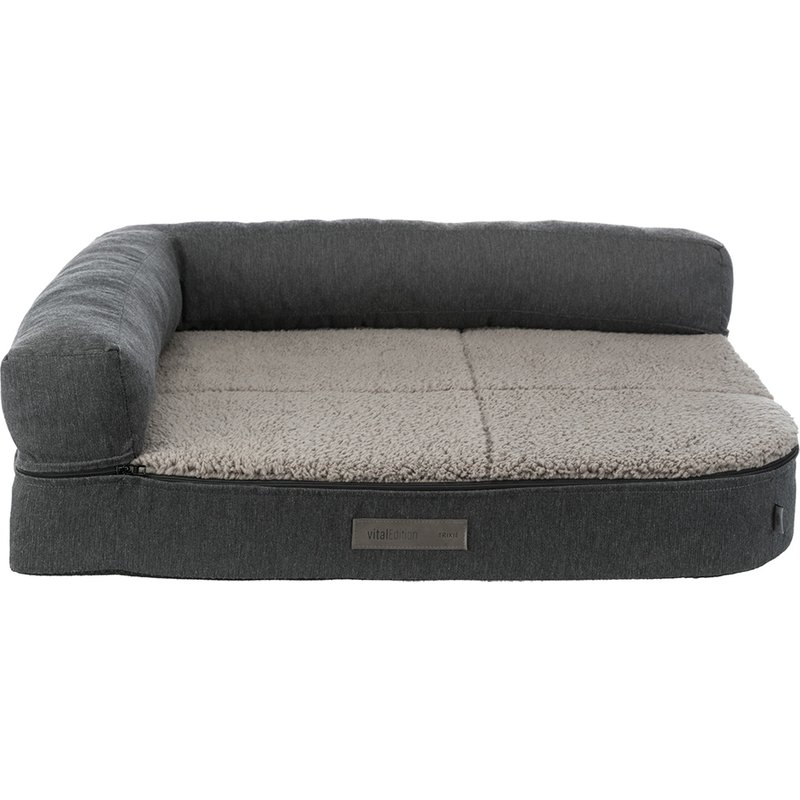
A new kitten needs less kit than the shop shelves suggest. Before collection day you want a sturdy carrier, the same food the kitten already eats, separate food and water bowls, a litter tray with non-clumping litter, a bed and somewhere to hide, a scratching post and a few toys. Set them up in one quiet room so the kitten can settle first.
The other half of the job is the vet. In the first weeks you will need to complete the vaccination course, check the microchip (a legal requirement in England before 20 weeks of age), plan neutering for around four months and keep up with flea and worm treatment.
Kittens should not leave their mother before eight weeks of age, and most go to new homes between eight and twelve weeks. In England, kittens under six months can only be sold by the breeder or rehomed by a rescue, so be wary of anyone selling on someone else’s litter.
Before you collect: what to ask
Ask the breeder or rescue for:
- The kitten’s current food, brand and flavour, and how many meals a day.
- The type of litter it has been using.
- The vaccination card, microchip number and whether the kitten has been neutered.
- Dates and names of any flea and worming treatments.
- A blanket or toy that smells of its first home.
The government’s advice to buyers is to see kittens with their mother in the place they were born.
The shopping list
| Item | What to look for |
|---|---|
| Carrier | Hard plastic or wire, opens at the front and top, vents on at least two sides |
| Food | The same complete kitten food it eats now |
| Bowls | Separate shallow bowls for food and water, ceramic or glass |
| Litter tray | Sides low enough to climb in, room to turn around |
| Litter | Non-clumping, ideally the type it already knows |
| Bed and hideaway | A soft bed plus a cardboard box or covered spot |
| Scratching post | Tall enough for a full stretch, with a heavy base |
| Toys | Fishing-rod toys, balls and a simple activity feeder |
Carrier and bed
Cats Protection recommends a hard carrier that opens from the top as well as the front, so you can lower a nervous cat in and the vet can examine it inside. Fabric carriers are not recommended. A tiny kitten carrier will be outgrown within months, so choose from the cat carriers range with an adult cat in mind. Alongside a bed from cat beds and baskets, give your kitten a cardboard box on its side to hide in.
Food
Keep the kitten on its usual food for the first couple of weeks. Kittens need a complete kitten food until they are about a year old, and the kitten products range covers both wet and dry options. When you do want to switch, do it slowly, as explained in the guide to wet or dry cat food.
Litter and tray
Cats Protection advises avoiding clumping litter for kittens, because a kitten that swallows it risks a blockage in the gut. Start with a non-clumping cat litter and a tray the kitten can climb into easily, then move to a full-sized tray as it grows. Put about 3 cm of litter in the tray. The guide to choosing cat litter covers tray size and cleaning in detail.
Scratching and play
Scratching is normal behaviour. A post from the scratching posts range should be tall enough for your cat to scratch at full stretch and heavy enough not to wobble. For play, choose cat toys that keep teeth and claws away from your hands, such as a fishing-rod toy.
Kitten-proofing your home
Before the kitten arrives:
- Keep windows closed or screened, especially above the ground floor.
- Keep washing machine and tumble dryer doors shut, and check inside before every load.
- Tidy cables, blind cords and tassels out of reach.
- Remove lilies completely. International Cat Care warns that every part of true lilies and day lilies, including the pollen and vase water, can cause kidney failure. Contact a vet immediately if you think your kitten has touched one.
- Store medicines, human food, slug pellets and garden chemicals out of reach.
- Block gaps behind kitchen units and appliances.
- Avoid disinfectants that turn cloudy in water, such as Dettol, which Blue Cross notes are toxic to cats.
The first days at home
Start your kitten in one room with its bed, tray, food and water. Keep the water bowl apart from the food and the tray as far from both as you can. Let the kitten come to you. Blue Cross suggests a warm, not hot, water bottle under a blanket on the first nights to stand in for the warmth of littermates.
How often to feed
Blue Cross gives this as a guide for meals a day:
| Age | Meals a day |
|---|---|
| 8 to 12 weeks | 4 |
| 3 to 6 months | 3 |
| Over 6 months | 2 |
Wet food should be served as separate meals and cleared away, as it spoils in the bowl. Do not give milk, which can cause diarrhoea; fresh water should always be available.
Never encourage a kitten to play with your fingers or feet. If it pounces on your hands, keep still, then redirect it to a toy.
Vet visits, vaccinations, microchip and neutering
Register with a vet before or soon after the kitten arrives and book a first check.
- Vaccinations. PDSA says kittens can start at around nine weeks, with a second set usually two to four weeks later. The vaccines protect against cat flu and feline infectious enteritis, and often feline leukaemia. Boosters are usually yearly.
- Staying indoors. Keep your kitten in until your vet confirms it is protected, usually one to two weeks after the second set. Blue Cross advises not leaving a kitten unattended outside until at least five months old.
- Neutering. Cats Protection and the RSPCA recommend neutering at around four months.
- Microchip. Since 10 June 2024, cats in England must be microchipped before they are 20 weeks old, with your details on an approved database. Owners who do not comply can be fined up to £500. Update your details whenever you move.
- Fleas and worms. Kittens can pick up roundworm through their mother’s milk and need worming more often than adults; ask your vet for a schedule and weigh the kitten so the dose is right. Blue Cross notes that most flea treatments are only suitable from eight weeks old, and that a younger kitten with fleas needs urgent vet advice. Many effective products in flea, tick and worming treatment are prescription-only (POM-V) and come from your vet. Never use a dog flea product on a cat: some are lethal to cats.
Consider pet insurance before any problems appear, since many policies exclude pre-existing conditions. Read the exclusions and age limits.
Quick checklist
- Kitten at least eight weeks old, seen with its mother or from a rescue.
- Hard carrier that opens at the top, sized for an adult cat.
- Same kitten food as before, plus separate food and water bowls.
- Low-sided tray with about 3 cm of non-clumping litter.
- Bed, hiding box, tall scratching post and a few toys.
- Windows, appliances, lilies and chemicals checked.
- Vet registered, vaccinations booked, microchip details on a database.
- Neutering planned for about four months.
Common questions
What age should a kitten come home?
Not before eight weeks; most kittens go home between eight and twelve weeks. Cats Protection points out that kittens are still learning from their mother until then.
When can my kitten go outside?
Only once your vet says the vaccination course has taken effect, usually one to two weeks after the second set. Keep early trips short and supervised; Blue Cross advises waiting until at least five months before leaving a kitten outside alone.
Can kittens use clumping litter?
It is best avoided while they are young, because kittens explore with their mouths and swallowed clumping litter can cause a blockage. Use a non-clumping litter, then change gradually over a week or more if you want to switch later.
How much should my kitten eat?
Follow the feeding guide on the kitten food pack for your kitten’s age and weight, split across three or four meals. Kittens grow quickly, so check the amount as they gain weight; your vet can assess body condition at vaccination visits.