Before your puppy comes home, have a bed in a quiet spot, a supply of the food they already eat, bowls, a collar with an ID tag, a lead, safe chew toys and a plan for toilet training. Book a vet appointment and sort out insurance, which the RSPCA recommends doing before the puppy arrives.
The first weeks are mostly about routine: small regular meals, frequent trips outside, plenty of sleep and calm, gentle introductions to the world. Puppies can sleep 18 to 20 hours a day, according to the PDSA, so a tired, sleepy puppy is normal.
There are also a few legal basics in the UK. Every dog must be microchipped and registered by eight weeks old, and must wear a collar and tag with the owner’s name and address in public.
Before you collect your puppy
Buying responsibly
In England, Lucy’s Law has banned commercial third-party sales of puppies since April 2020, so you should buy directly from the breeder or adopt from a rescue centre. Government advice is to always see the puppy with its mother where it was born, and puppies should never be sold under eight weeks old. If a seller cannot show you the mother, walk away.
Questions to ask the breeder or rescue
- What food is the puppy eating, how much and how often?
- Which vaccinations have been given, and when is the next one due?
- When was the puppy last wormed and treated for fleas, and with what?
- Has the microchip been registered, and how do you transfer it into your name?
- Can you take home a blanket or toy that smells of the mother and litter?
The PDSA notes that most breeders will give you something with the mother’s scent; put it where your puppy sleeps.
What you need
These cover the first weeks; the puppy products section has most of them in one place.
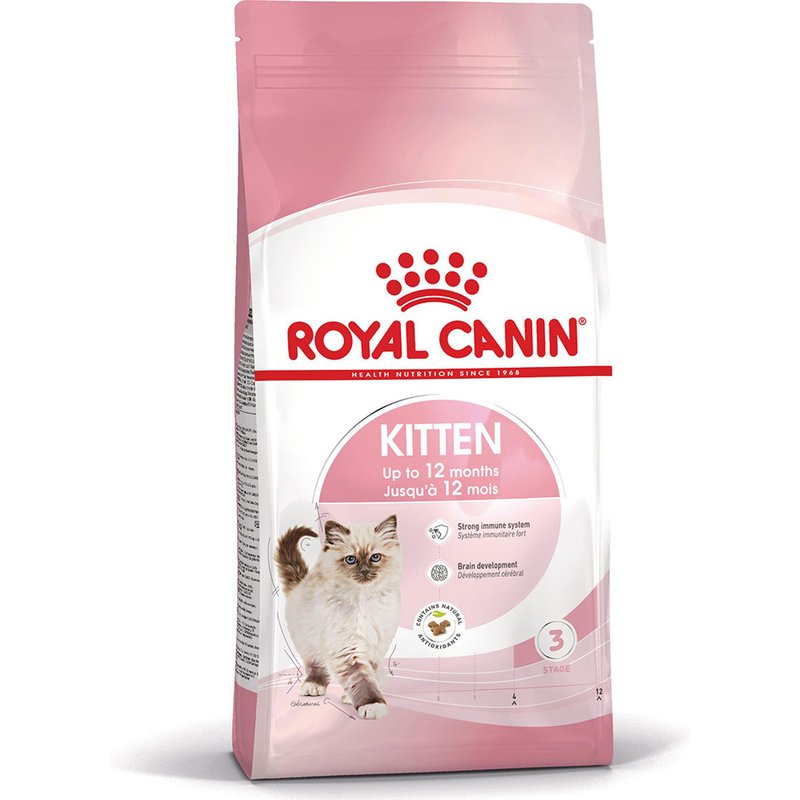
- Food: the same food the puppy is already eating, enough for at least two weeks.
- Bowls: one for food, one for water, ideally heavy or non-slip.
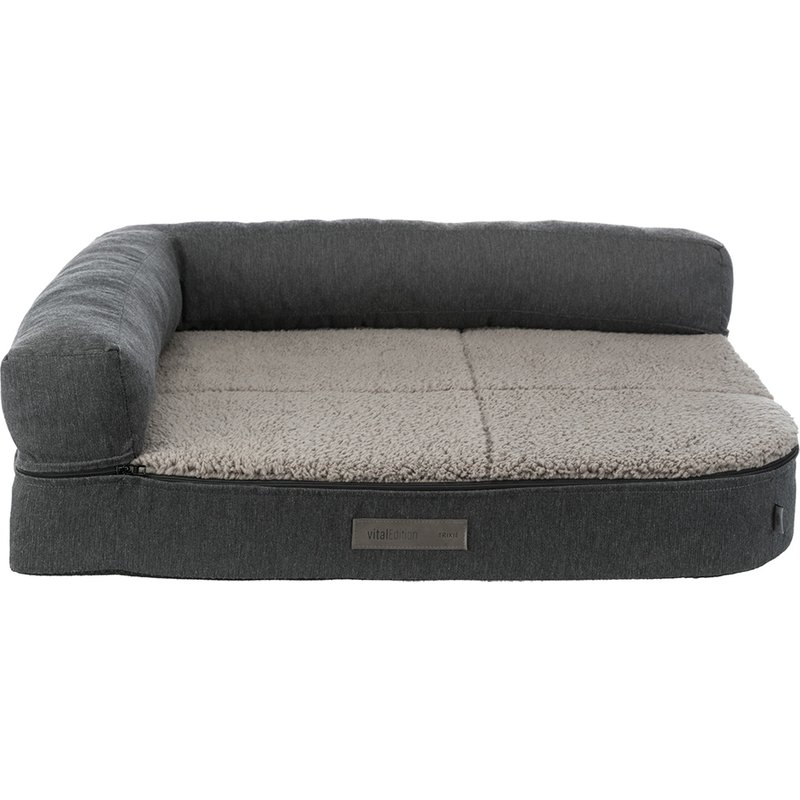
- Bed: a washable, chew-resistant bed or a plastic basket with a cushion. Our guide to choosing a dog bed explains sizes and materials.
- Crate or playpen: optional, but useful as a safe den and for travel.
- Collar, ID tag and lead: a light collar for the tag, plus a puppy harness for walks once vaccinations are done. Browse leads and collars for sizes.
- Toys: a few chew toys and a food-dispensing toy. Rotate them to keep interest.
- Grooming: a soft brush suited to the coat type.
- Cleaning: kitchen roll, poo bags and a pet-safe cleaner for accidents.
- Gates: a stair gate or dog gate to keep the puppy out of certain rooms.
Microchip, ID tag and insurance
UK law says all dogs must be microchipped and registered on an approved database by eight weeks old, so a puppy from a breeder should already be chipped when you collect them. You are then responsible for keeping the database details up to date. Owners can be fined up to £500 if a dog is not chipped or registered when required.
A microchip does not replace a collar and tag. When in a public place, your dog must wear a collar with a tag showing your name and address. Adding a phone number helps if your puppy gets lost.
Vet care in the first weeks
Vaccinations
The PDSA says puppies should ideally start vaccinations at around six to eight weeks, with two injections two to four weeks apart; some need a third. The core vaccines protect against parvovirus, distemper, infectious hepatitis and leptospirosis. Your vet will tell you when it is safe to walk in public; until then you can carry your puppy outside and let them explore your own secure garden. A booster is usually due a year after the first course.
Worming and fleas
Puppies need worming more often than adult dogs. The PDSA suggests worming from around three weeks old and repeating every two to three weeks until 16 weeks, but schedules vary by product, so follow your vet’s advice and dose by weight. Some wormers and flea treatments are prescription-only (POM-V) and are available only from your vet or with a prescription. Ask about lungworm protection too. Any flea and worming treatment must suit your puppy’s age and weight.
Neutering
Ask your vet about the right age for neutering; advice varies with breed and size.
Feeding your puppy
Keep feeding the breeder’s food for the first week or two; a new home is unsettling enough. If you want to change food later, do it gradually over 7 to 10 days, as explained in our guide to switching dog food.
UK Pet Food gives this general guide to meals per day:
| Puppy’s age | Meals per day |
|---|---|
| Up to 4 months | 4 |
| 4 to 6 months | 3 |
| 6 months onwards | 2 |
Use the feeding table on the pack for daily amounts, weigh the food and keep training treats to no more than 10% of the daily intake. Fresh water should always be available.
The first days and nights
Settling in
Take your puppy to their toilet spot as soon as you get home, then let them explore one or two rooms quietly. Keep visitors to a minimum at first, and agree house rules, such as whether the puppy is allowed on the sofa, with everyone at home.
Night-time
The PDSA suggests sleeping in the same room as your puppy for the first few nights while they adjust. Keep a set bedtime and a calm routine, and comfort your puppy if they are upset. Expect to get up for a toilet trip during the night for the first few weeks.
Toilet training
Take your puppy outside first thing in the morning, after meals, after naps and after play, and every two to three hours during the day. Praise or reward them straight after they go. Never punish accidents; clean them up thoroughly and take your puppy out more often. Puppy pads can help overnight or in flats, but the aim is to teach your puppy to go outside.
Crate training
If you use a crate, introduce it slowly with the door open and treats inside. The PDSA advises a crate tall enough to stand and sit without touching the top and long enough to lie stretched out, with water always available. It should never be used as a punishment, and dogs should not be crated for more than three hours at a time.
Socialising
The RSPCA highlights the period up to around 12 weeks as a key time for learning. Introduce your puppy calmly to everyday sounds, people, handling and car trips, and to friendly, vaccinated dogs once your vet says it is safe. Keep experiences short and positive, and give chew toys during teething to protect your furniture.
Quick checklist
- Buy directly from the breeder or a rescue, and see the puppy with its mother
- Check the microchip and transfer the registration into your name
- Fit a collar and ID tag with your name and address
- Keep the breeder’s food for the first week or two
- Book a vet check and plan vaccinations, worming and flea treatment
- Arrange insurance before your puppy comes home
- Take your puppy outside every two to three hours and after meals, naps and play
- Sleep near your puppy for the first few nights
Common questions
When can my puppy go for walks?
Once they are protected by their primary vaccinations, which your vet will confirm. The PDSA suggests waiting one to two weeks after the full course, depending on the vaccine. Until then, carry your puppy out and use your own secure garden.
Should my puppy sleep in my bedroom?
For the first few nights it often helps. The PDSA suggests sleeping in the same room while your puppy adjusts; you can move their bed gradually later. A blanket with their mother’s scent helps them settle.
How many times a day should I feed my puppy?
As a general guide, four meals a day up to four months, three meals from four to six months and two from six months. Use the feeding table on the pack for amounts and adjust with your vet’s advice.
Does my puppy need to be microchipped?
Yes. All dogs in the UK must be microchipped and registered by eight weeks old. Check the microchip number with your vet at the first visit and update the database with your details.