
Choose by how your dog plays
The best toy depends less on breed than on what your dog actually does with it.
- Power chewers need solid natural rubber toys, such as the tougher grades of KONG or rubber bones. Skip plush and thin plastic.
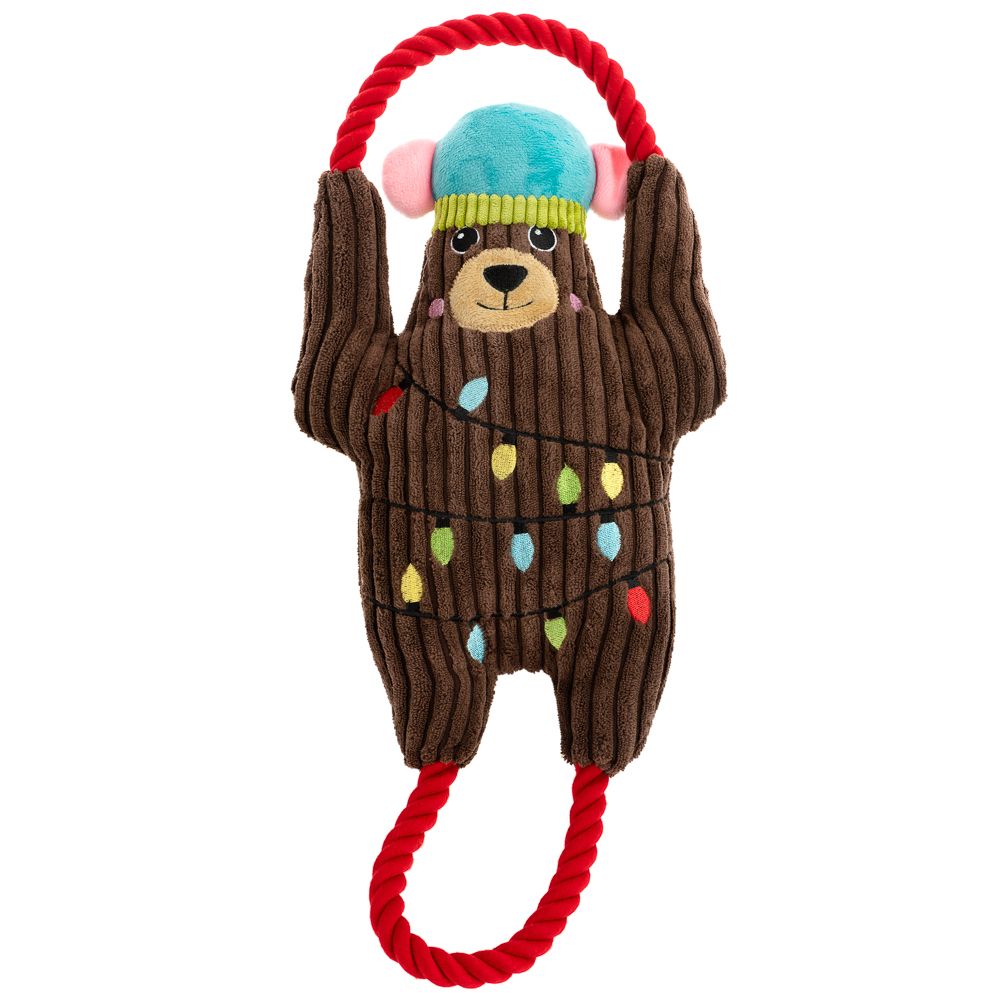
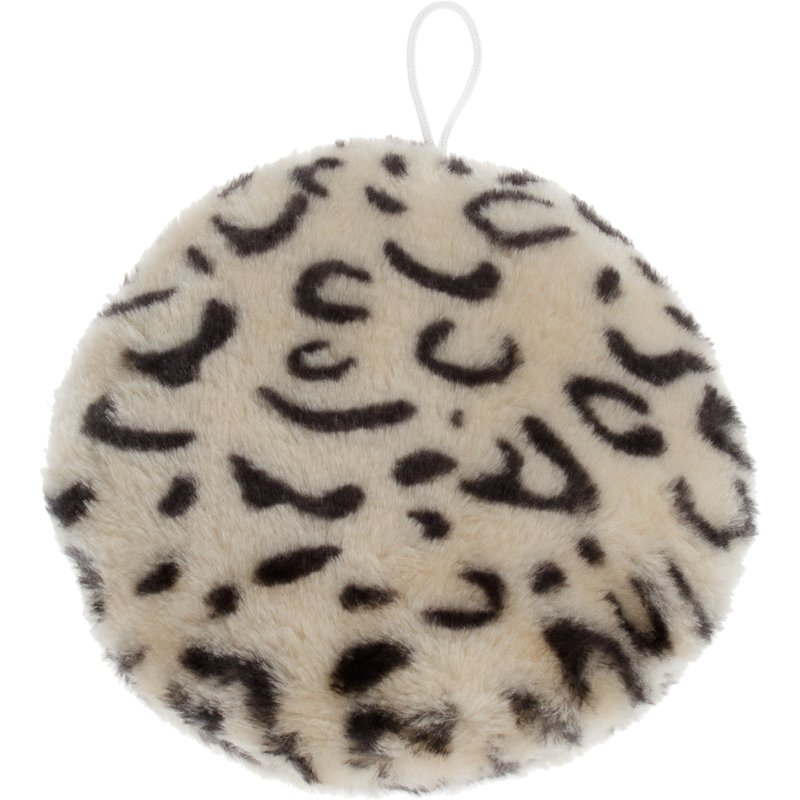
- Shredders pull plush apart in minutes. Give soft toys only when you are watching, and pick toys without loose eyes or long stuffing-filled limbs.
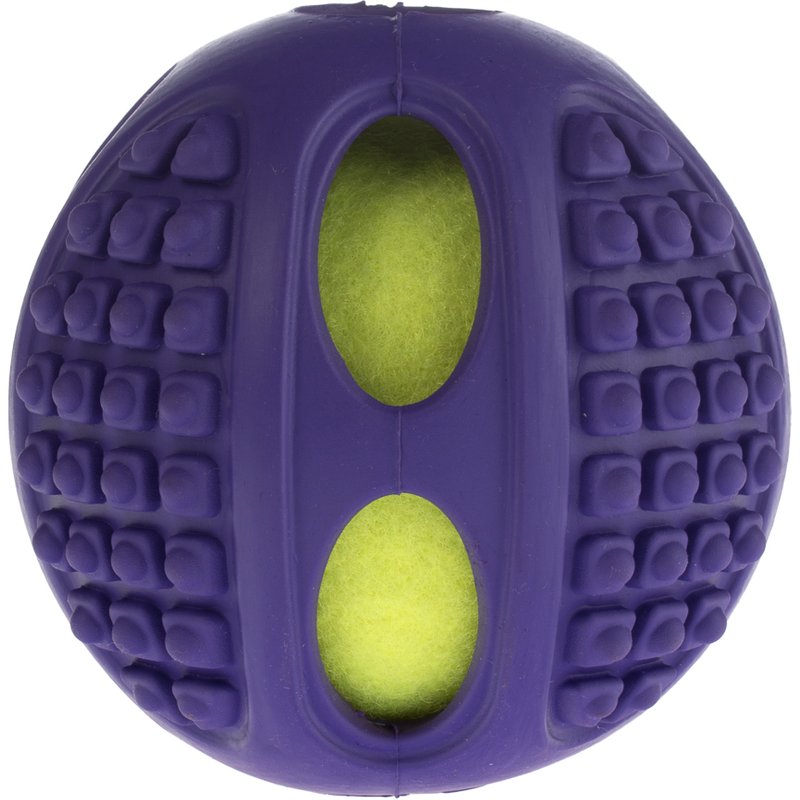
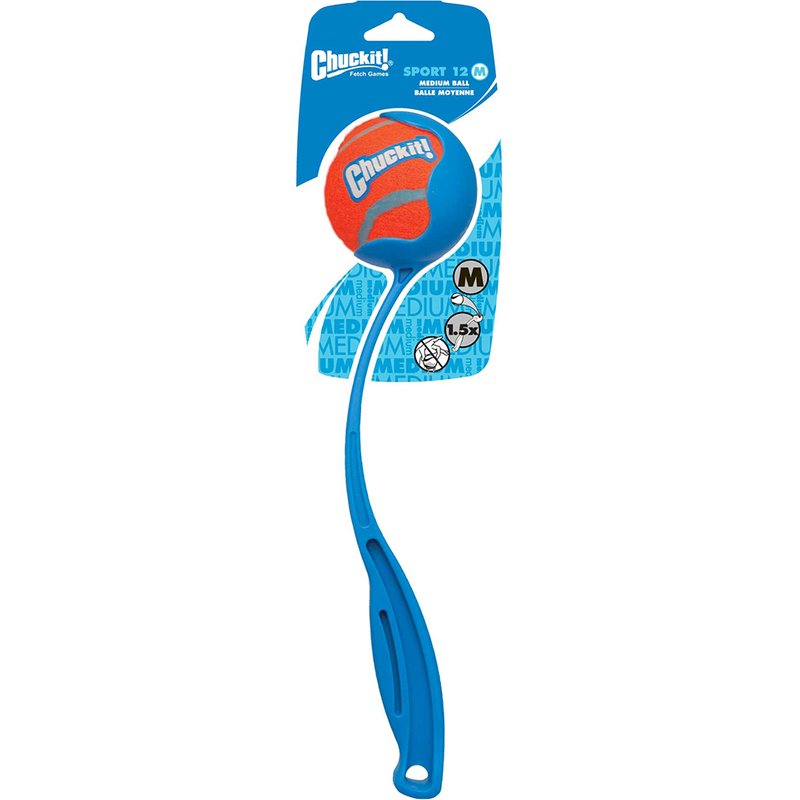
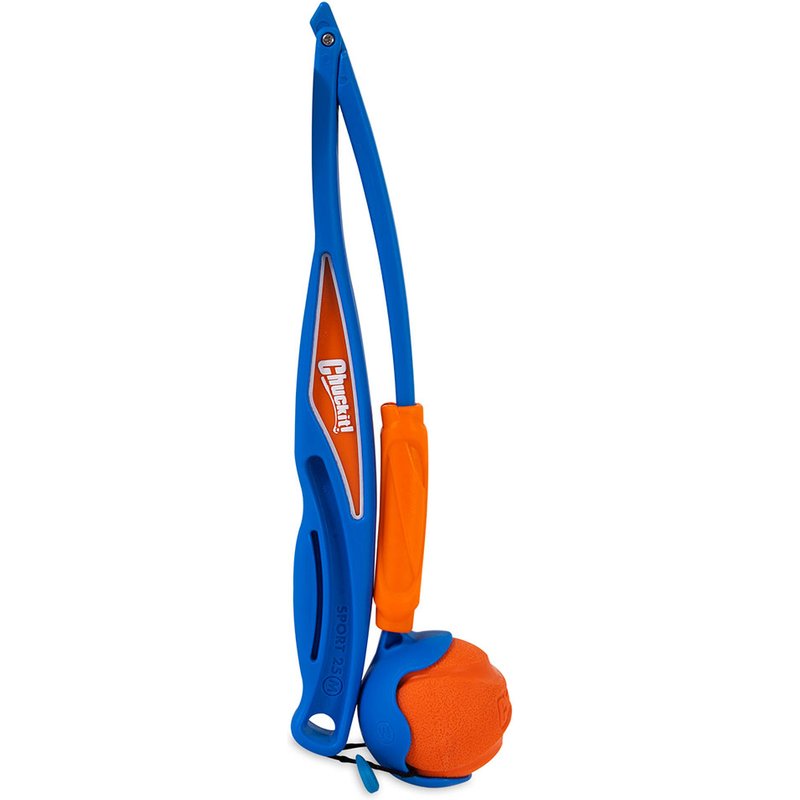
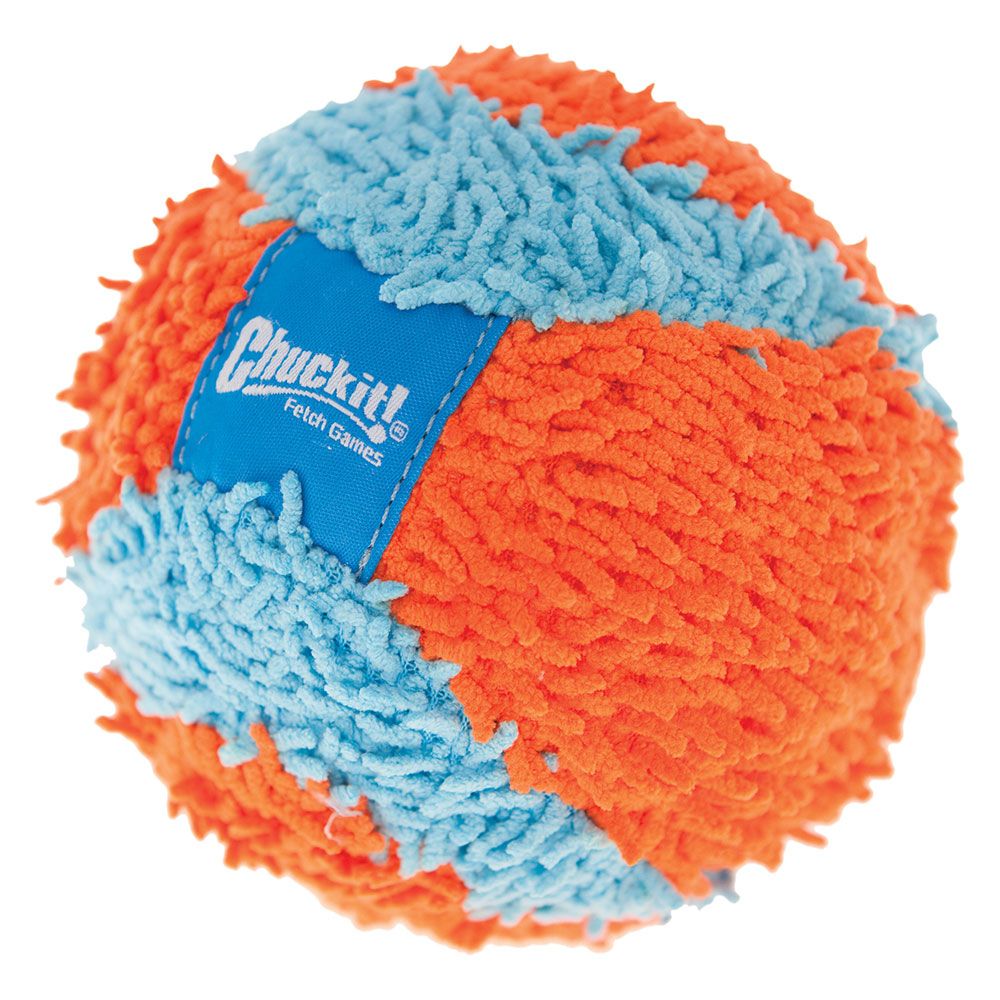
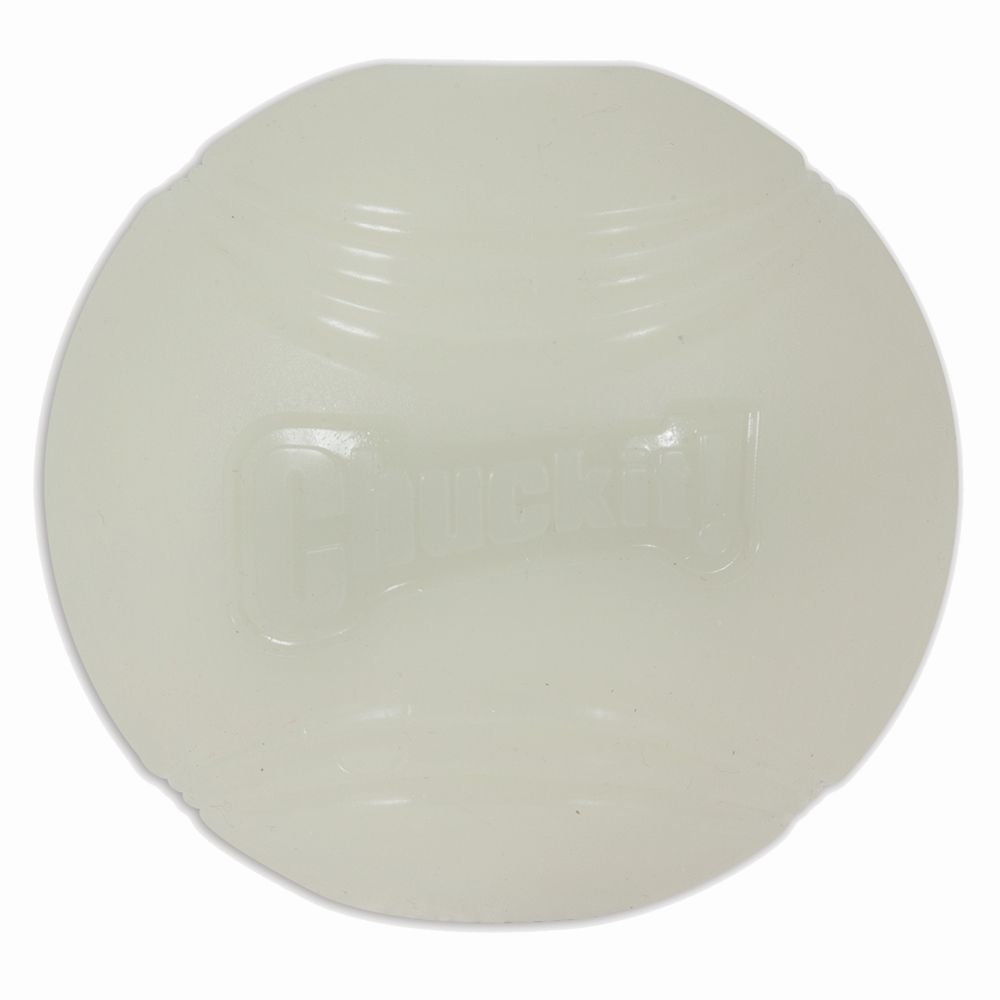
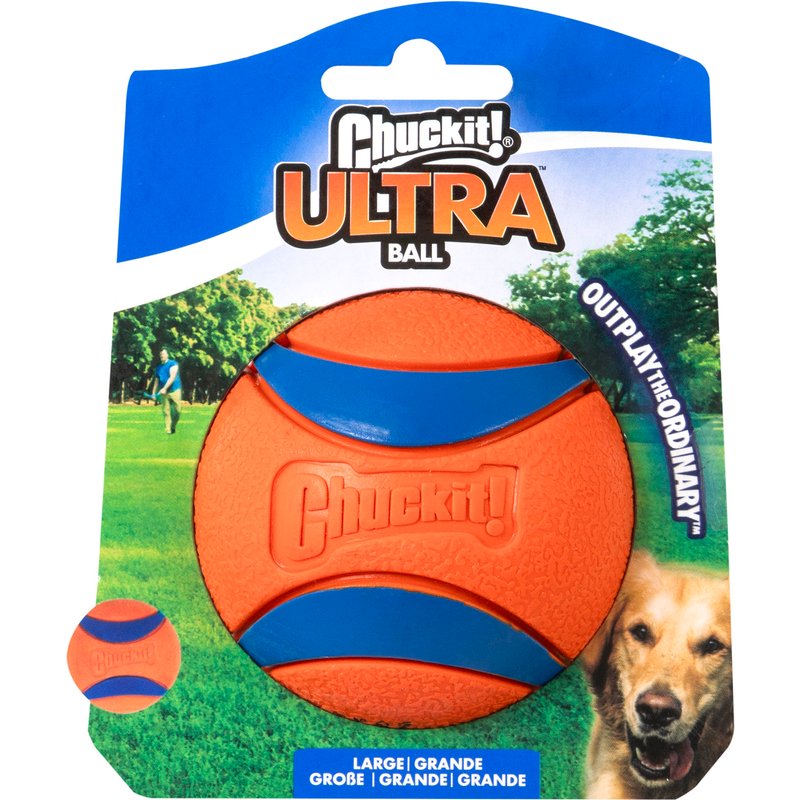
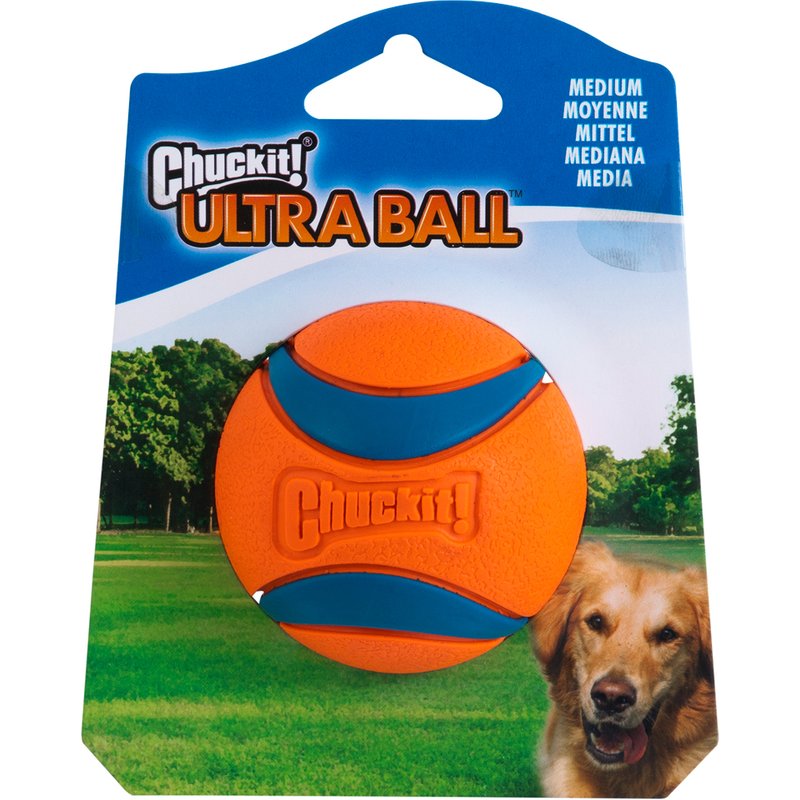
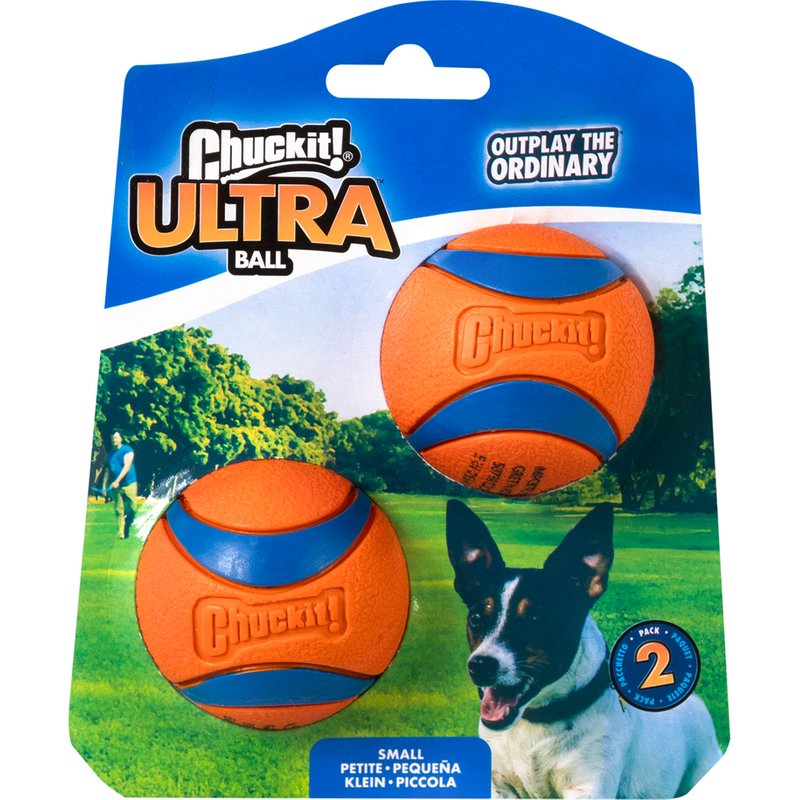
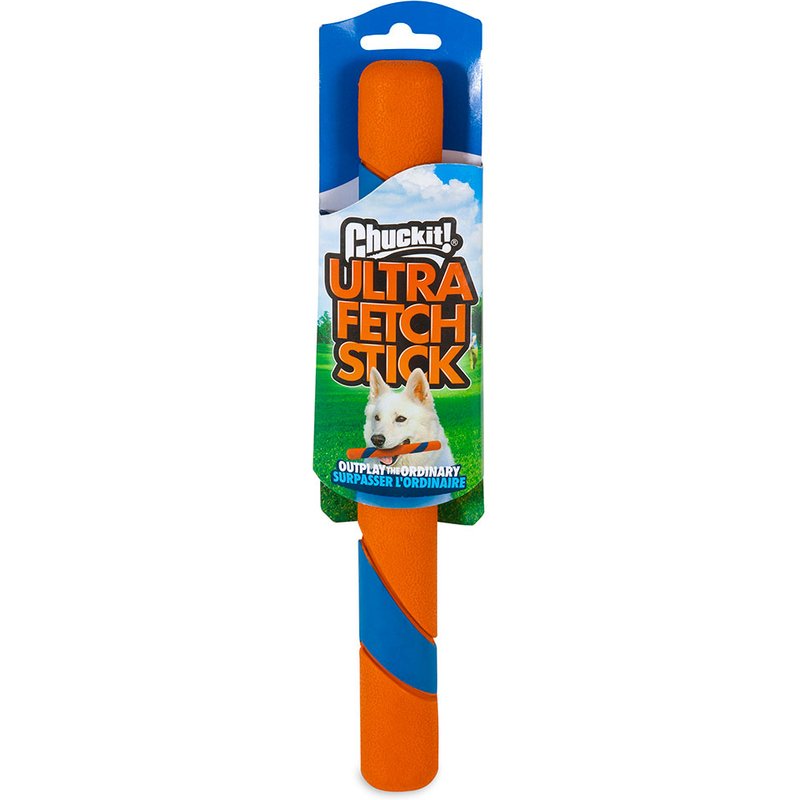
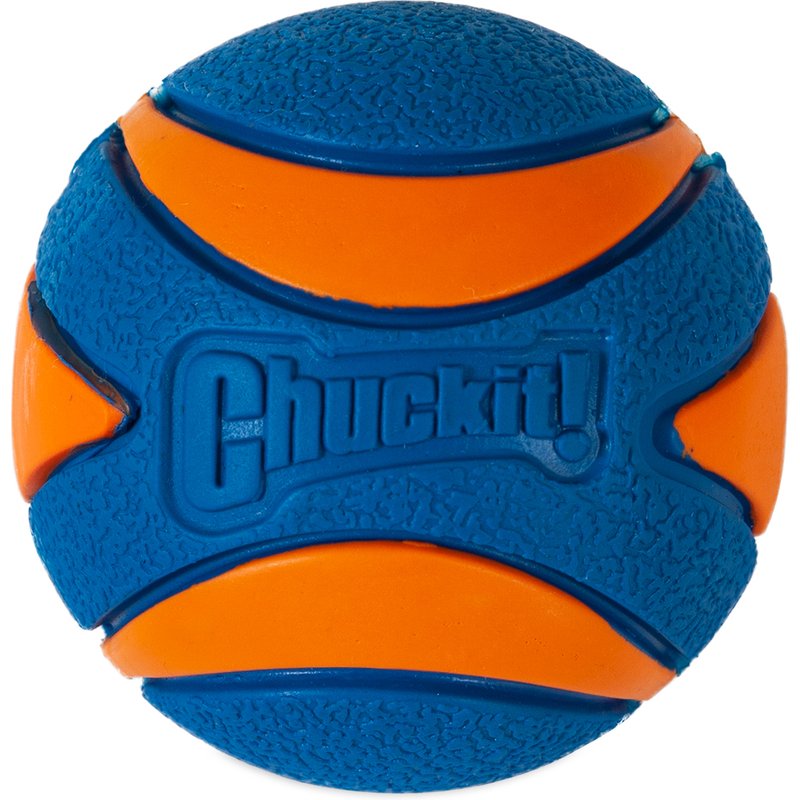
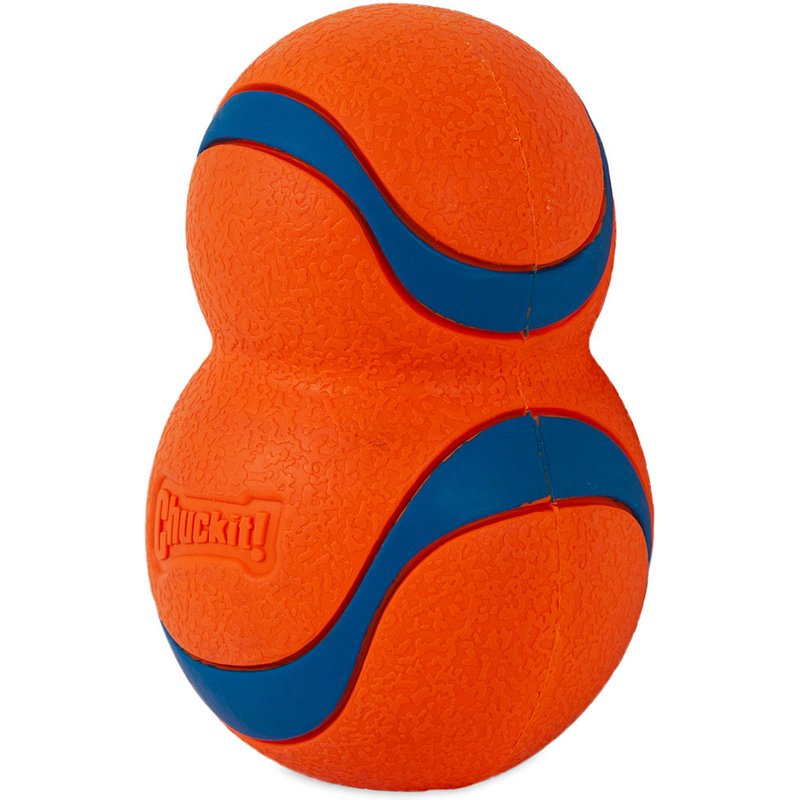
- Fetch fans want balls, discs and throwing sticks made of rubber or foam. Avoid real sticks: vets regularly treat mouth and throat injuries caused by them.
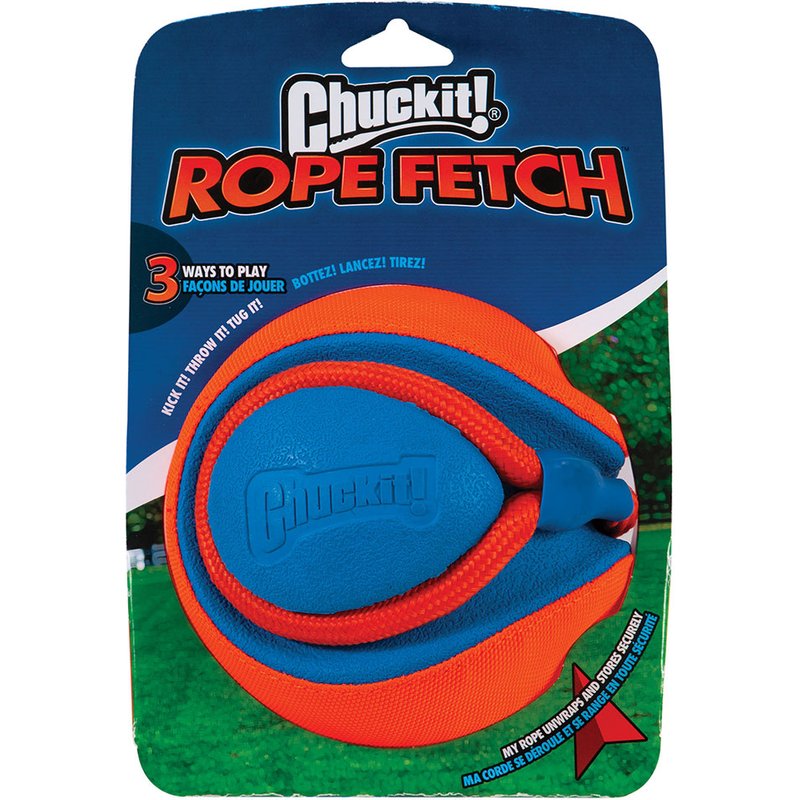
- Tuggers enjoy rope and knot toys. Tug is a good game as long as your dog lets go on cue.
- Gentle carriers are the dogs that can safely have plush and squeaky toys left out.
Size and safety
Size toys to the dog, not the price. A ball small enough to slip to the back of the throat can choke a big dog. Most rubber toys come in sizes by body weight, and if your dog falls between two sizes, go for the bigger one.
Check toys every week. Throw away anything that is cracked, split or losing stuffing, and take out squeakers that have come loose. Rope toys that are fraying into long threads should also go, as swallowed threads can cause serious gut problems.
When you go out, leave only toys your dog cannot destroy. Plush and tug toys are for supervised play.
Puzzle toys and brain games
Activity boards, snuffle mats and treat-dispensing toys make a dog work for its food, which tires many dogs as much as a walk. Start on the easiest setting so your dog succeeds quickly, then make it harder. A rubber feeding toy stuffed with part of the daily food and frozen overnight keeps most dogs busy far longer than a chew.
Use some of the day’s kibble rather than extra treats, or your dog will put on weight.
Training equipment
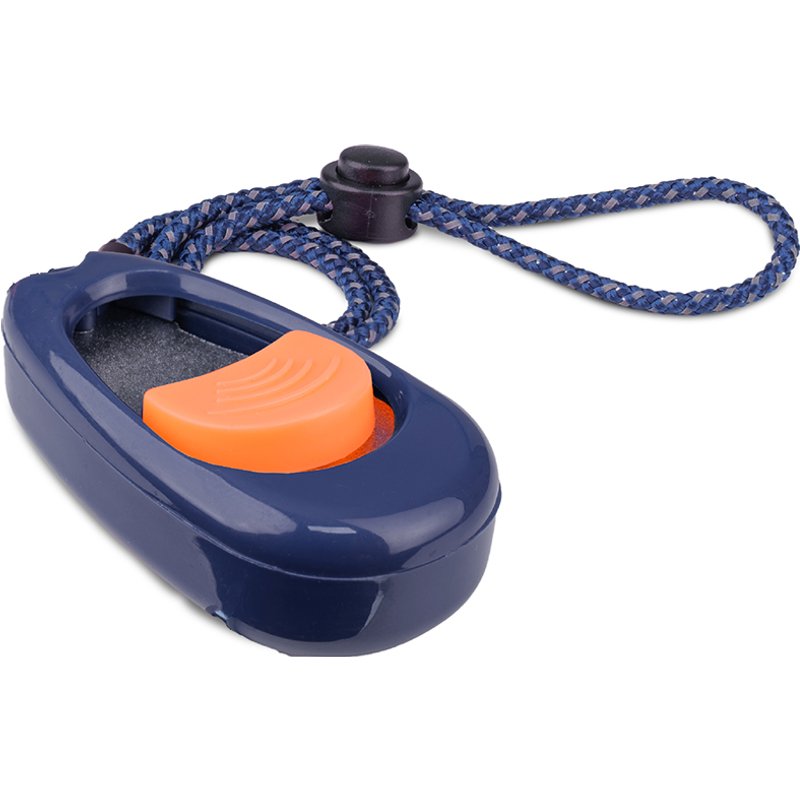
- Clicker. The click marks the exact moment your dog does something right. Before using it for training, click and immediately give a treat 10 or 20 times so your dog learns what the sound means. Always follow a click with a reward.
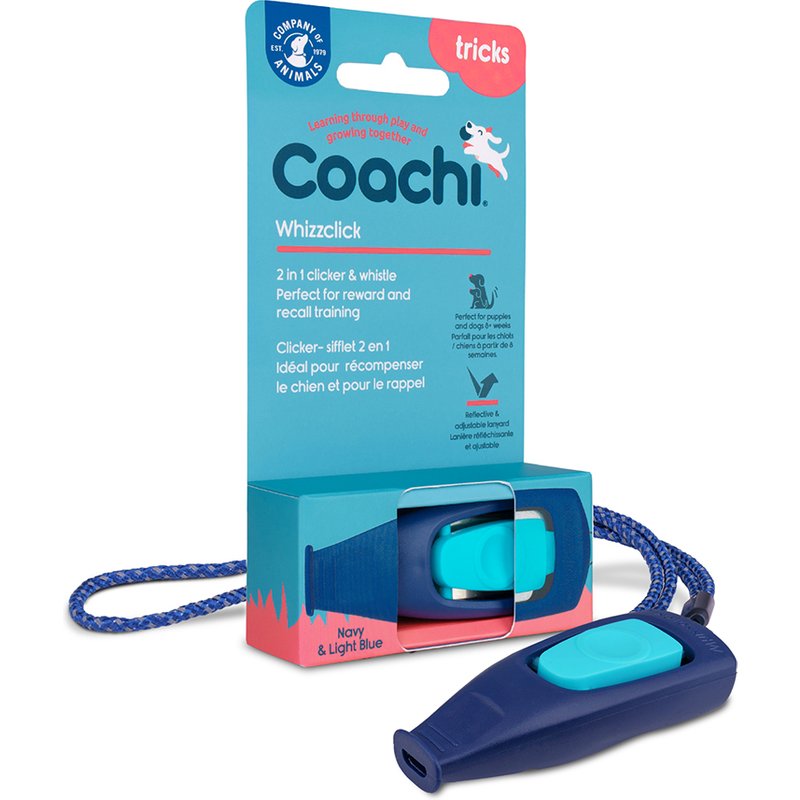
- Whistle. Carries further than your voice and sounds the same every time, which makes it useful for recall. Pick one signal and stick to it.
- Long lines. For recall practice in open spaces, see our leads and collars range. Use them on a harness, not a collar.
- Training treats should be tiny and soft. See dog treats.
Agility and dog sports
Agility jumps, tunnels and bridges are great fun for fit adult dogs. Puppies and young dogs should stick to low, gentle versions until they have finished growing, because repeated jumping and twisting puts strain on developing joints. Ask your vet when your dog is ready, particularly for large breeds, which grow for longer. Set equipment up on grass or rubber matting, never on a slippery floor.
Getting more from fewer toys
Dogs lose interest in toys that are always lying around. Keep a few out and rotate the rest every few days, and old toys feel new again. Playing with your dog, rather than just handing over a toy, is what most dogs value most.
Common questions
What toys are best for dogs that destroy everything?
Solid natural rubber toys designed for strong chewers last longest, such as heavy-duty rubber bones and the toughest grades of KONG. Avoid plush, thin plastic and rope for unsupervised chewing. Even tough toys wear out, so check them regularly.
How do I start clicker training my dog?
First ‘charge’ the clicker: click and give a small treat straight away, 10 to 20 times, until your dog looks up when it hears the click. Then click the moment your dog does what you want, such as sitting, and reward. Keep sessions short, a few minutes at a time.
How often should I replace my dog’s toys?
There is no fixed schedule. Replace a toy as soon as it splits, cracks, frays into long threads or loses stuffing or squeakers. Strong chewers may get through toys in weeks, while gentle dogs can keep the same toy for years.
When can my puppy start agility?
Puppies can learn foundation skills such as focus, walking over low planks and going through short tunnels. Jumping and weaving should wait until your dog has finished growing, which takes longer in large breeds. Ask your vet when your dog’s joints are ready.