
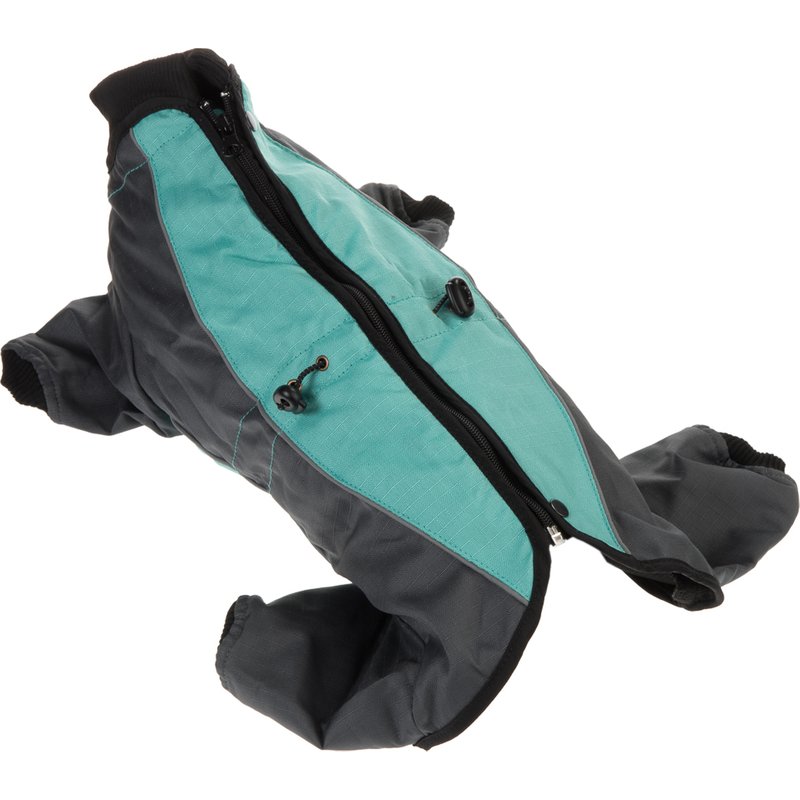
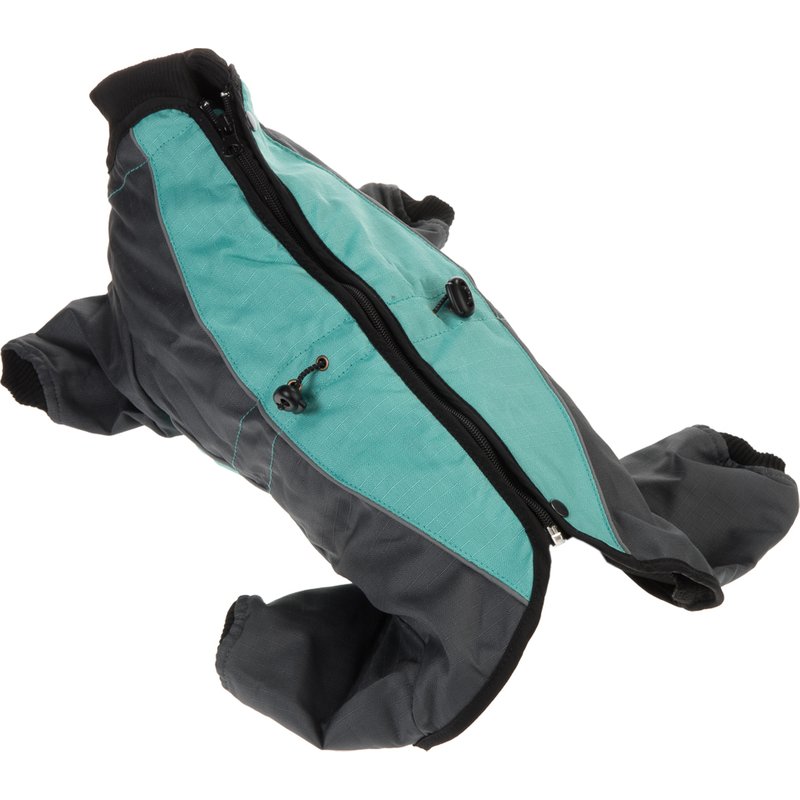
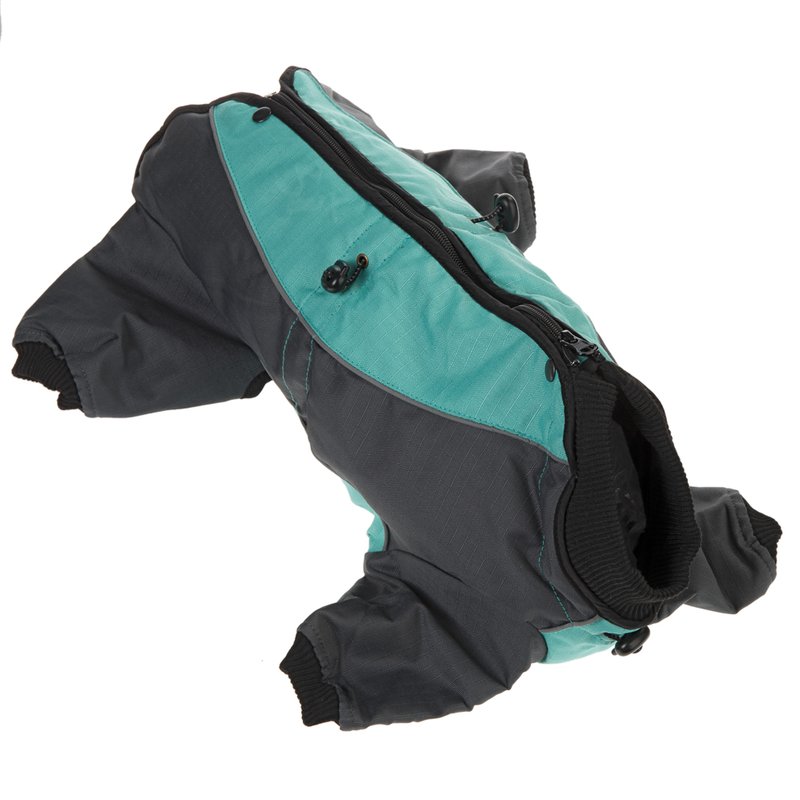
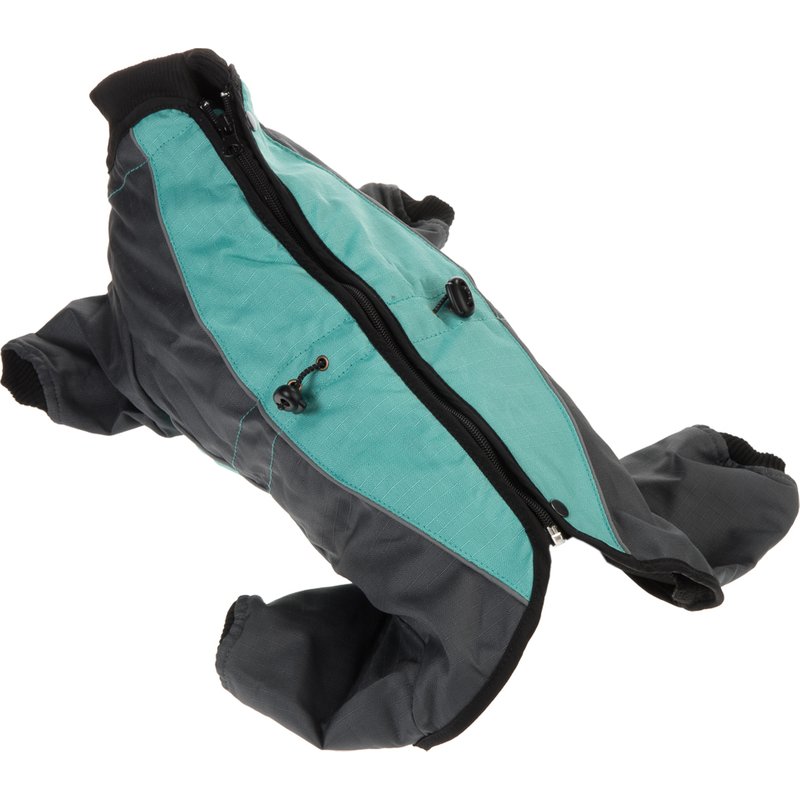
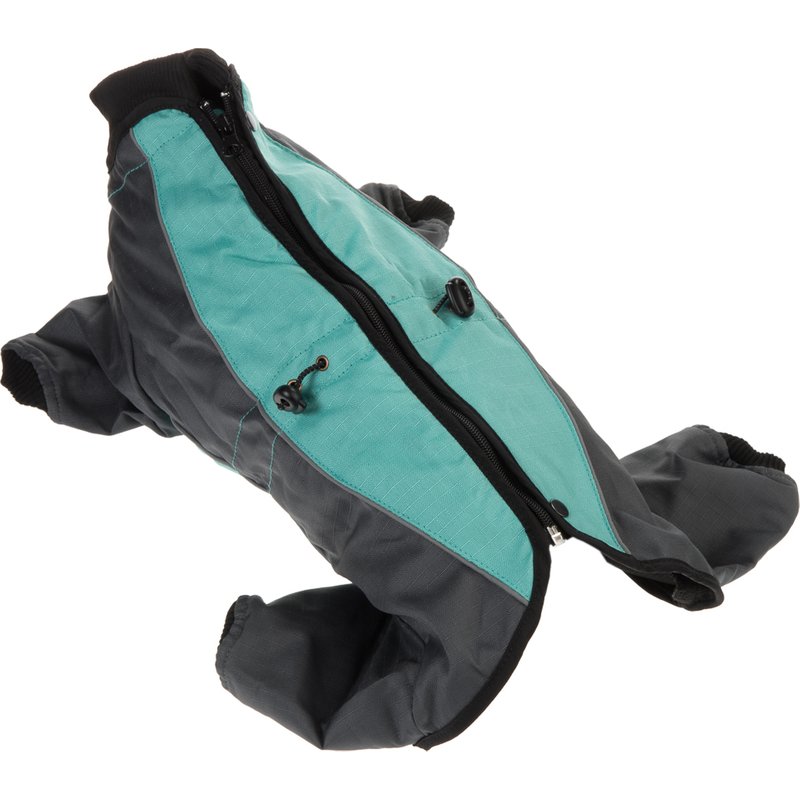
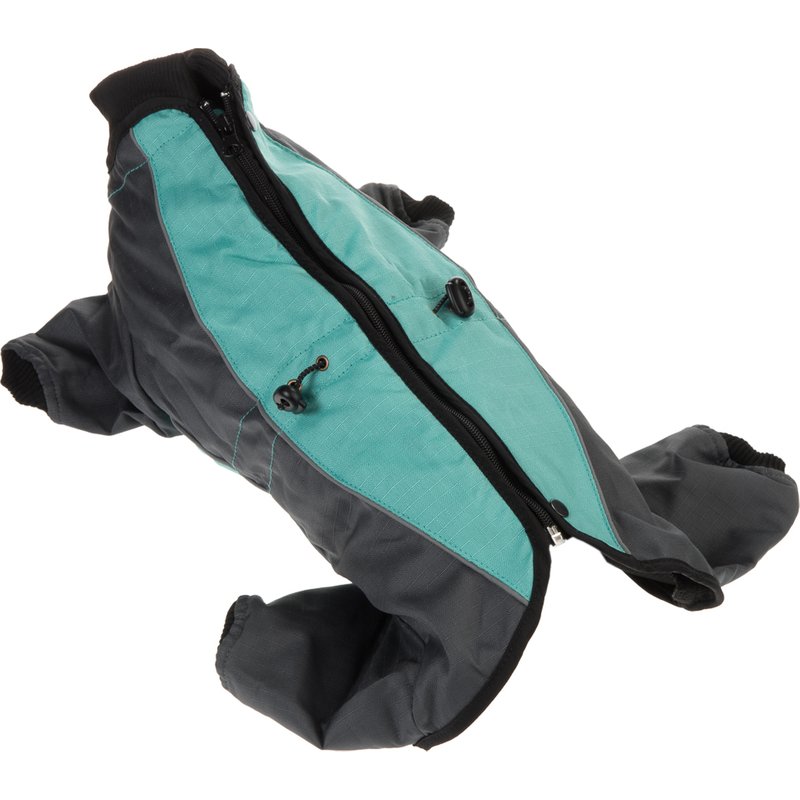
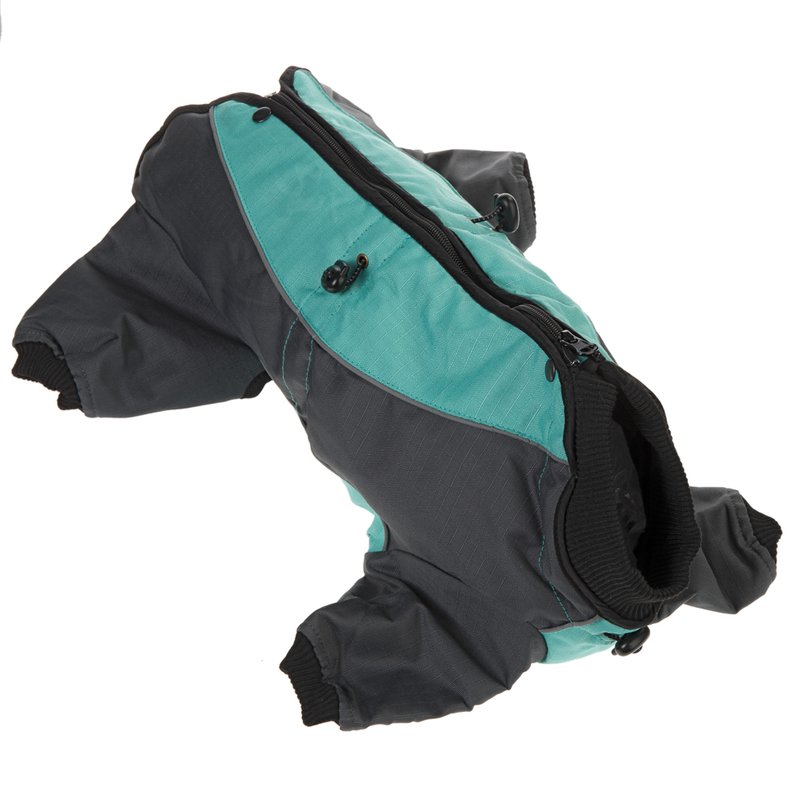
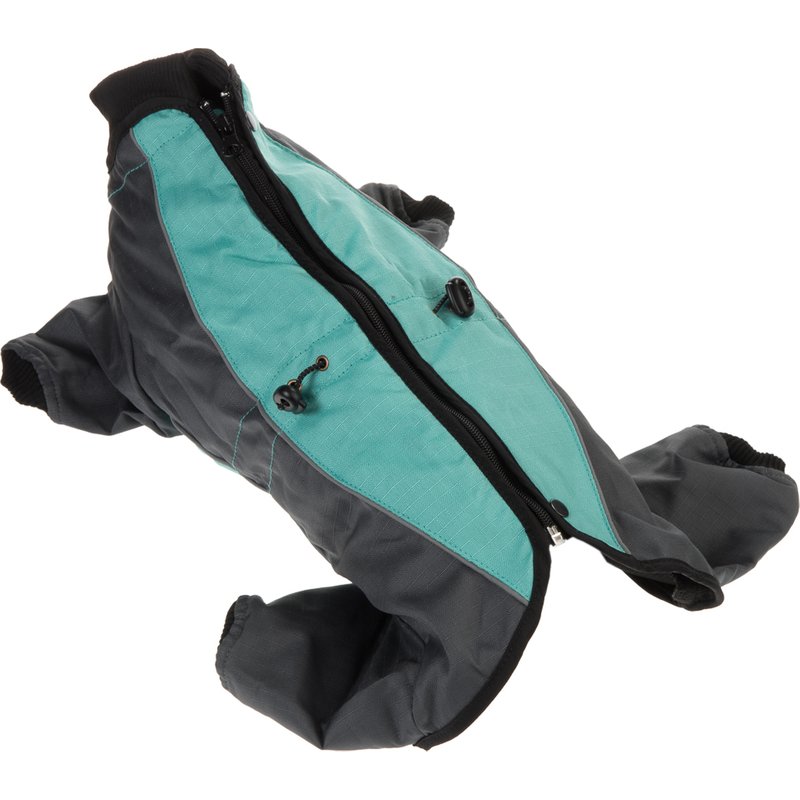
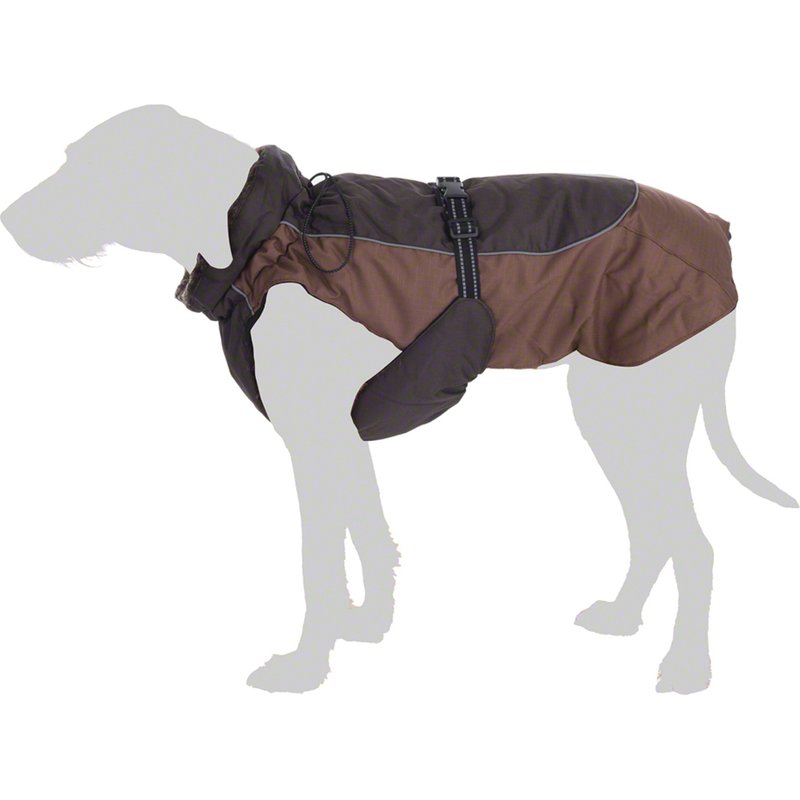
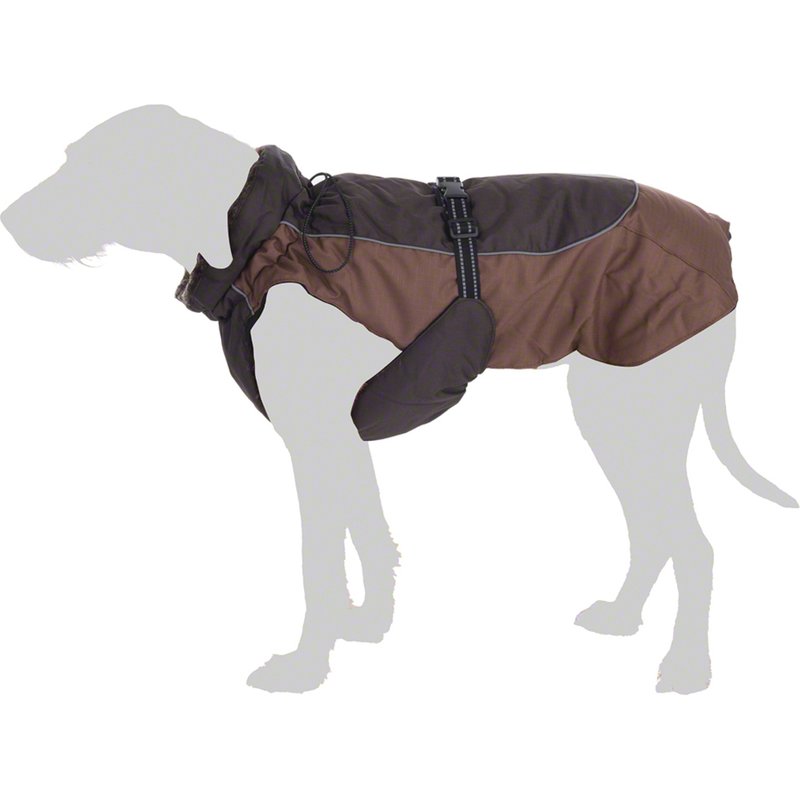
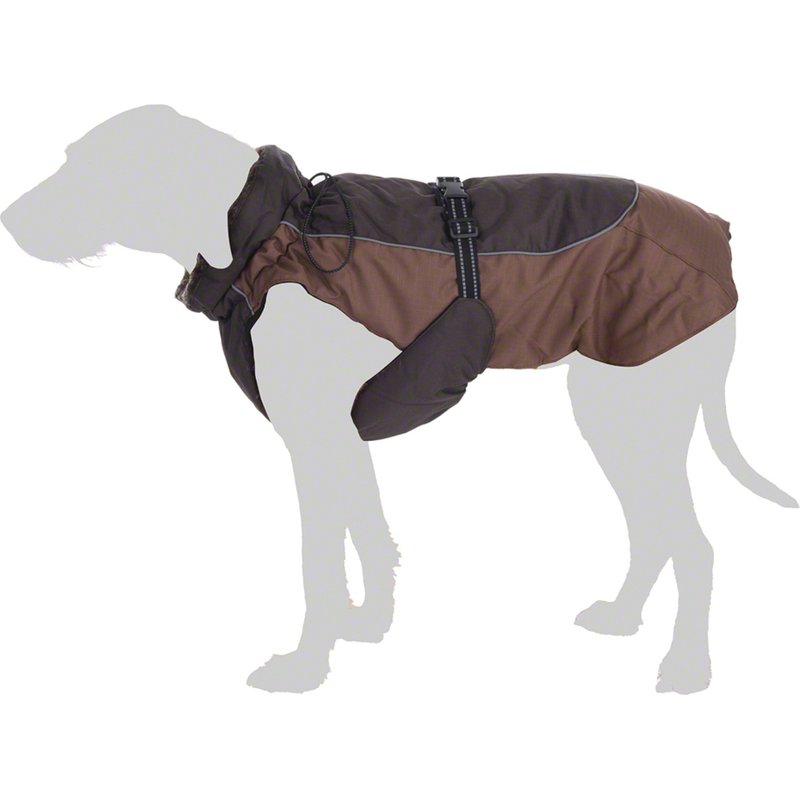
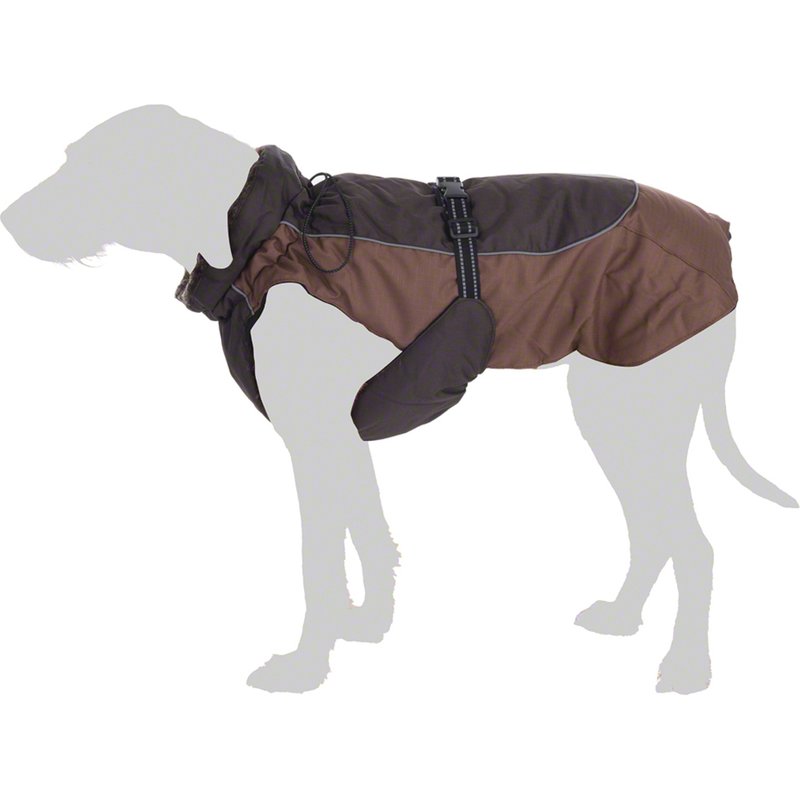
Does your dog need a coat?
Plenty of dogs are perfectly comfortable in British weather without one. A coat makes most sense for:
- Thin-coated and lean breeds such as Greyhounds, Whippets, Lurchers and Italian Greyhounds, which have little body fat and a fine single coat.
- Small and toy breeds, which lose heat quickly and are closer to wet ground.
- Short-coated breeds with little undercoat, on cold or wet days.
- Older dogs, dogs that are unwell and dogs that have been clipped short.
Thick double-coated breeds such as Huskies, Malamutes and most Collies are built for the cold and rarely need one. They can overheat in a padded coat.
Types of dog clothing
- Waterproof raincoats keep the dog dry and save on towels. Look for a lining if it is also meant to keep the dog warm.
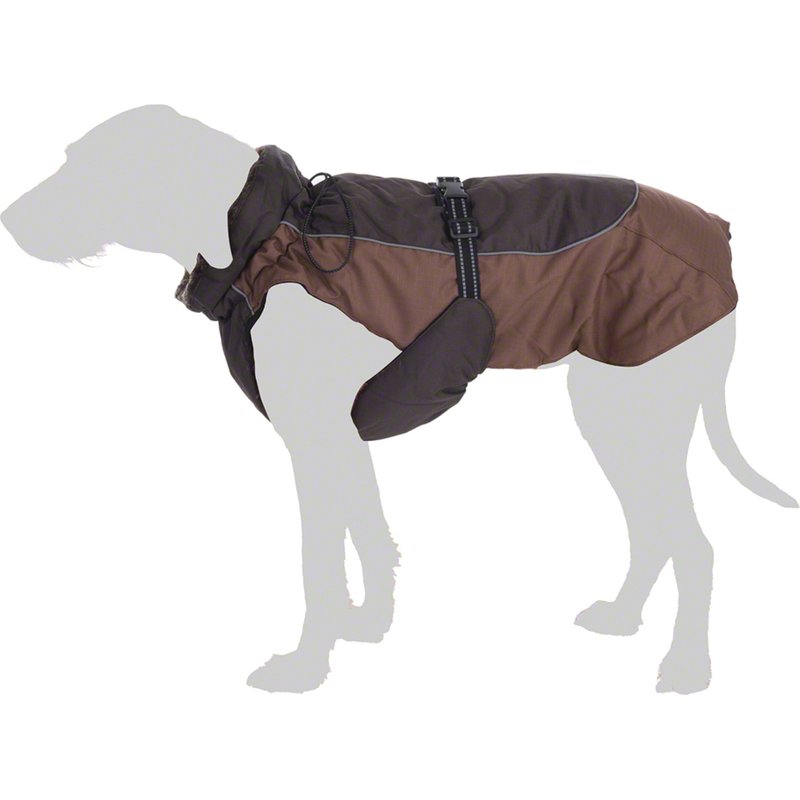
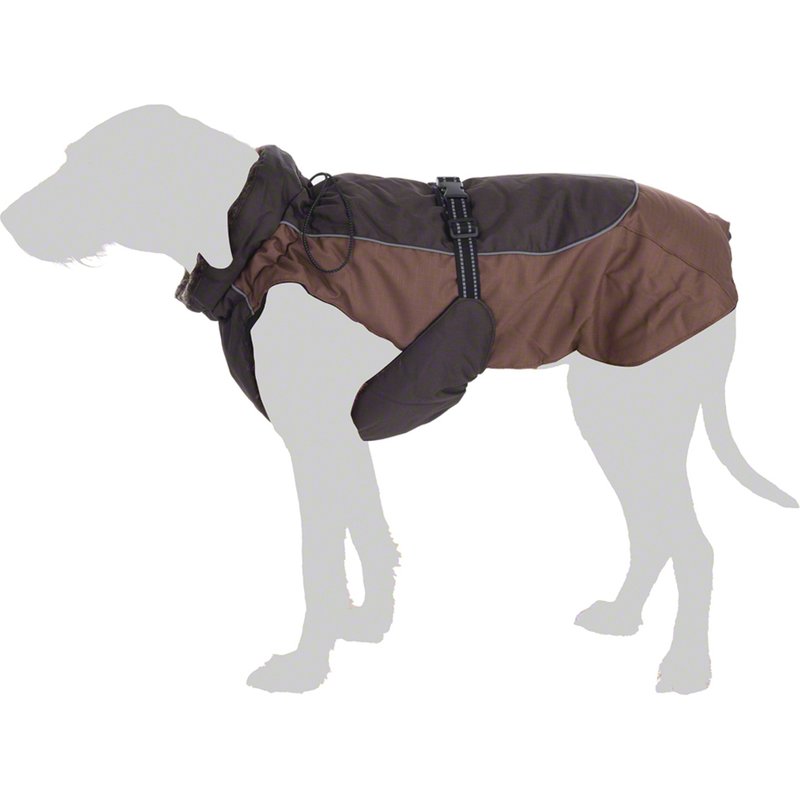
- Padded and quilted coats for cold days and dogs that feel the cold.
- Fleeces and jumpers for indoor chill and dry, cold walks. Fleece is warm but not waterproof.
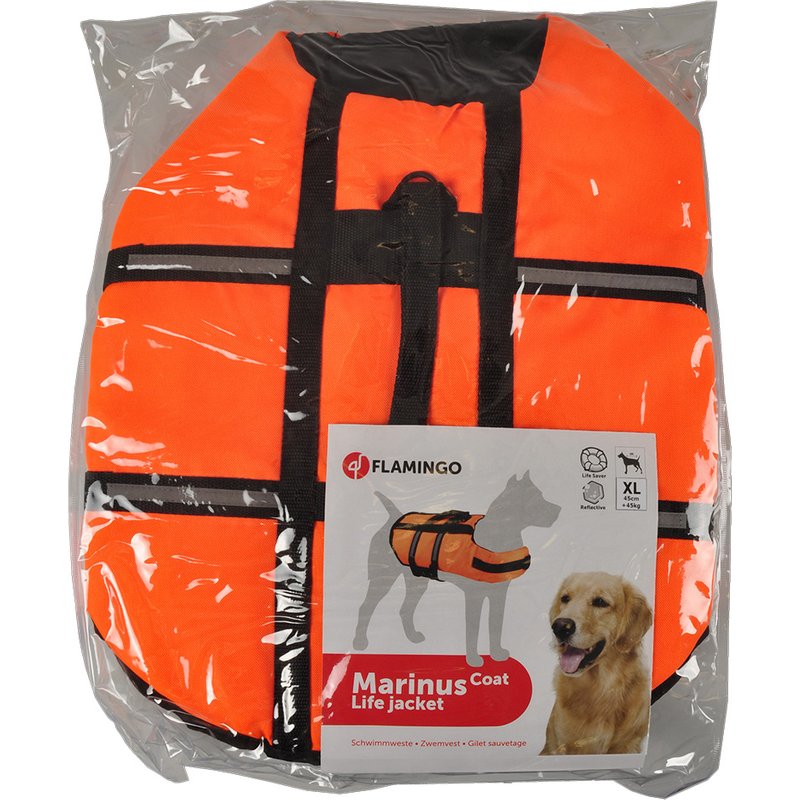
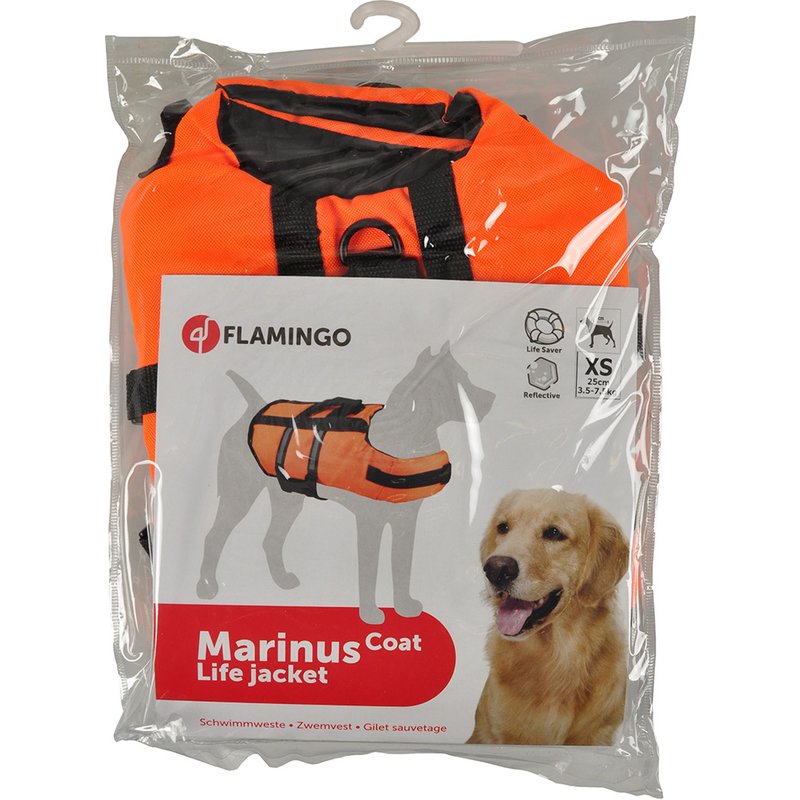
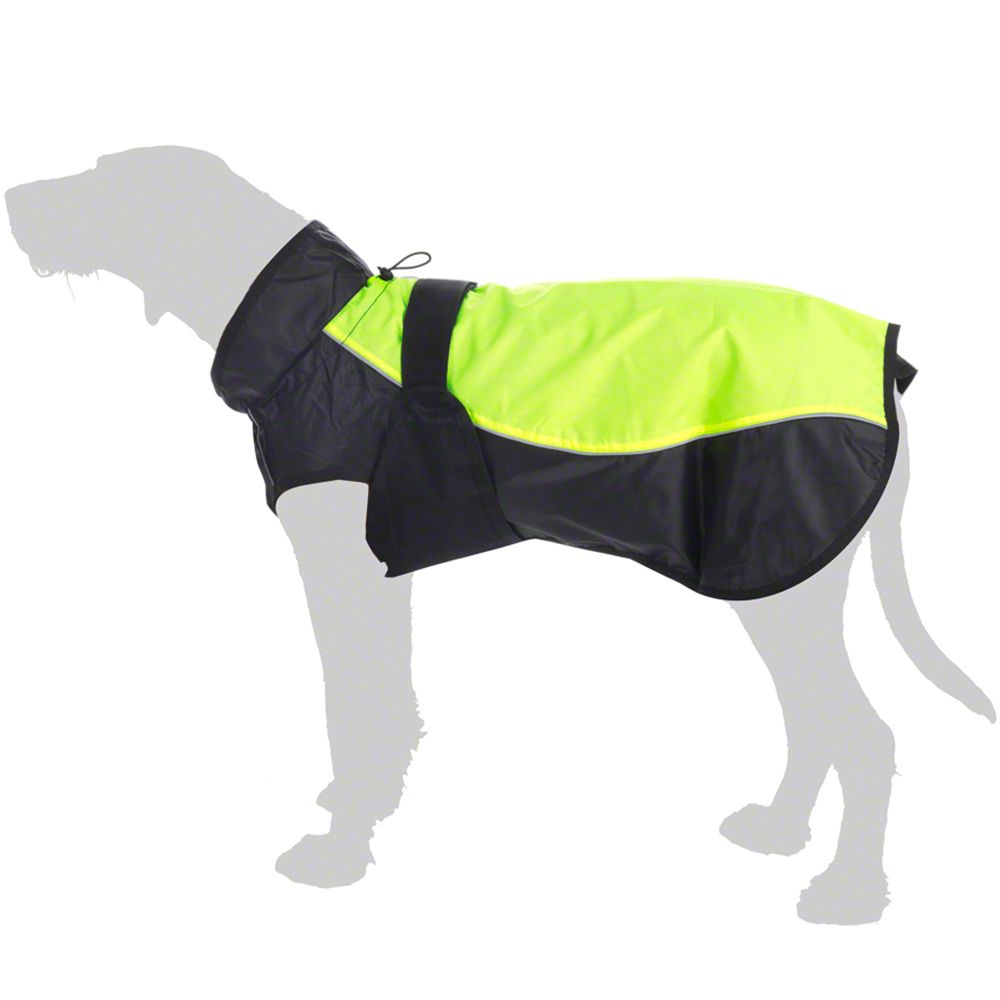
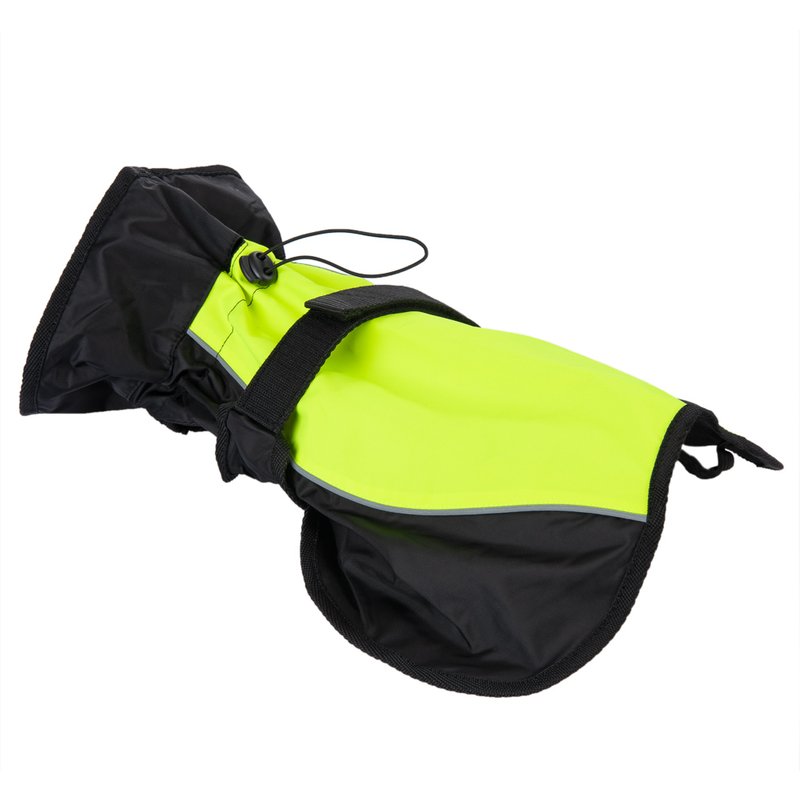
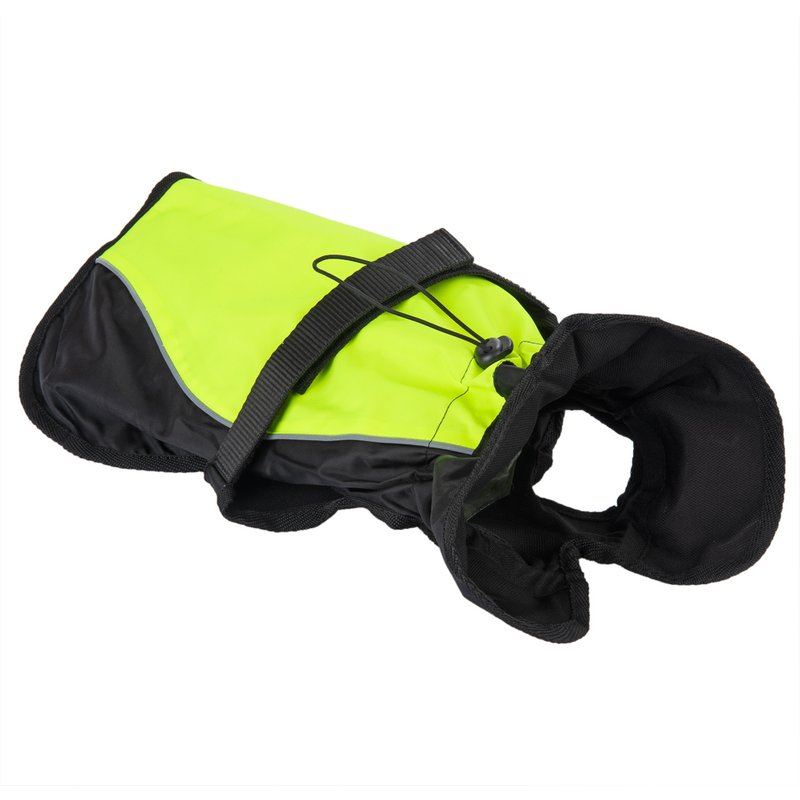
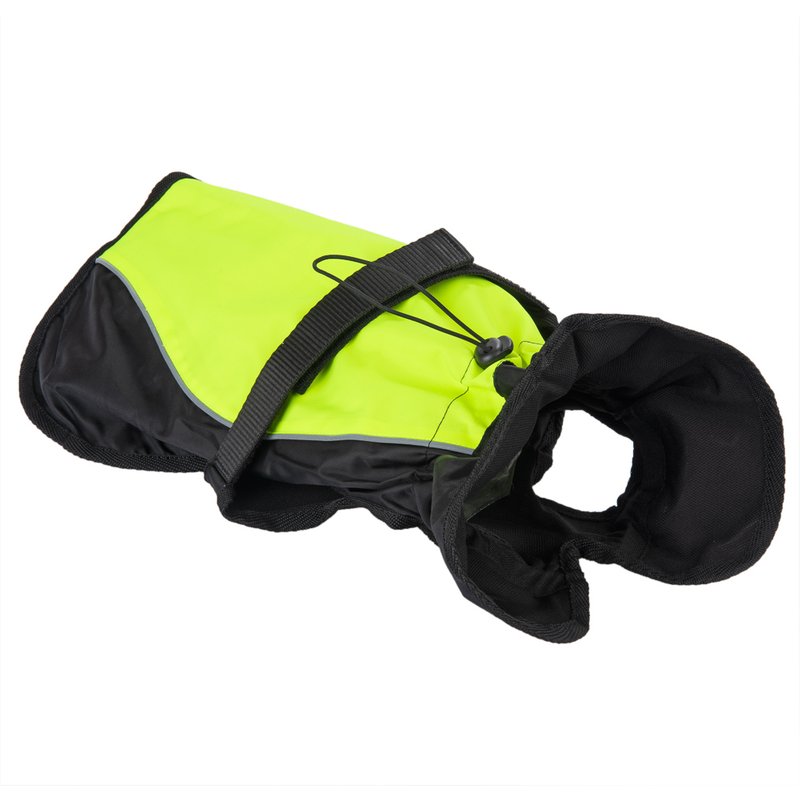
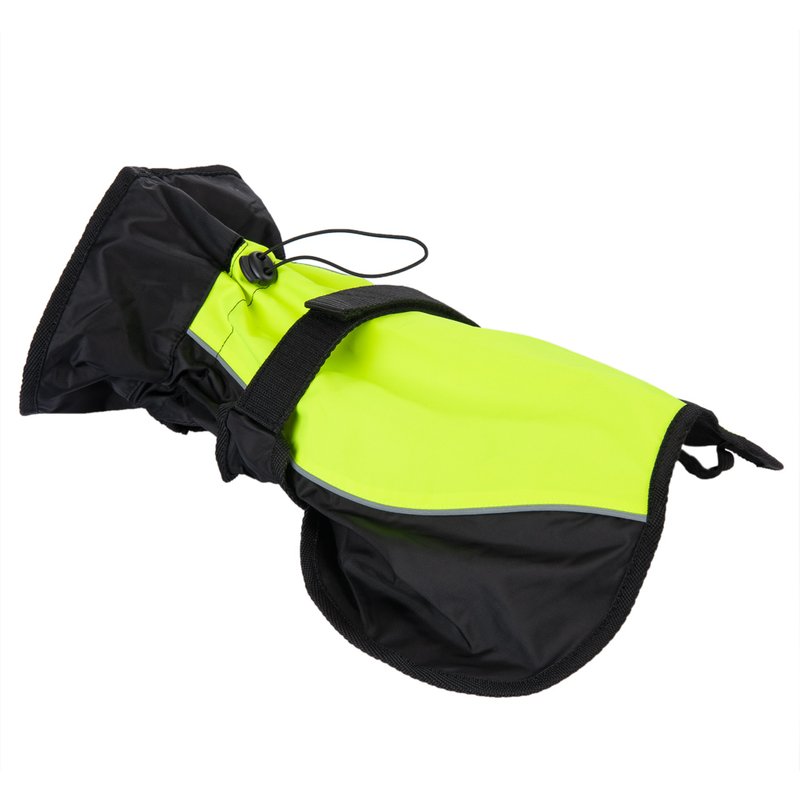
- High-visibility and reflective coats for dark winter mornings and evenings, near roads or in the countryside. A coat with reflective strips or bright neon fabric makes your dog visible to drivers and cyclists far sooner.
- Drying coats made from towelling or microfibre, used after walks, swimming or a bath.
How to measure
Dog coats are usually sized by back length: measure from the base of the neck, where the collar sits, to the base of the tail. Then check two more measurements:
- Chest girth: around the widest part of the chest, just behind the front legs.
- Neck: around the neck where the collar sits.
Deep-chested breeds such as Greyhounds and Whippets often need a breed-specific cut, as standard coats that fit the back length are too tight at the chest. If your dog is between sizes, go by the chest measurement.
Getting the fit right
A good coat lets your dog walk, run, sit and toilet without the fabric pulling. Check for rubbing under the front legs, where most chafing happens. On male dogs, the belly panel needs to stop short of where they wee. You should be able to slide two fingers under the straps.
Introduce the coat gradually. Let your dog sniff it, put it on for a few minutes with treats, then take it off. Most dogs accept a coat quickly if the first experience is positive.
Care and safety
- Take coats off indoors. Dogs can overheat in a warm house.
- Dry a wet coat between walks, and check the skin underneath if your dog wears one every day.
- Do not leave a dog unsupervised in clothing, as straps can get caught.
- Wash according to the label. Waterproof coats keep their proofing longer if washed gently and not tumble dried.
Pair a reflective coat with a light-up or reflective collar for the darkest months.
Common questions
Does my dog need a coat in winter?
It depends on the dog. Thin-coated breeds such as Greyhounds and Whippets, small breeds, older dogs and clipped dogs often benefit. Dogs with thick double coats usually do not. Signs your dog is cold include shivering, hunching up or reluctance to walk.
How do I measure my dog for a coat?
Measure the back length from the base of the neck, where the collar sits, to the base of the tail. Also measure the chest around its widest point behind the front legs, and the neck. Compare all three with the size chart and go by the chest if they disagree.
Should my dog wear a coat indoors?
Generally no. Most homes are warm enough, and a coat can make a dog overheat. Very thin or elderly dogs in a cold house may be more comfortable in a light jumper, but take it off if your dog pants or seeks out cool spots.