
Getting the size right
Measure your dog lying down, stretched out on its side, from the tip of the nose to the base of the tail. Then add roughly 15 to 30cm, more for big dogs that sprawl. A bed that matches your dog’s length exactly is too small: legs and head end up hanging over the edge.
Check whether the listed size is the outside measurement or the sleeping area. On beds with thick bolsters, the space inside can be 20cm or more smaller than the outer dimensions.
Match the bed to how your dog sleeps
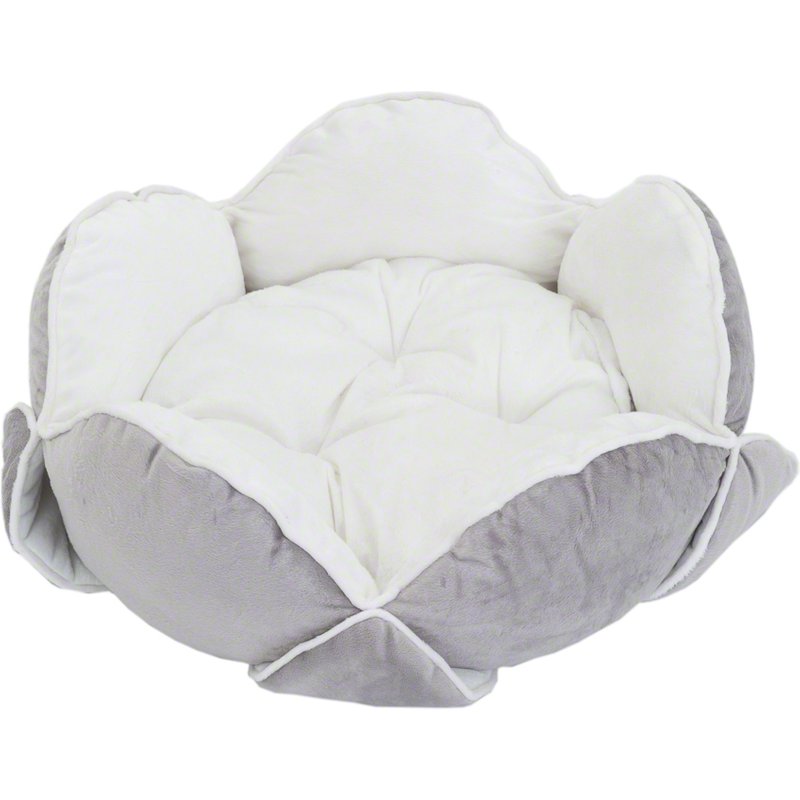
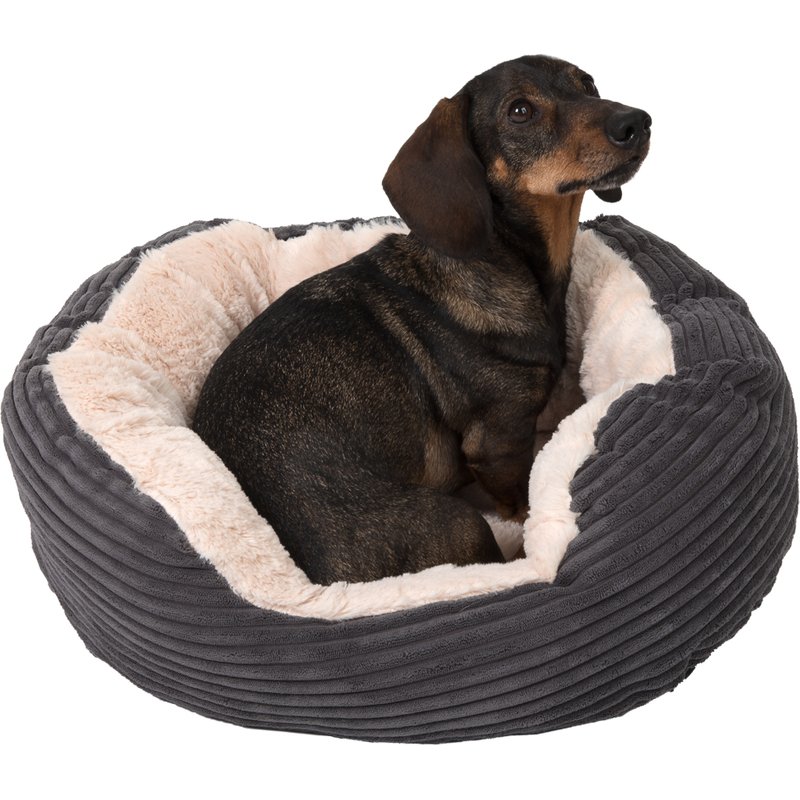
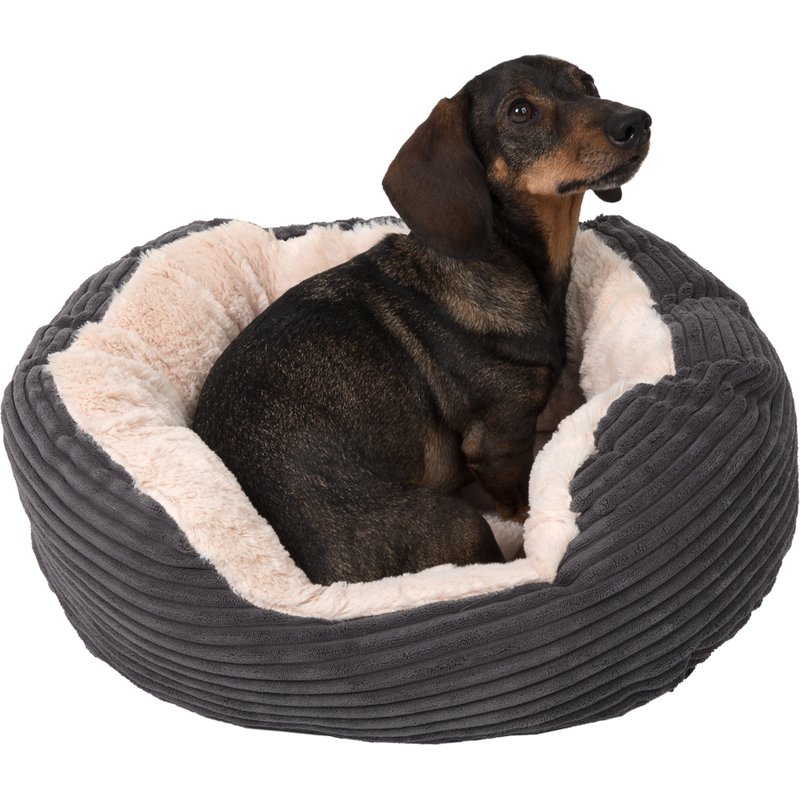
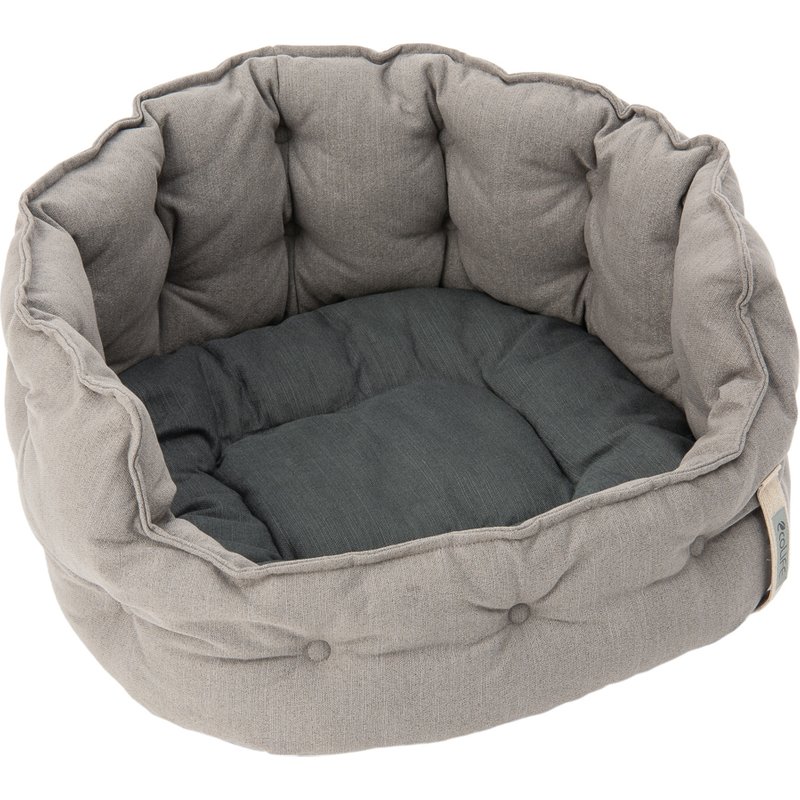
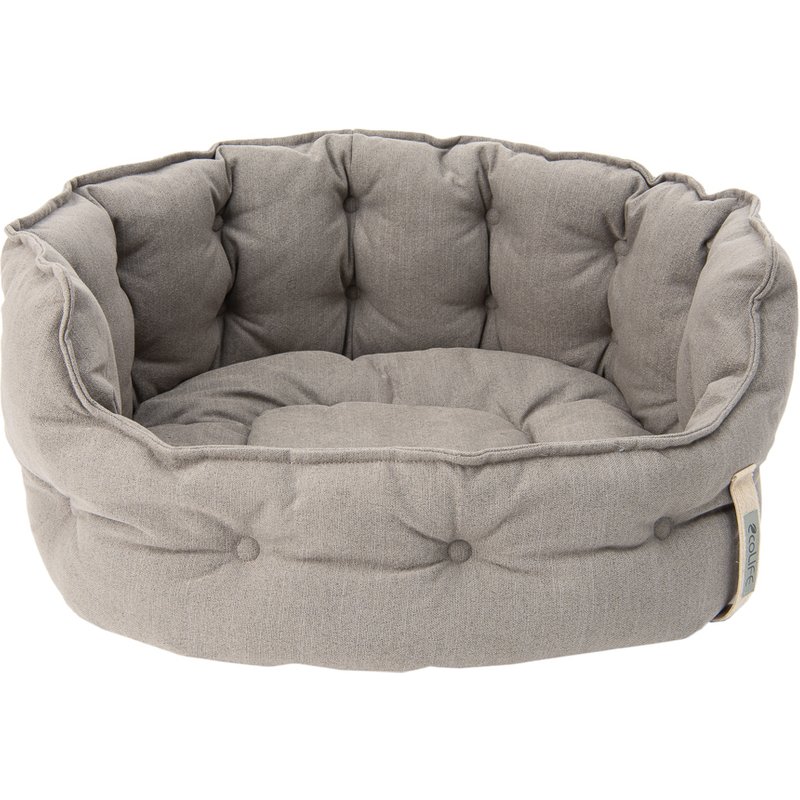
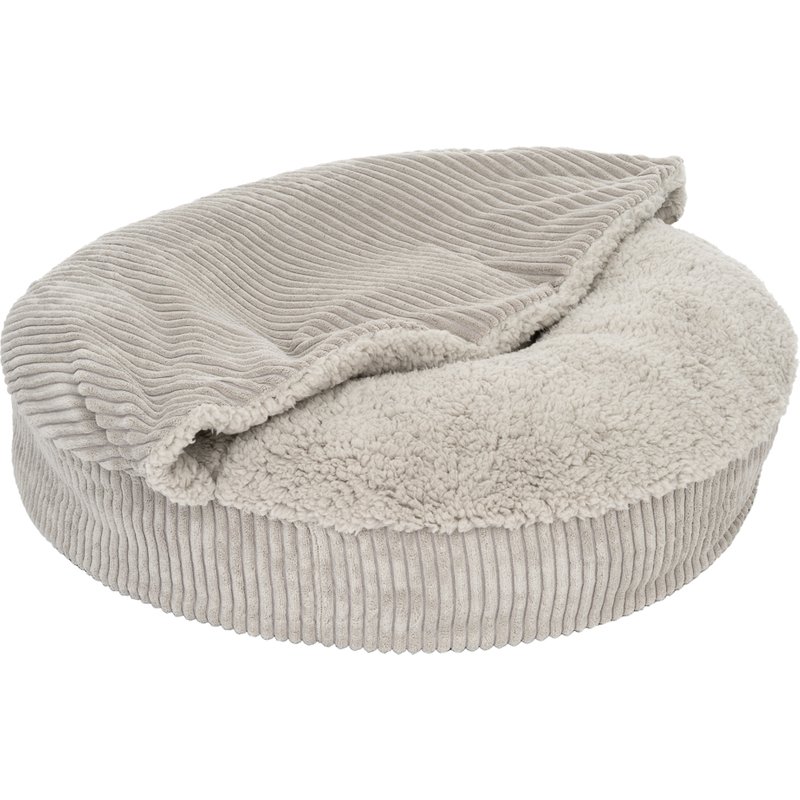
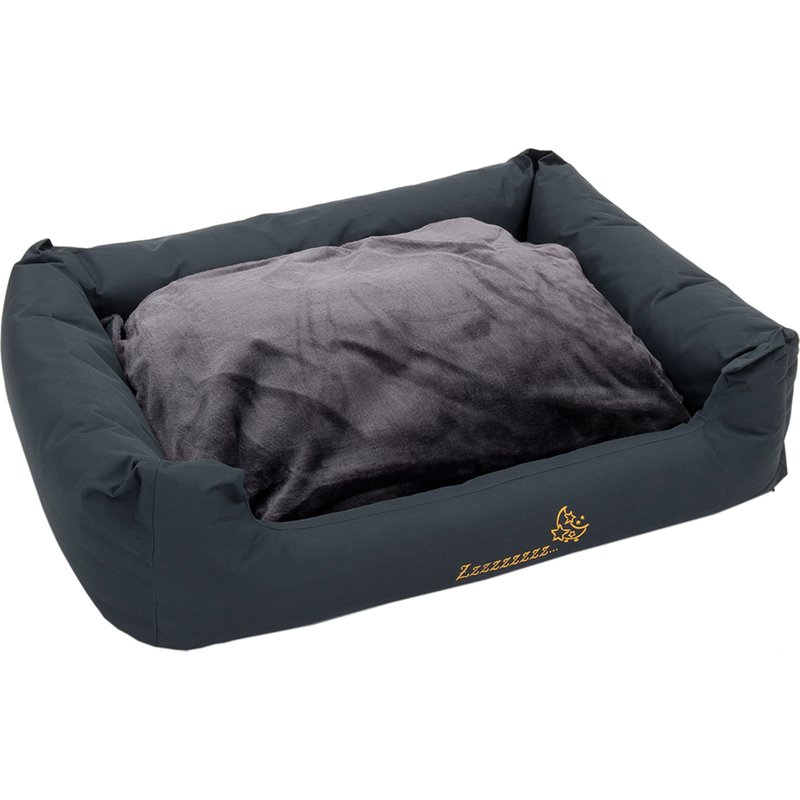
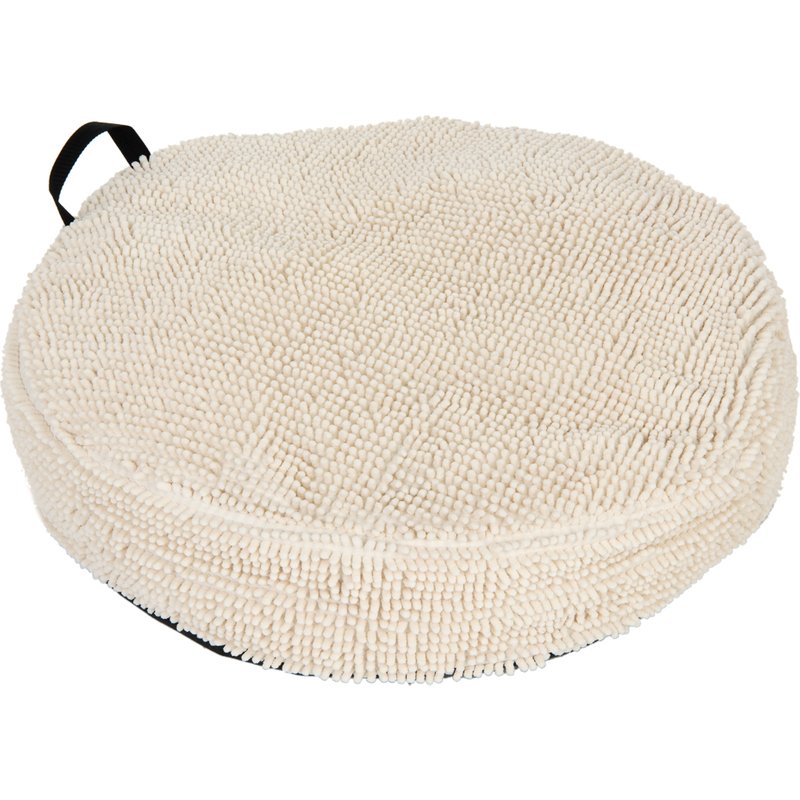
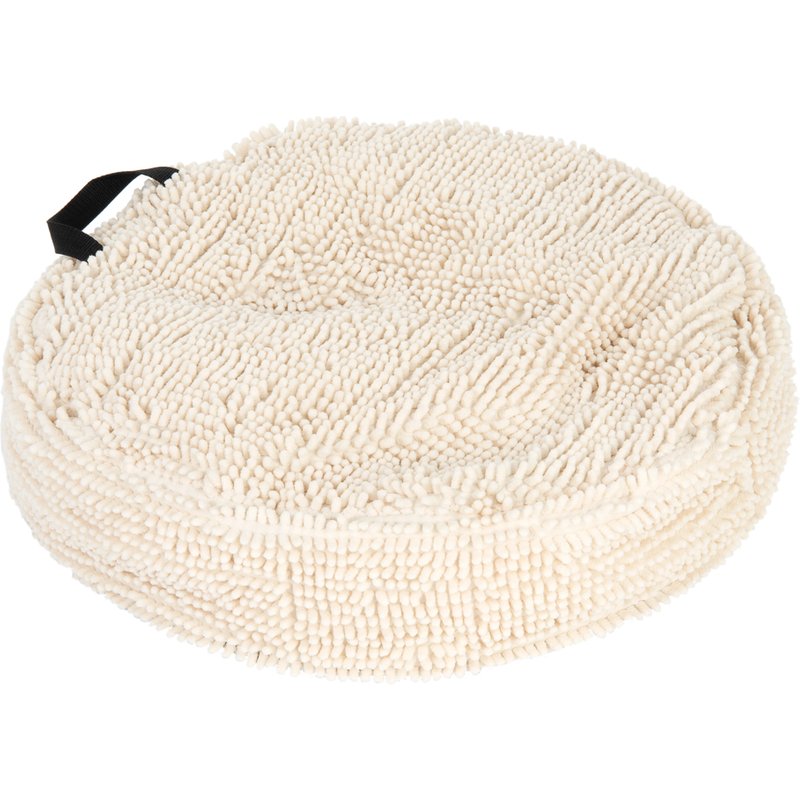
- Curlers sleep in a tight ball. Round, donut and high-sided basket beds suit them, as they like something to lean against.
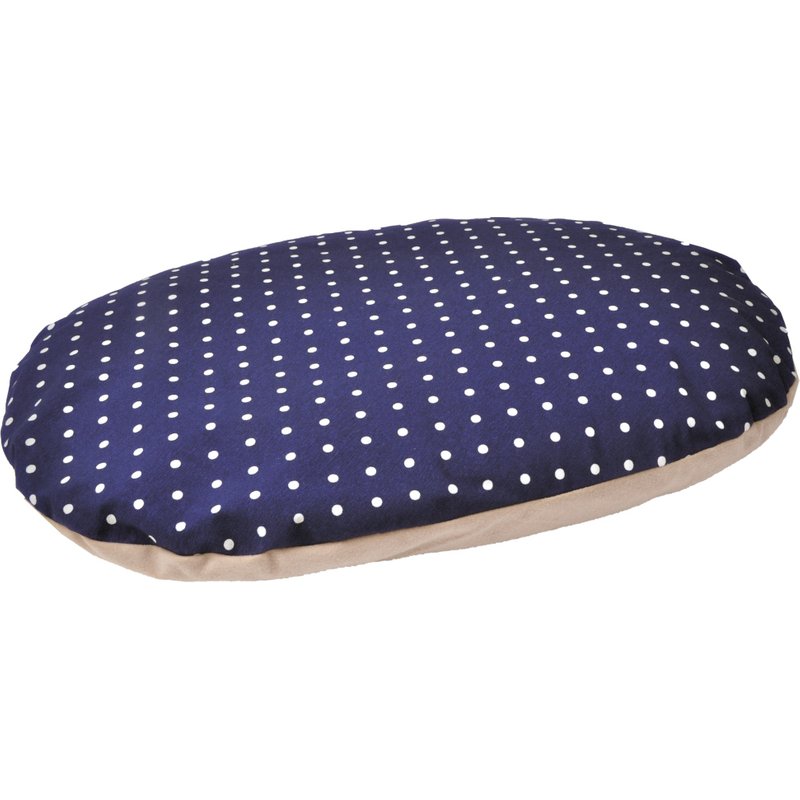
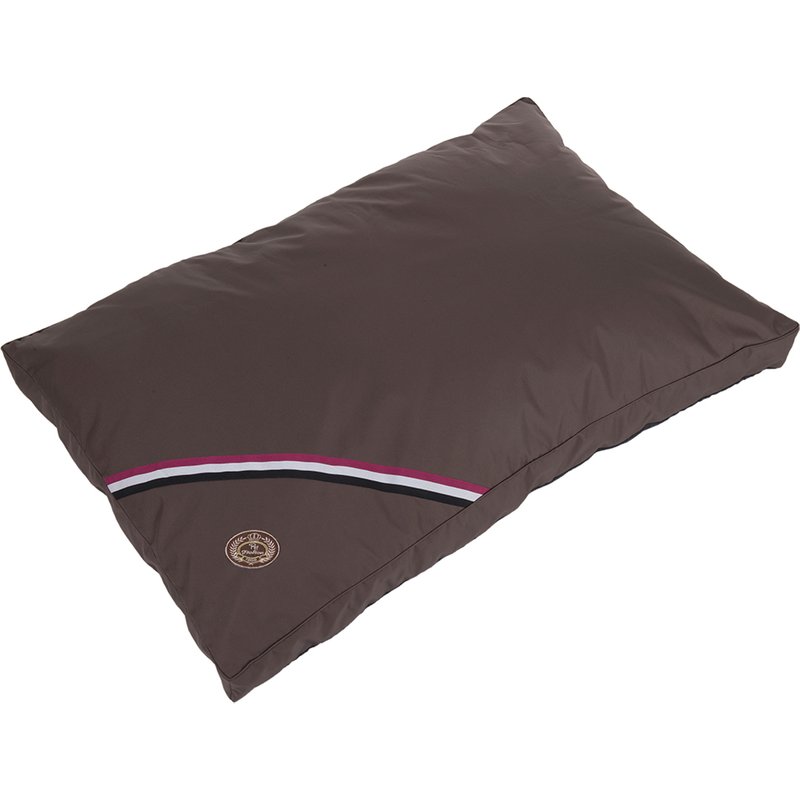
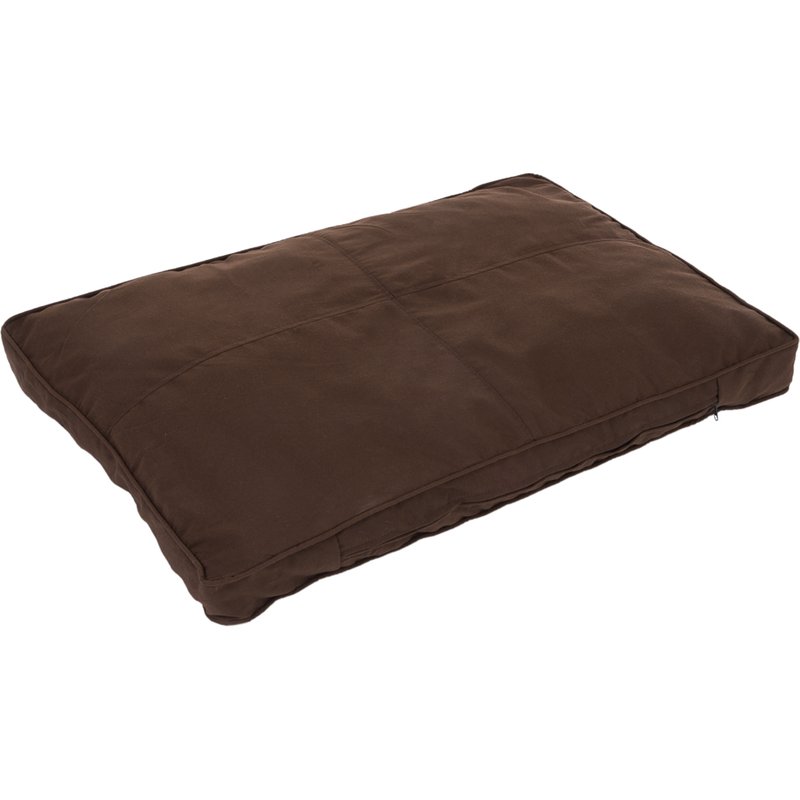
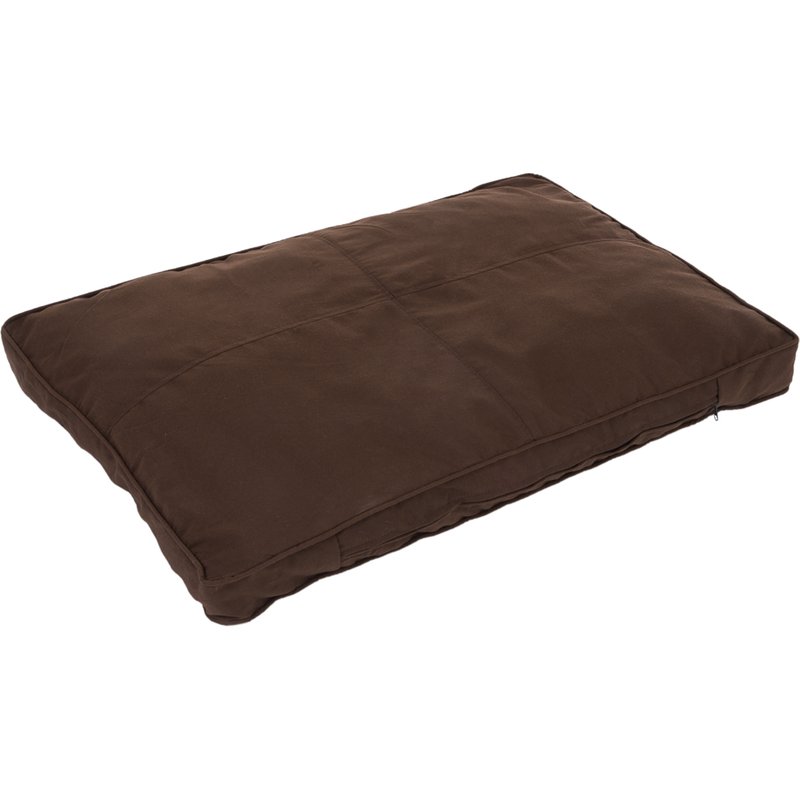
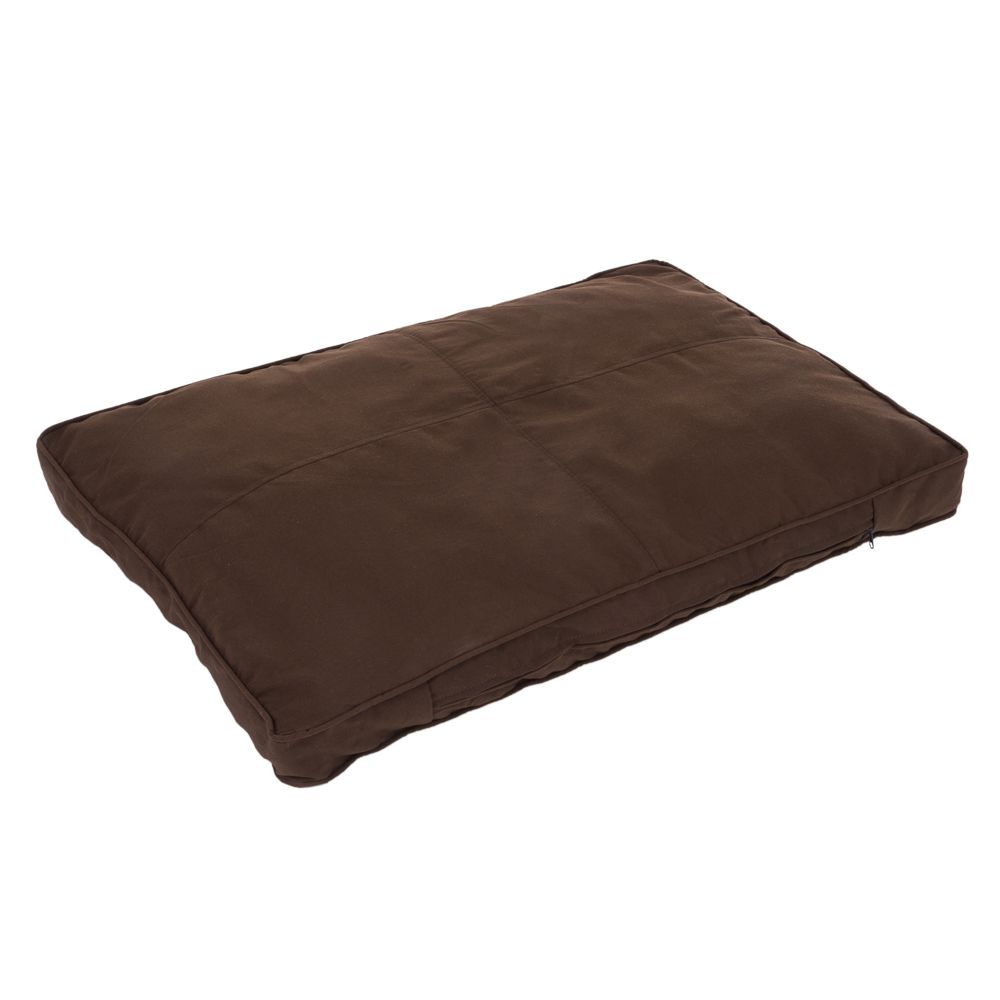
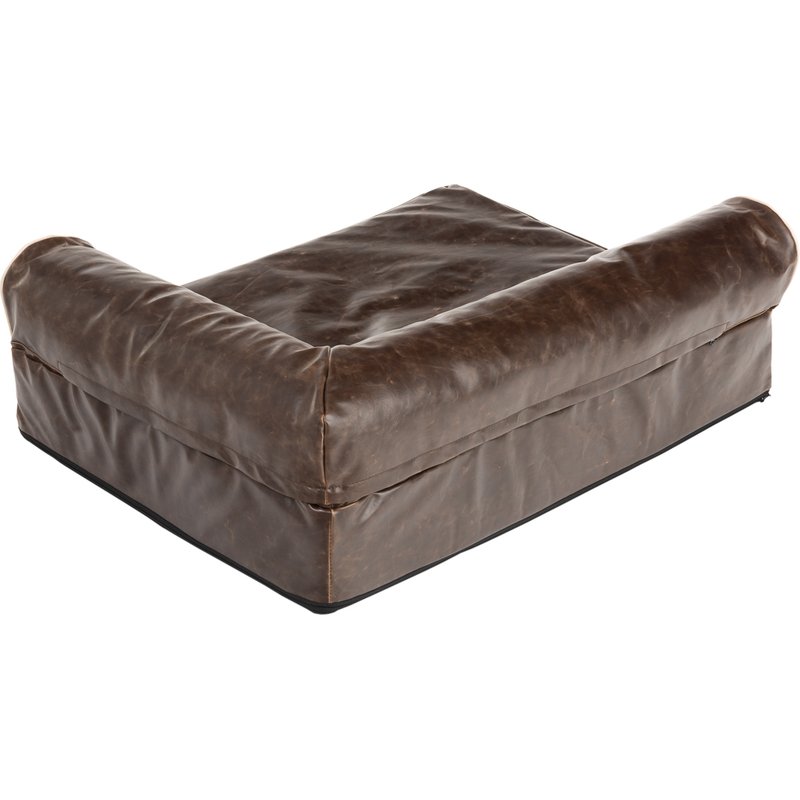
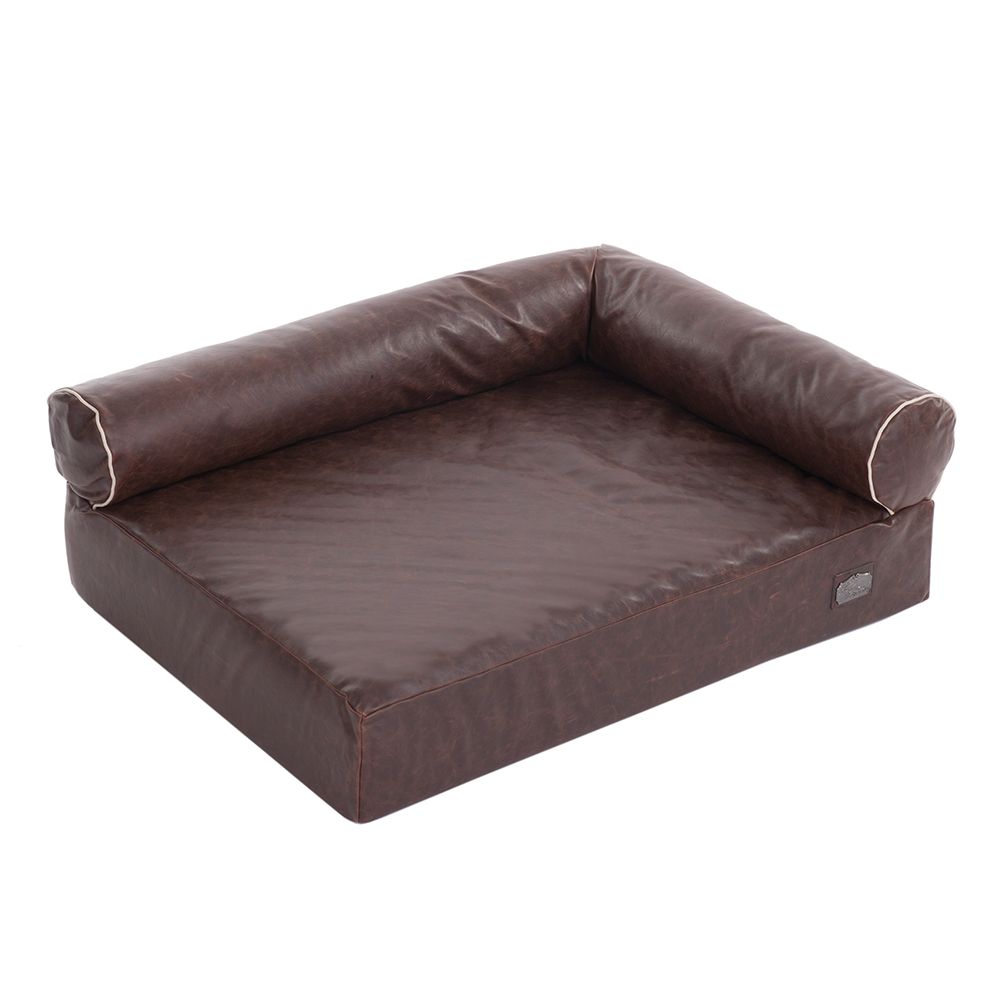
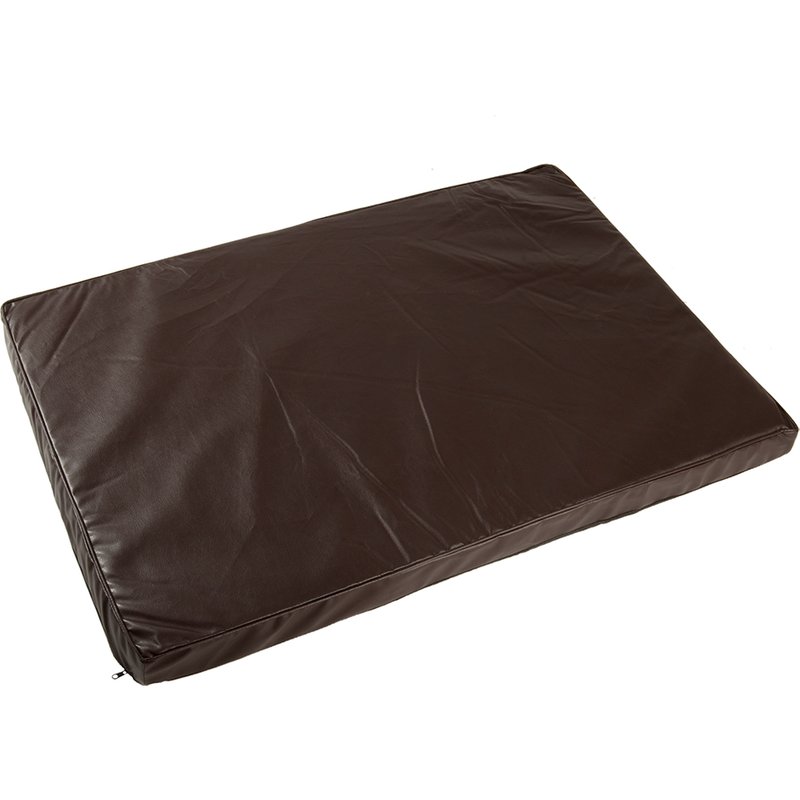
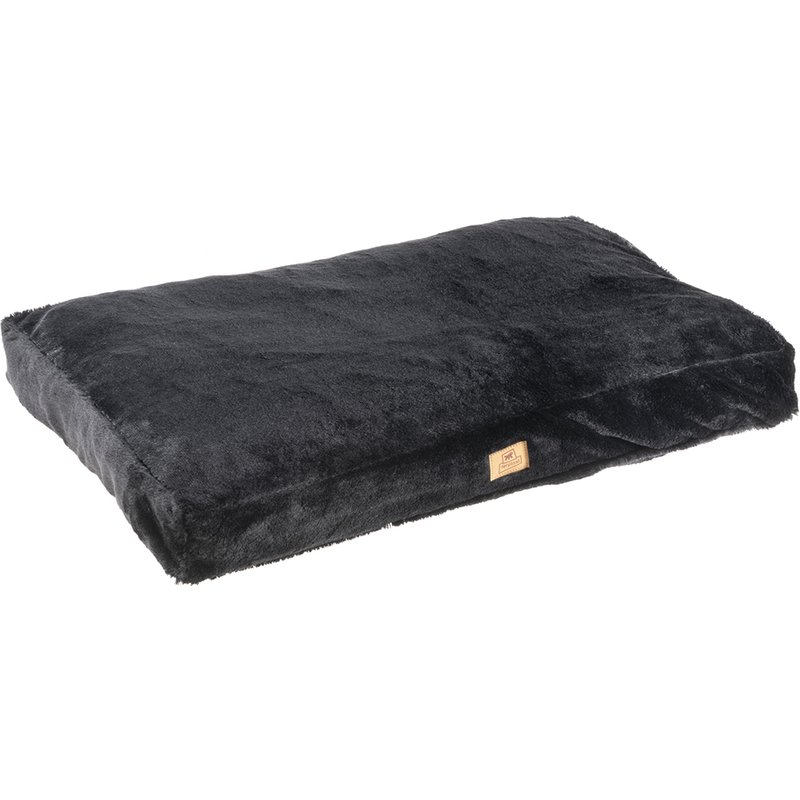
- Sprawlers stretch out flat on their side. A rectangular mattress or flat cushion gives them room.
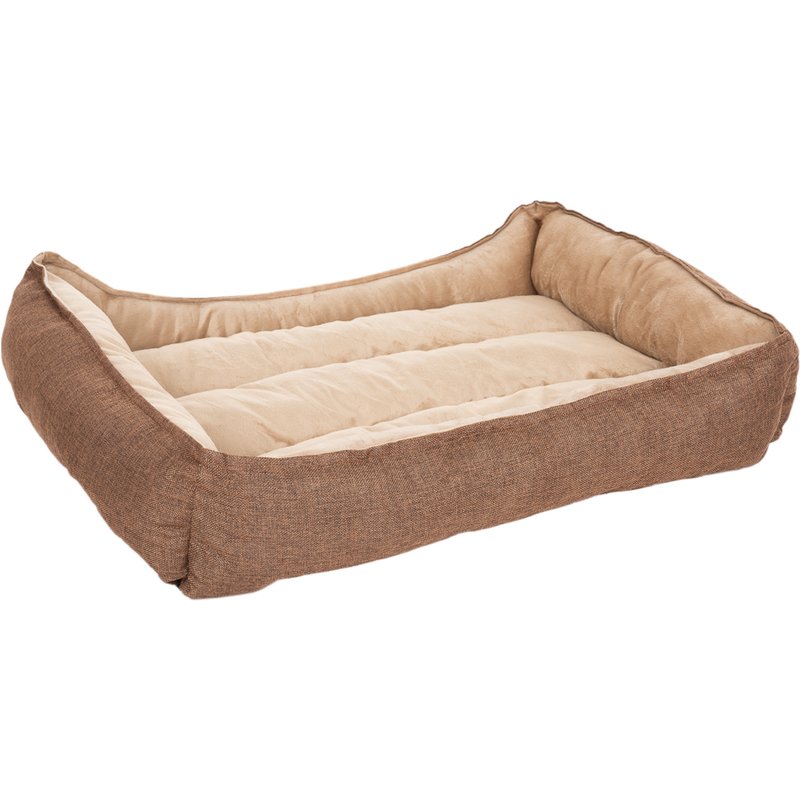
- Leaners and pillow lovers rest their head on the edge. Look for a bed with a bolster on at least one side.
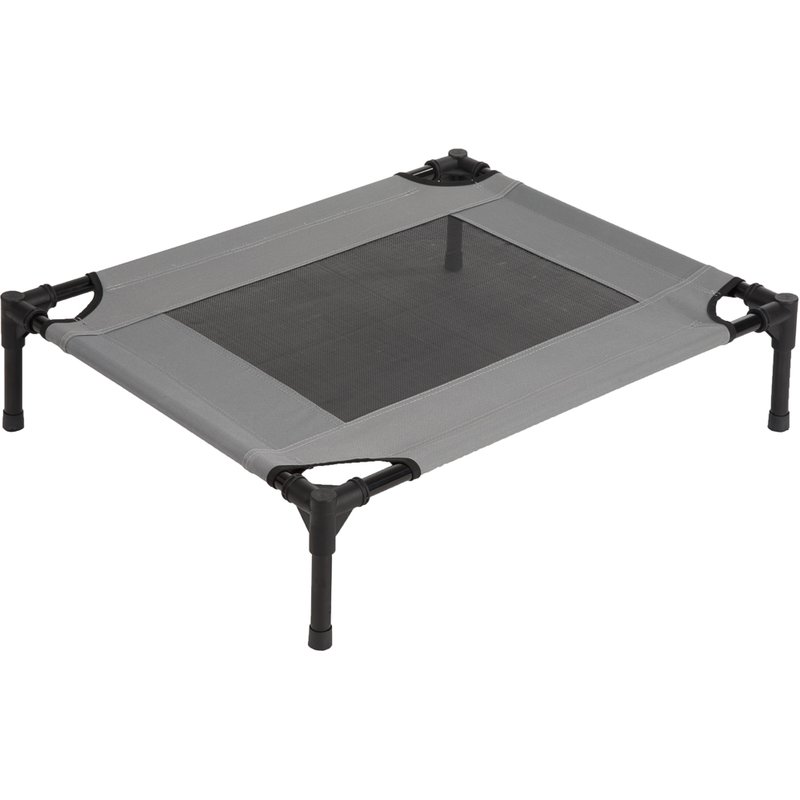
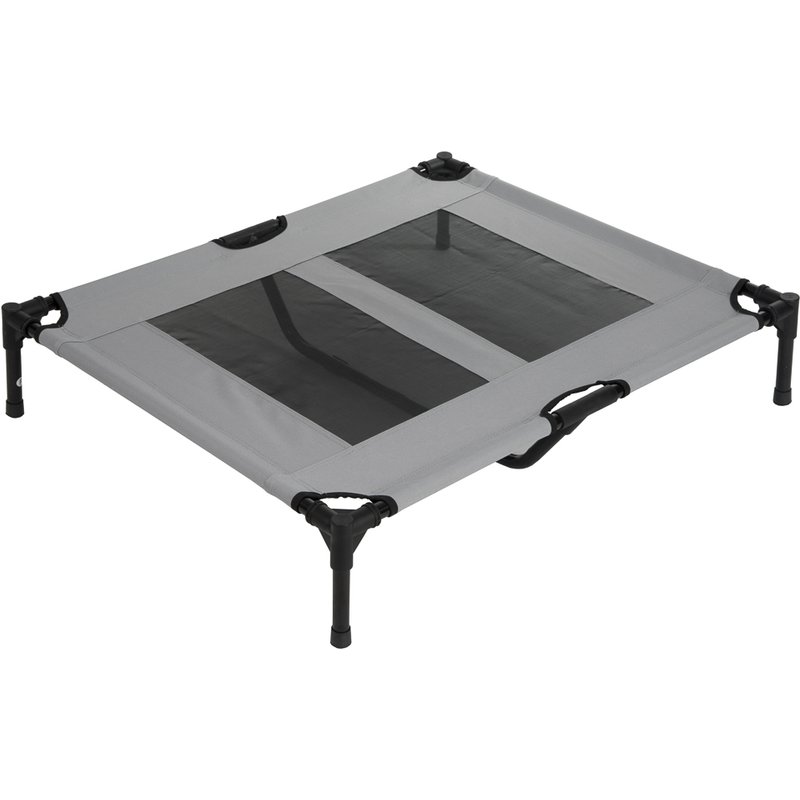
- Hot dogs that move to the kitchen floor at night may prefer a raised mesh bed or a thin mattress over a deep, enclosed one.
Support for older and larger dogs
Older dogs, heavy breeds and dogs with stiff joints benefit from orthopaedic beds made from memory foam or dense foam. The key is depth and density: a thin layer of soft foam flattens under a 40kg dog, and it ends up lying on the floor. Press your hand into the centre. If you feel the floor easily, it will not support a big dog.
A low entry edge also helps stiff dogs step in without climbing over a high bolster.
Cleaning and hygiene
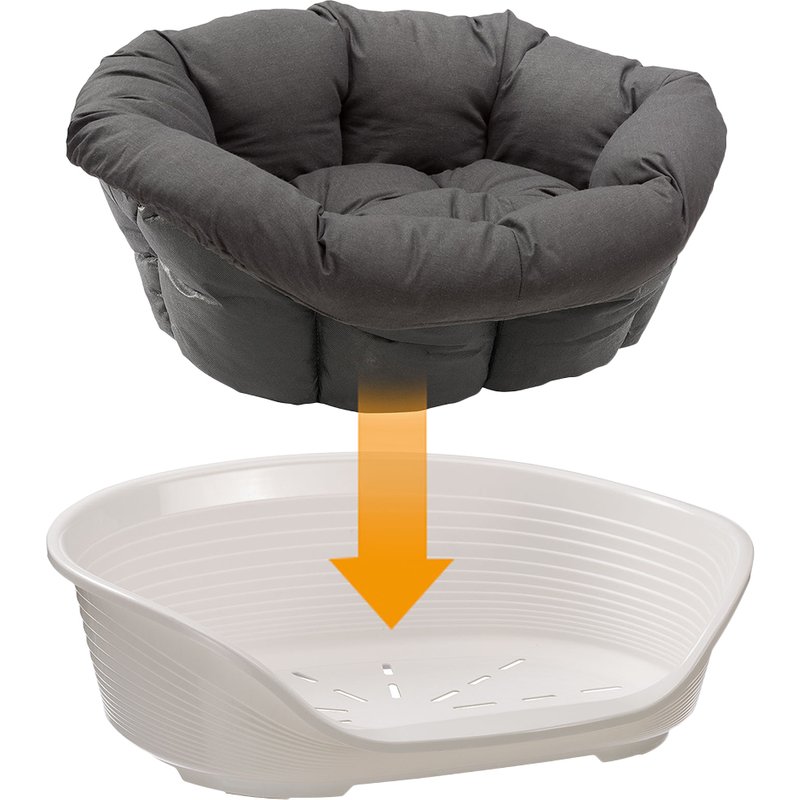
Pick a bed with a removable, machine-washable cover, or one that fits in your washing machine whole. Check the care label for the temperature. Washing bedding at 60°C kills flea eggs and larvae, which matters if your dog has had fleas. Vacuum the bed between washes.
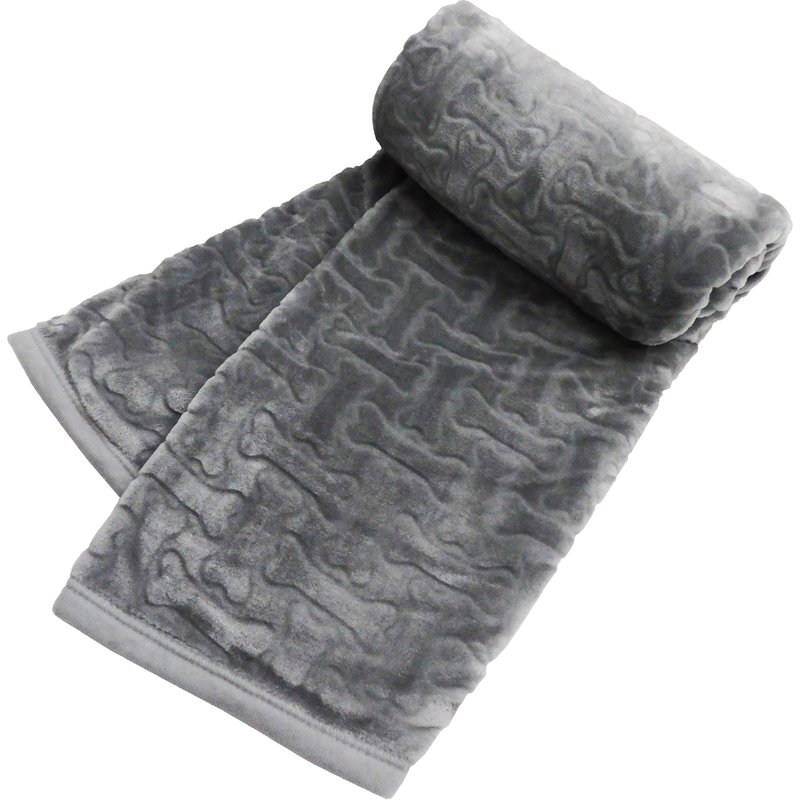
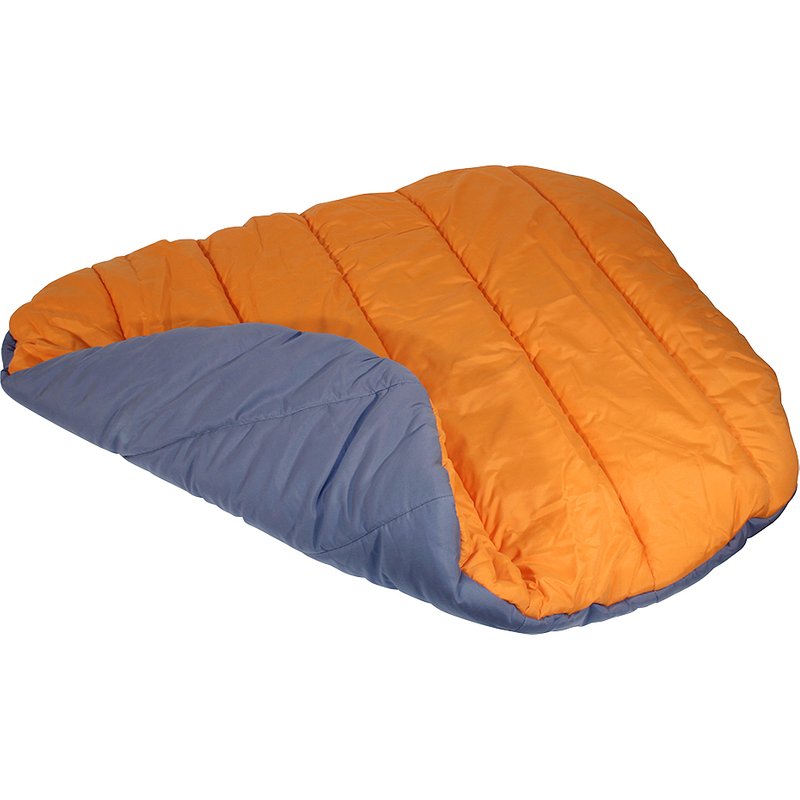
Fleece blankets in the Vetbed style are thin, quick to wash and quick to dry, so they are popular for crates, cars and for dogs recovering from illness. Many owners keep two so one can be in the wash.
Waterproof or water-resistant liners are worth having for puppies, older dogs and dogs that come home muddy.
Cooling mats and heat pads
Cooling mats usually contain a pressure-activated gel that feels cool when the dog lies on it and recharges when it gets up. They help on warm days, but the gel should not be eaten, so do not leave a mat with a dog that chews.
Heat pads heated in the microwave give gentle warmth for several hours, which suits older dogs and small or thin-coated breeds in winter. Follow the heating time exactly and always use the cover.
Placement and chewers
Put the bed somewhere quiet, out of draughts and away from radiators, where your dog can still see the family. Dogs that chew their bedding are better off with tough, raised or chew-resistant beds and no loose stuffing, at least until the habit passes. For crate and car bedding, see dog crates and travel.
Common questions
What size bed does my dog need?
Measure your dog lying stretched out from nose to base of tail and add roughly 15 to 30cm. Dogs that curl up can manage with a slightly smaller round bed, but sprawlers need the full length. If your dog is between sizes, choose the larger one.
Does my older dog need an orthopaedic bed?
Many older dogs are more comfortable on deep, dense foam that does not flatten under them, especially large breeds and dogs with stiff joints. It is not a treatment, so if your dog seems sore or slow to get up, see your vet as well.
How often should I wash my dog’s bed?
Washing the cover or blanket every week or two keeps smells, hair and dirt under control, with vacuuming in between. Wash at 60°C if fleas have been a problem, provided the care label allows it.
Are cooling mats safe for dogs?
Gel cooling mats are generally fine for supervised use on warm days. The gel is not meant to be eaten, so take the mat away from dogs that chew. On hot days, shade, fresh water and avoiding exercise in the heat matter more than any mat.