
Which hamster
- Syrian hamsters are the largest common type and are strictly solitary. Two adult Syrians in one cage will fight, sometimes badly.
- Dwarf hamsters (Roborovski, Campbell’s and Winter White) and Chinese hamsters are smaller and faster. Some are kept in pairs, but fights are common and owners often need to separate them, so many keepers house them alone too.
All hamsters are nocturnal or crepuscular. They are most active in the evening and at night and can nip if woken suddenly.
Housing
The German veterinary welfare association TVT recommends a minimum floor area of 100 cm x 50 cm for hamsters. Many cages labelled for hamsters are smaller, so check the dimensions. Things to look for:
- Bar spacing narrow enough to stop escapes, around 1 cm or less, and narrower again for dwarf species. Tanks and bin cages avoid the problem altogether.
- A deep base so you can add bedding at least 15 cm deep, and deeper in part of the cage, so the hamster can dig burrows.
- Solid floors throughout; no wire mesh floors or ladders where feet can slip through.
Wheel and furnishings
A wheel is essential. It should have a solid running surface and be large enough that the hamster’s back stays straight while running. TVT guidance gives at least 30 cm diameter for Syrians and 20 cm for dwarf hamsters. Add several hides, tunnels, chew items such as untreated wood, and a sand bath. Use plain sand, not dusty chinchilla dust; dwarf hamsters in particular use it to keep their coat clean.
Food
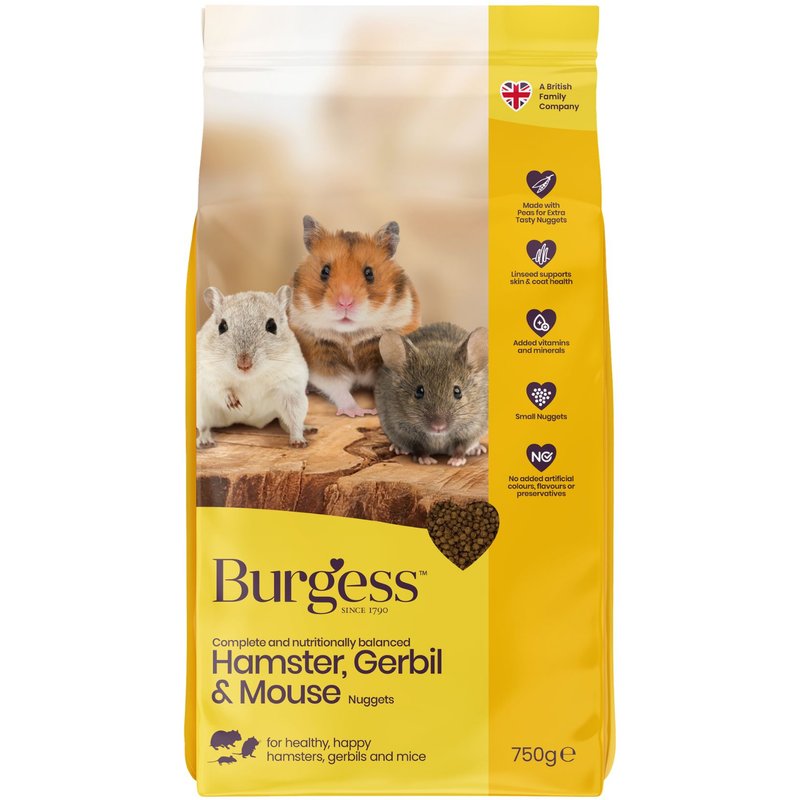
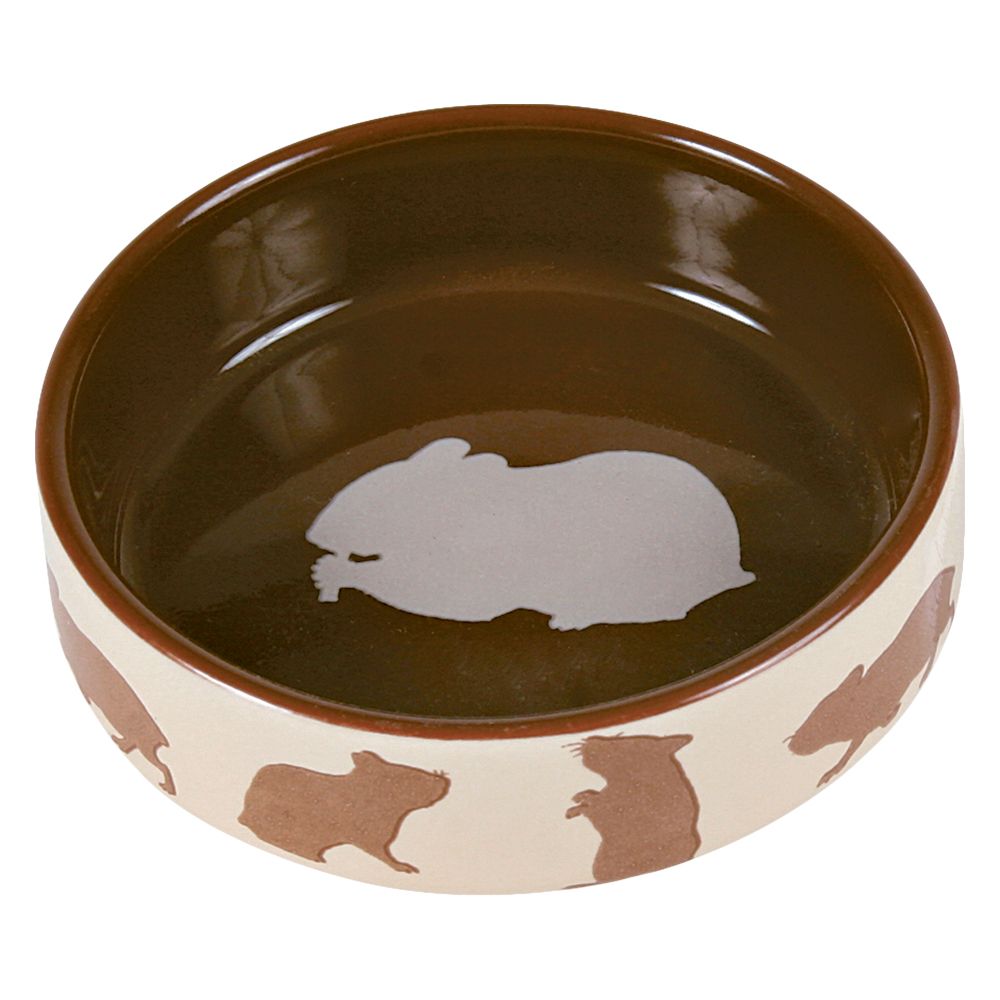
Use a hamster mix or nugget as the base, scattered around the cage to encourage foraging, plus small amounts of fresh vegetables and occasional protein such as mealworms or plain cooked egg. Campbell’s and Winter White dwarf hamsters are prone to diabetes, so avoid sugary treats, fruit and honey-coated sticks for them. Ceramic bowls are heavier and harder to tip or chew than plastic.
Bedding
Paper-based bedding, aspen or hemp are good choices. Avoid pine and cedar shavings and fluffy cotton-wool style nesting material, which can wrap around limbs or block the gut if eaten. Spot-clean the toilet corner every few days and avoid changing all the bedding at once, as hamsters dislike losing their burrows and food stores.
Common questions
How big should a hamster cage be?
Welfare guidance such as that from the German veterinary association TVT recommends at least 100 cm x 50 cm of floor space, which is larger than many cages sold for hamsters. Floor area matters more than height or extra levels. A deep base for burrowing is just as important.
What size wheel does a Syrian hamster need?
At least 30 cm diameter is commonly recommended for Syrians, and larger is fine. If your hamster’s back arches upwards while running, the wheel is too small. Choose a solid running surface without rungs or mesh.
Can dwarf hamsters live together?
Some dwarf hamsters live in pairs, but fighting is common, even between animals that got on as youngsters. If you keep a pair, use a large cage with duplicates of everything and be ready to separate them. Syrian hamsters must always live alone.