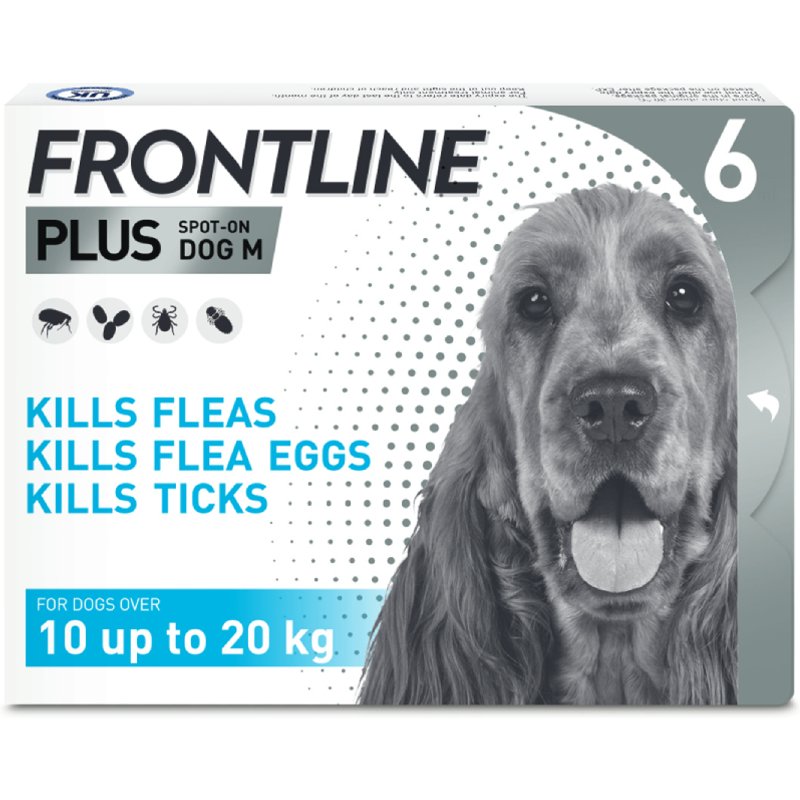
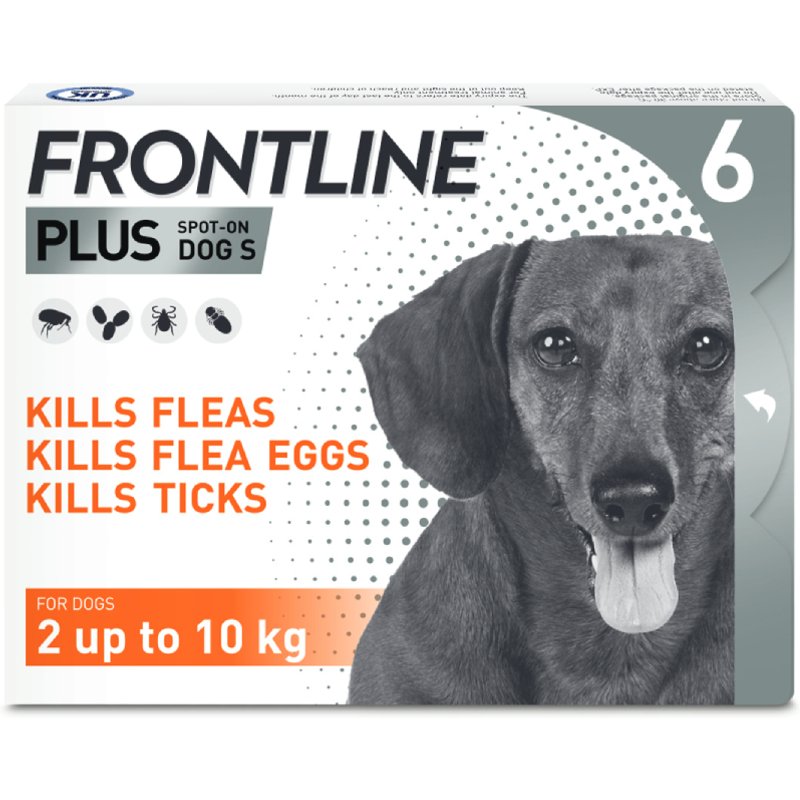
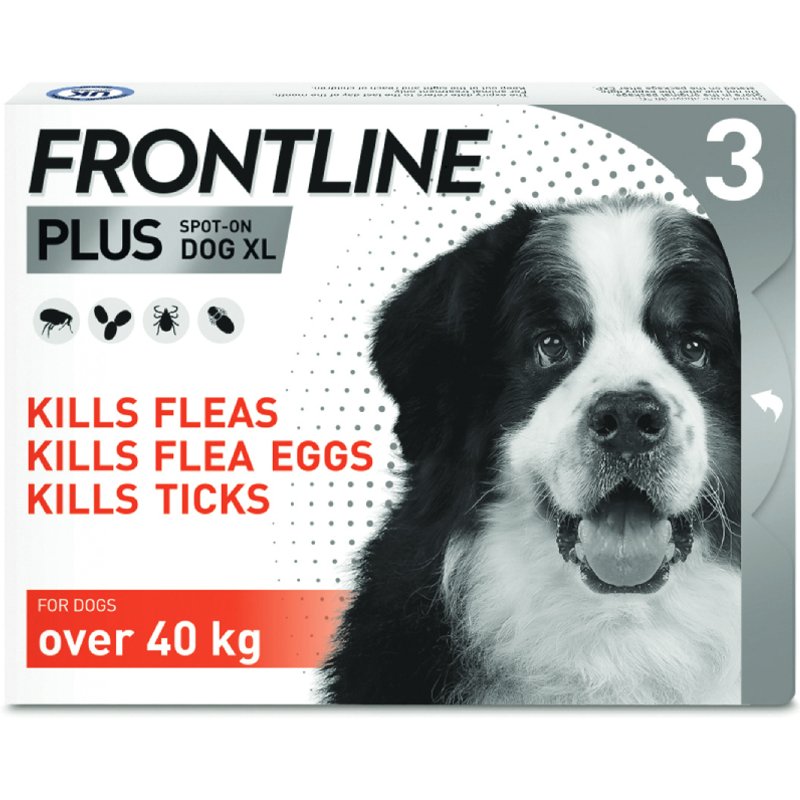
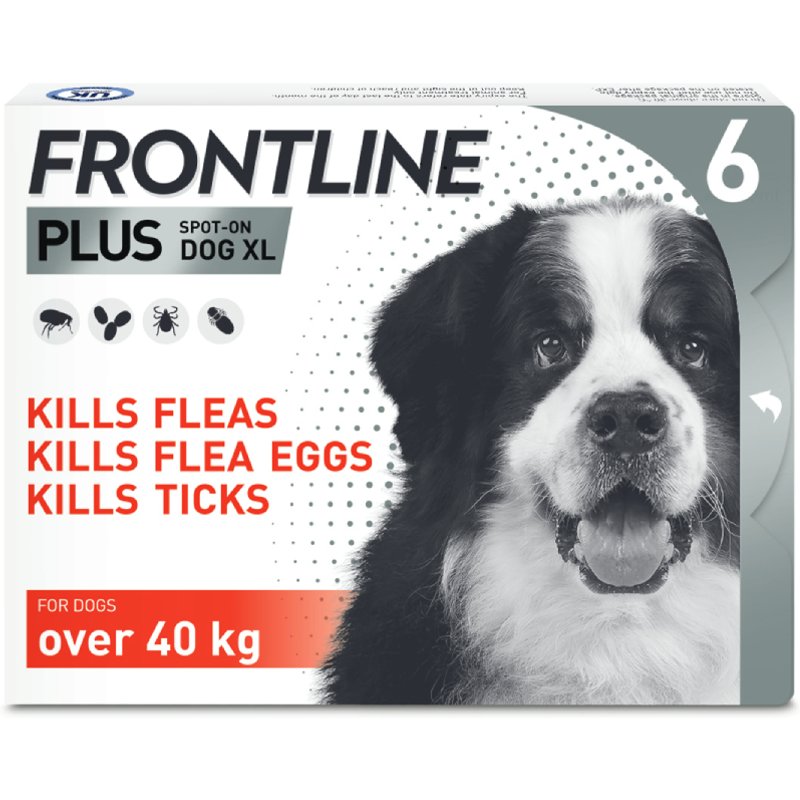
What you are protecting against
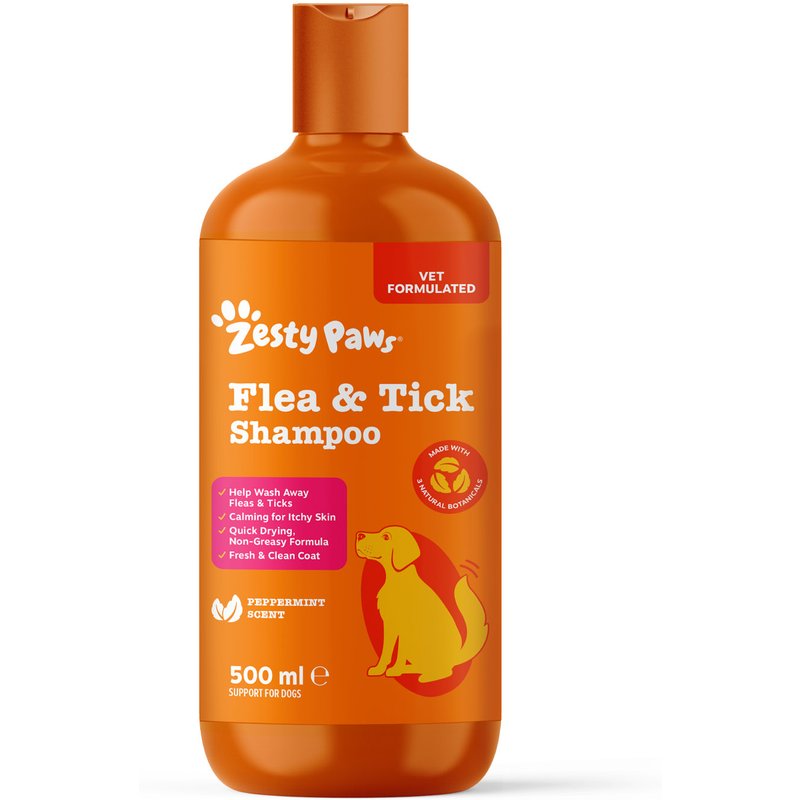
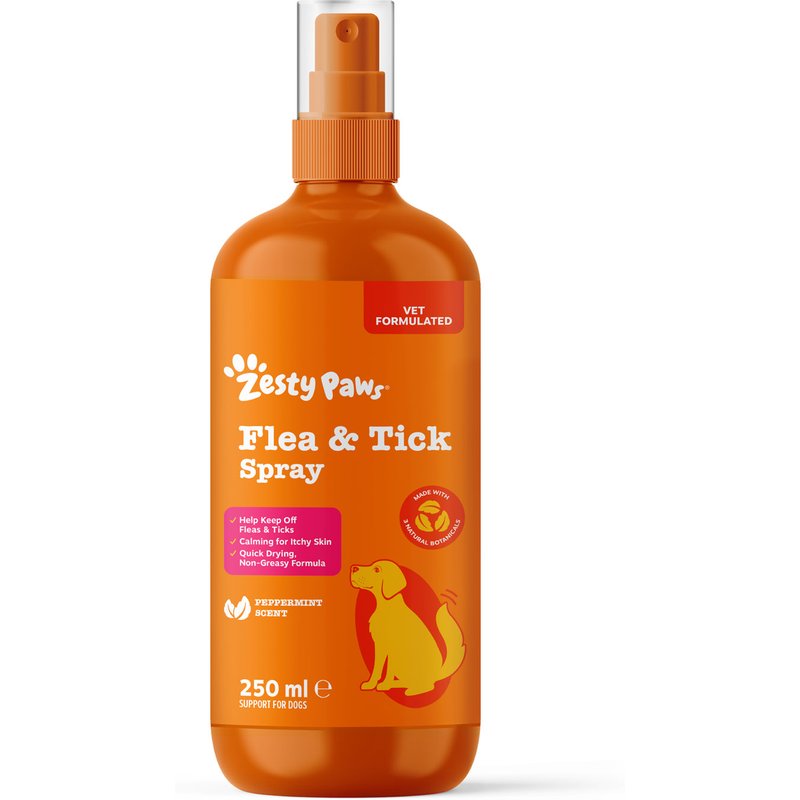
Fleas thrive all year round in centrally heated homes. The adult fleas you see on your dog are only around 5% of the problem: the other 95% are eggs, larvae and pupae in carpets, bedding, furniture and the car. Dogs can also pick up tapeworm by swallowing an infected flea while grooming.
Ticks are most active in spring and autumn but can be found all year, especially in woodland, long grass and moorland. In the UK they can transmit Lyme disease, and babesiosis, a serious blood disease, has been diagnosed in UK dogs that have never travelled abroad.
Roundworms are very common in puppies, which can be infected before birth and through their mother’s milk. Eggs passed in faeces can survive in soil for a long time and can infect people, especially children.
Tapeworms come from fleas and from eating raw meat, carcasses or prey.
Lungworm (Angiostrongylus vasorum) is caught by eating slugs and snails, or from their slime on grass, toys and outdoor water bowls. It can be fatal. Many wormers do not cover it, so check the label or ask your vet.
Spot-ons, tablets, collars and wormers
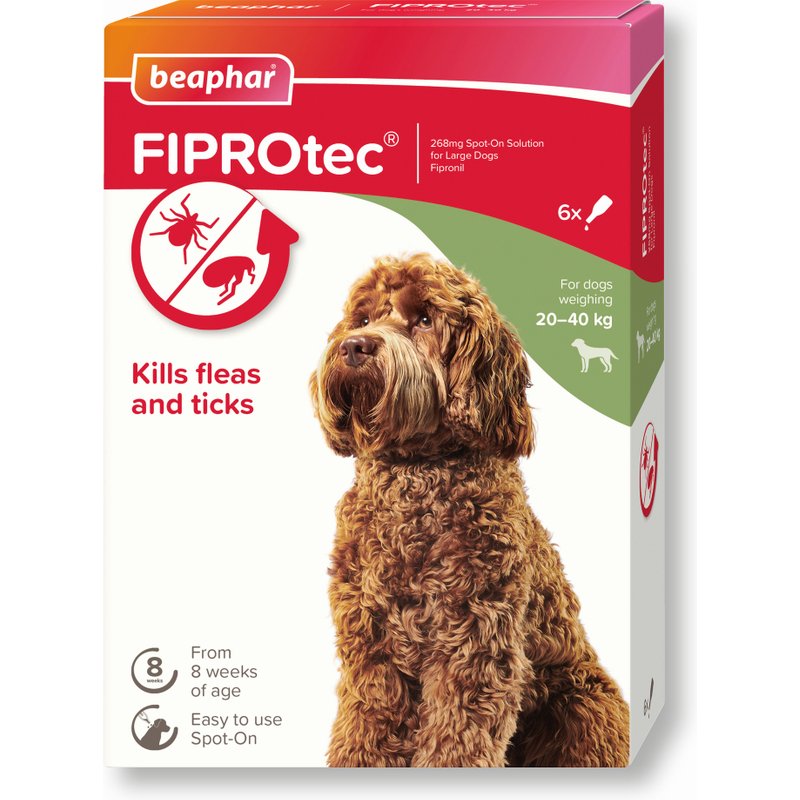
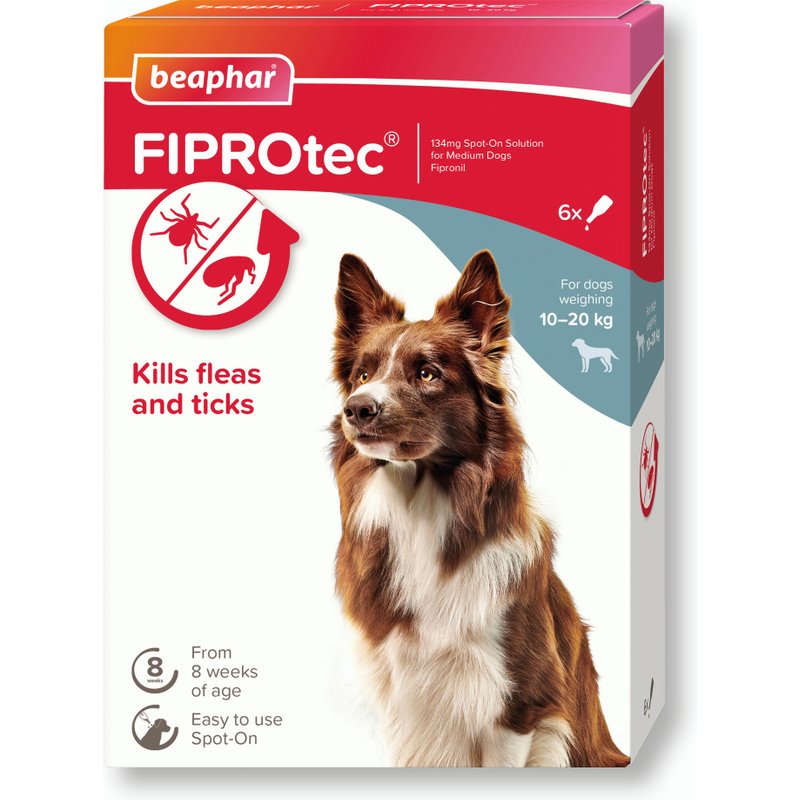
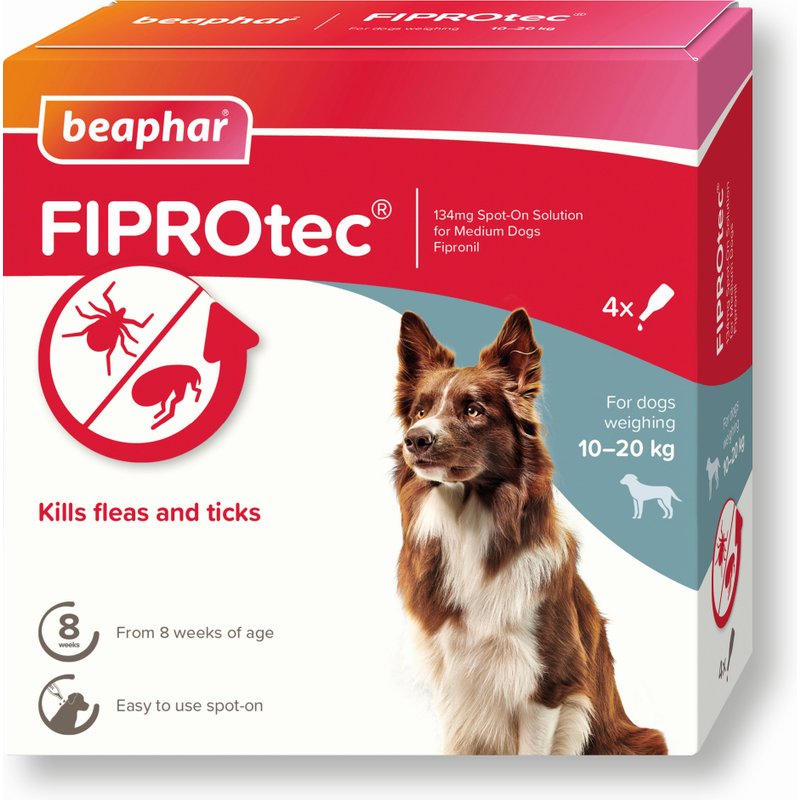
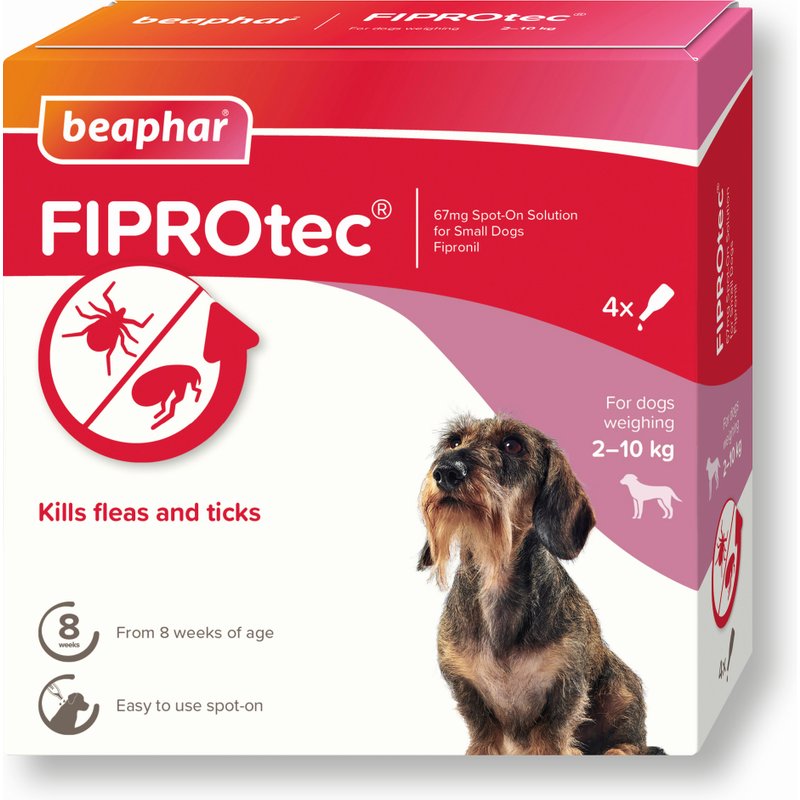
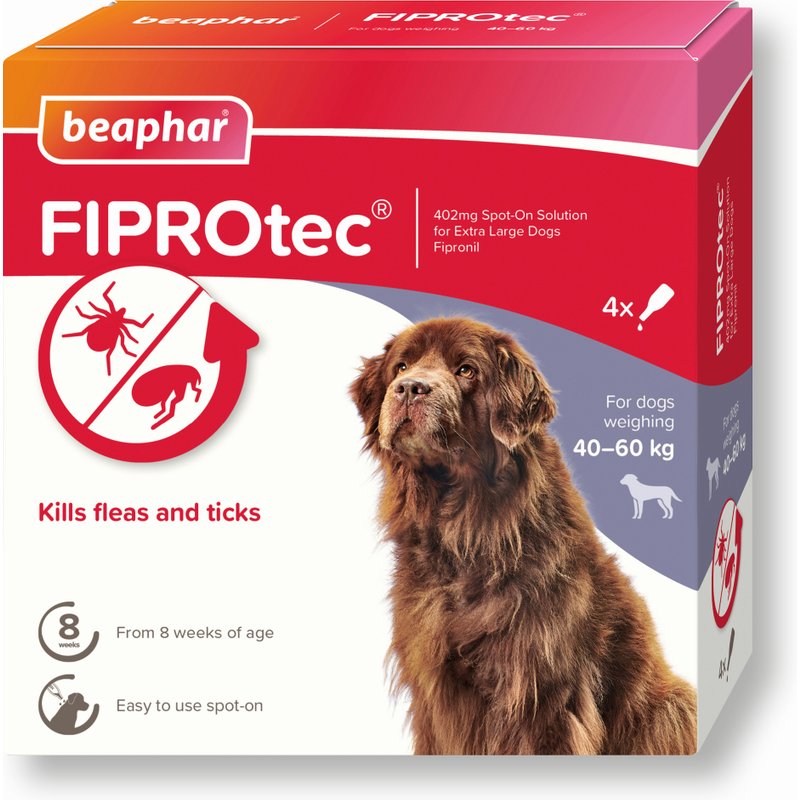
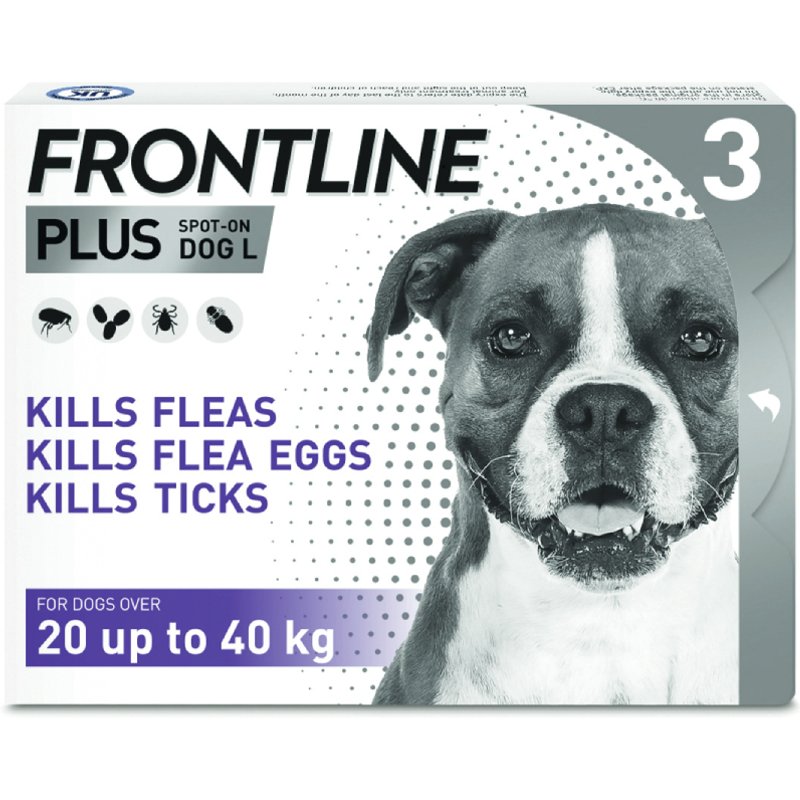
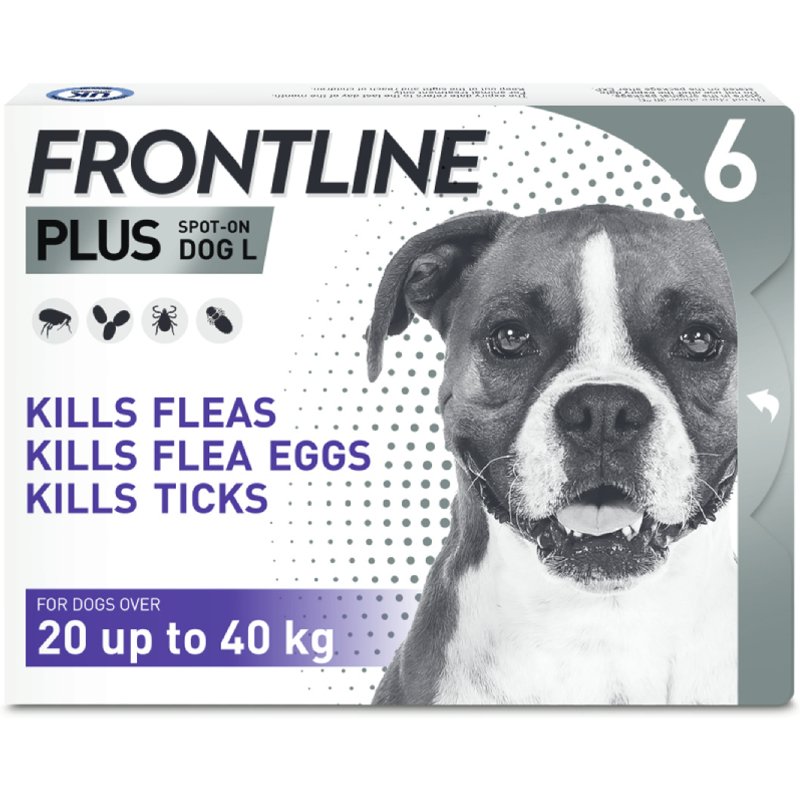
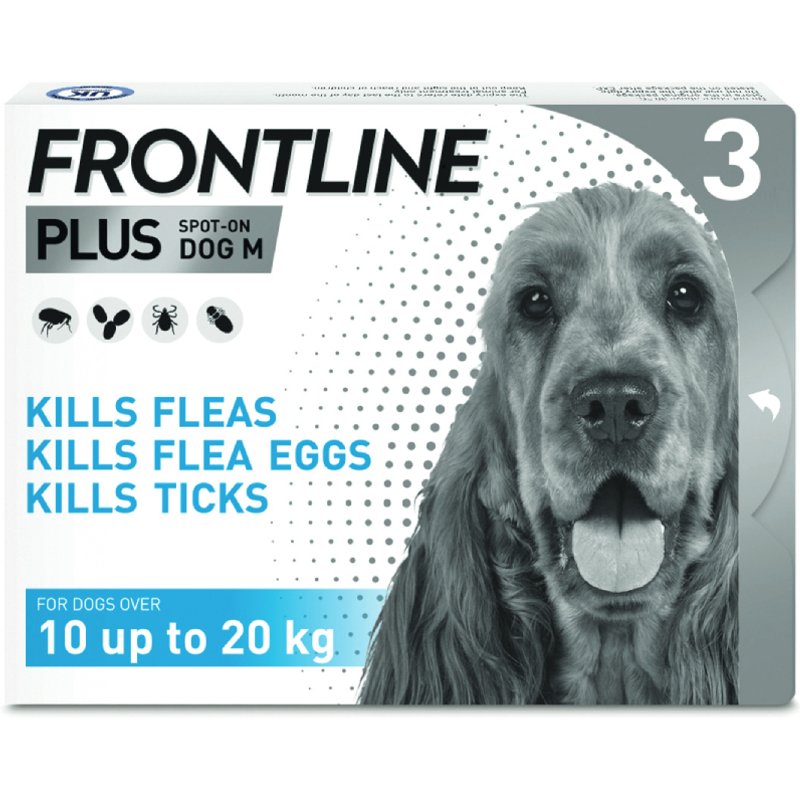
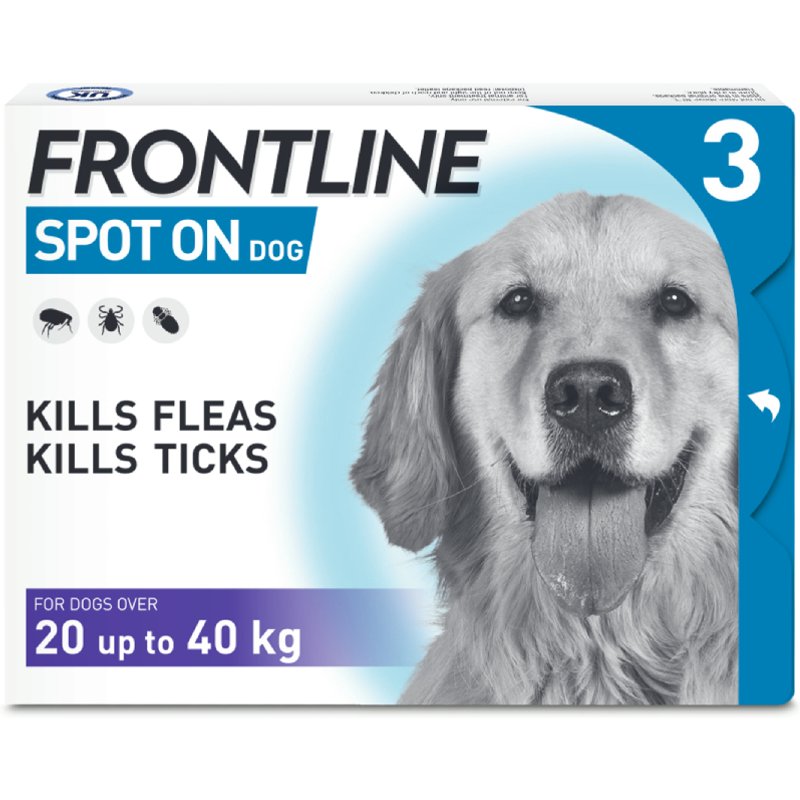
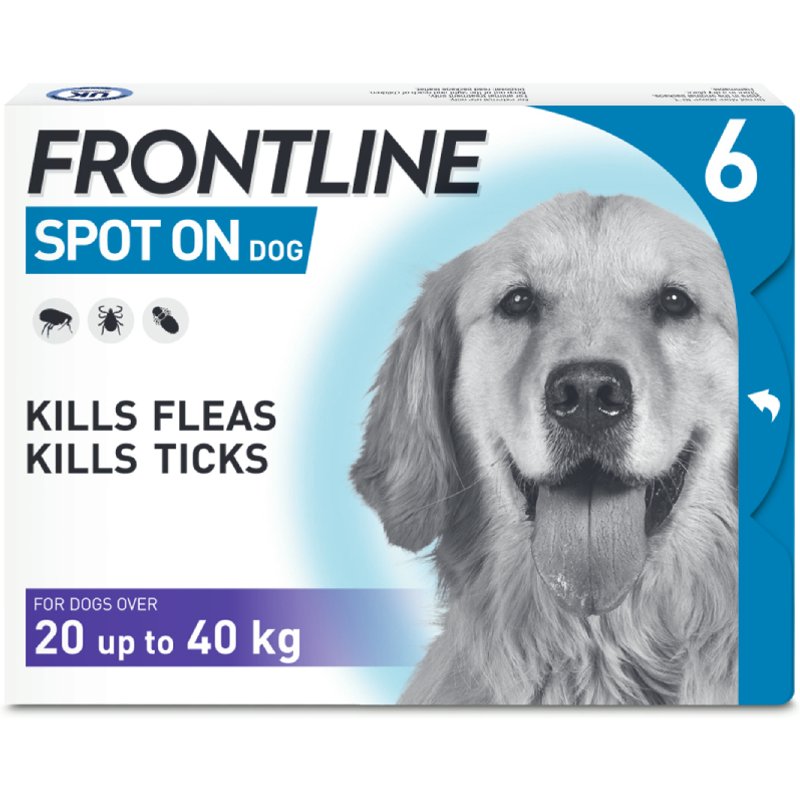
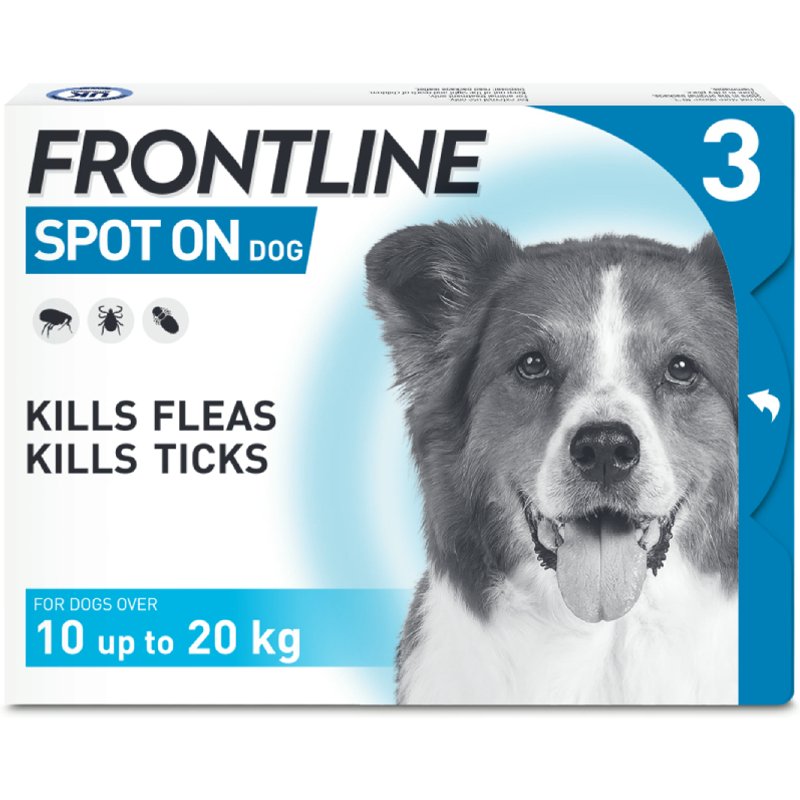
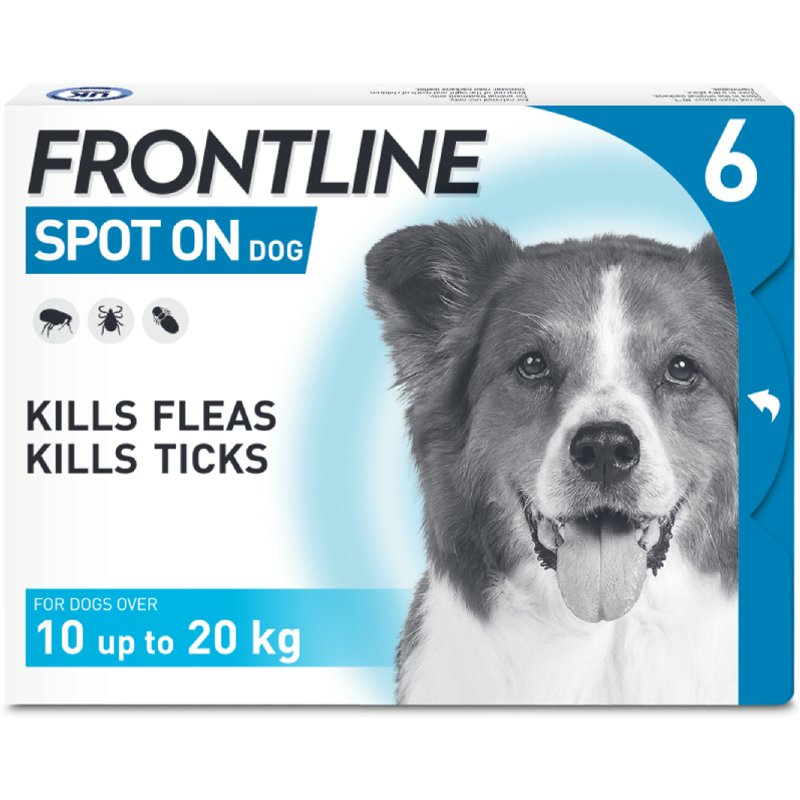
- Spot-ons are applied to the skin at the base of the neck. Part the fur so the liquid reaches the skin. Check the leaflet for how long to keep your dog out of water before and after, as bathing and swimming can reduce protection.
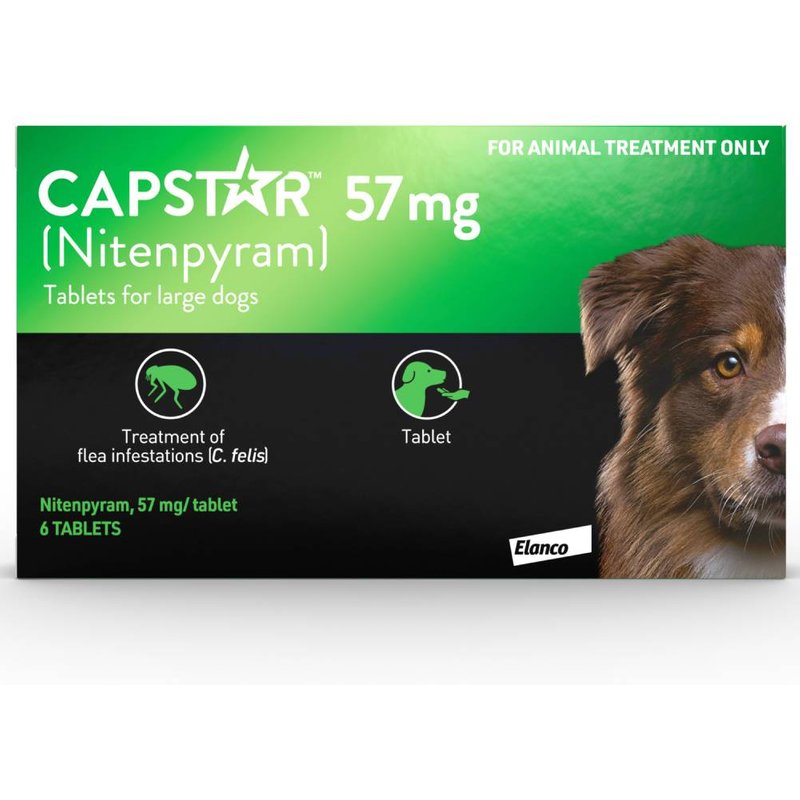
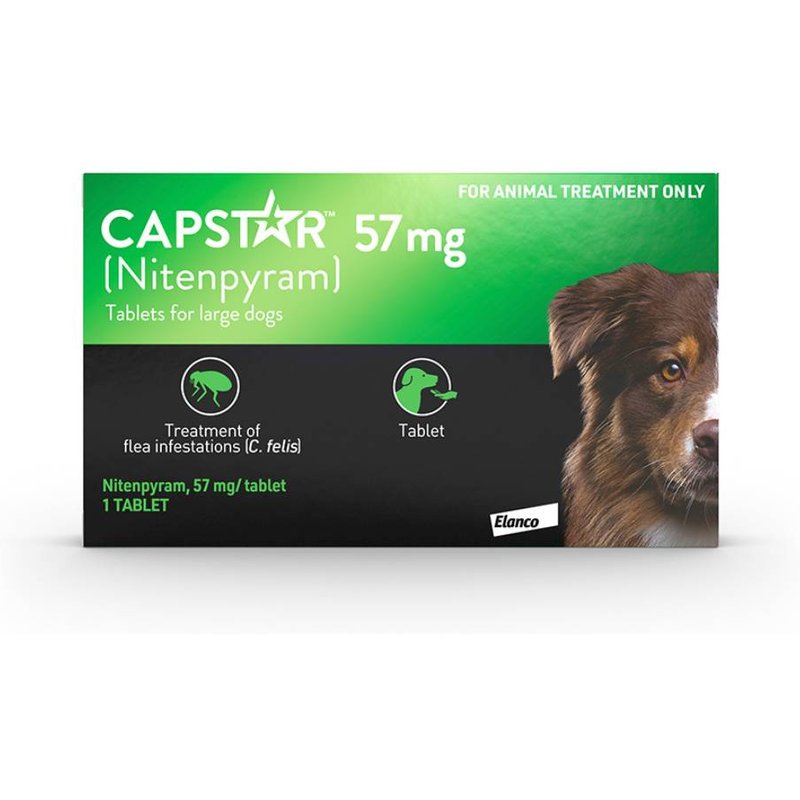
- Chewable tablets cannot be washed off. Some cover fleas and ticks together, and some also include worming.
- Collars release active ingredients over several months. They must be fitted snugly to work.
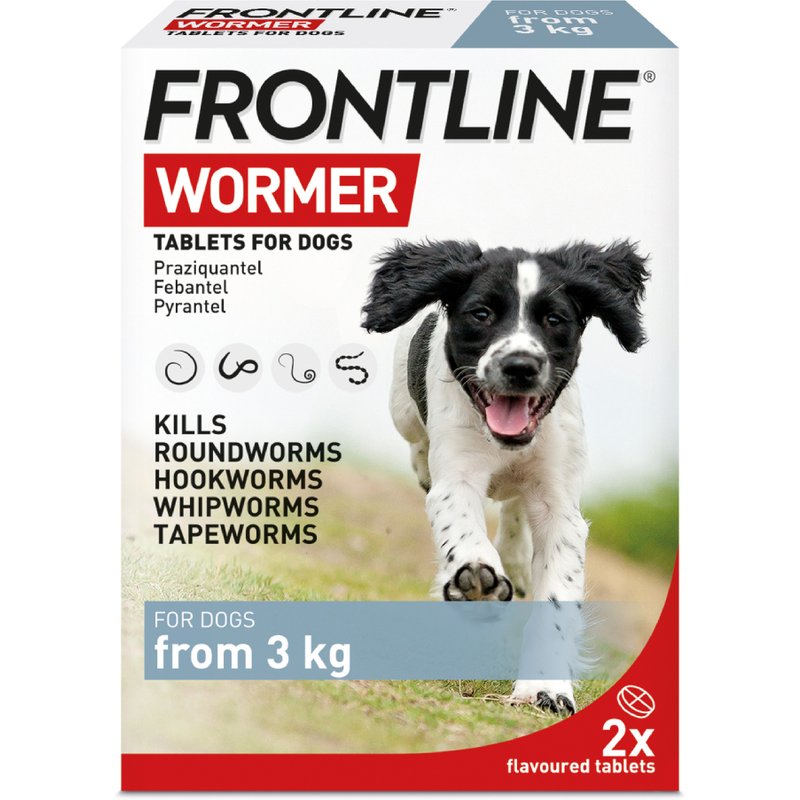
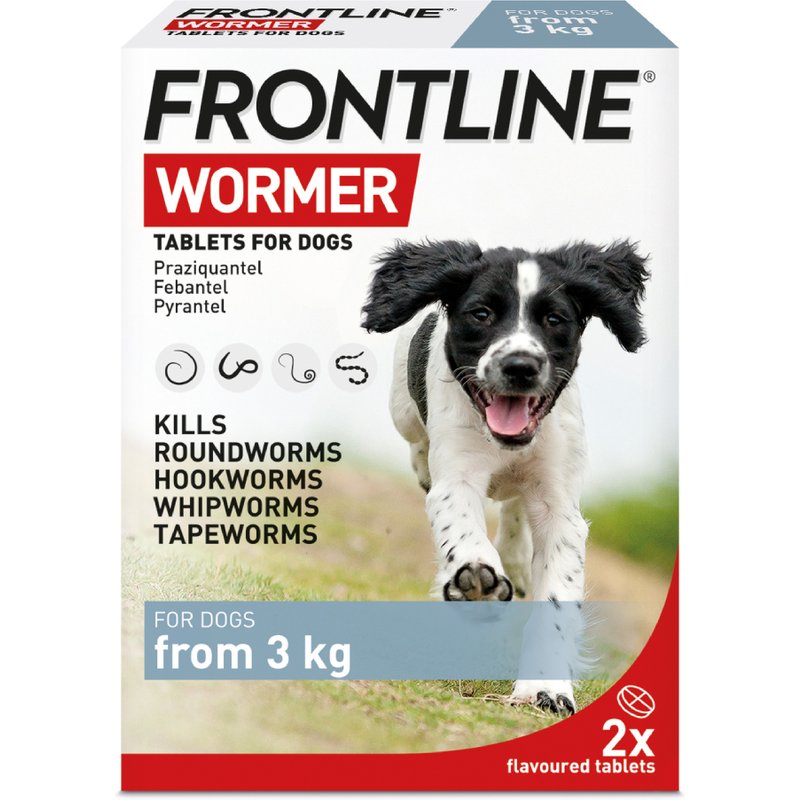
- Wormers come as tablets, chews, pastes and spot-ons. Check which worms each product covers: roundworm, tapeworm, lungworm, or a combination.
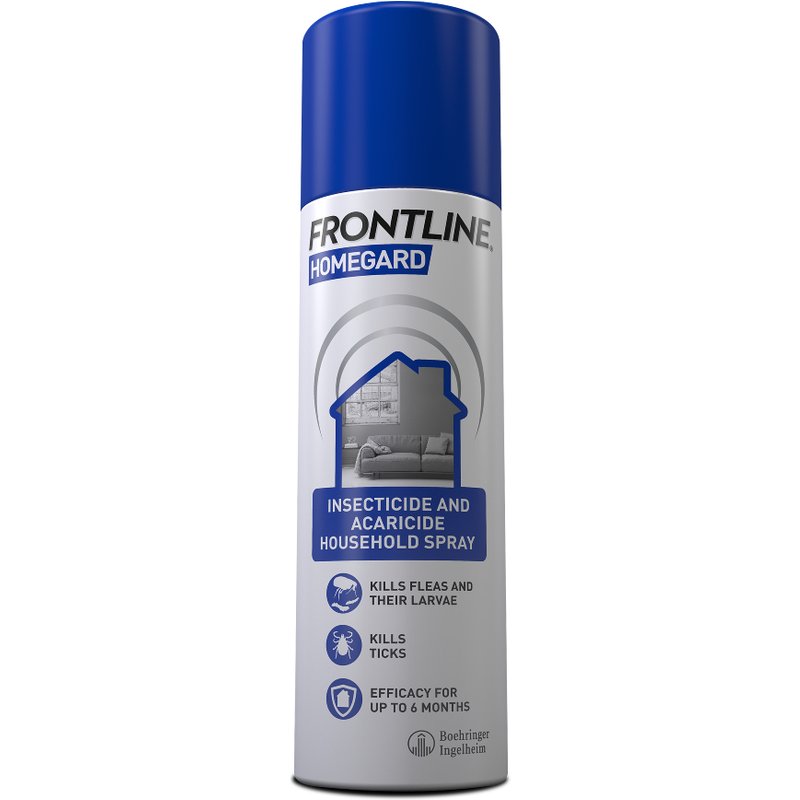
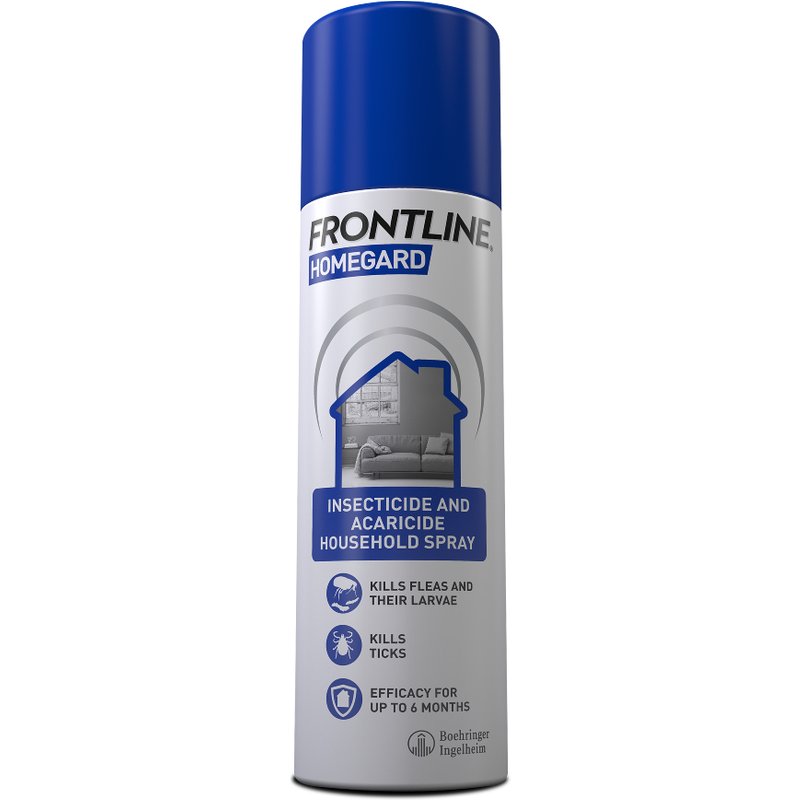
- Household sprays treat the home, never the dog. Cover or remove fish tanks before spraying, as many are highly toxic to fish.
Some dog flea products contain permethrin, which is extremely poisonous to cats. Never use a dog product on a cat, and keep cats away from a dog treated with permethrin so they cannot groom it or lie against it. For cats, see cat flea, tick and worming.
Prescription and over-the-counter products
UK veterinary medicines are sold in four categories:
- POM-V: prescribed by a vet after examining your dog.
- POM-VPS: prescribed by a vet, pharmacist or Suitably Qualified Person (SQP).
- NFA-VPS: no prescription, but must be supplied by a vet, pharmacist or SQP.
- AVM-GSL: general sale, available anywhere.
The broadest-cover products, including most that treat lungworm, are usually POM-V. Online sellers of POM-V, POM-VPS and NFA-VPS products must be registered with the Veterinary Medicines Directorate.
Dosing and timing
Products are dosed by weight band, so weigh your dog before buying. Never split a pipette between two small dogs.
ESCCAP, the European parasite experts’ body, advises worming dogs whose risk is unknown at least four times a year, and monthly for higher-risk dogs, such as those that eat slugs, scavenge, are fed raw or live with young children. Puppies are wormed every two weeks from two weeks old until two weeks after weaning, then monthly up to six months.
With fleas, treat every dog and cat in the house at the same time, vacuum the home and car thoroughly and wash bedding at 60°C. Clearing an infestation can take two to three months, because pupae keep hatching.
Check your dog for ticks after walks. Remove them with a tick hook by twisting, not pulling, and never squeeze the body.
Bringing a dog into Great Britain from abroad, except directly from Ireland, Northern Ireland, Finland, Malta or Norway, requires a vet to give a tapeworm treatment containing praziquantel between 24 and 120 hours before arrival.
Your vet is the best person to tailor a parasite plan to your dog’s lifestyle.
Common questions
How often should I worm my dog?
European parasite experts (ESCCAP) recommend at least four times a year when a dog’s risk is unknown, and monthly for higher-risk dogs, such as those that eat slugs, scavenge or are fed raw. Puppies need more frequent worming. Your vet can set a schedule for your dog’s lifestyle.
Do I need a prescription for dog flea treatment?
Not always. Some products are on general sale, and others can be supplied by a pharmacist or SQP. The products with the broadest cover, including most for lungworm, are prescription only (POM-V) and need a vet to examine your dog first.
Why does my dog still have fleas after treatment?
Most of a flea infestation lives in the home as eggs, larvae and pupae, and pupae can keep hatching for weeks. Keep treating your dog on schedule, treat all pets in the house, vacuum often and use a household spray. Clearing an infestation can take two to three months.
What tapeworm treatment does my dog need to enter Great Britain?
A vet must give a treatment containing praziquantel, or an equivalent, between 24 and 120 hours before you arrive, and record it on your dog’s documents. Dogs coming directly from Ireland, Northern Ireland, Finland, Malta or Norway are exempt.