
What the law requires
Under the Control of Dogs Order 1992, a dog in a public place must wear a collar with the owner’s name and address on it, either engraved on the collar or on a tag. In practice that means your name, house number or name and postcode. Adding a phone number is sensible. A tag on a harness does not count: the law asks for a collar. Working dogs and assistance dogs have some exemptions.
Dogs must also be microchipped by eight weeks old, with your current details kept up to date on the database. The collar tag and the chip do different jobs, so you need both.
Local rules matter too. Many parks and beaches have orders requiring dogs on leads in certain areas or seasons. On open access land in England, dogs must be on a lead no longer than two metres between 1 March and 31 July, and near livestock at any time of year.
Collars, harnesses and head collars
Flat collars carry the ID tag and suit dogs that walk nicely. You should be able to slide two fingers flat under the collar. Any looser and it can slip over the head; any tighter and it rubs.
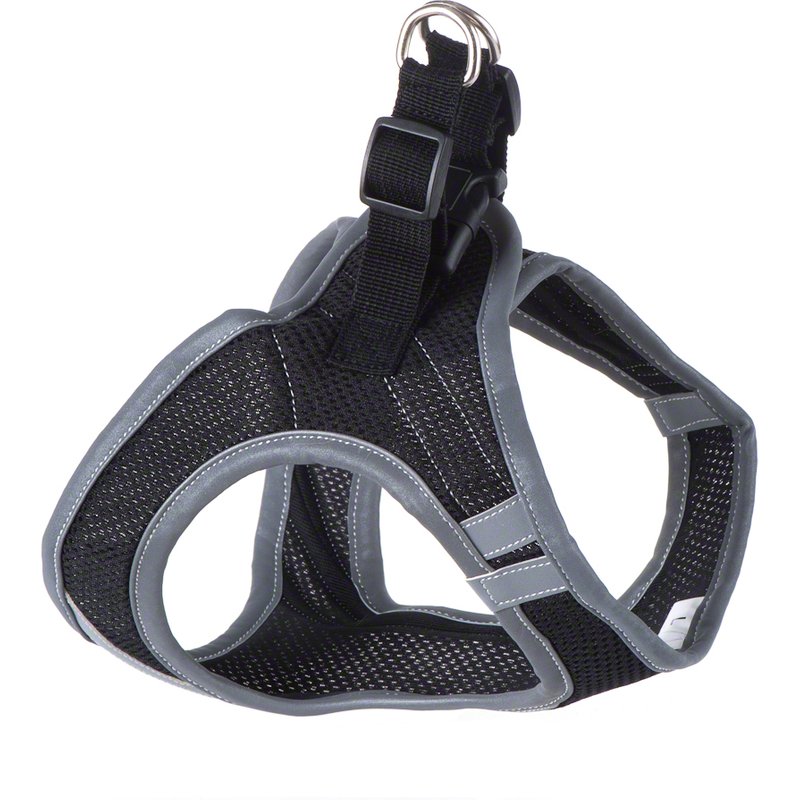
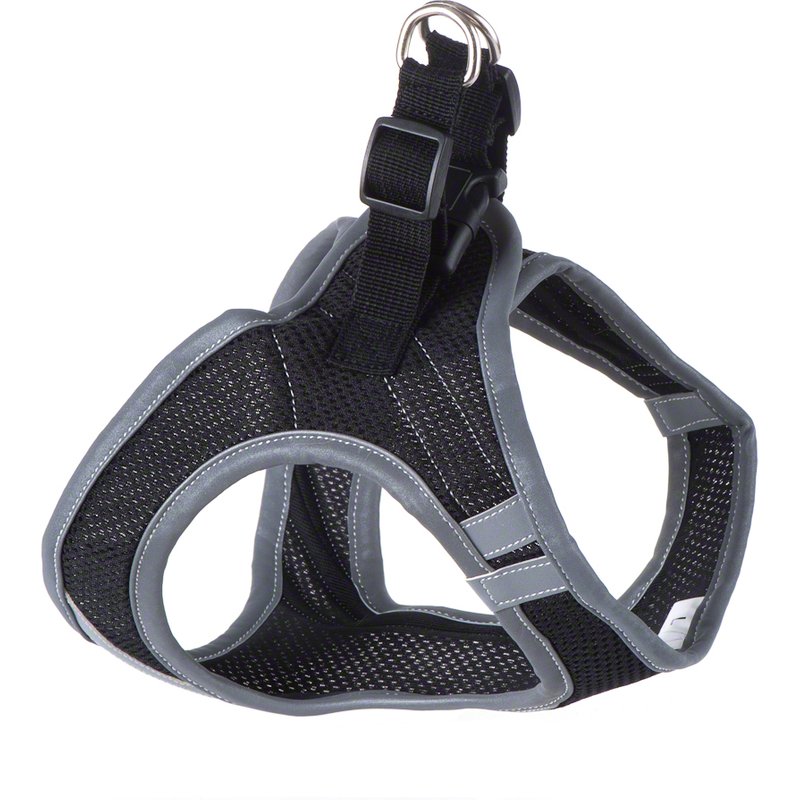
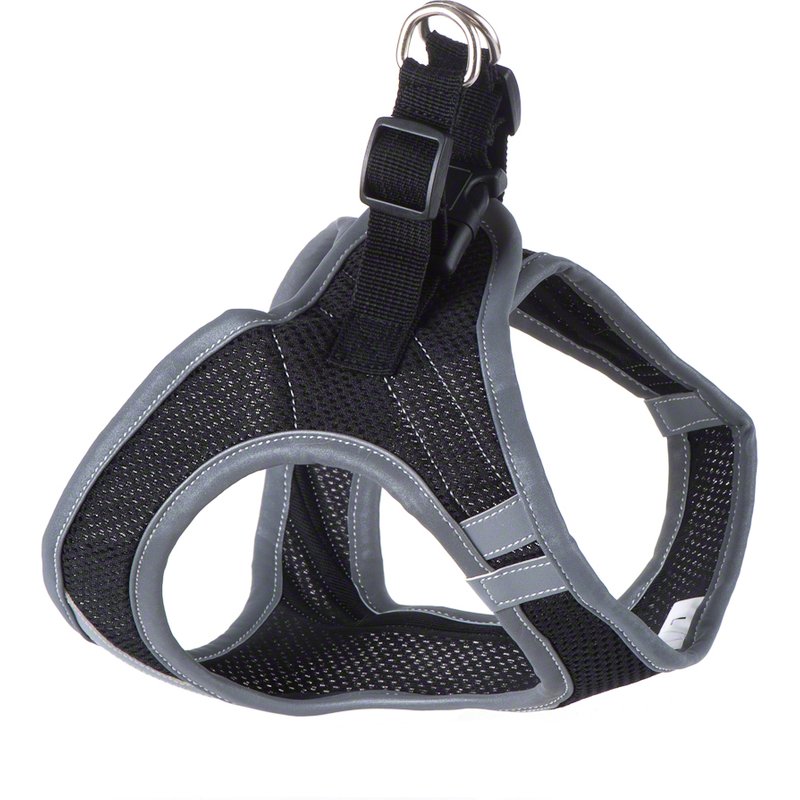
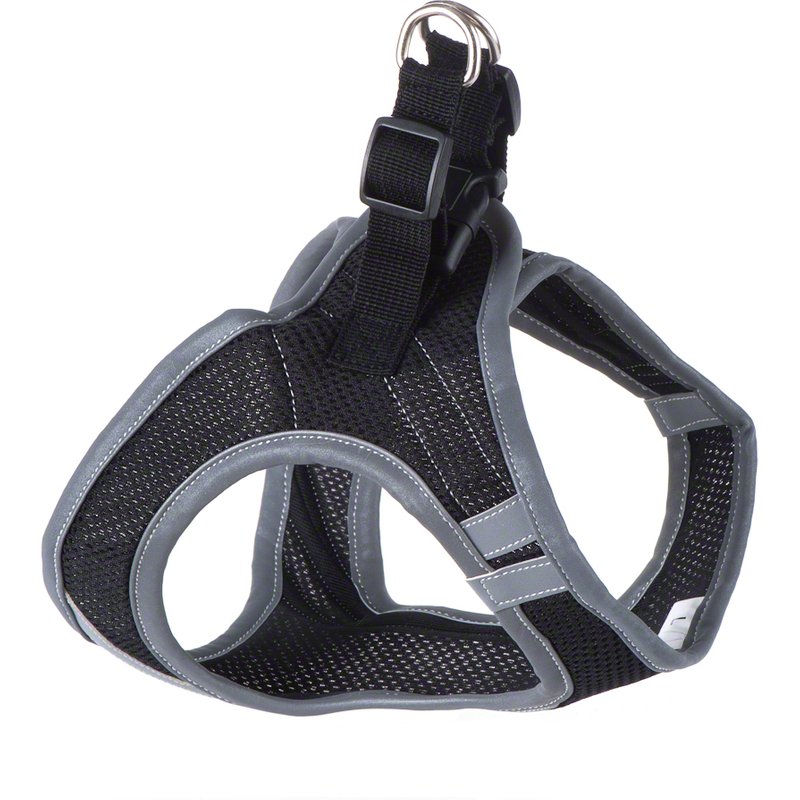
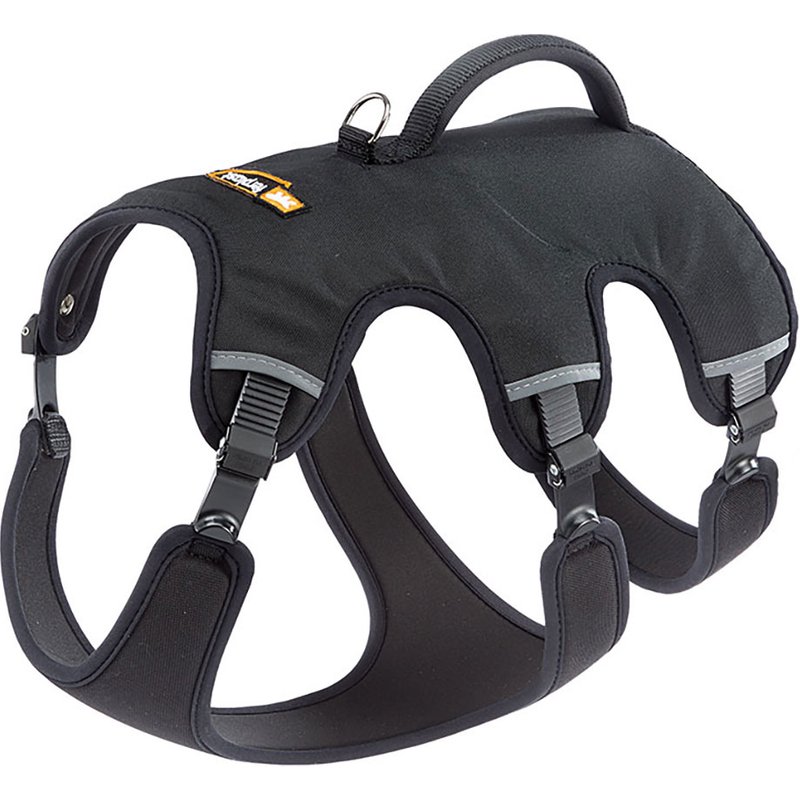
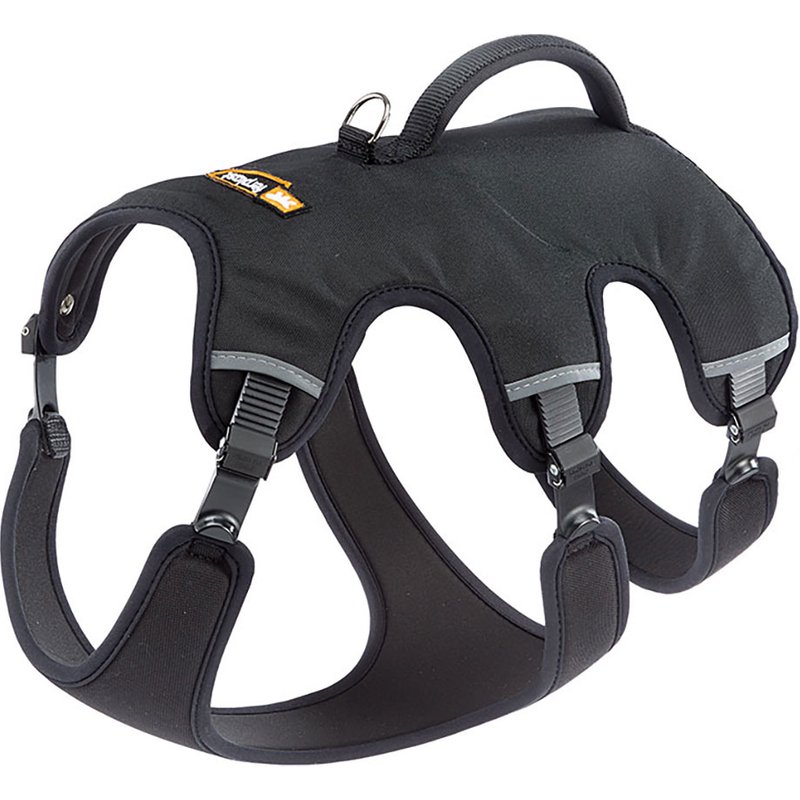
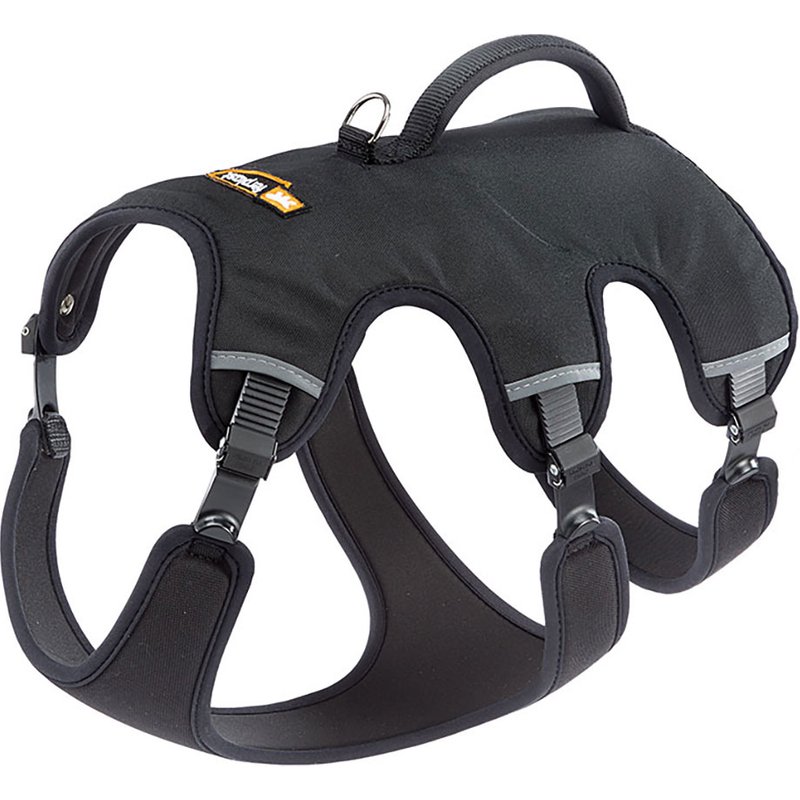
Harnesses spread the pressure across the chest instead of the throat. They are a good choice for small breeds, flat-faced breeds, dogs with neck or breathing problems and anything attached to a long line. Check the fit at the girth and under the front legs, where most rubbing happens, and size by chest measurement rather than weight.
Head collars such as the Halti fit around the nose and give steering control over strong pullers. Introduce one slowly with treats, as many dogs paw at it at first. Use it with a standard short lead, never with an extendable lead or long line, where a sudden stop would jerk the head.
Slip leads combine lead and collar in one and are popular with gundog trainers and for quick transfers. They tighten on the neck, so they are not suitable for dogs that pull.
Choosing a lead
- Standard leads of 1 to 2 metres are right for pavements and busy places.
- Multi-length or double-ended training leads clip at different lengths and can be worn across the body for hands-free walking.
- Long lines of 5 to 15 metres let you practise recall in open spaces safely. Always attach them to a harness. Biothane lines do not soak up water or mud, which makes them easier to handle. Wear gloves with a dog that bolts.
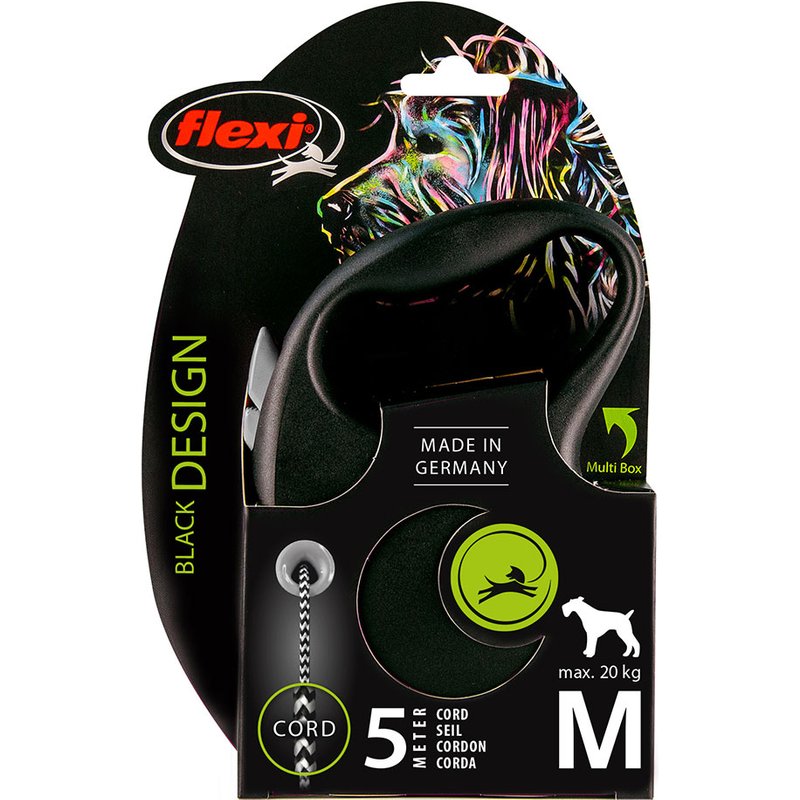
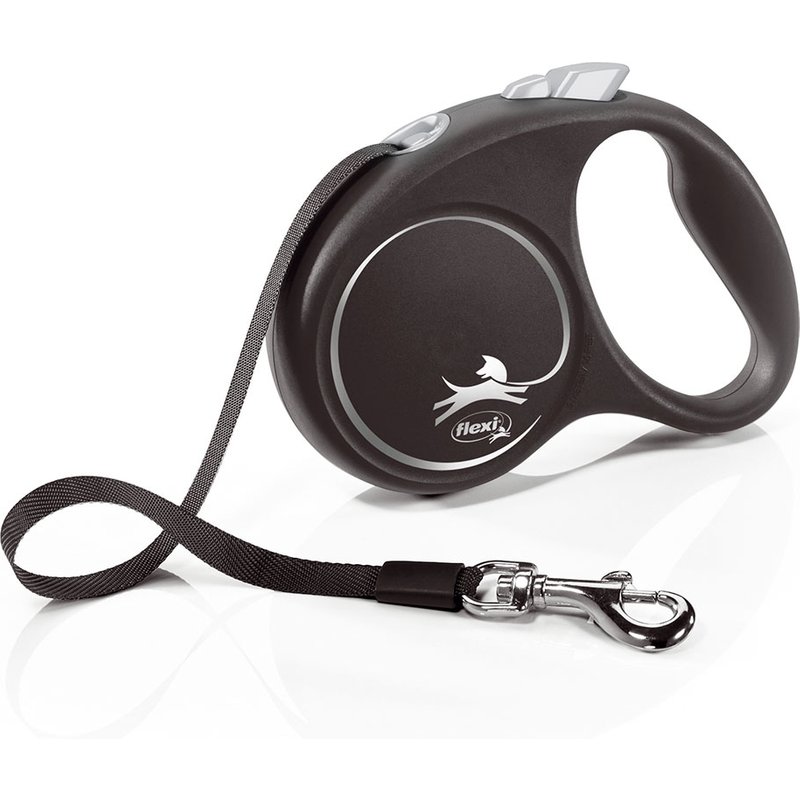
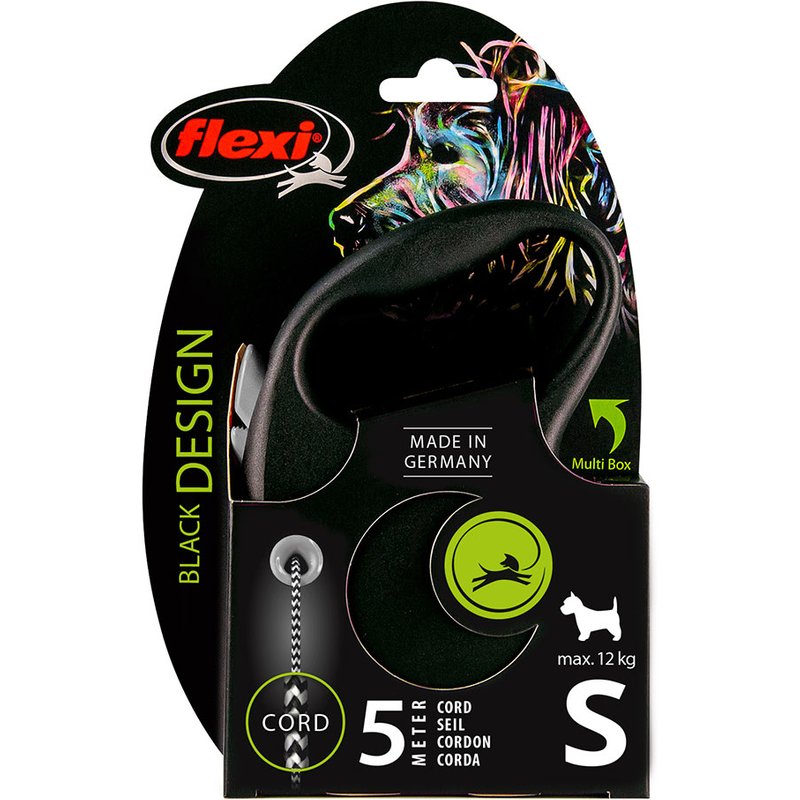
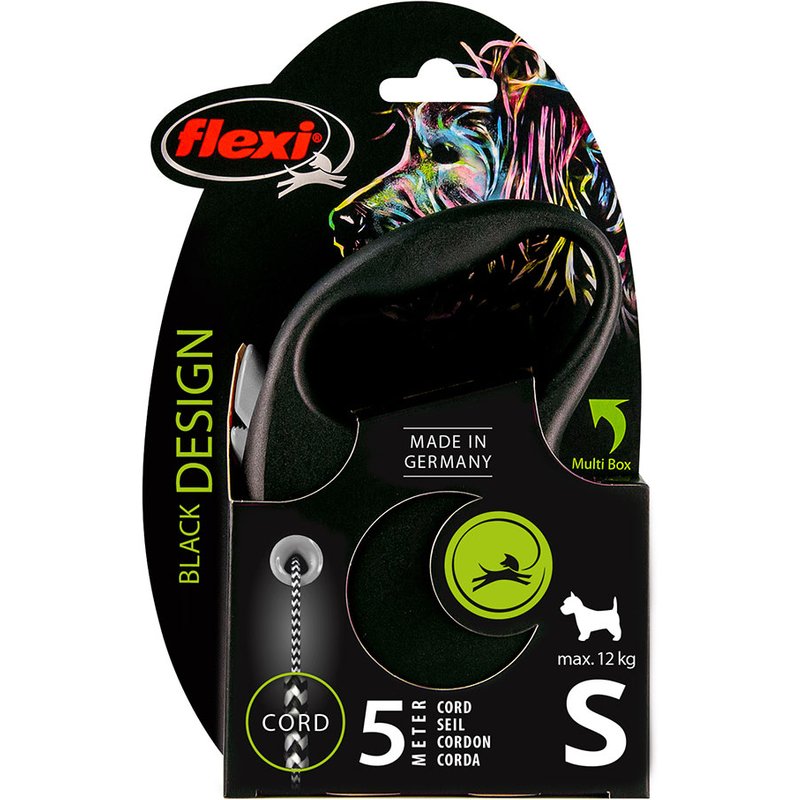
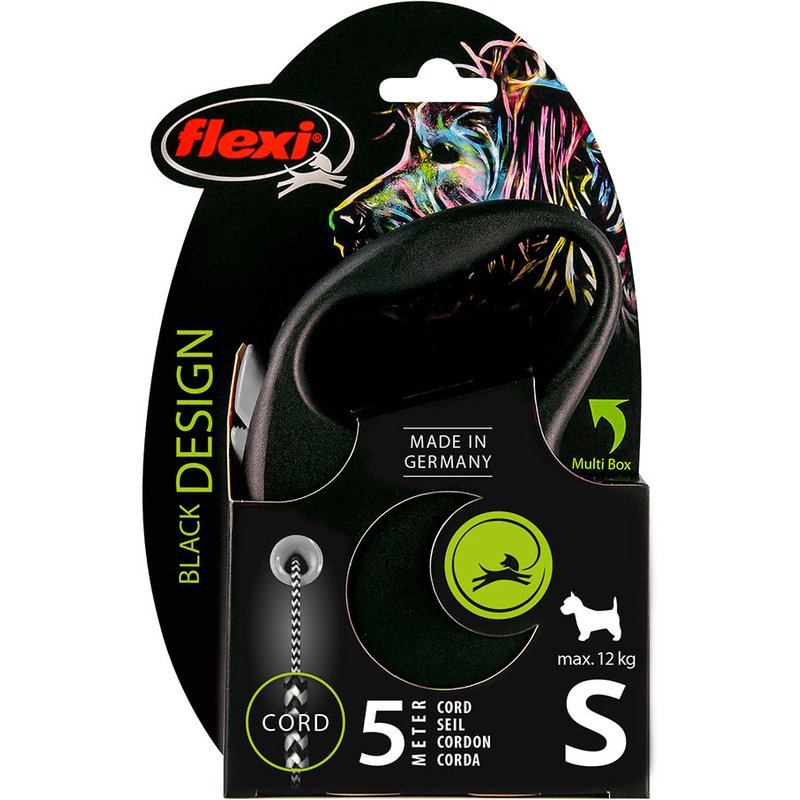
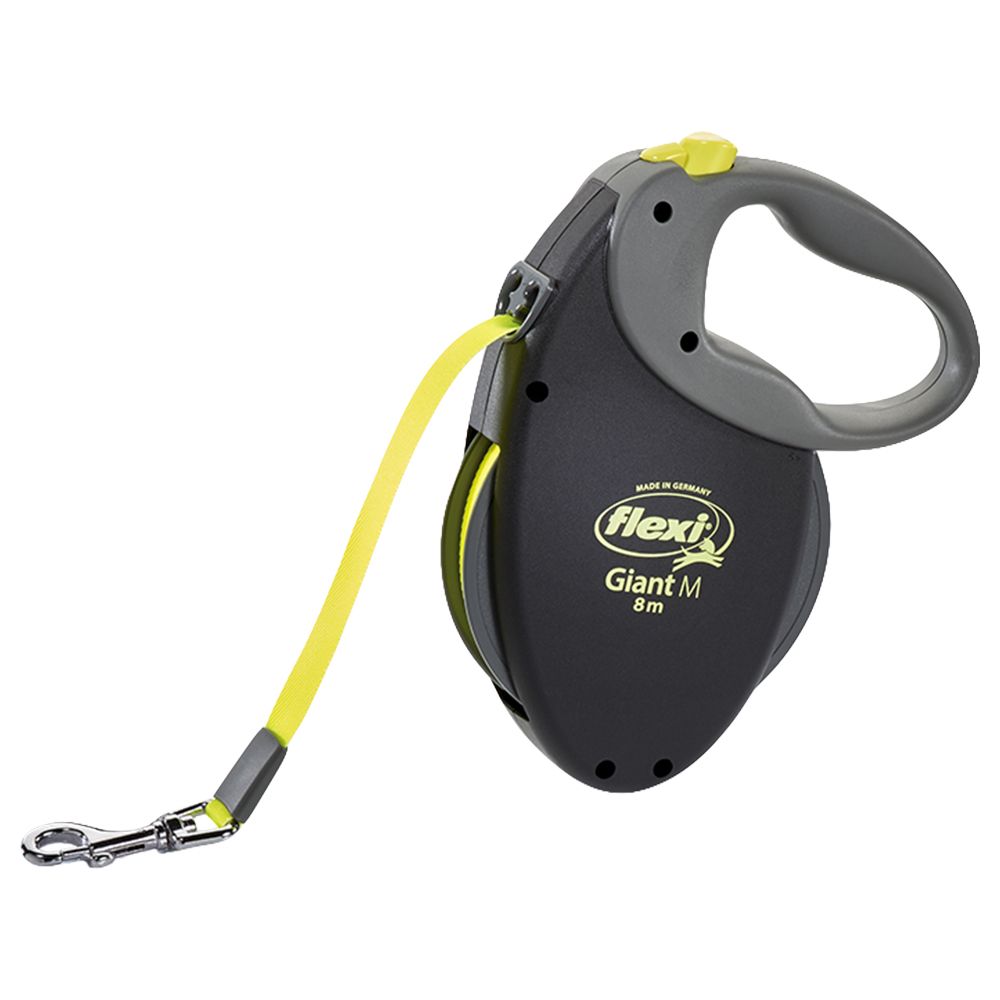
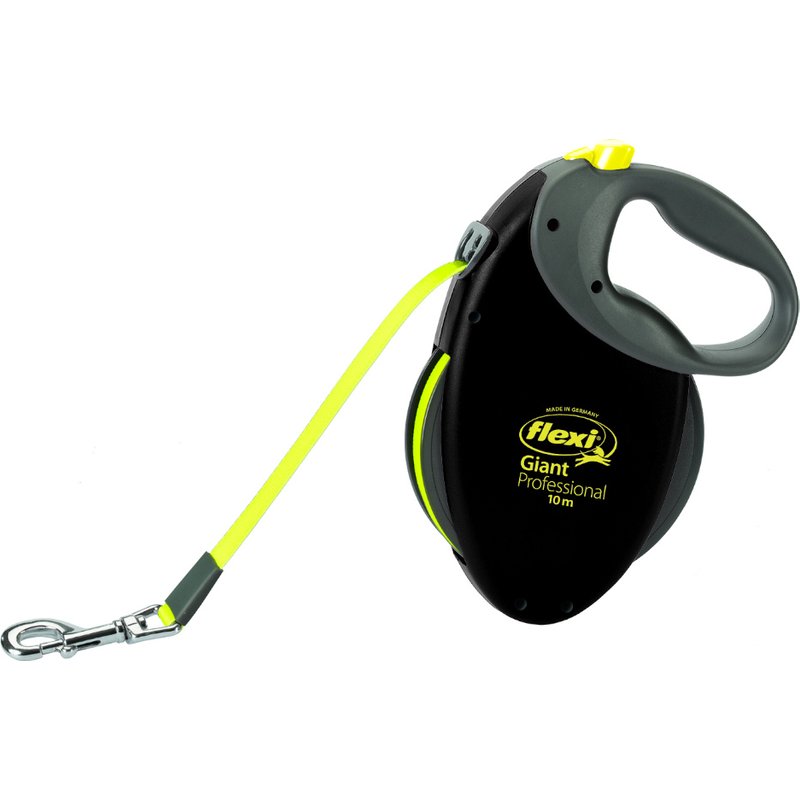
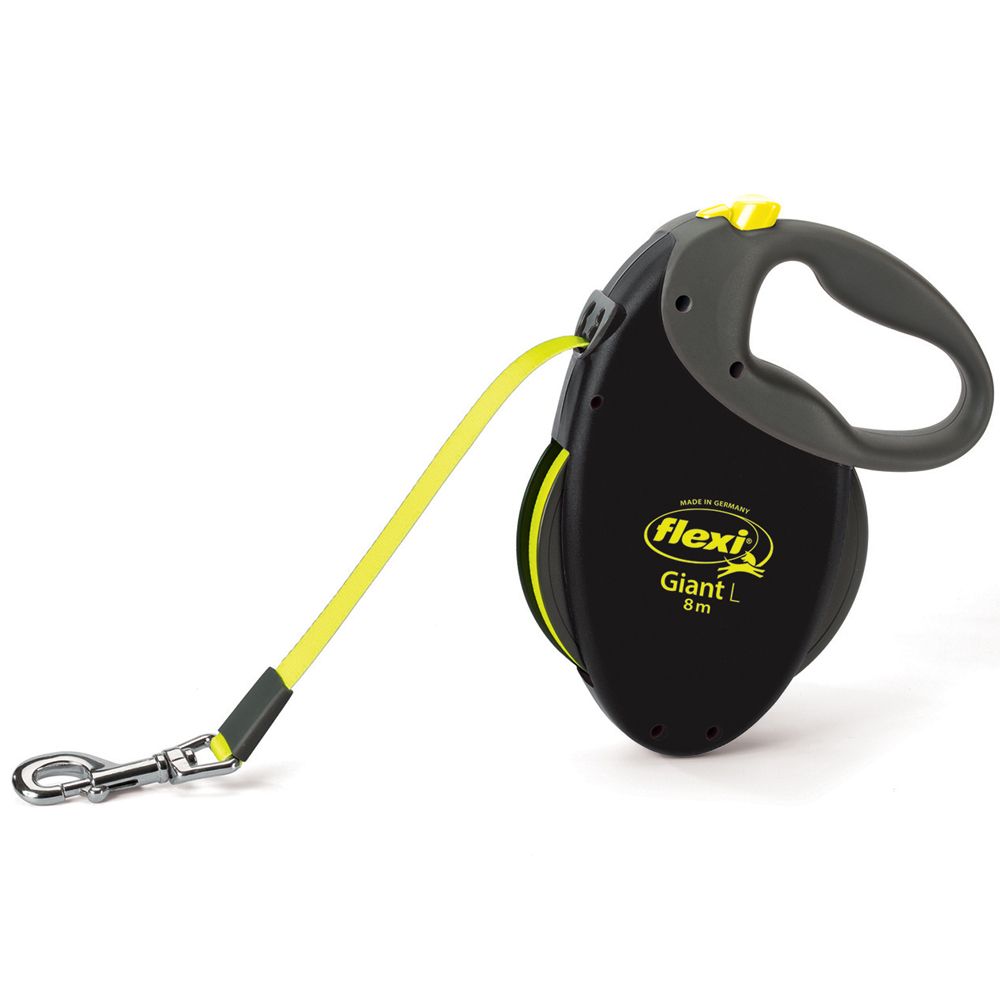
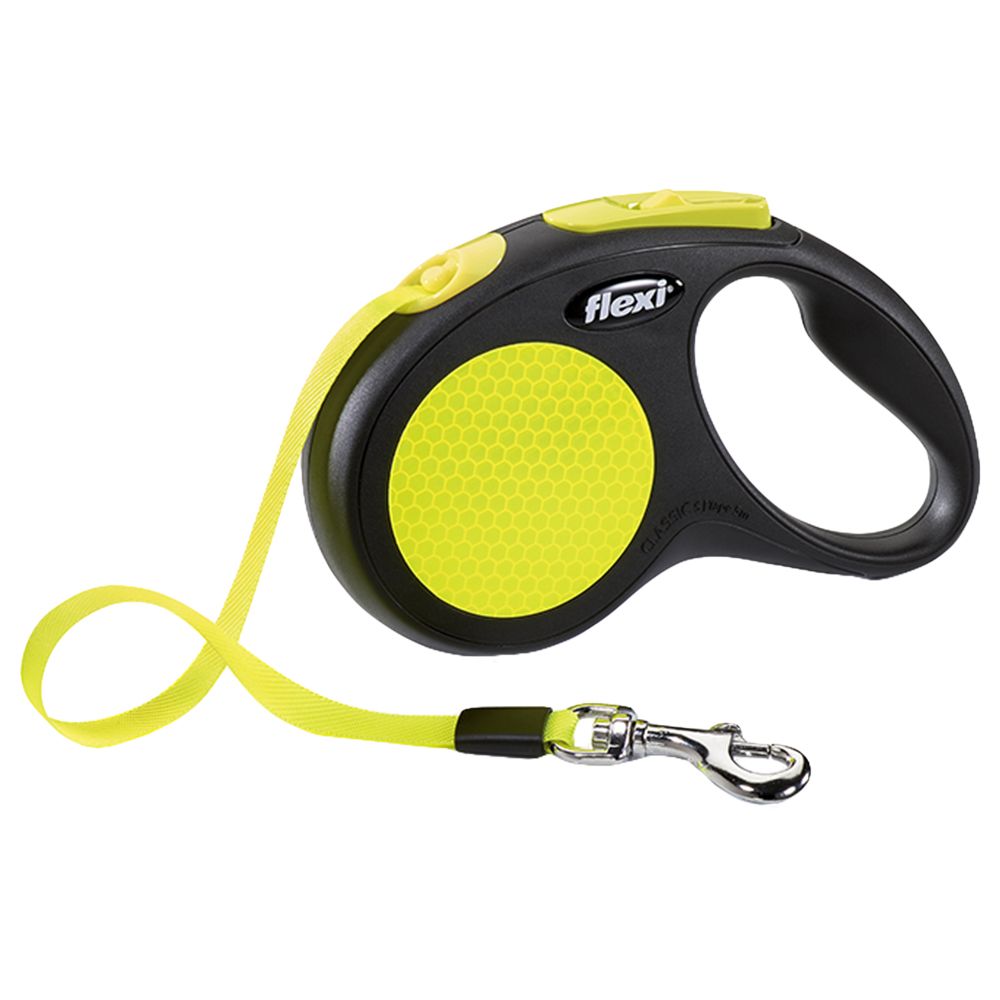
- Extendable leads give freedom on quiet paths. Lock them short near roads, check the maximum dog weight on the handle, and keep fingers away from the cord or tape.
- Canicross belts clip round your waist with a bungee line to a harness for running with your dog.
Visibility and extras
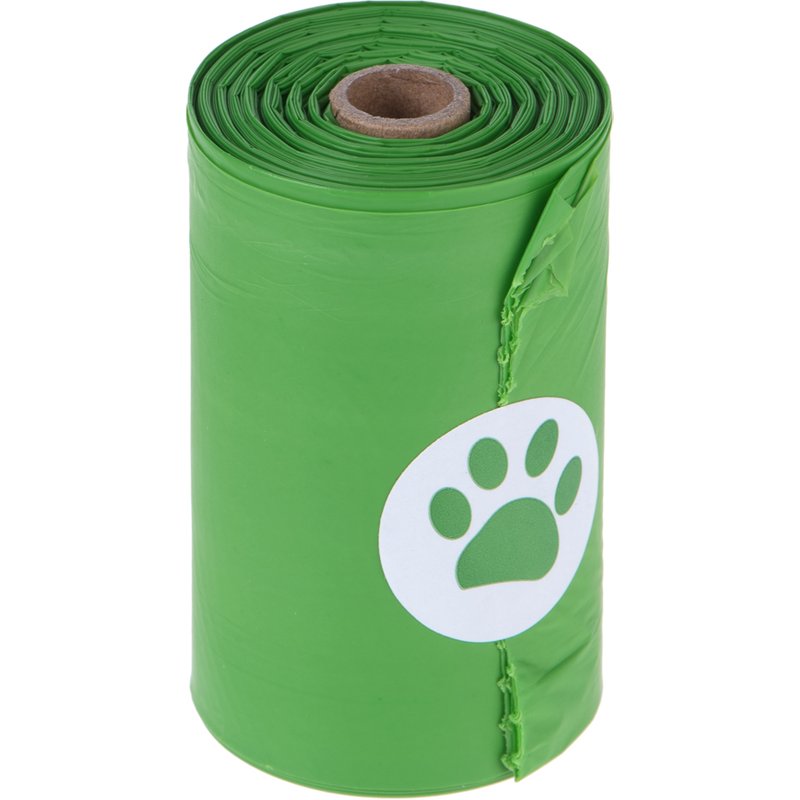
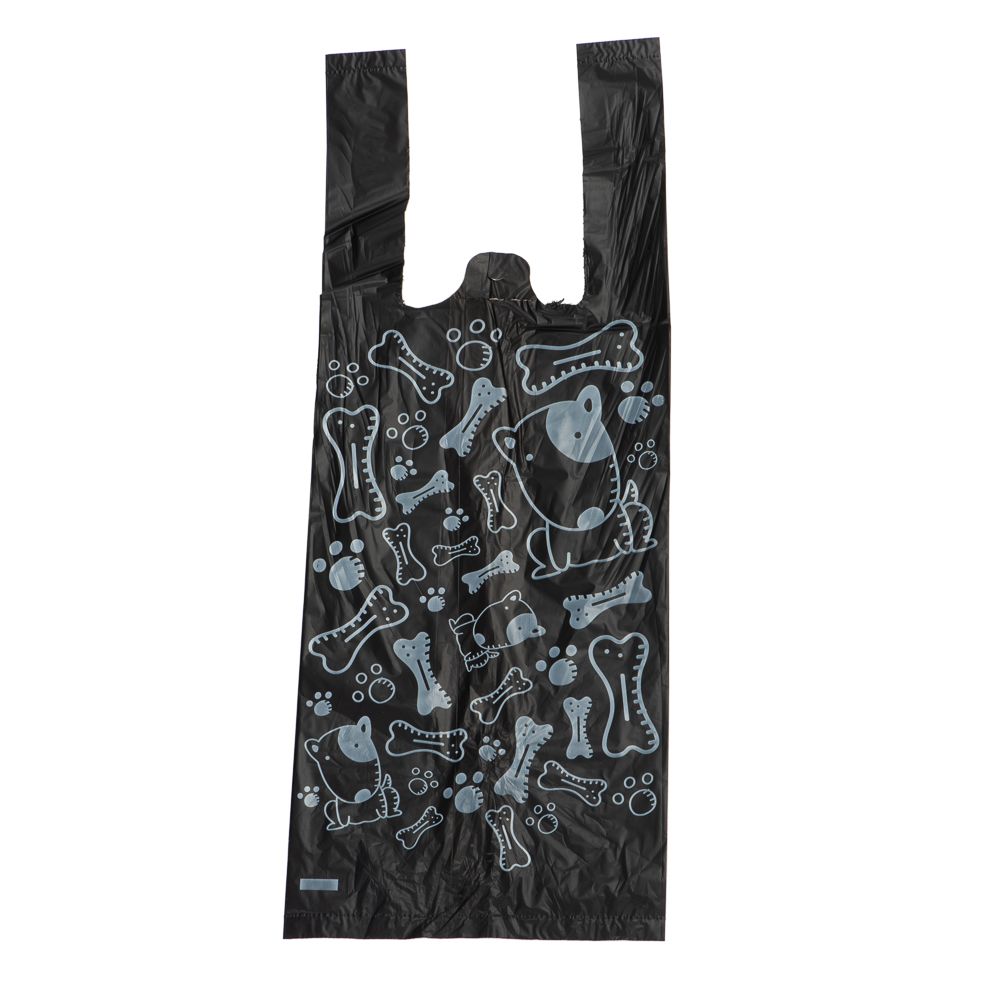
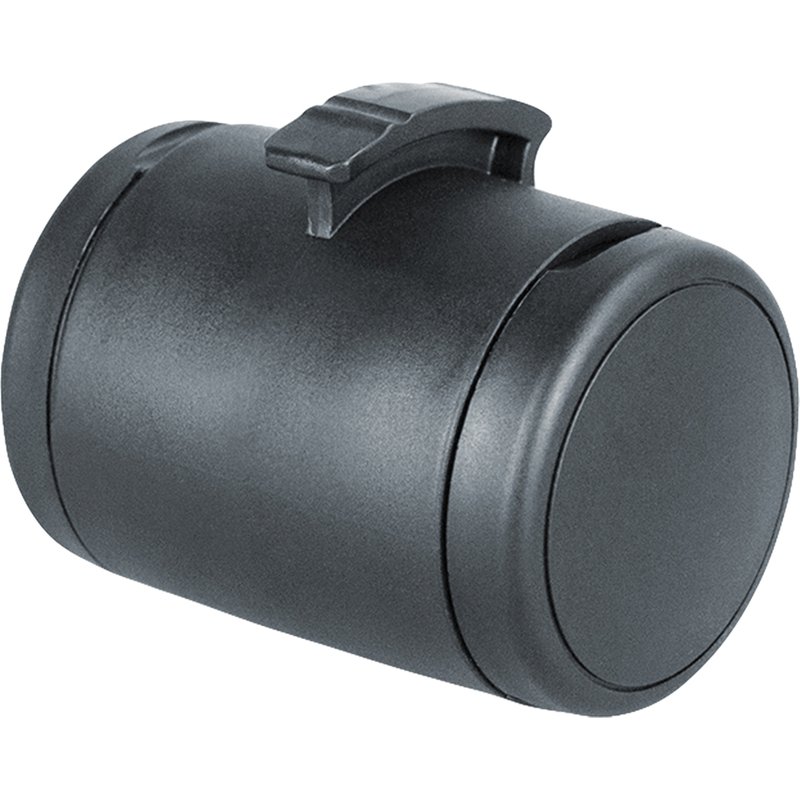
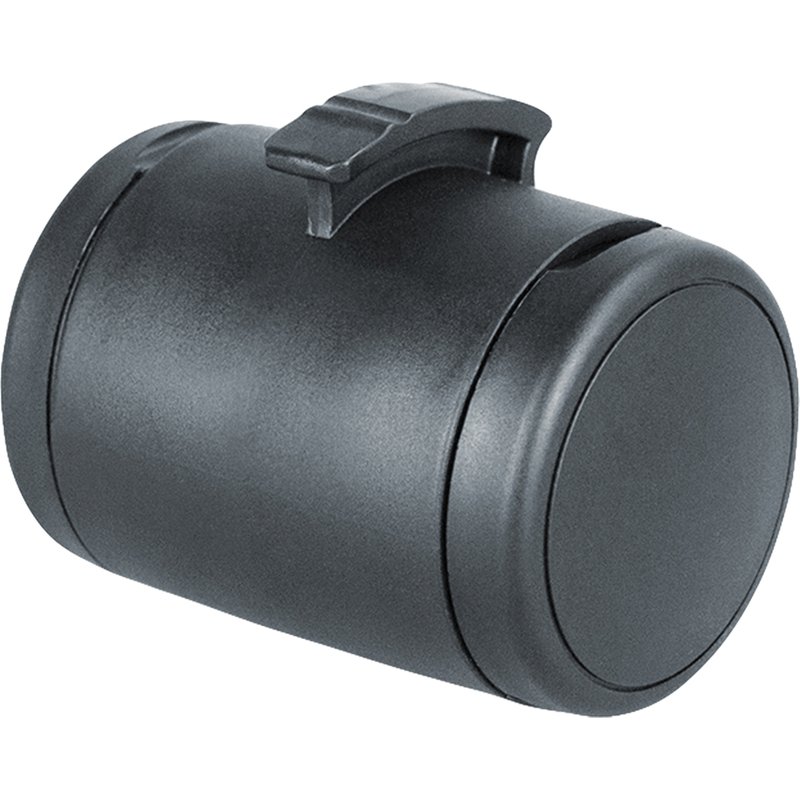
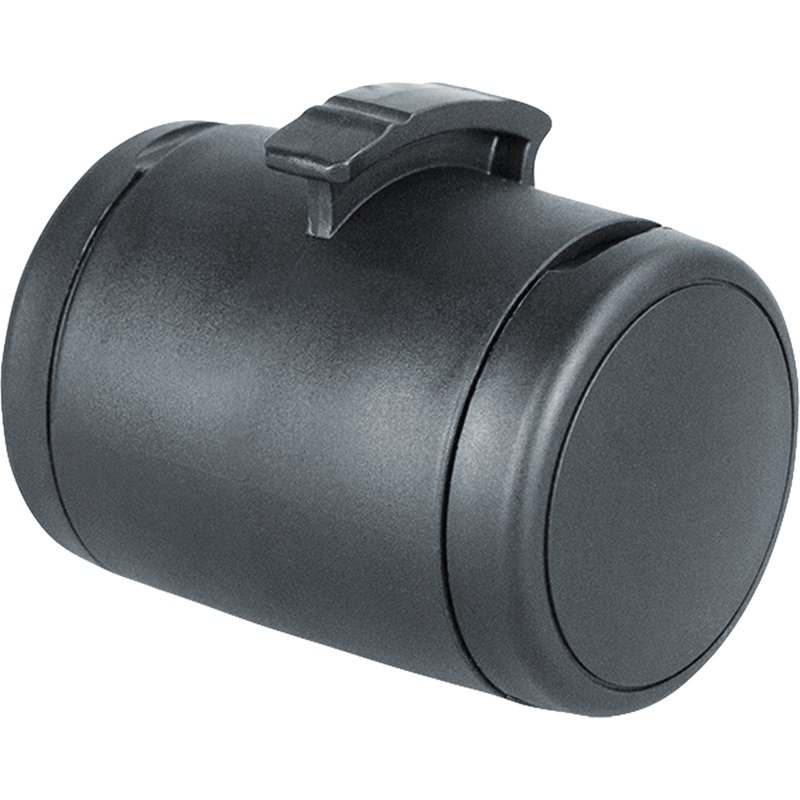
For dark winter walks, a reflective or light-up collar or a clip-on light makes your dog visible from much further away. Always carry poo bags: clearing up after your dog is required in most public places. In the car, use a seat belt restraint clipped to a harness, never to the collar. For travel crates, see dog crates and travel.
Common questions
Does my dog legally have to wear a collar?
Yes. The Control of Dogs Order 1992 requires dogs in public places to wear a collar showing the owner’s name and address, on the collar itself or on a tag. Working and assistance dogs have some exemptions. Your dog can also wear a harness, but it needs the collar and tag as well.
Is a harness or a collar better for my dog?
A harness is usually better for dogs that pull, small and flat-faced breeds, and dogs with neck or breathing problems, as it keeps pressure off the throat. A collar is still needed for the ID tag. Many owners use both: collar for ID, harness for the lead.
Are extendable leads safe?
They can be used safely on quiet open paths with a well-behaved dog. Near roads, lock them at a short length, and choose one rated for your dog’s weight. Never touch the cord while it is moving, and do not use one with a head collar.
How tight should a dog collar be?
You should be able to slide two fingers flat between the collar and your dog’s neck. It should not slip over the head when you pull gently forward. Check the fit regularly, especially for growing puppies.