

Perches
Birds spend almost their whole life standing, so perches matter more than any other accessory. Uniform dowels keep the foot in the same grip all day, which over time can contribute to sore spots on the soles. Mix it up:
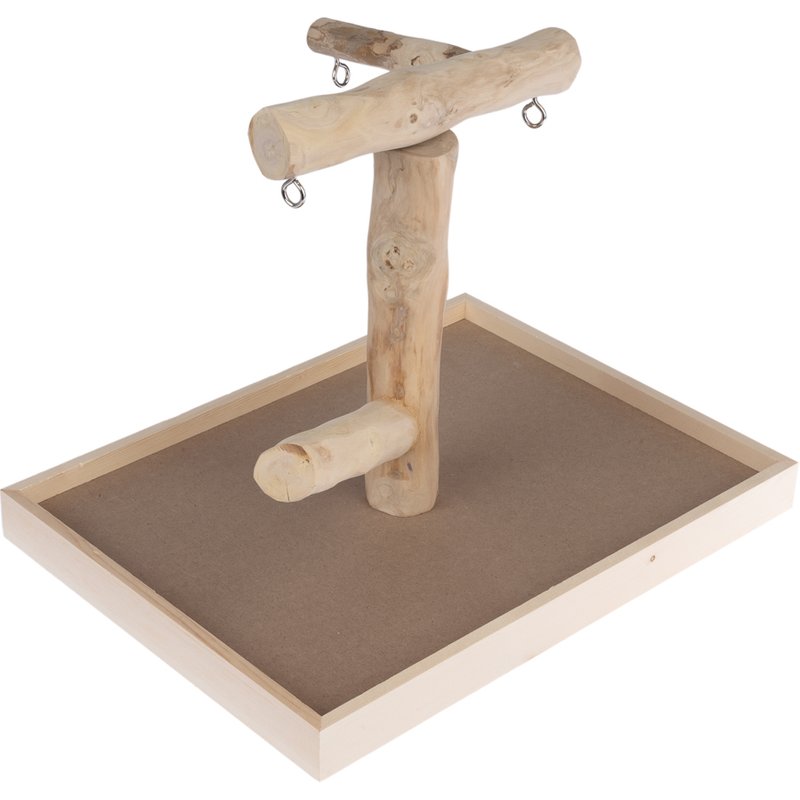
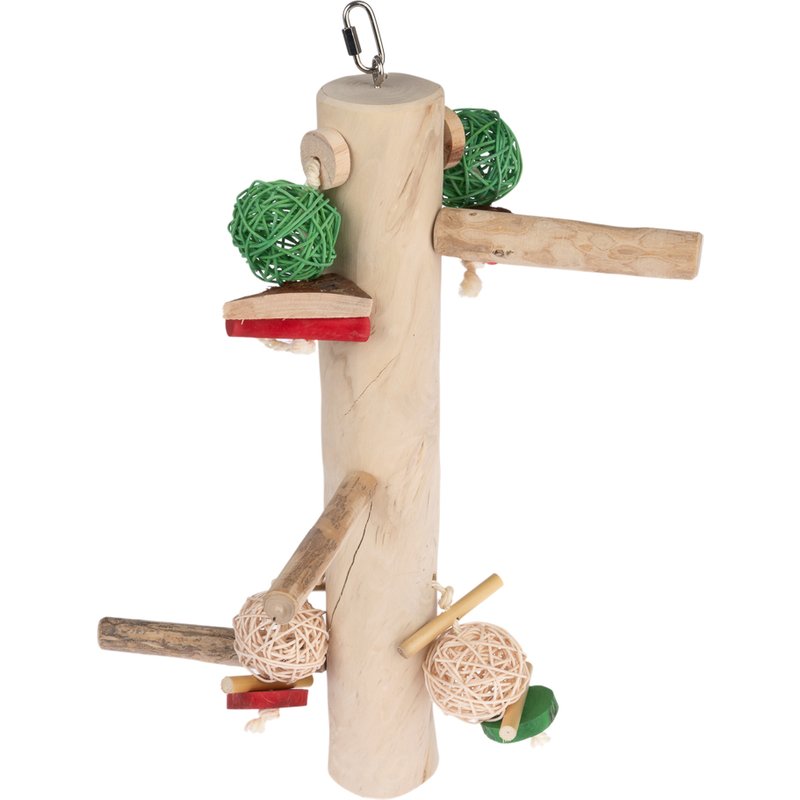
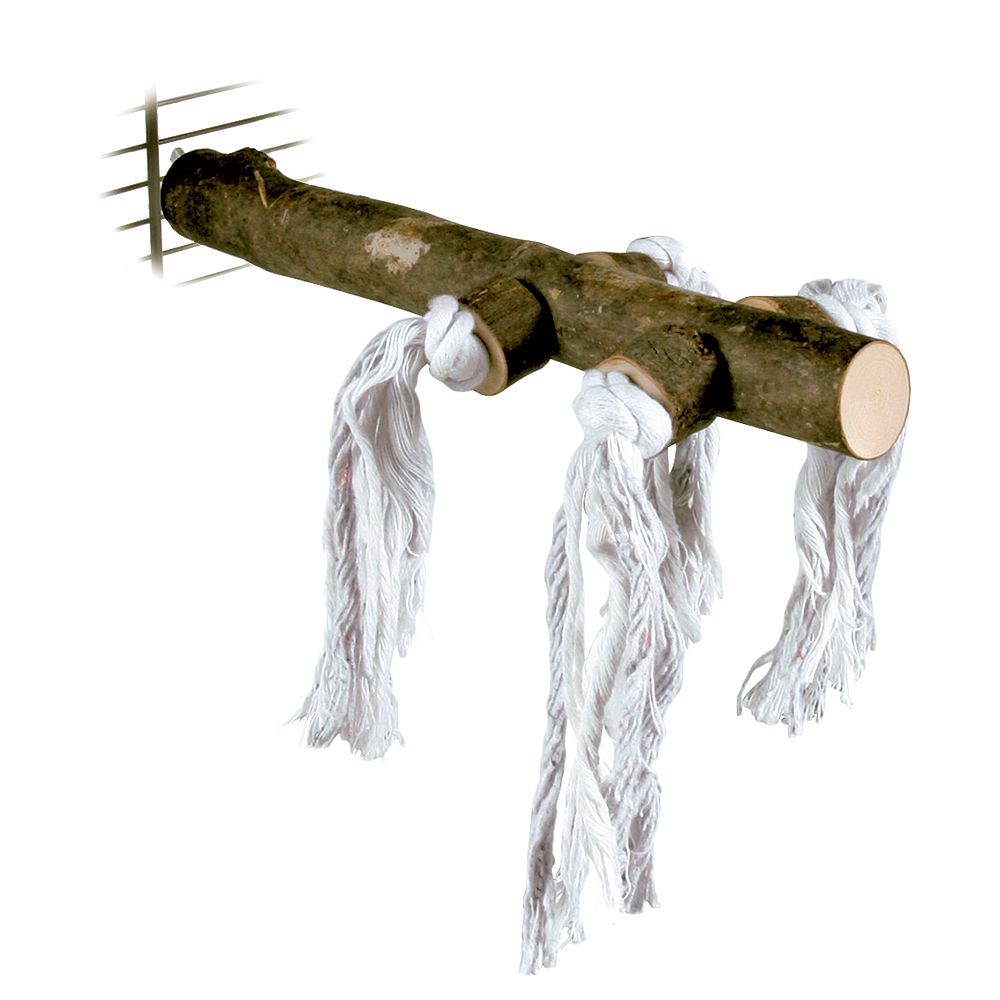
- Natural wood perches with varying diameters and a slightly uneven surface, so the toes grip at different widths.
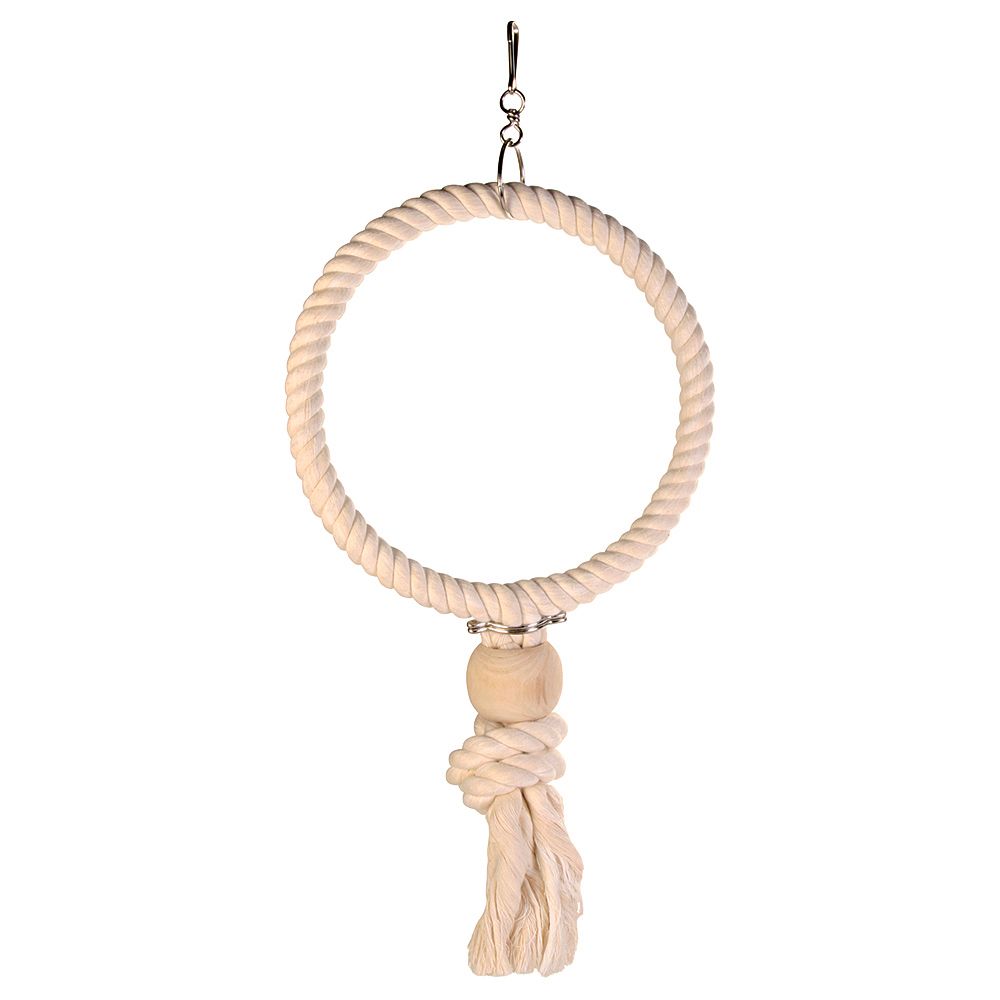
- Rope or cotton perches that bend and swing, good for climbing and resting. Check them regularly and replace them once they fray, because loose threads can wrap round toes.
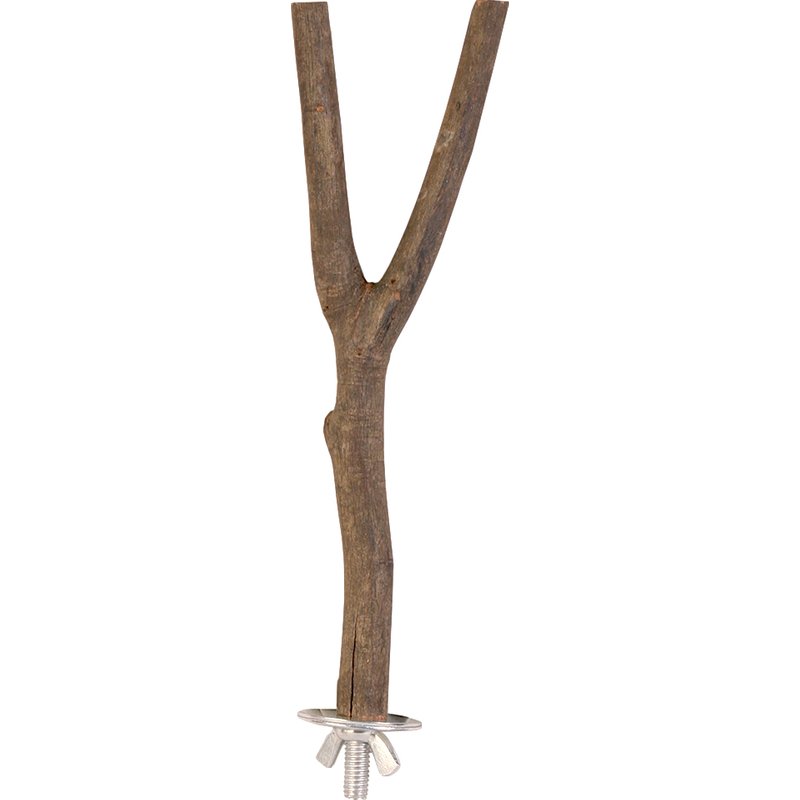
- Y-shaped and branch perches that add different angles.
As a rule of thumb, the bird’s toes should wrap around roughly two thirds to three quarters of the perch. Place perches at different heights, leave flying space between them, and never put one directly above a food or water bowl, or droppings will end up in it.
Bowls, feeders and baths
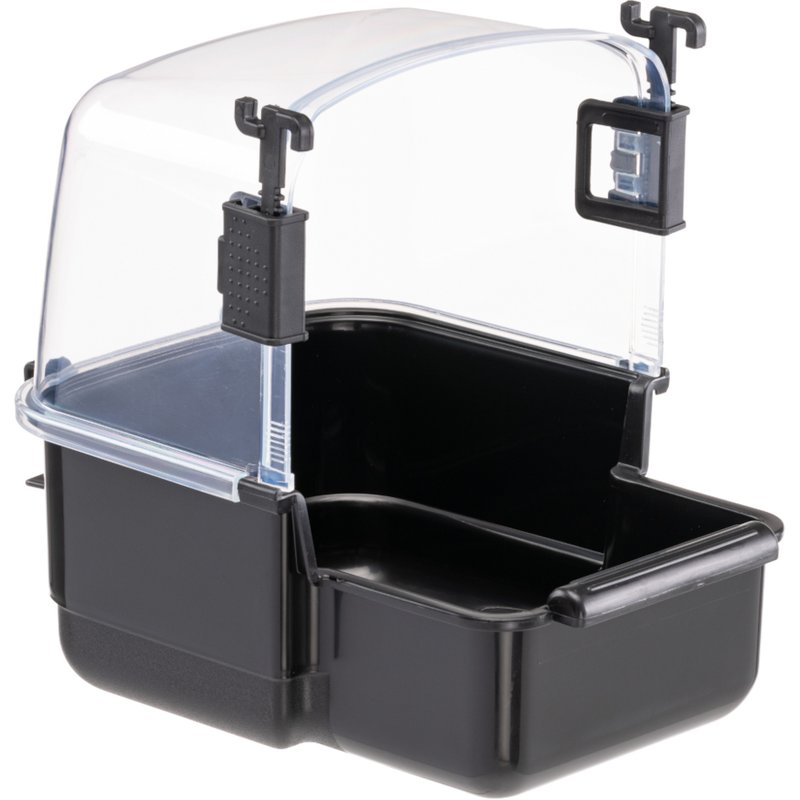
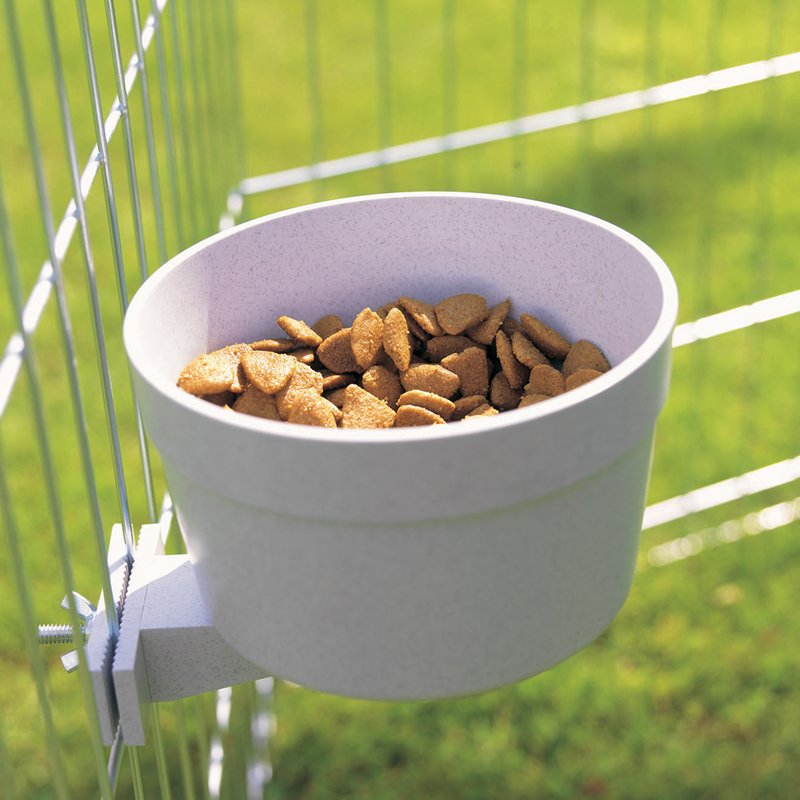
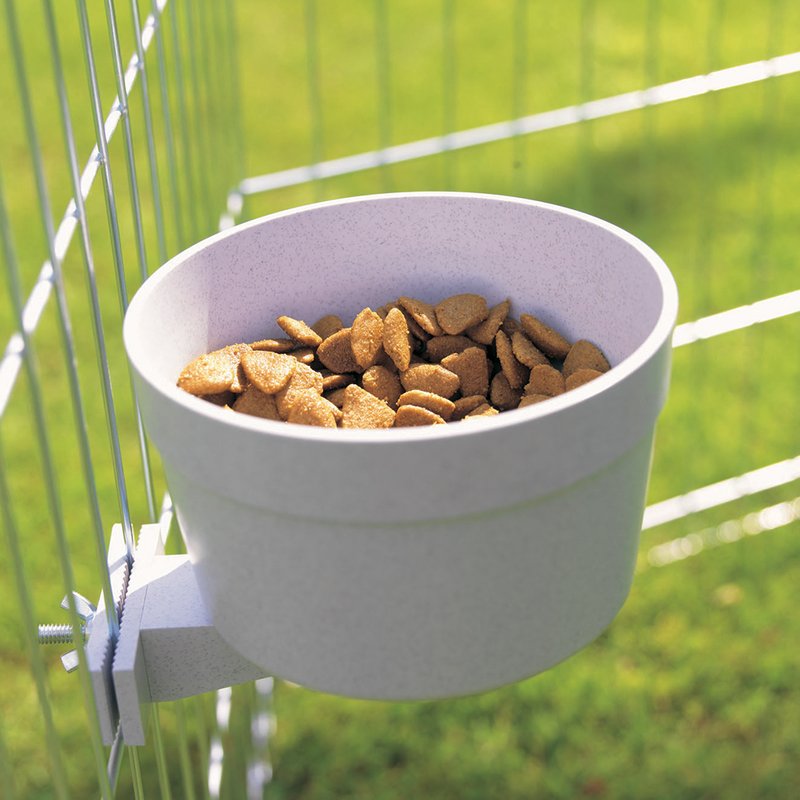
Stainless steel and ceramic bowls are easier to clean and harder to chew than thin plastic. Clip-on or screw-fixed bowls stop larger birds from tipping them over. Seed guards and skirts cut down on husks thrown across the floor. Most birds enjoy bathing, and a clip-on bath or a shallow dish once or twice a week helps keep feathers in good condition. Take it out afterwards so the water does not get fouled.
Nest boxes
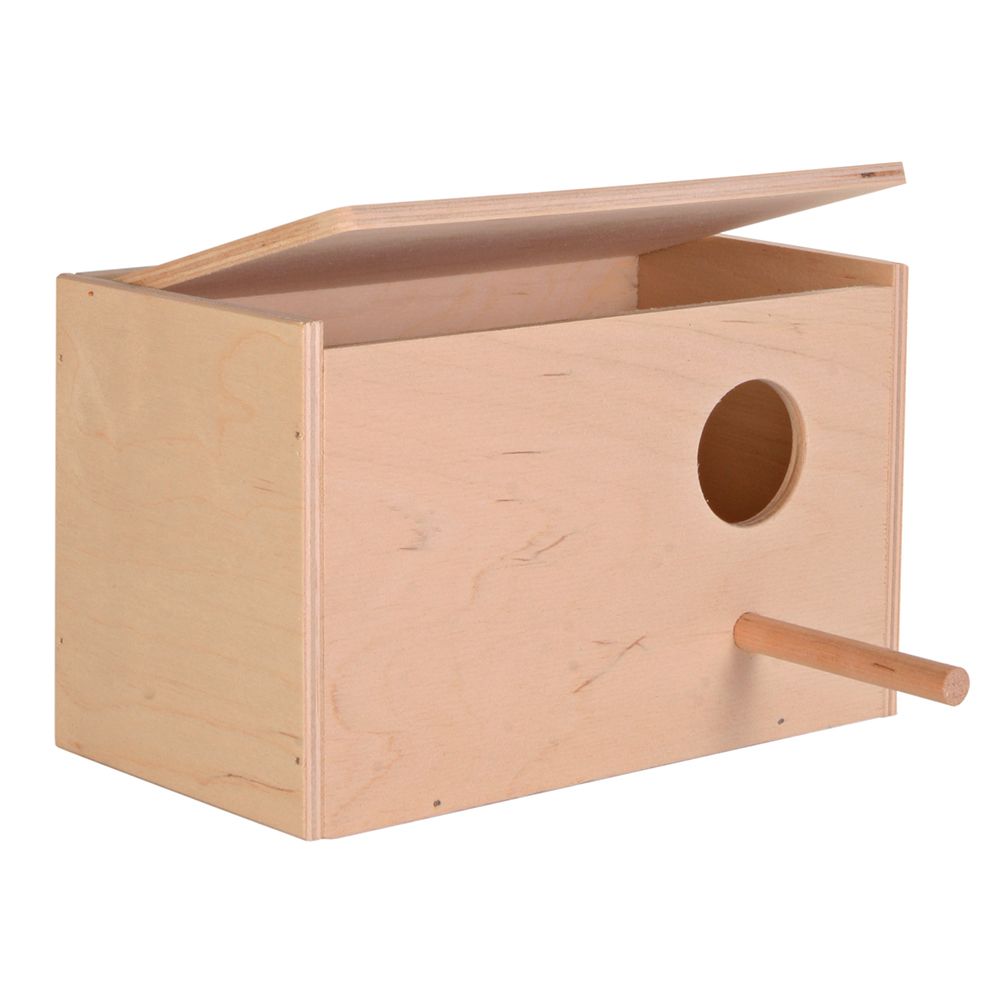
Only add a nest box if you intend to breed. For budgies and cockatiels in particular, a box can trigger hormonal behaviour and egg laying, which takes a lot out of a hen. Match the box size to the species and position it securely, usually on the outside of the cage, so you can check it without disturbing the birds.
Other useful accessories
- Cage covers that block light at night and help keep a regular sleep pattern.
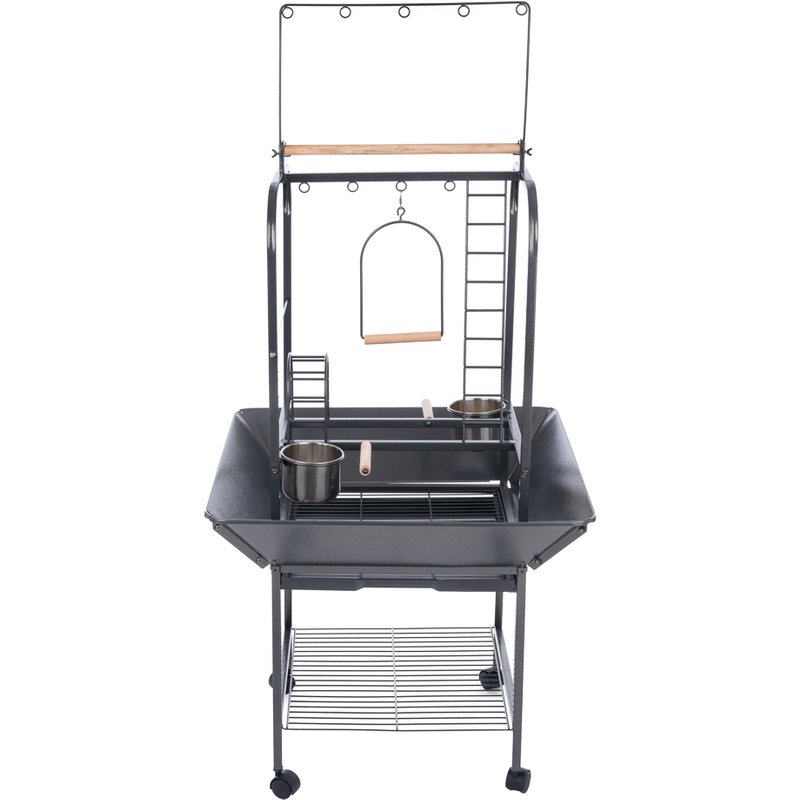
- Ladders and climbing frames, mostly for parrot-type birds that climb rather than fly.
- Door clips or small locks for birds that learn to lift sliding doors.
- Plush or fabric perches and door-frame play areas for time outside the cage, used under supervision.
Common mistakes
Overfilling the cage is the big one. Every perch, toy and bowl takes up flying room, and birds such as canaries and finches need clear space to fly from one end to the other. Sandpaper perch covers are another: they are sold as nail trimmers but can be abrasive on the soles of the feet, and natural wood or a concrete perch used alongside other perches does the job better.
Common questions
What size perch does my bird need?
The bird’s toes should wrap around most of the perch without the front and back toes meeting. Budgies and canaries need narrower perches than cockatiels, and larger parrots need thicker ones again. Using a few different diameters in the same cage is better than finding one perfect size.
Are sandpaper perches good for keeping nails short?
They are widely sold for that purpose, but they can be rough on the soles of the feet and do little for the nail tips. Natural wood perches of varying thickness, plus a cement or mineral perch alongside them, are a gentler option. If nails get long, ask a vet to show you how to trim them safely.
Do I need a nest box for my budgies?
No, not unless you want them to breed. A nest box can encourage hens to lay eggs repeatedly, which drains calcium and energy. Budgies roost on perches, not in boxes, so they do not need one to sleep.