



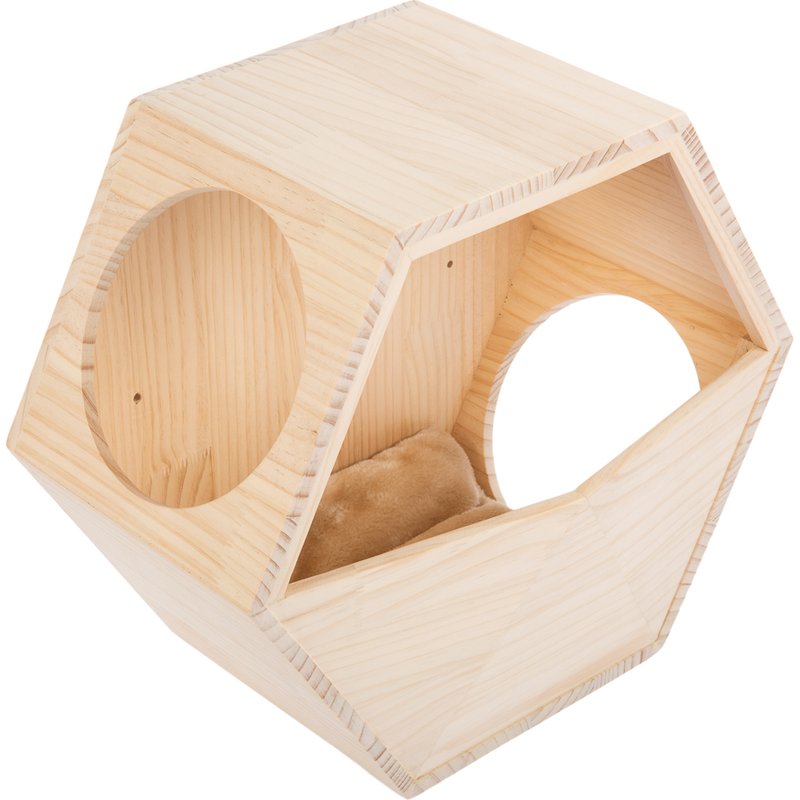
Types of bed
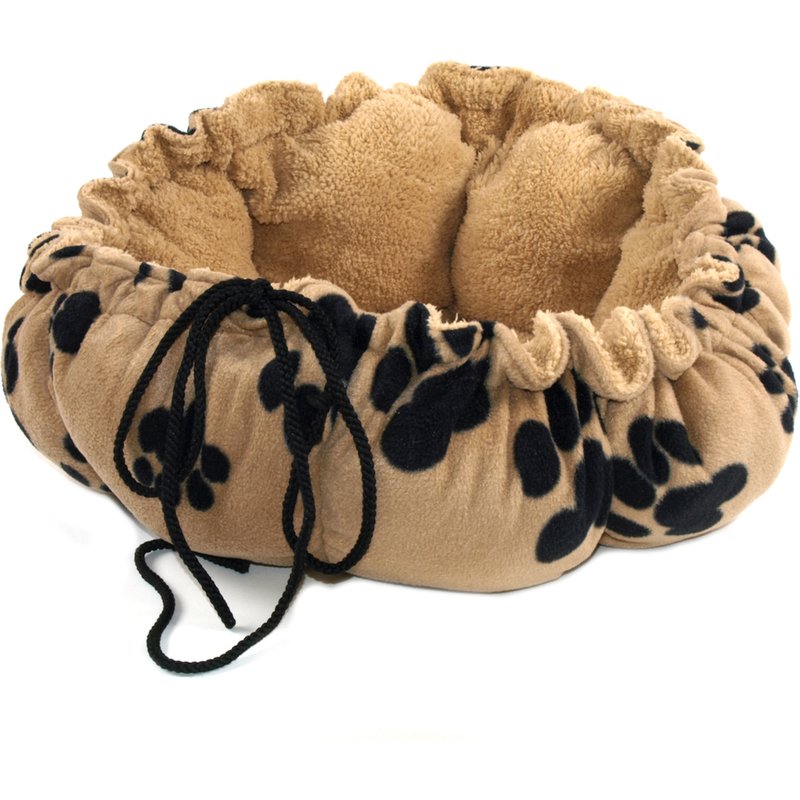
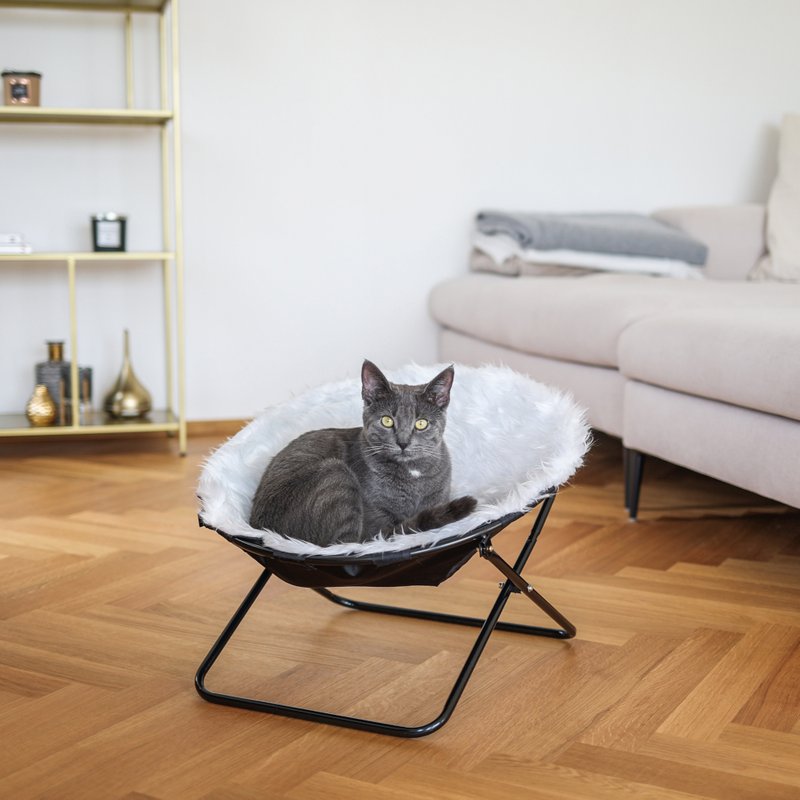
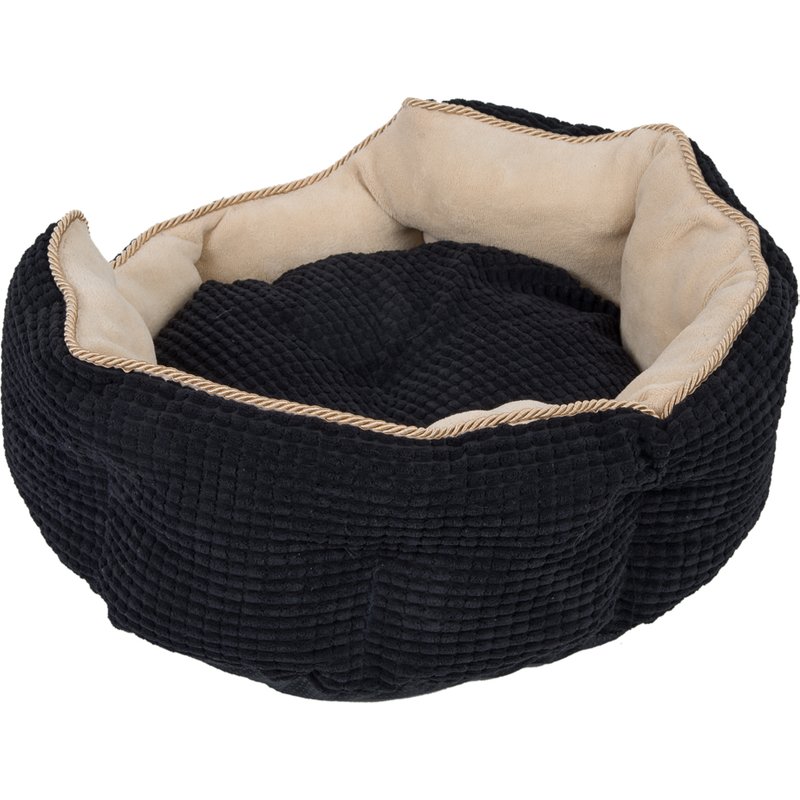
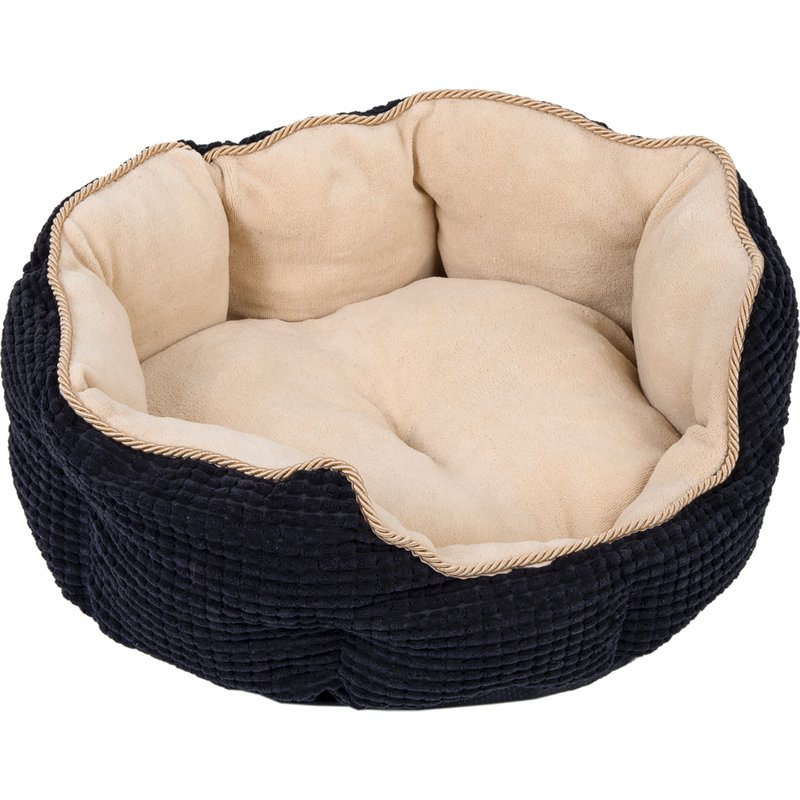
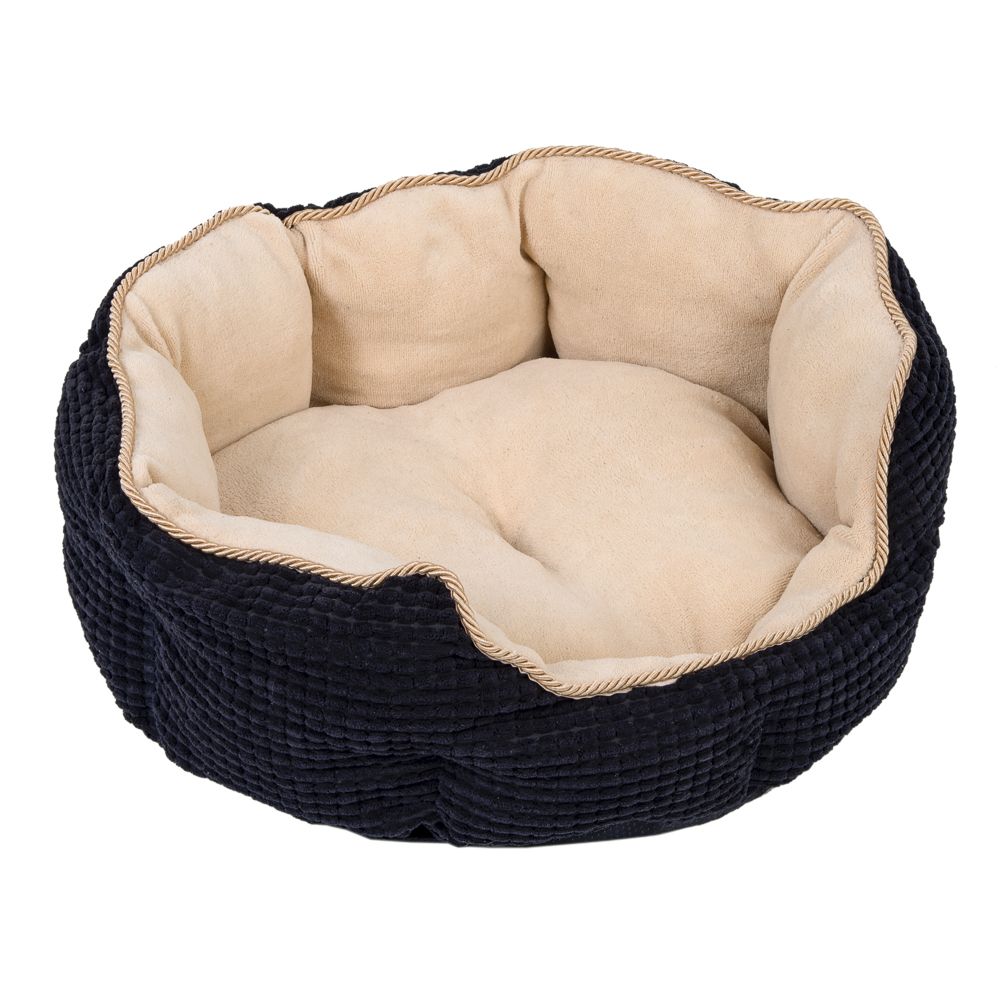
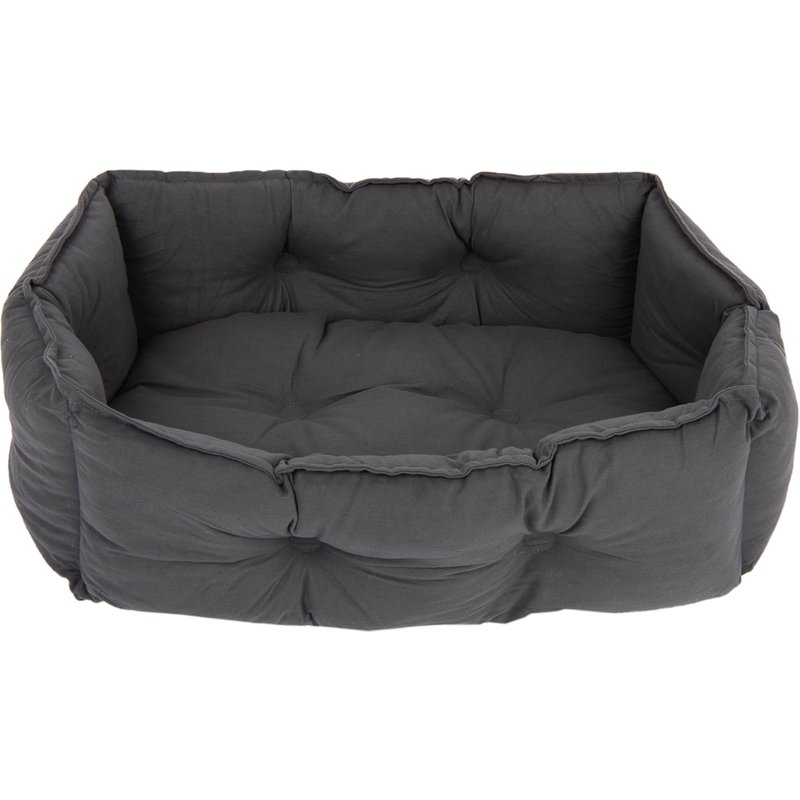
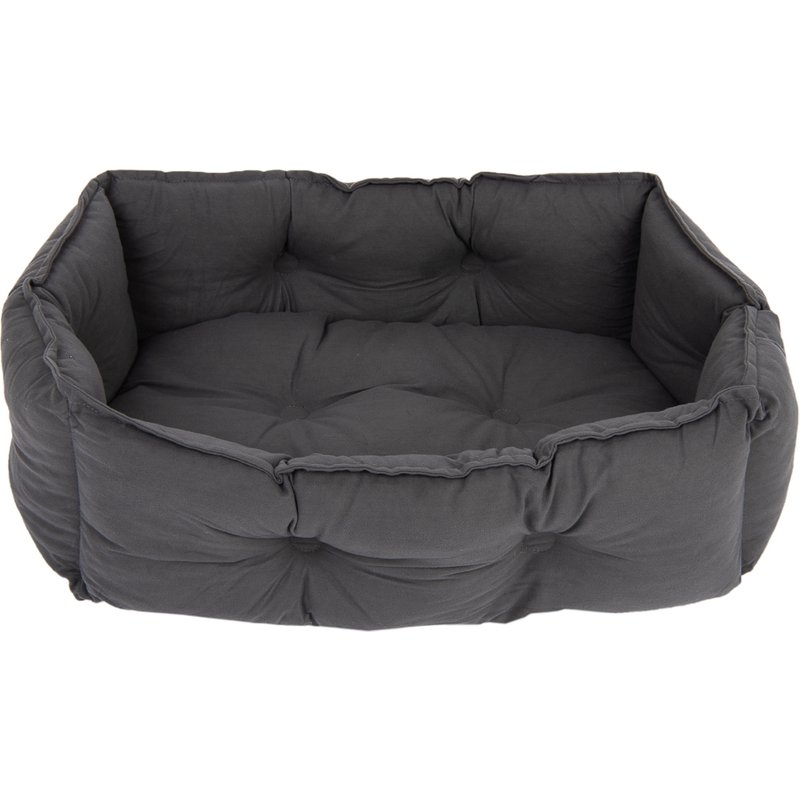
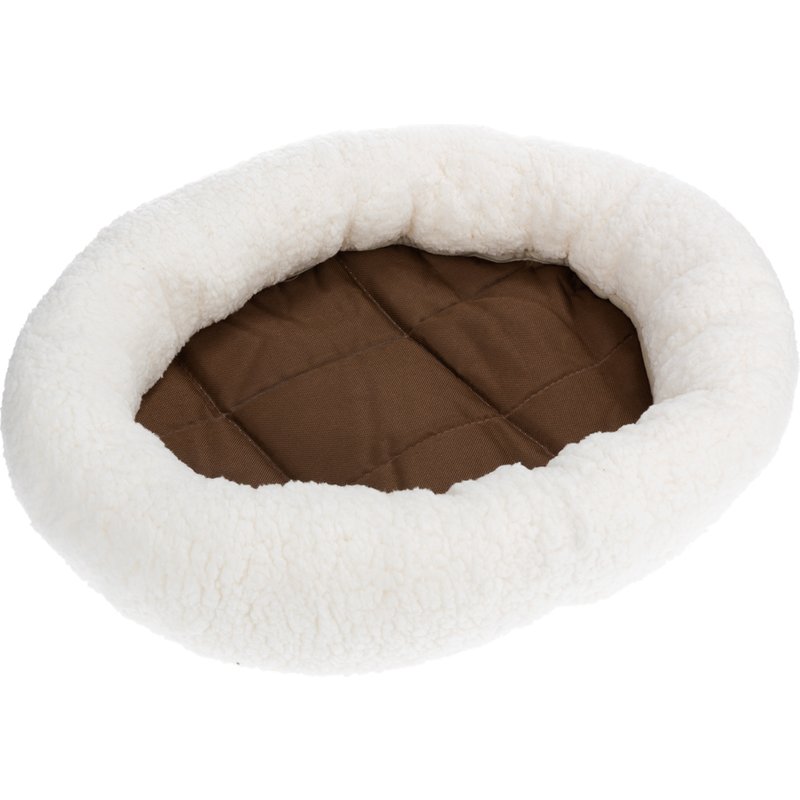
- Snuggle and donut beds: round beds with raised, padded sides. Good for cats that sleep curled up and like something to lean against.
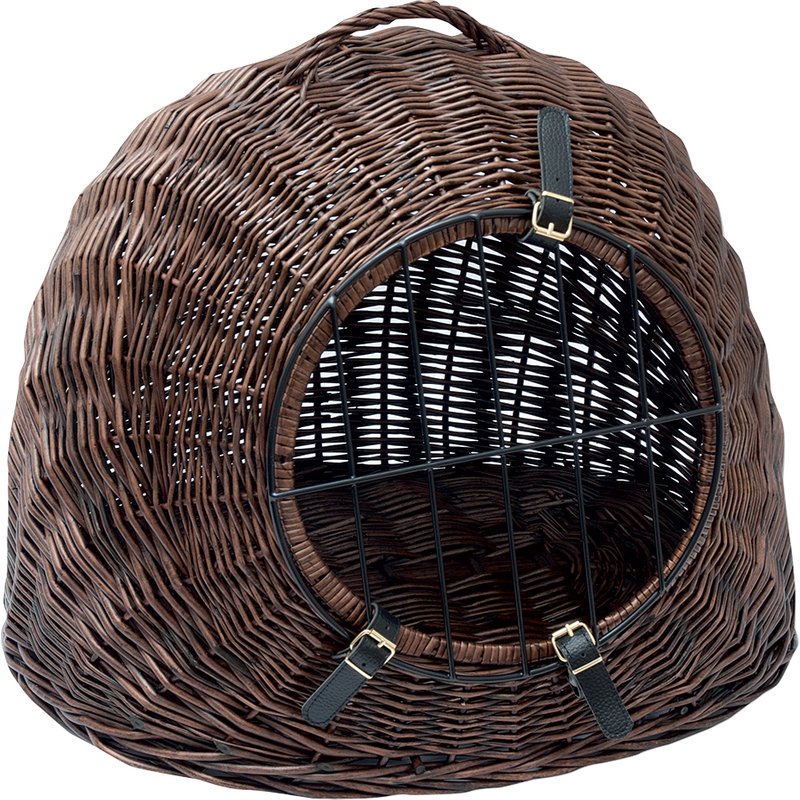
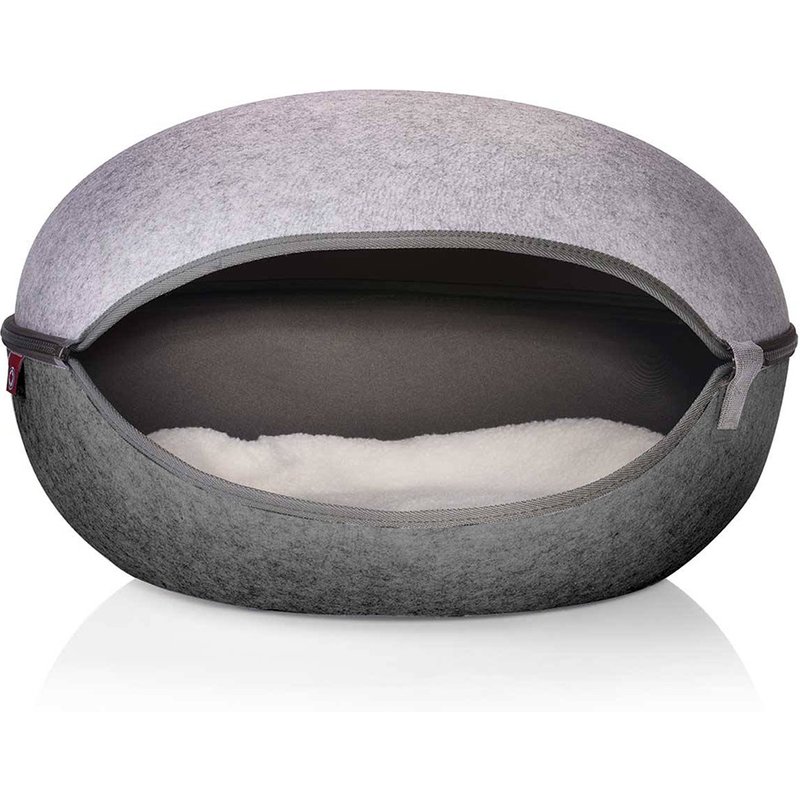
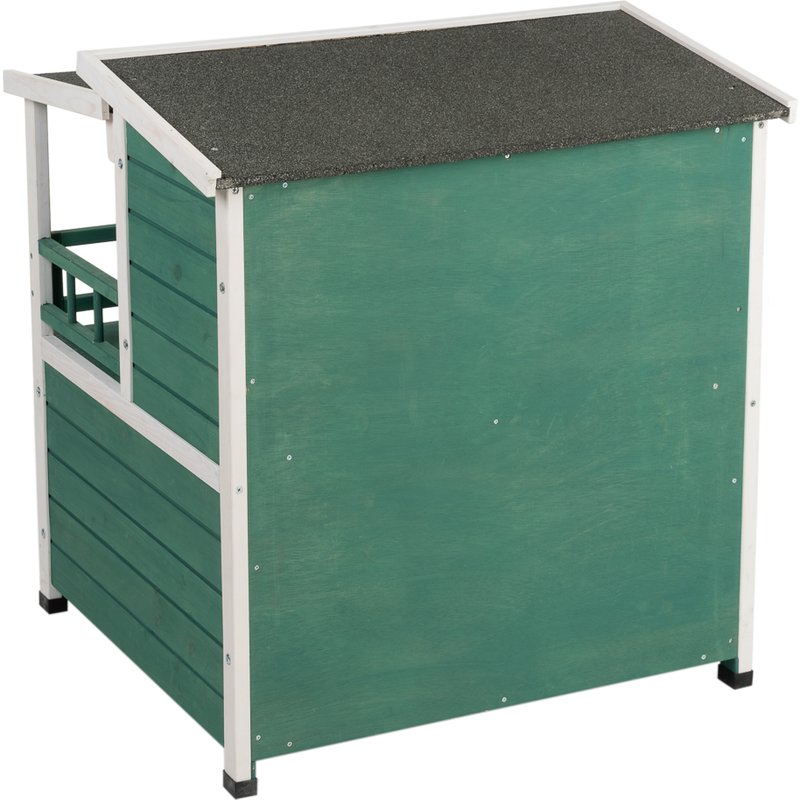
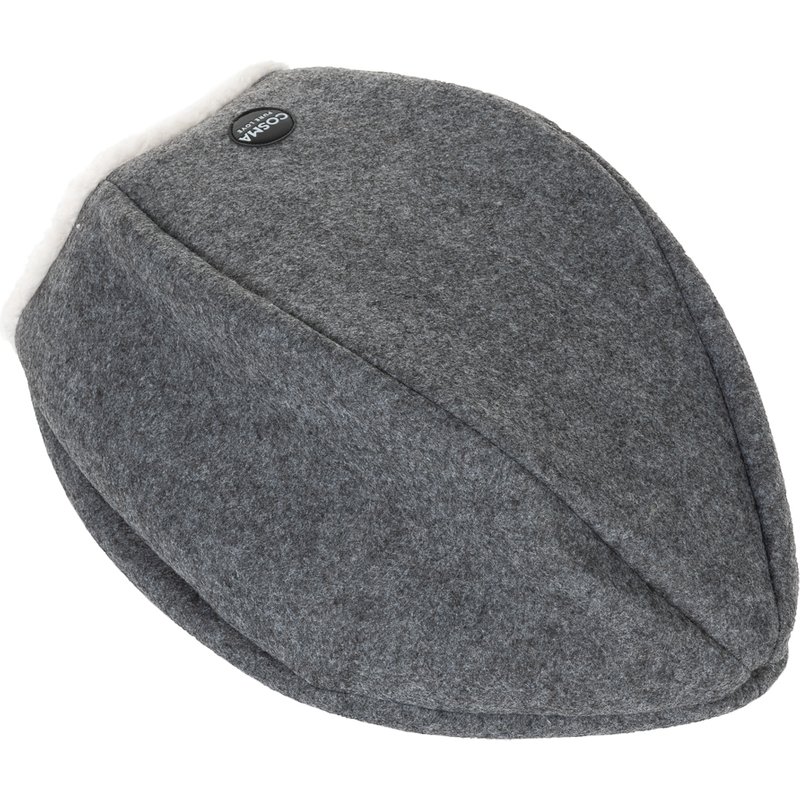
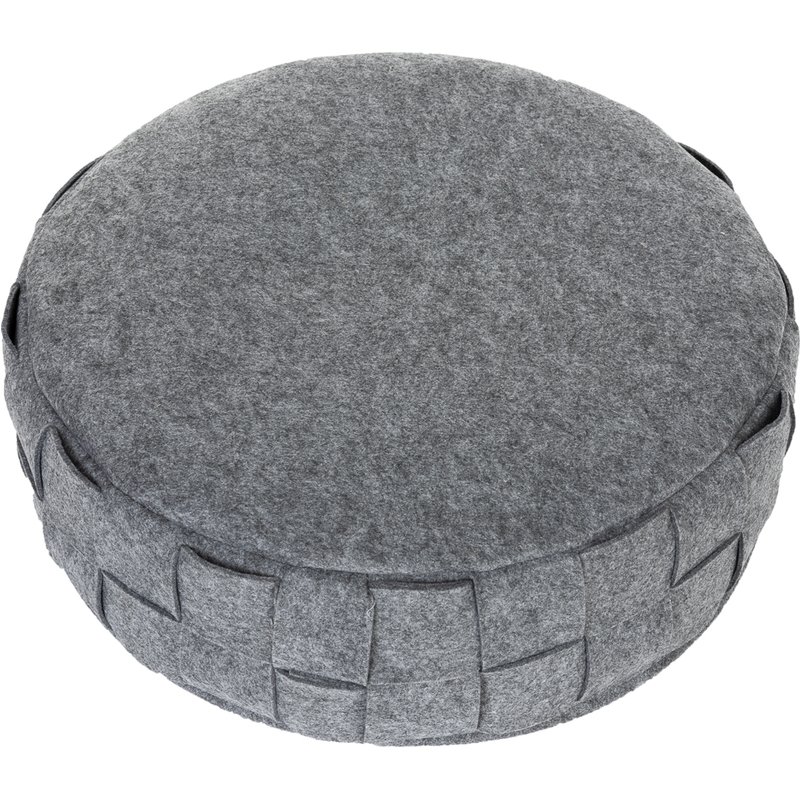
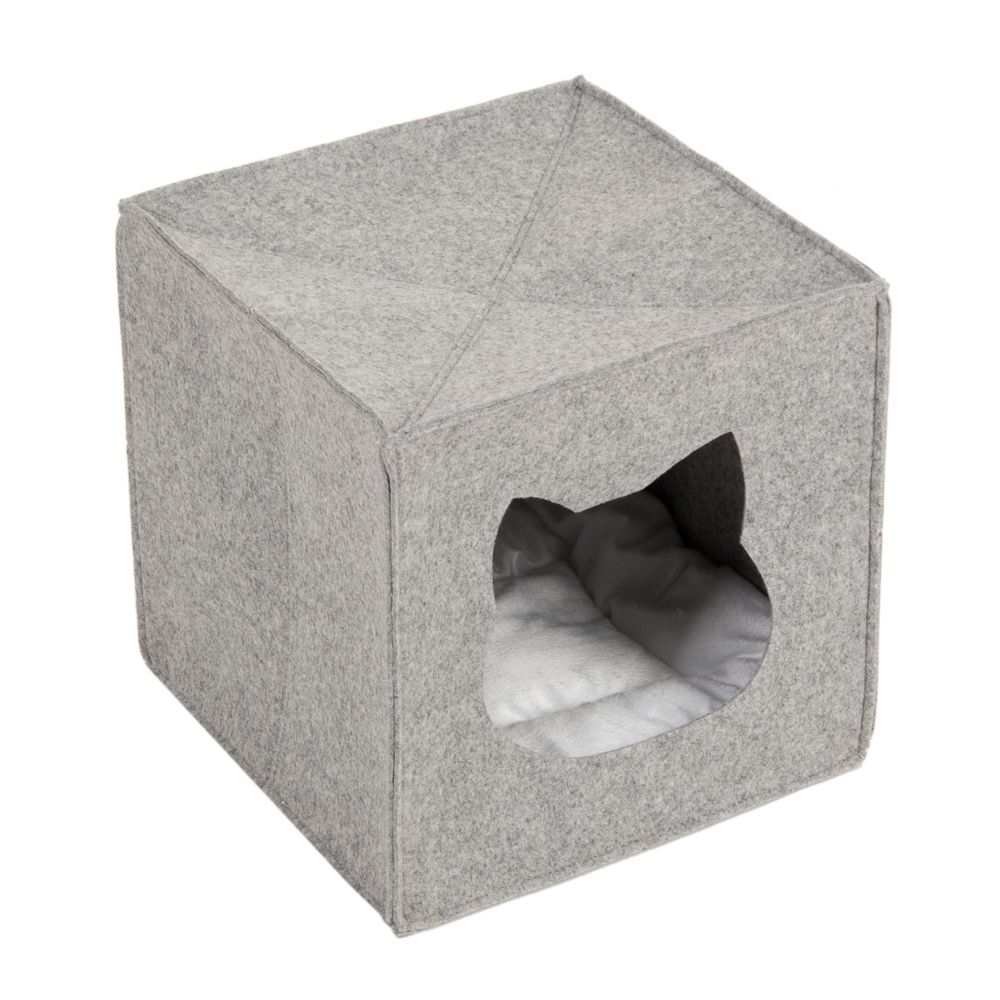
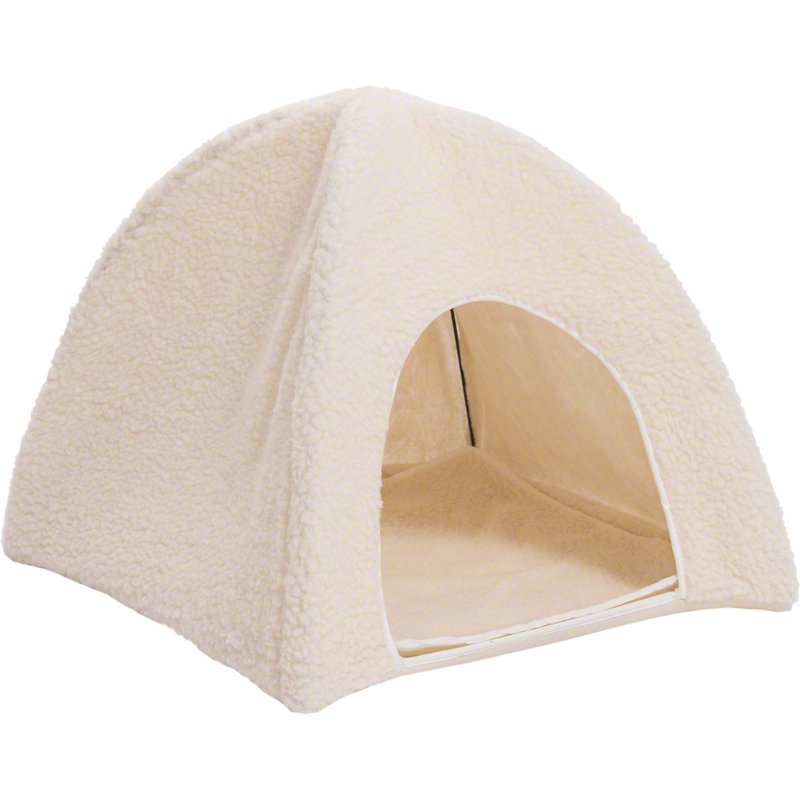
- Caves, igloos and dens: enclosed beds with an entrance, including felt and woven caves. Ideal for shy cats, cats in busy homes and cats that feel the cold.
- Baskets: wicker, banana leaf or rattan, usually with a cushion. Sturdy and breathable; choose one with a removable, washable cushion.
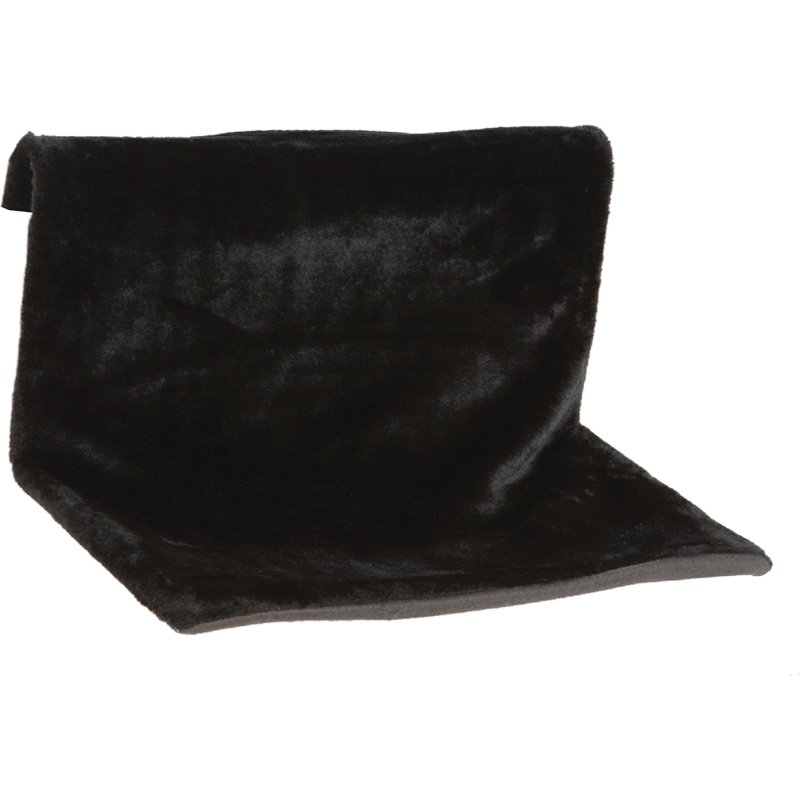
- Radiator beds: a fabric cradle that hooks over a radiator. Check the hooks fit your radiator and the maximum weight.
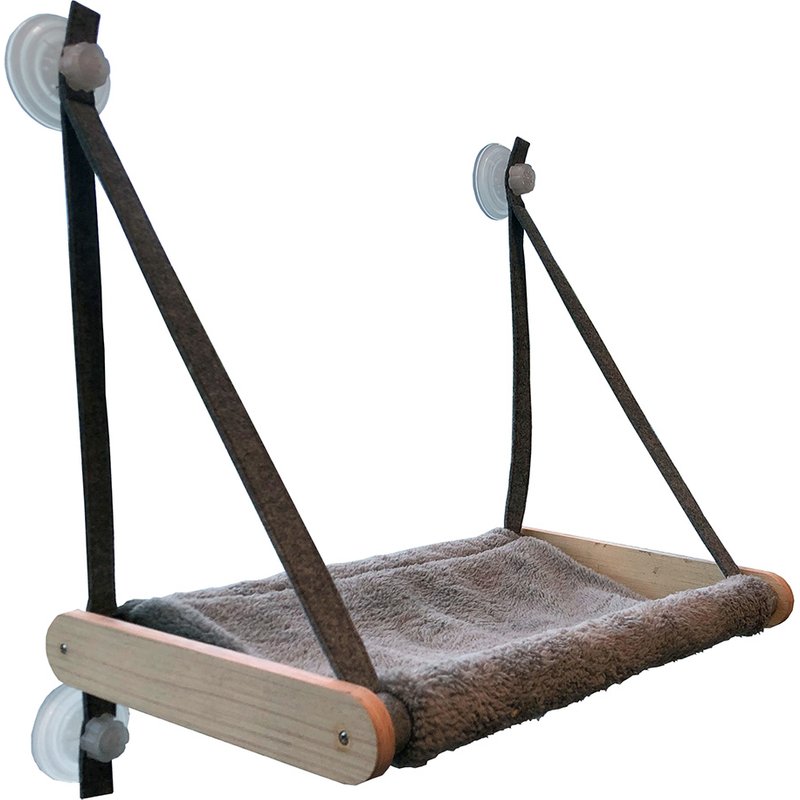
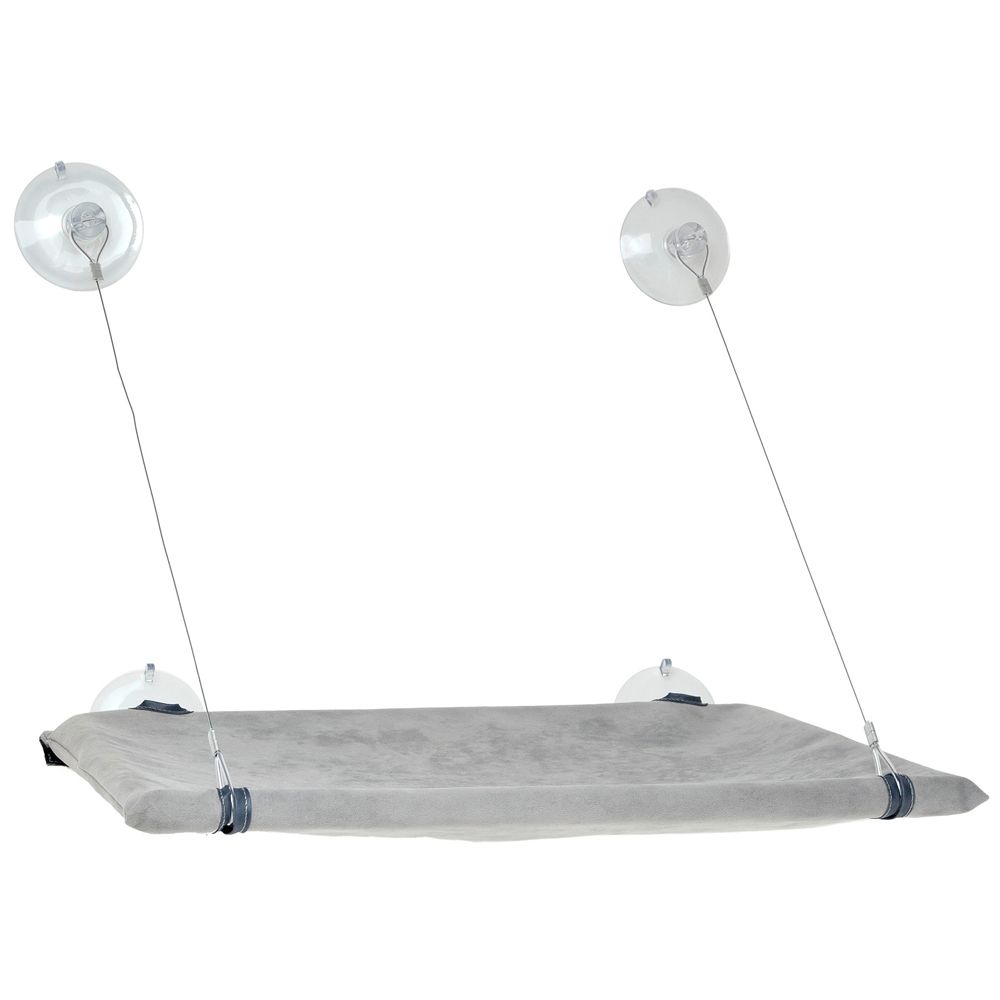
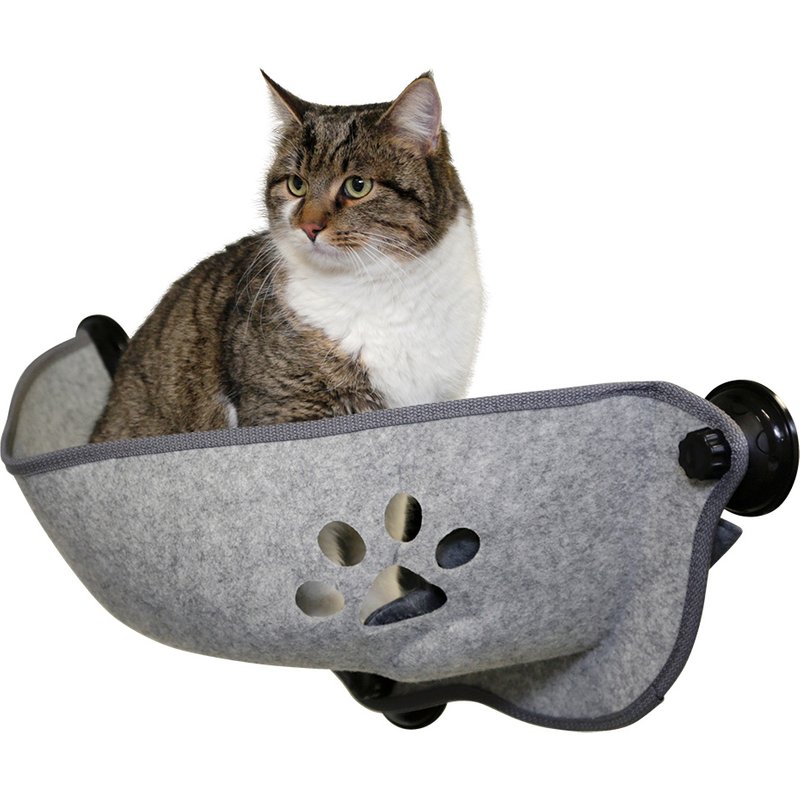
- Window perches: a platform that attaches to glass with suction cups. Clean the glass before fitting, check the weight limit and test the suction regularly.
- Wall-mounted beds and hammocks: part of a climbing wall or cat tree, giving the height many cats prefer. Wall beds must be screwed into solid masonry or studs with suitable fixings.
- Flat mats and blankets: to make a sofa, windowsill or carrier more comfortable.
- Self-warming beds: contain an insulating layer that reflects the cat’s own body heat, with no cable or power.
Size and shape
Watch how your cat sleeps. A cat that curls into a tight ball is happy in a compact round bed; measure it curled up and pick a bed slightly larger. A cat that sprawls on its side needs a larger, flatter bed or mat. Large breeds need large beds: a Maine Coon will spill out of a standard cave. For dens, check the entrance is wide enough for your cat to walk in without squeezing.
Older and less mobile cats
Senior cats and cats with stiff joints appreciate a low entry, firm padding that does not sink flat, and a bed placed where they do not need to jump. A bed near a radiator or in a sunny spot helps cats that feel the cold, as long as they can move away if they get too warm.
Getting your cat to use it
- Put the bed where your cat already sleeps, rather than where it suits the room
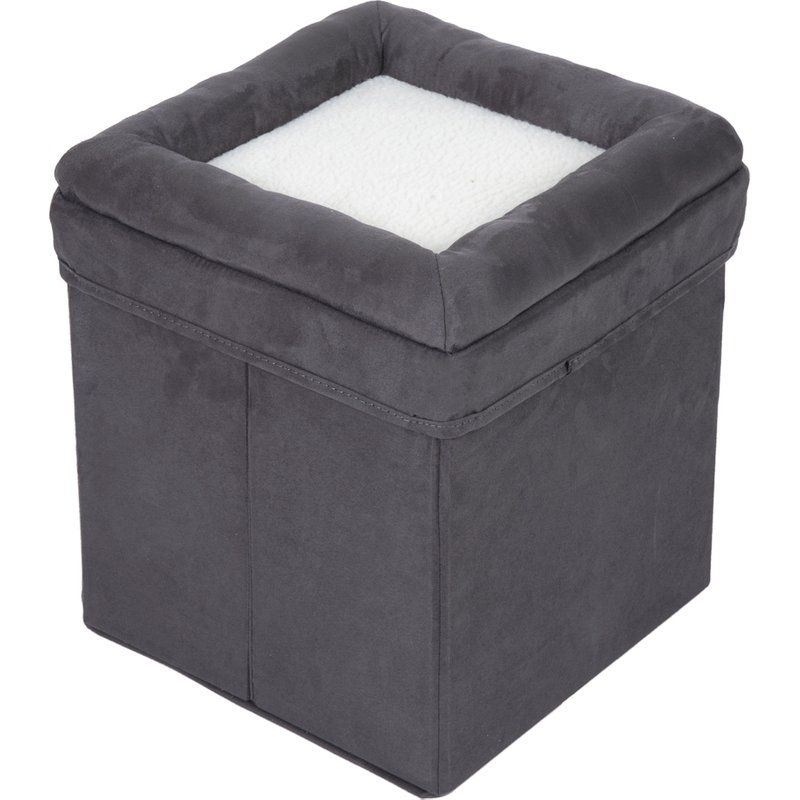
- Raise it a little: on a chair, a shelf or a cat tree platform
- Add something that smells familiar, such as a worn jumper or the cat’s old blanket
- Rub a little catnip or silver vine into the cushion
- Give it time; many cats inspect a new bed for days before using it
In a multi-cat home, provide more sleeping places than cats, at different heights, so no one has to share.
Washing and hygiene
Choose a bed with a removable, machine-washable cover or a cushion that fits in your washing machine. Wash bedding every week or two, and on a hot wash during flea treatment, because flea eggs and larvae collect in bedding. Vacuum fixed beds and plush dens regularly. Dry everything fully before putting it back, as cats avoid damp beds and smelly detergent.
Common questions
Why won’t my cat use its new bed?
The location is often the problem. Move the bed to where your cat already sleeps, raise it slightly and add a familiar-smelling blanket. Many cats need a few days to accept something new.
How often should I wash my cat’s bed?
Every week or two is a good routine, and more often during a flea problem, using a hot wash. Use a mild, unscented detergent and dry the bed completely before putting it back.
Do cats prefer open beds or enclosed dens?
It depends on the cat. Shy cats, cats in busy homes and cats that feel the cold often prefer an enclosed cave or igloo. Confident cats and those that sprawl usually prefer an open bed, ideally raised with a view of the room.