


Temperature
Keep chinchillas in a cool, dry room, ideally around 10 to 20°C. Heat stress becomes a risk in the mid-twenties, so keep the room below 25°C. In summer, avoid sunny rooms and conservatories, and give a marble or granite tile to lie on. Signs of heat stroke include lying stretched out, rapid breathing, drooling and wobbliness, and need urgent vet attention.
Dust bath
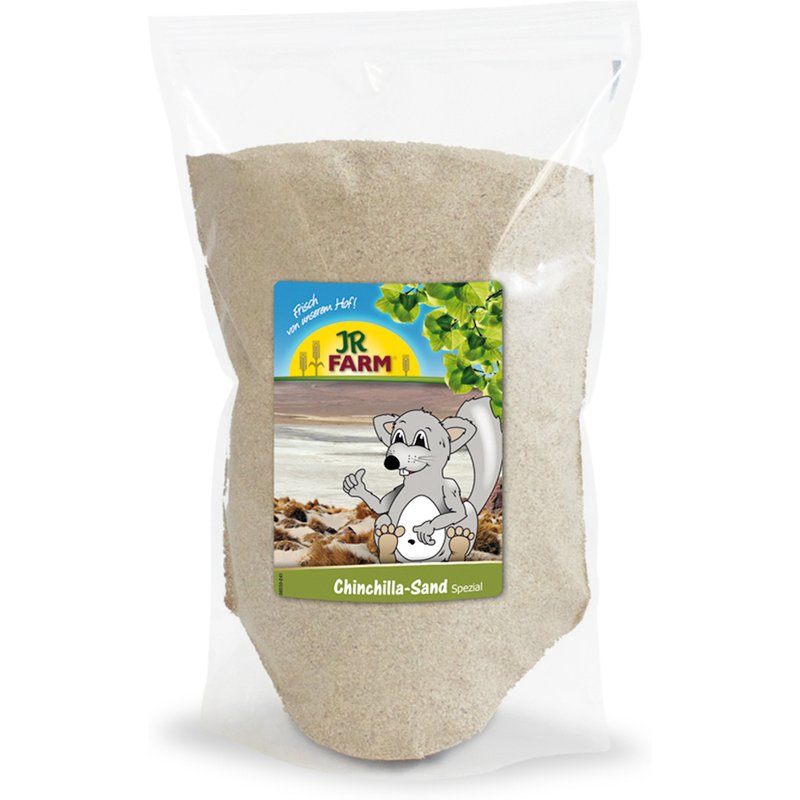
Chinchillas keep their fur clean by rolling in fine dust. Offer a bath of chinchilla bathing sand or dust daily or most days, in a deep container or bath house, for a short session, then remove it so it is not used as a toilet. Use only products made for chinchillas, never builder’s sand or anything scented. Never bathe a chinchilla in water.
Diet
- Hay, unlimited. Good-quality grass hay is the most important food. A ball of hay about the chinchilla’s size each day is a good guide.
- Chinchilla pellets, a small portion only. Plain pellets are better than muesli mixes, which encourage selective eating.
- Dried herbs and safe branches such as apple or willow, in small amounts.
- Treats: very few. Chinchillas do not cope well with sugar, fat or fresh fruit, and nuts, seeds and raisins should be avoided.
Fresh water daily from a bottle or bowl.
Like rabbits, chinchillas have teeth that grow continuously. A wet chin, drooling, dropping food or eating less are typical signs of dental trouble and need a vet who knows chinchillas.
Cage
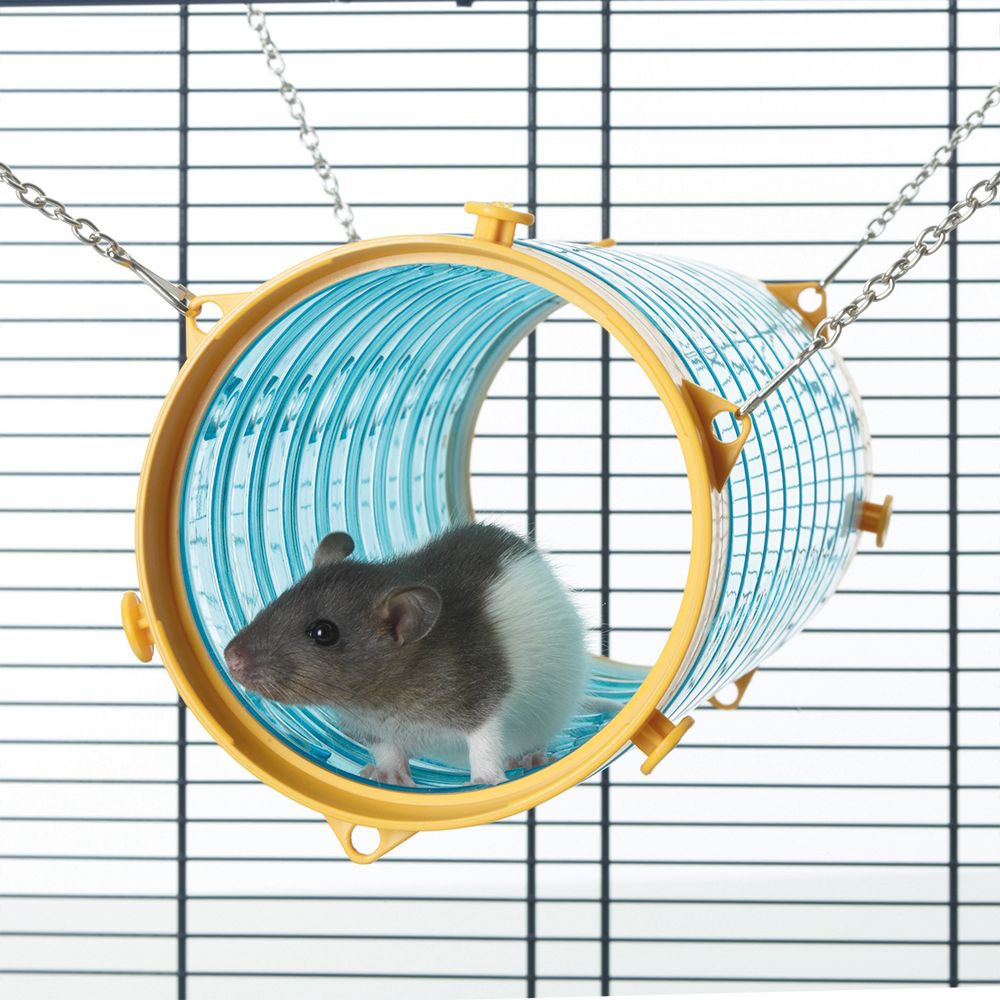
Chinchillas jump and climb, so they need a large, tall, multi-level cage with solid shelves and floors, not wire mesh. Look for metal or wooden shelves rather than plastic, which they chew. A wheel should be at least around 38 cm across with a solid surface. Nest boxes, ledges and safe wooden toys complete the set-up. Supervised time out in a chinchilla-proofed room is good exercise.
Company and handling
Chinchillas are social and are often kept in pairs, either same-sex or with a neutered male. They generally dislike being restrained. Let them come to you, and support the body and back legs when lifting. Grabbing the fur can cause fur slip, where a patch comes away.
Common questions
How often should a chinchilla have a dust bath?
Offering a dust bath daily or most days is common advice, in short sessions. Remove the bath afterwards so it is not soiled. If the skin looks dry or flaky, cut back the frequency and ask a vet.
What temperature is too hot for a chinchilla?
Chinchillas are comfortable in cool rooms, roughly 10 to 20°C, and are at risk of heat stress in the mid-twenties. Aim to keep their room below 25°C. In hot weather use a cool tile and keep them out of the sun, and see a vet urgently if they show signs of heat stroke.
How long do chinchillas live?
With good care, chinchillas typically live 10 to 15 years, and some live longer. That makes them a long-term commitment compared with most small pets. Plan for care during holidays and for long-term vet costs.