


Company: females in groups, males usually alone
Female mice are social and do best in groups of two or more. Male mice are often territorial and can fight seriously if kept together, particularly once mature. Many keepers keep males alone with plenty of enrichment, or have them neutered to live with females. Males also have a noticeably stronger smell.
Housing
Mice can squeeze through gaps that would hold a hamster, so housing needs very narrow bar spacing or no bars at all. Glass or plastic tanks with a mesh lid, or cages made specifically for mice, are the usual choices. Look for:
- As much floor space as you can fit, plus height with shelves, ropes and ladders, as mice climb well.
- Solid floors and shelves, not wire mesh, to protect feet.
- Good ventilation. Mouse urine is strong-smelling and ammonia builds up quickly in a poorly ventilated tank.
Bedding, nesting and cleaning
Use paper-based, hemp or dust-extracted bedding, and give plain paper or hay for nesting. Avoid pine and cedar shavings and fluffy cotton-wool nesting material. Mice like several hides and nests; cardboard boxes and tubes work well and can be replaced when soiled. Spot-clean soiled corners every few days and do a fuller clean weekly, leaving some used nesting material behind so the cage still smells familiar.
Food
Feed a complete rodent nugget or a mix made for mice or rats, with small amounts of fresh vegetables. Mice are prone to obesity and some to tumours, so keep fatty seeds such as sunflower as occasional treats. Scatter part of the food to encourage foraging. Fresh water from a bottle should always be available.
Enrichment and handling
- A solid-surface wheel suited to mice, with no open rungs.
- Things to climb, chew and hide in, rearranged now and then.
- Handle mice by letting them walk on to your hand or scooping them in a tube. Lift by the base of the tail only briefly if you must, and support the body straight away.
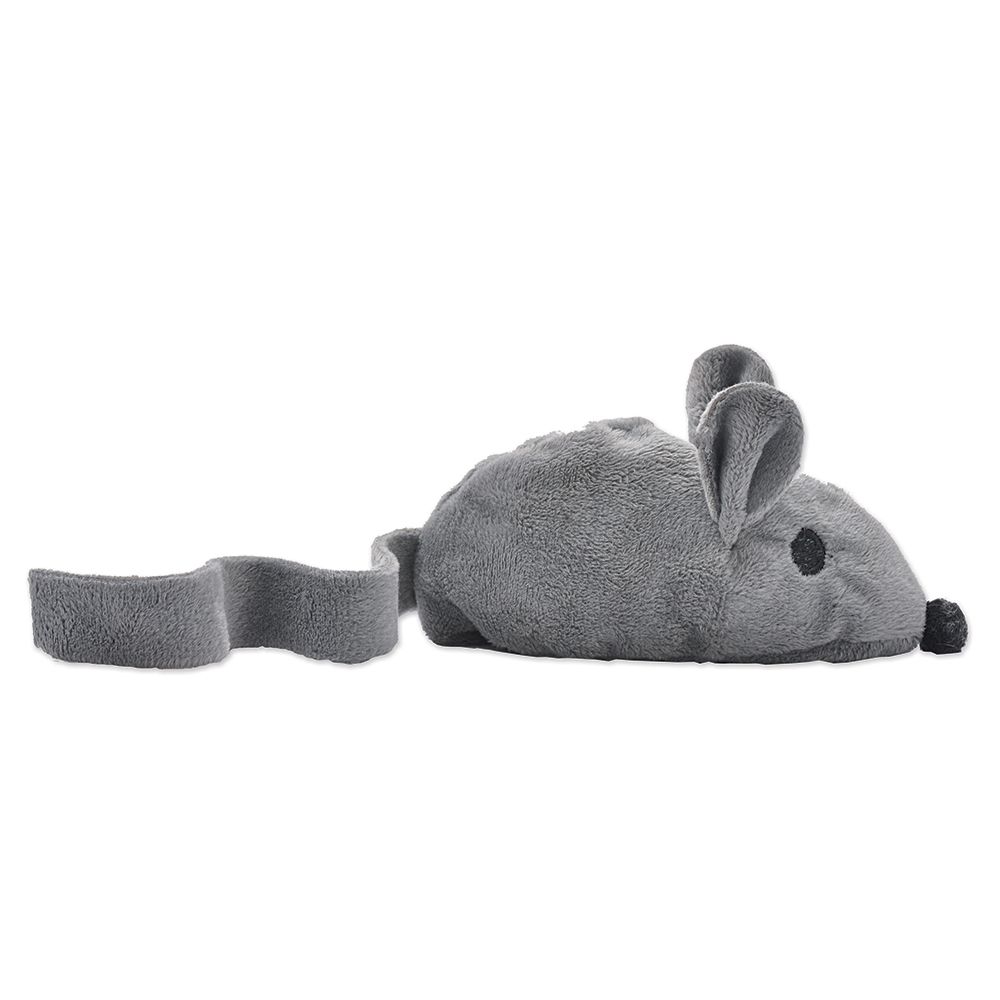
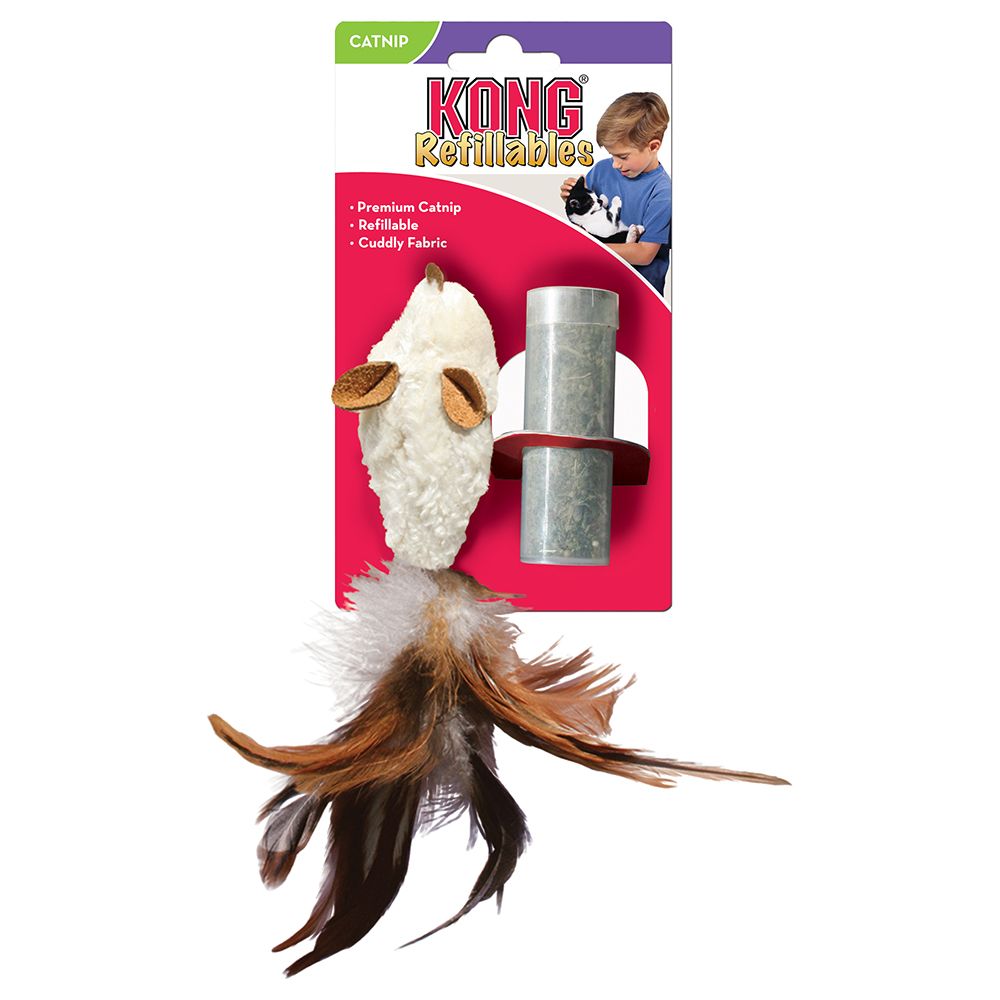
Note: products in this category may also include cat toys shaped like mice. Check the listing to make sure an item is meant for pet mice.
Common questions
Do pet mice need a companion?
Female mice are social and should be kept in pairs or small groups. Male mice often fight if housed together, so they are commonly kept alone or neutered and housed with females. A lone male needs extra enrichment and daily interaction.
Can mice live in a hamster cage?
Usually not, because the bars on hamster cages are often too far apart and mice can squeeze through. A glass or plastic tank with a mesh lid, or a cage designed for mice, is safer. Check the bar spacing carefully before buying.
How long do pet mice live?
Fancy mice usually live around one and a half to two and a half years. A good diet, a clean, well-ventilated home and avoiding obesity all help. Their short lifespan is worth considering, especially if the mice are for a child.