A good dry dog food is labelled “complete”, made for your dog’s life stage and size, and fed in the right amount for their weight. Beyond that, the best food is one your dog eats happily, digests well and stays at a healthy weight on. The label on the back tells you more than the marketing on the front.
When you change foods, do it slowly. UK Pet Food, the trade body for UK pet food makers, recommends moving to a new food gradually over 7 to 10 days, and the PDSA suggests taking around two weeks. A sudden swap is the most common reason for loose stools after a food change.
If your dog has a health condition, is on a veterinary diet or has had food reactions before, speak to your vet before changing anything.
What to check on the label
Complete or complementary
Look for the word “complete”. A complete food contains all the nutrients a dog needs when fed as directed. A complementary food, such as a mixer biscuit or most treats, needs to be fed alongside something else, or your dog can miss out on nutrients. The BVA also suggests checking the brand is a member of UK Pet Food, which most UK brands are.
Life stage and size
Foods are made for puppies, adults and seniors, often by breed size. Keep a puppy on puppy food until they are close to adult size. UK Pet Food says small breeds may finish growing at around 9 to 12 months, most dogs at about 12 months, and large and giant breeds can take up to two years. The PDSA suggests thinking about a senior diet from around 7 years for small dogs and around 5 years for larger dogs, though many dogs do well on adult food for longer.
Ingredients and name
Ingredients are listed in descending order of weight, so the first few make up most of the food. The product name also carries meaning under the industry labelling code:
- “Flavoured with chicken” means less than 4% chicken.
- “With chicken” means at least 4% chicken.
- “Rich in chicken” means at least 14% chicken.
The analytical constituents panel lists protein, fat, crude fibre and ash. These help when comparing foods, but more protein is not automatically better.
Feeding guide
Every complete food has a feeding table by body weight. Treat it as a starting point: active young dogs may need more, neutered or older dogs often need less.
Grain-free, sensitive and other labels
Most dogs do not need a grain-free food. The BVA notes that grains are safe for most dogs and gluten intolerance is rare, and that some studies have linked certain grain-free diets to illness, although more research is needed. If you suspect a reaction to an ingredient, ask your vet about testing rather than guessing.
“Hypoallergenic” and “sensitive” ranges usually use fewer or less common protein sources. They suit some dogs but are not a treatment. Prescription and veterinary diets in the special food and supplements range are designed for specific conditions and should only be used under veterinary guidance.
How much to feed
- Weigh your dog, or use the weight from their last vet visit.
- Find that weight in the feeding table on the bag.
- Weigh the daily amount on kitchen scales rather than using a cup, as the PDSA recommends. Cups are easy to overfill.
- Split it into meals. Adult dogs usually have two meals a day; puppies need more frequent meals while they are young.
- Take treats into account. The PDSA advises that treats make up no more than 10% of your dog’s daily food allowance, and that you reduce their meals to match.
- Recheck weight and body shape every few weeks and adjust the amount.
If you mix dry food with wet dog food, reduce the dry portion. UK Pet Food’s sample label suggests halving the dry amount for a 50:50 mix, but follow the guidance on your specific products.
Always leave fresh water out, especially with dry food. A non-slip bowl that is easy to wash daily helps.
How to switch foods step by step
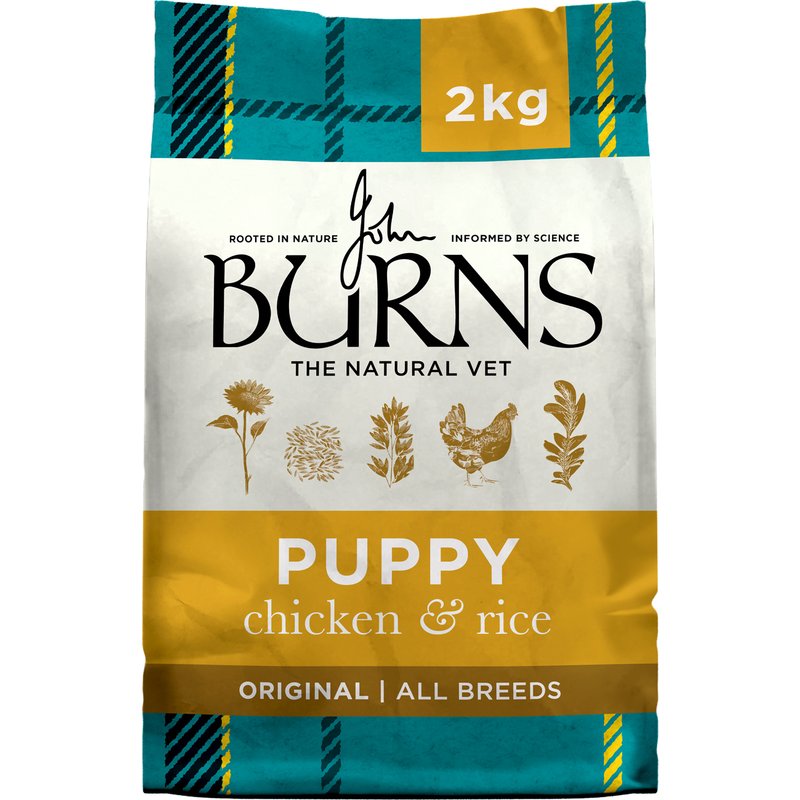
Buy a small bag of the new food first. Many brands sell 2kg to 2.5kg bags, enough to check your dog likes and digests it before you buy a large sack.
Then mix the old and new food over about ten days:
| Days | Old food | New food |
|---|---|---|
| 1 to 3 | 75% | 25% |
| 4 to 6 | 50% | 50% |
| 7 to 9 | 25% | 75% |
| 10 onwards | 0% | 100% |
Keep the total amount the same; you are swapping a share of the bowl, not adding to it. For dogs with sensitive stomachs, stretch each stage to four or five days so the change takes around two weeks.
Fussy eaters
For dogs that pick out the old kibble, the PDSA suggests a gentler start: for the first few days, offer a teaspoon of the new food in a separate bowl next to the normal meal, then begin mixing small amounts in. If your dog stops eating the mix, go back to the last stage they ate well and stay there for a few more days.
Keep everything else steady
Avoid new treats or chews during the switch, or you will not know which change caused any upset.
If your dog gets an upset stomach
The PDSA says most pets with diarrhoea after a food change recover within one to three days. If it happens, go back to the previous stage of the mix and move on more slowly.
Contact your vet if your dog:
- has diarrhoea for more than a few days, or on and off for two weeks or more
- has blood or mucus in their stools
- is vomiting repeatedly, seems lethargic or stops eating
- is a young puppy or an elderly dog
- is on medication, particularly anti-inflammatories, or has another health condition
If your dog keeps refusing a new food, your vet can check for dental pain or another underlying problem.
Common mistakes
- Changing food overnight because a bag ran out. Buy the new food before the old one runs out.
- Swapping between lots of dry dog foods for variety. Most dogs do best on one food that suits them.
- Feeding by eye instead of weighing.
- Forgetting that treats, chews and table scraps count towards the daily amount.
- Moving a large-breed puppy onto adult food too early.
If you are bringing home a new dog, our new puppy checklist covers what to ask the breeder or rescue about food, so you can start on what they already eat.
Quick checklist
- Choose a food labelled “complete” for your dog’s life stage and size
- Check the first few ingredients and the product name wording
- Weigh your dog and use the feeding table as a starting point
- Weigh each day’s food on kitchen scales
- Keep treats to no more than 10% of the daily allowance
- Buy a small bag of the new food first
- Switch over 7 to 14 days and keep the total amount the same
- Call your vet about blood in stools, ongoing diarrhoea or a dog that seems unwell
Common questions
Can I switch dog food brands without mixing?
It is best not to, as a sudden change is a common cause of tummy upsets. Mix the old and new food over 7 to 14 days. If your vet has told you to change immediately, follow their advice.
Is it bad to change my dog’s food often?
An occasional, gradual change is fine. Frequent swaps make it harder to tell what suits your dog and can unsettle sensitive stomachs, so once you find a complete food that works, there is no need to keep changing.
When should my puppy move to adult food?
Once they are close to their adult size. That can be around 9 to 12 months for small breeds, about 12 months for most dogs and up to two years for large and giant breeds. Your vet can confirm the right time at a check-up.
Do I need a grain-free food?
Most dogs do not. Grains are safe for most dogs and true gluten intolerance is rare. If you suspect a food reaction, ask your vet rather than switching to grain-free on the off chance.