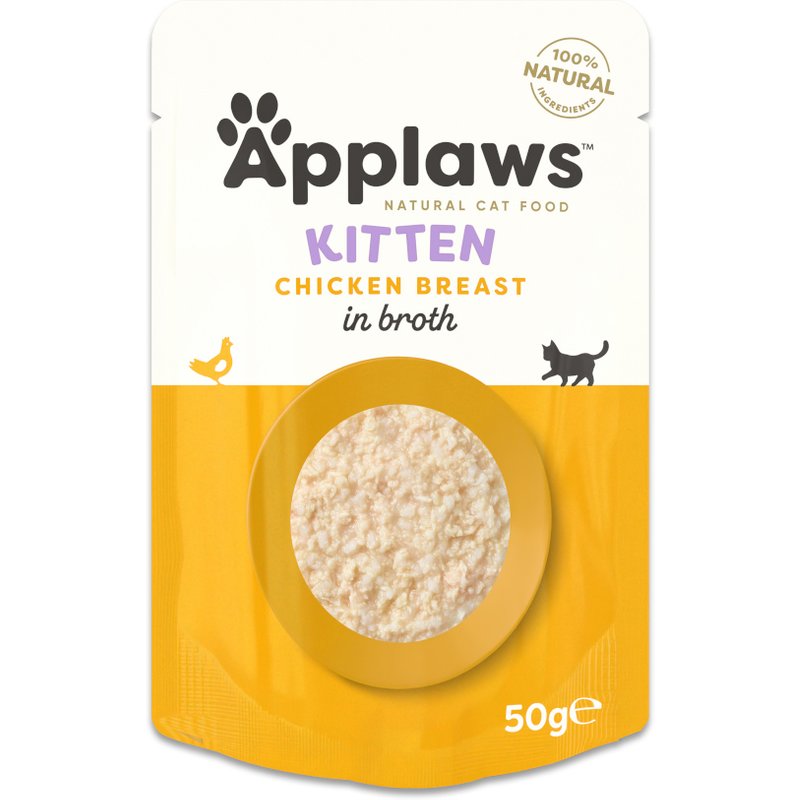
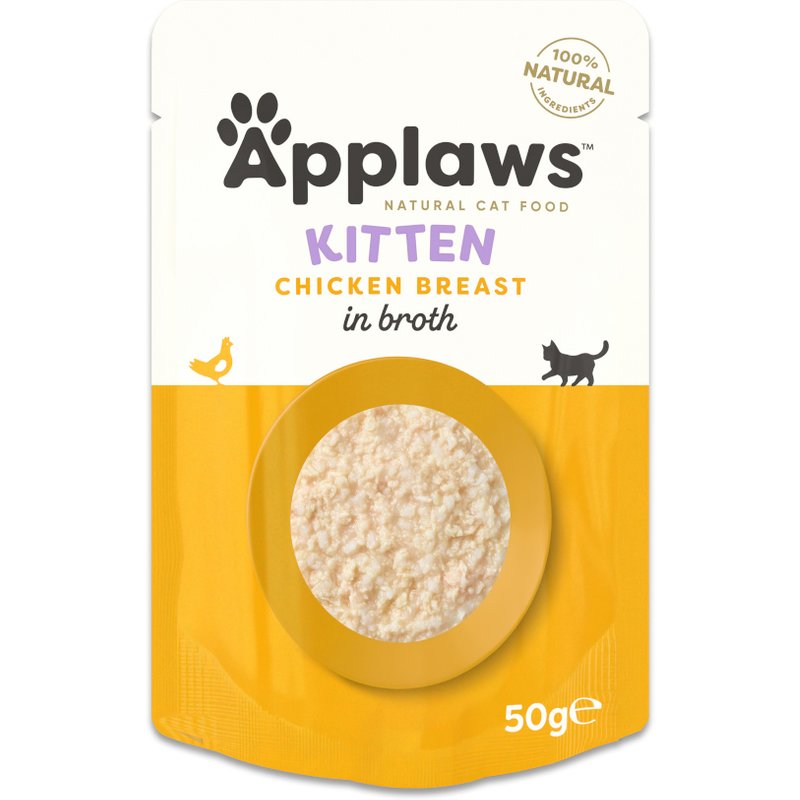
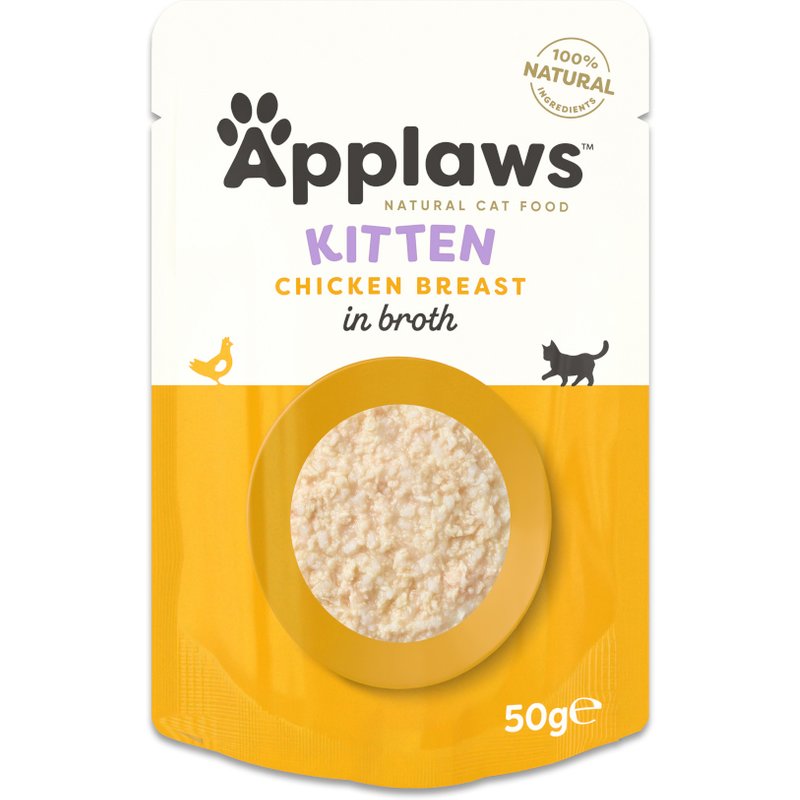
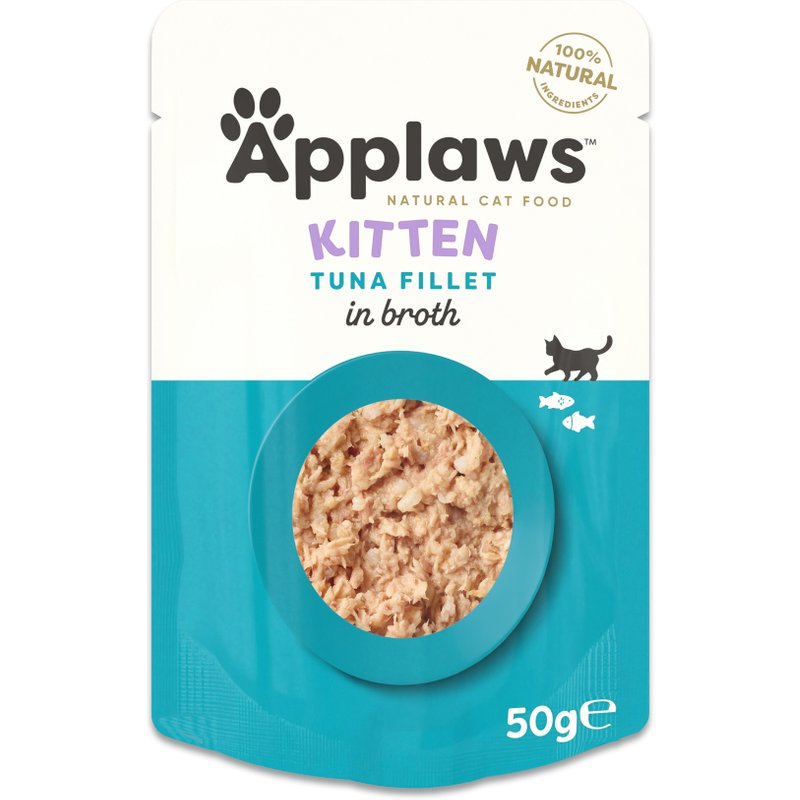
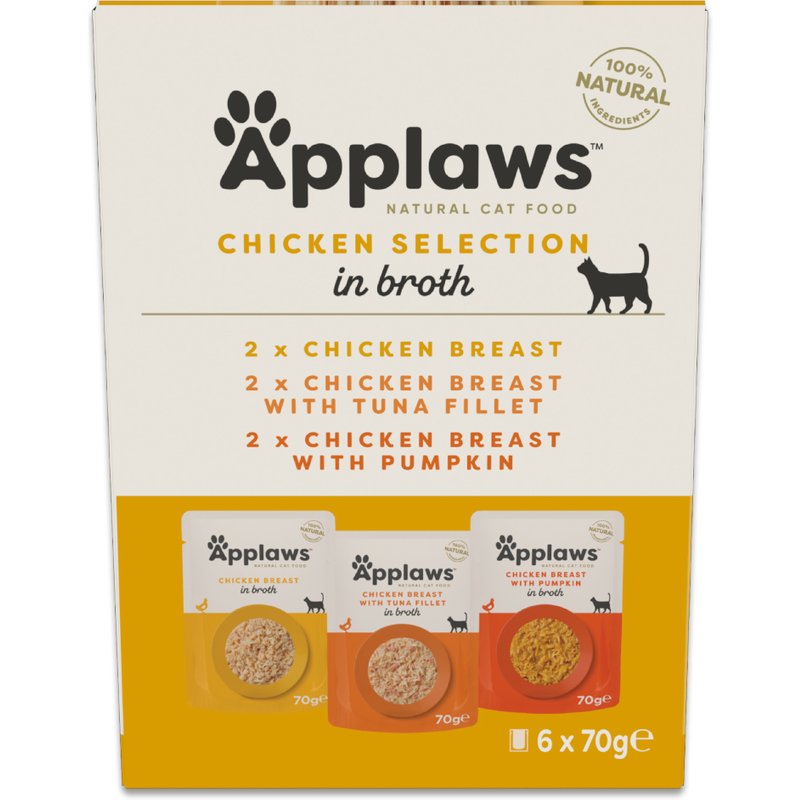
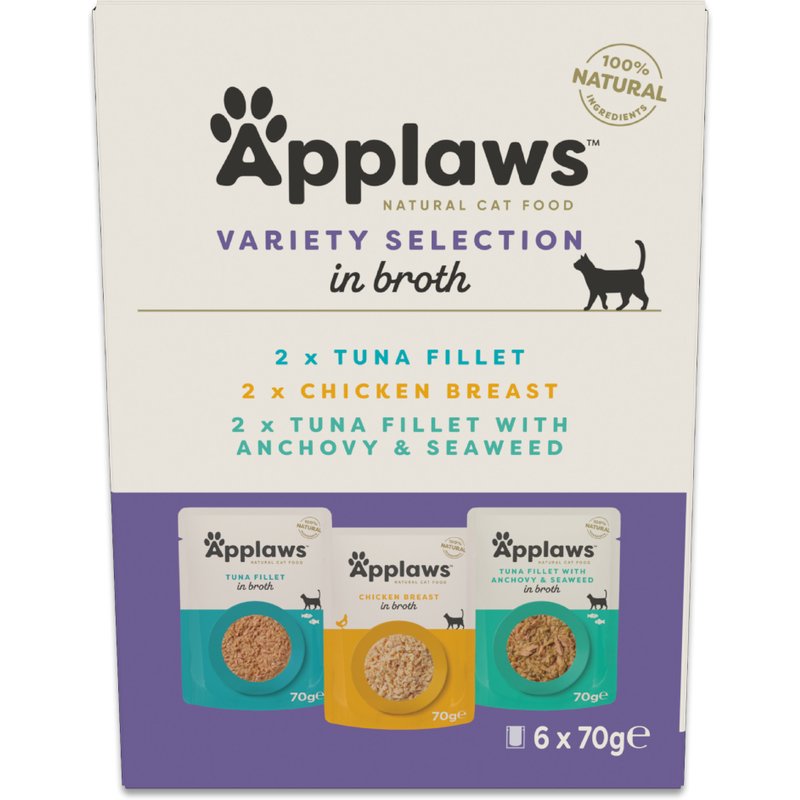
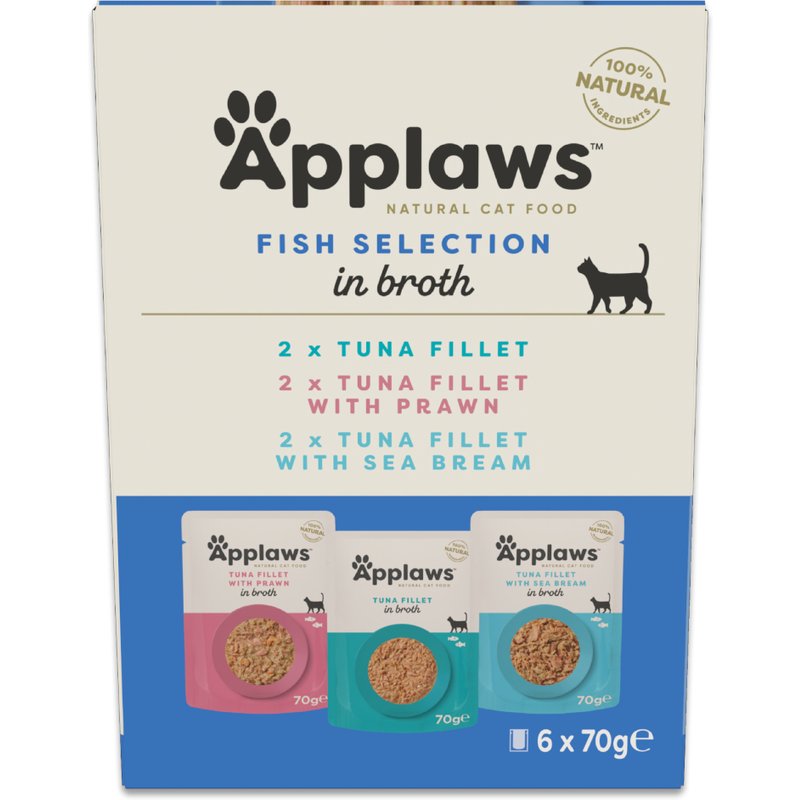
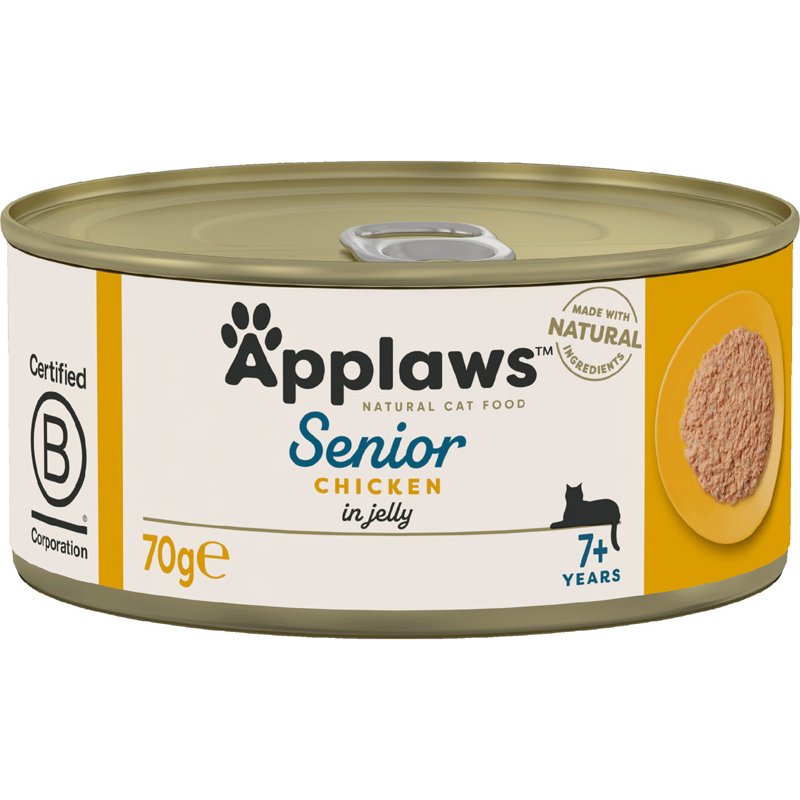
Wet food is typically around 80 per cent water, against roughly 10 per cent for dry food, which is the main reason many owners and vets like it as part of a cat’s diet. Cats tend to drink little, so moisture from food counts. Beyond that, the choice comes down to the label, the texture your cat will actually eat, and the cost per day.
Complete or complementary
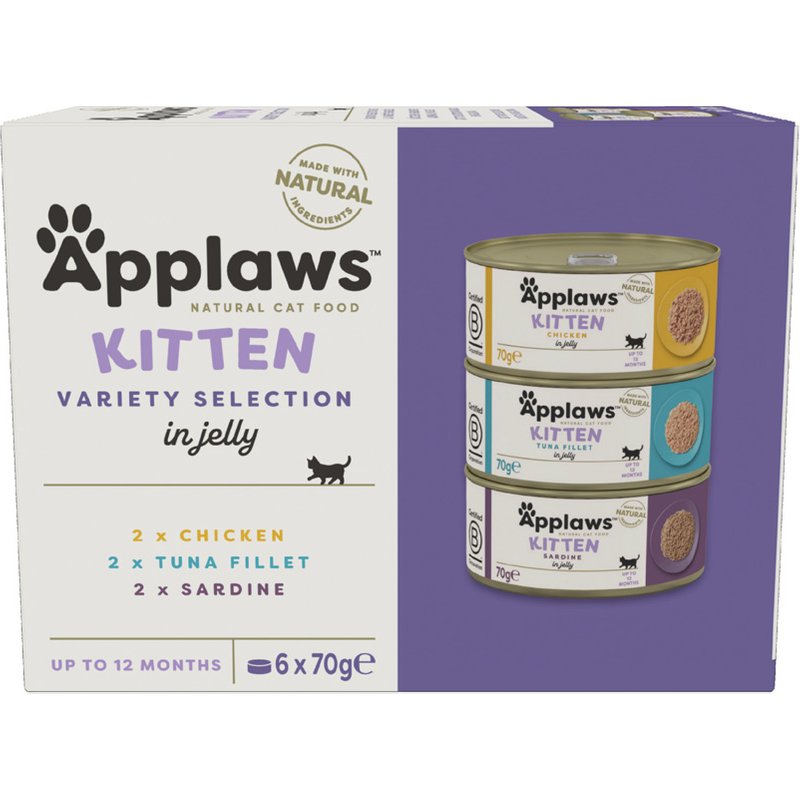
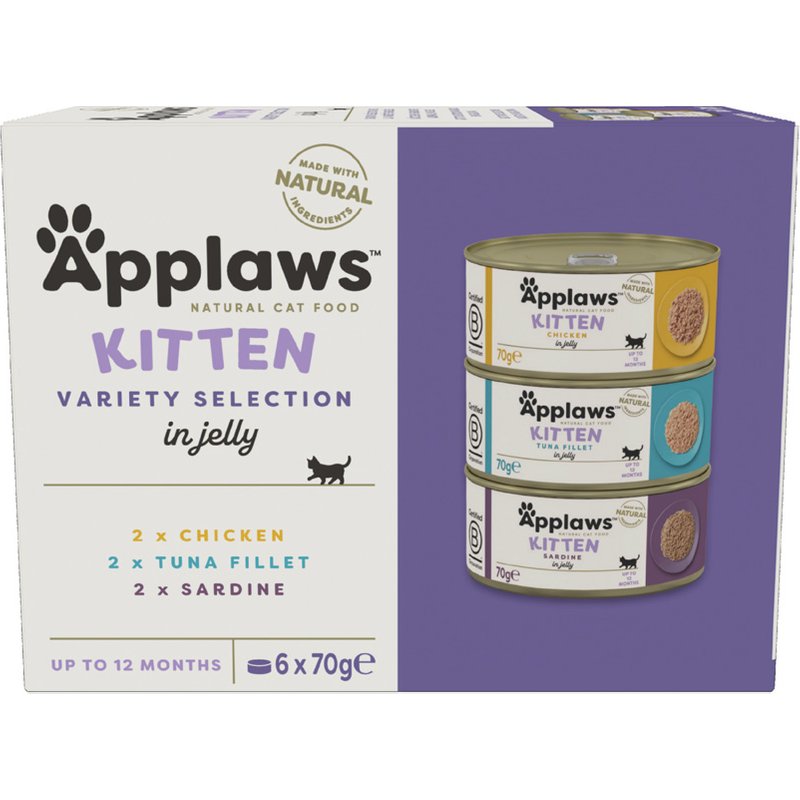
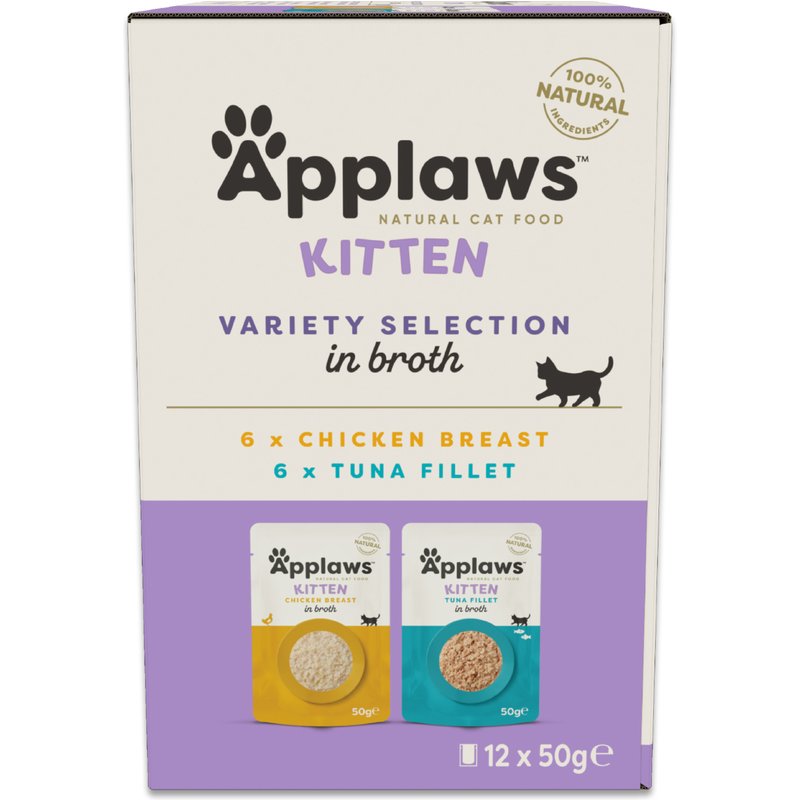
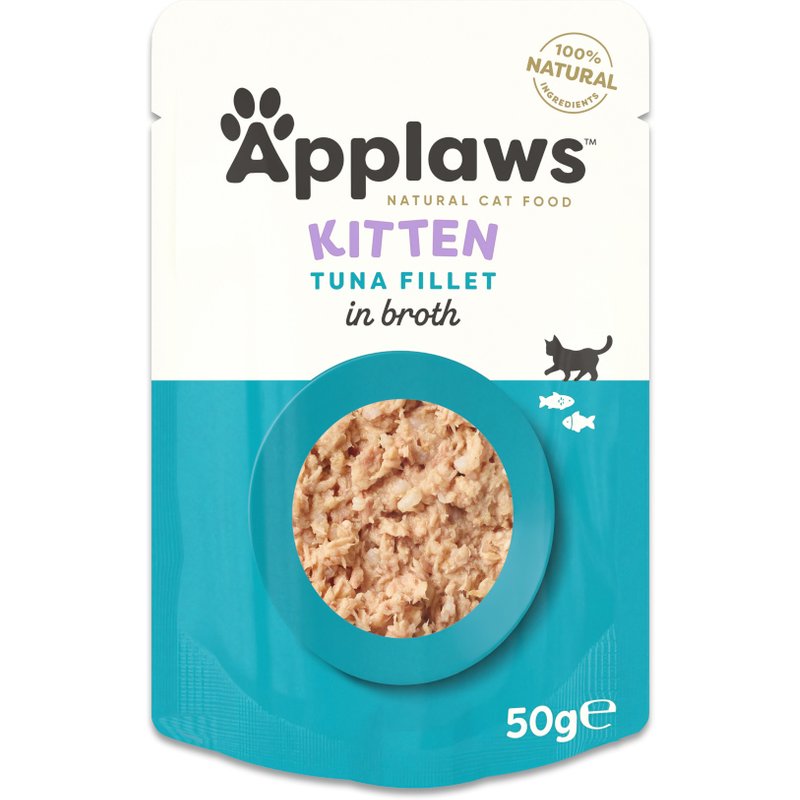
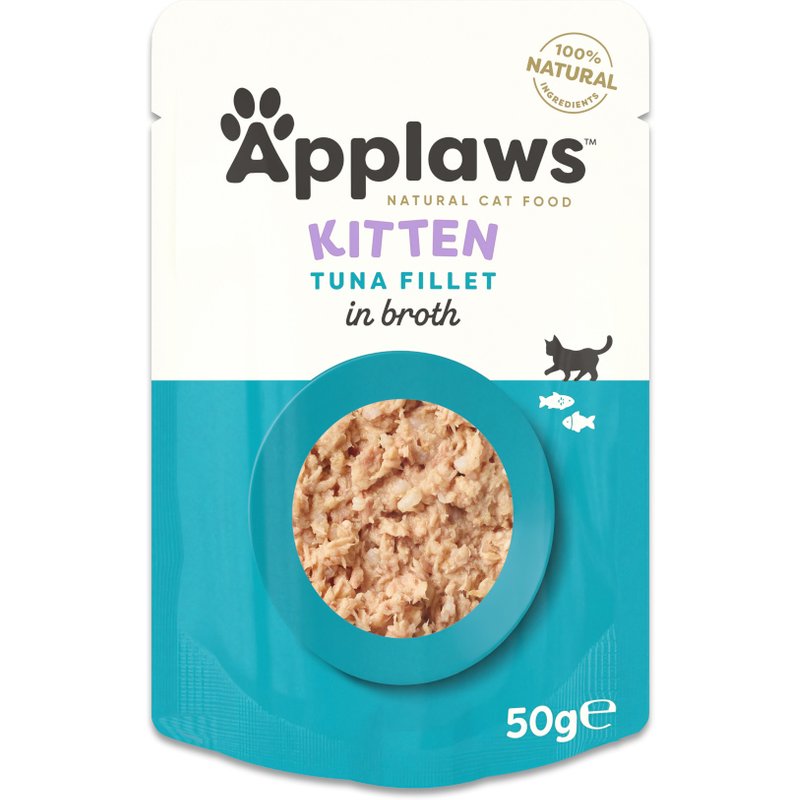
The first thing to check is one word on the pack. A ‘complete’ food contains everything a cat needs, including taurine, an amino acid cats must get from their diet, and can be fed on its own. A ‘complementary’ food cannot. Many of the premium-looking tins of tuna fillets, chicken breast in broth or fish flakes are complementary: lovely as a topper or treat, but not a full diet. Kitten, adult and senior recipes are all complete foods made for different life stages.
Reading the label
UK pet food names follow set rules, so the wording tells you more than the picture:
- ‘With chicken’ means at least 4 per cent chicken
- ‘Rich in chicken’ means at least 14 per cent
- ‘Chicken menu’ means at least 26 per cent
- ‘Chicken flavour’ means no minimum amount of chicken at all
Ingredients are listed in descending order by weight. ‘Meat and animal derivatives’ is a category name that covers meat, organs and other parts; it is legal and common, but brands that name each meat and its percentage give you more information.
The analytical constituents (protein, fat, fibre, ash, moisture) are given as fed, which makes wet food look low in protein next to kibble. To compare fairly, divide by the dry matter: 8 per cent protein in a food with 80 per cent moisture is 8 divided by 20, or 40 per cent on a dry matter basis.
Formats and textures
- Pouches (usually 85 g or 100 g): single servings, no leftovers, the most expensive per kilo
- Trays and Tetra Pak cartons: often pâté or chunks, easy to open and store
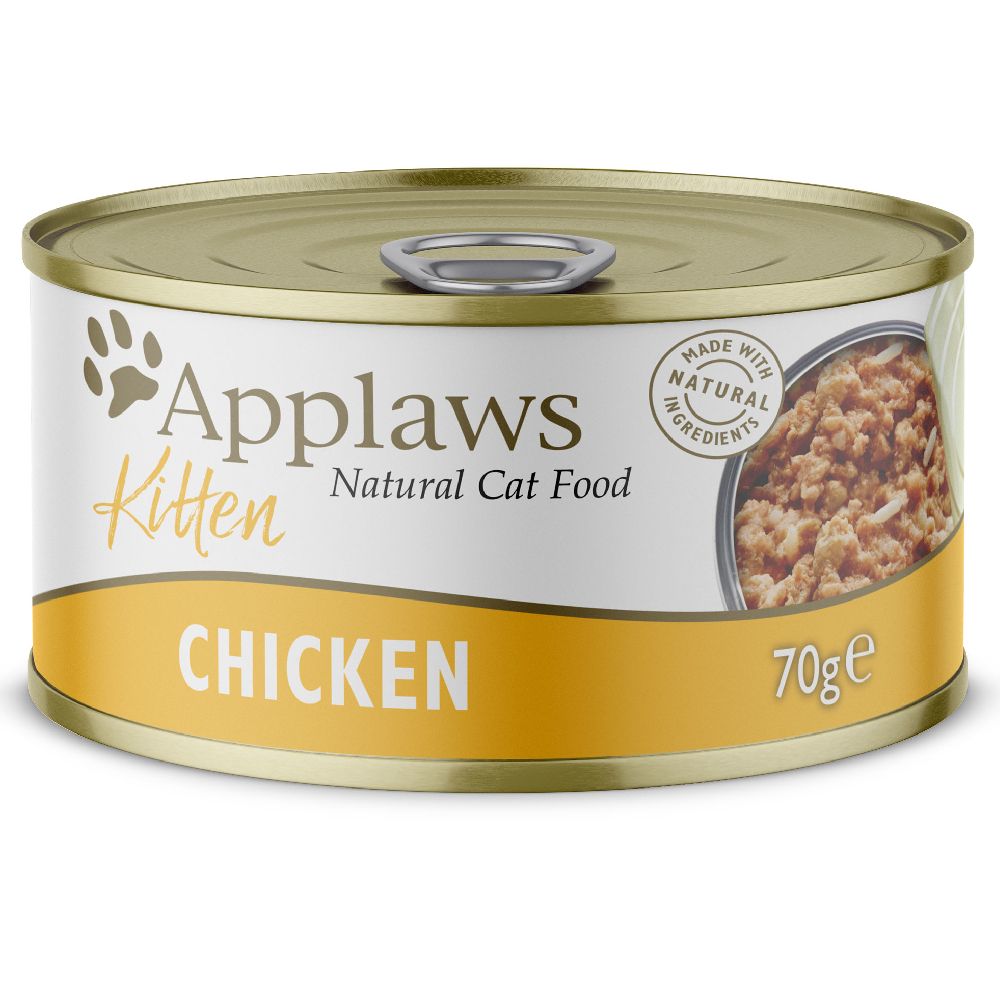
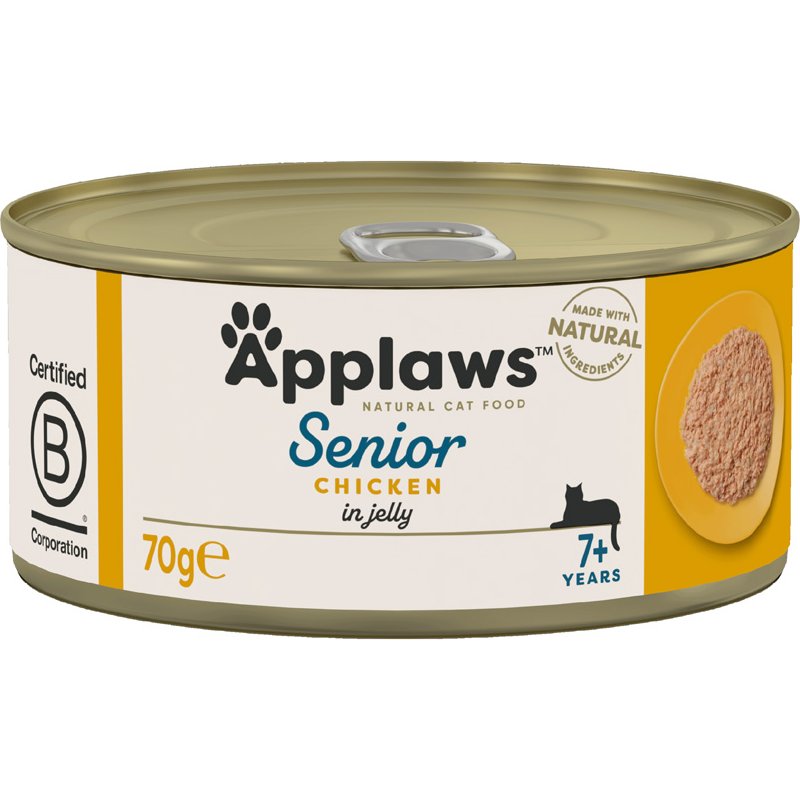
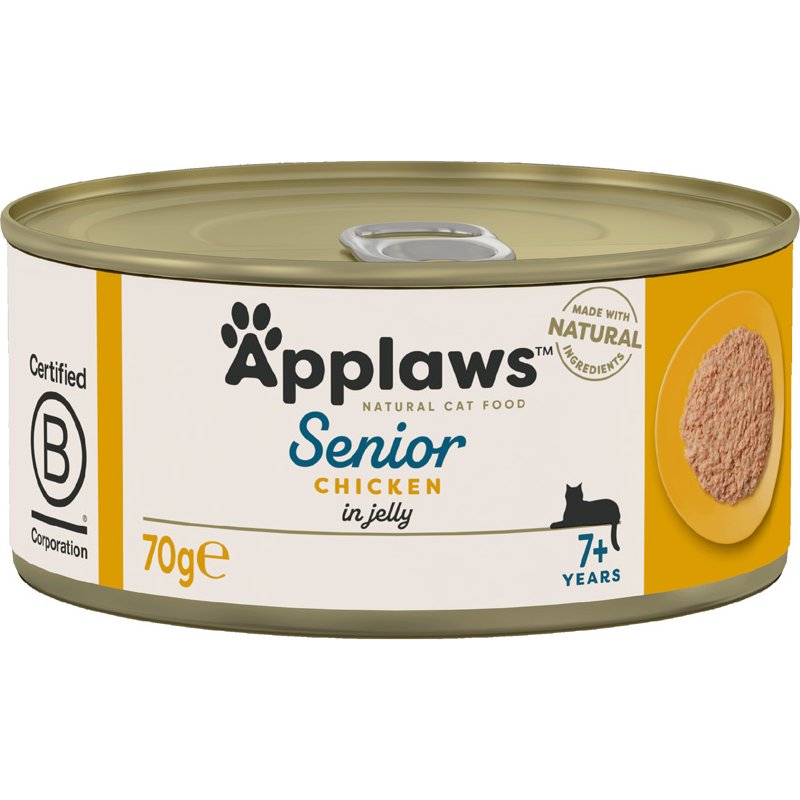
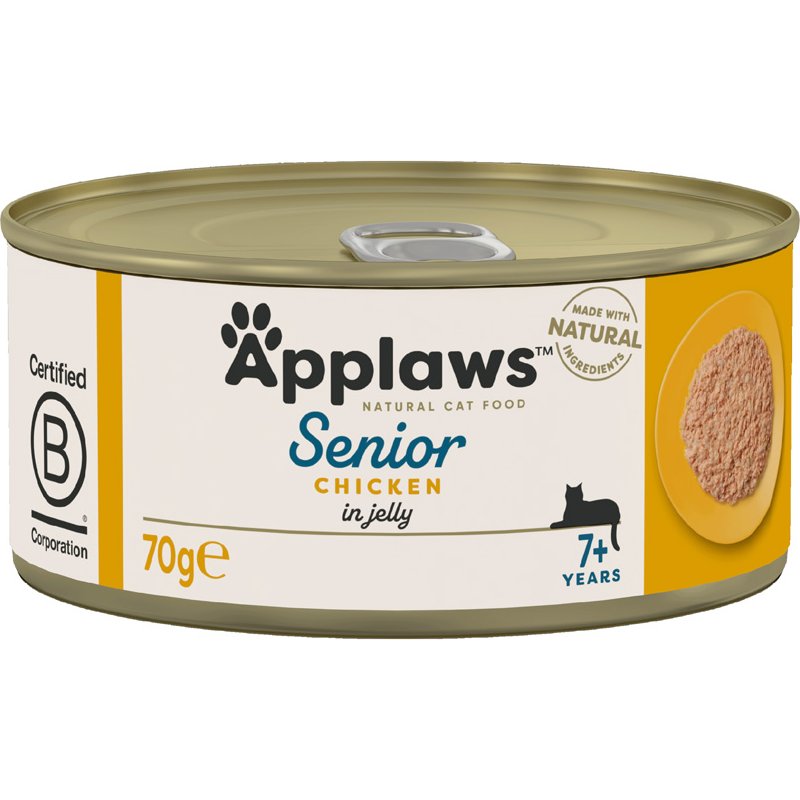
- Cans (from about 70 g up to 400 g): large tins are the cheapest per kilo if you have more than one cat
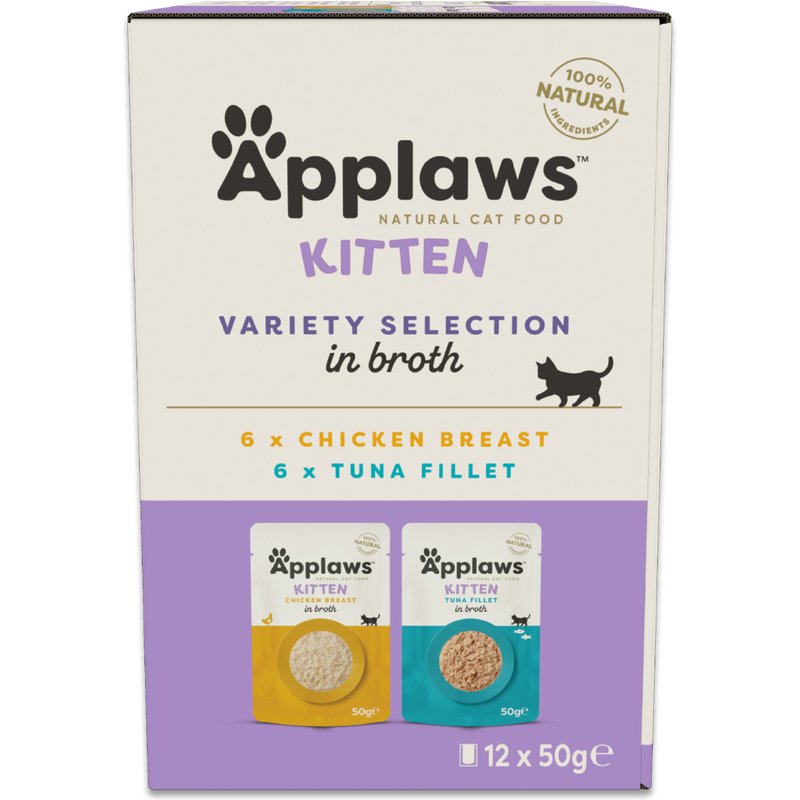
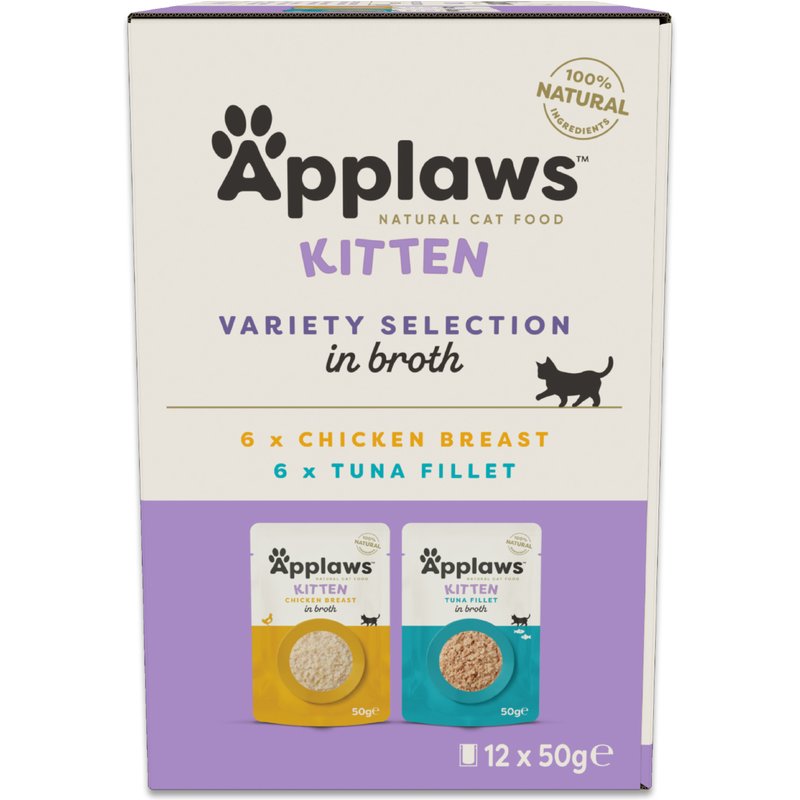
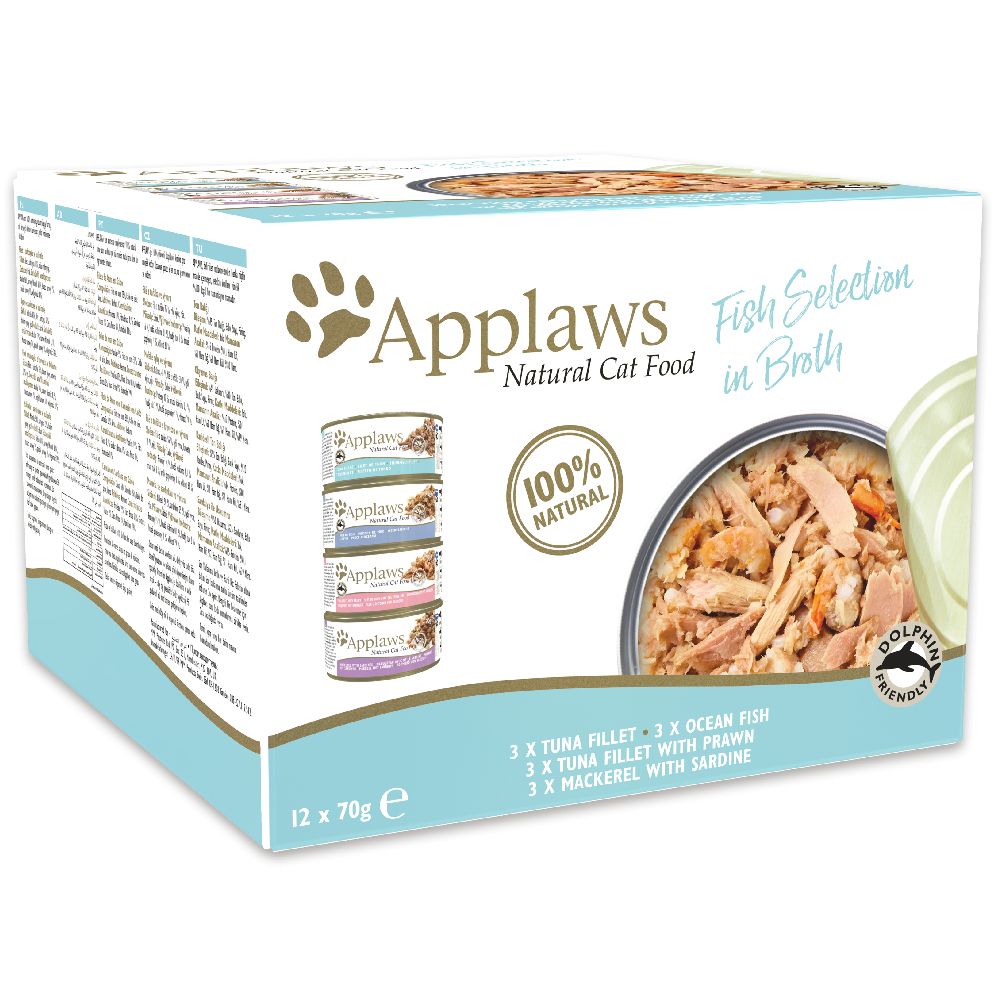
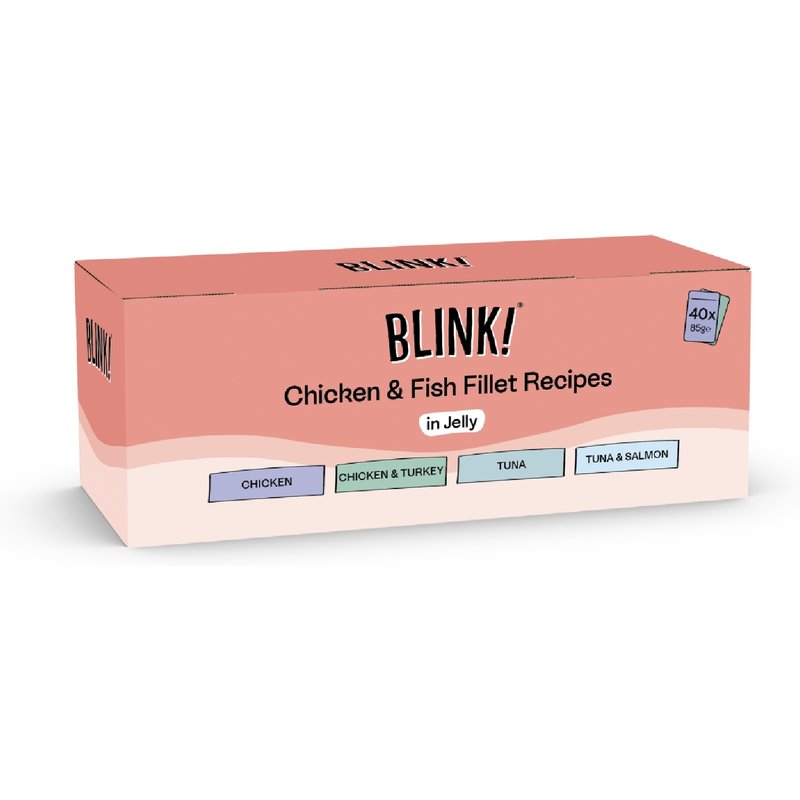
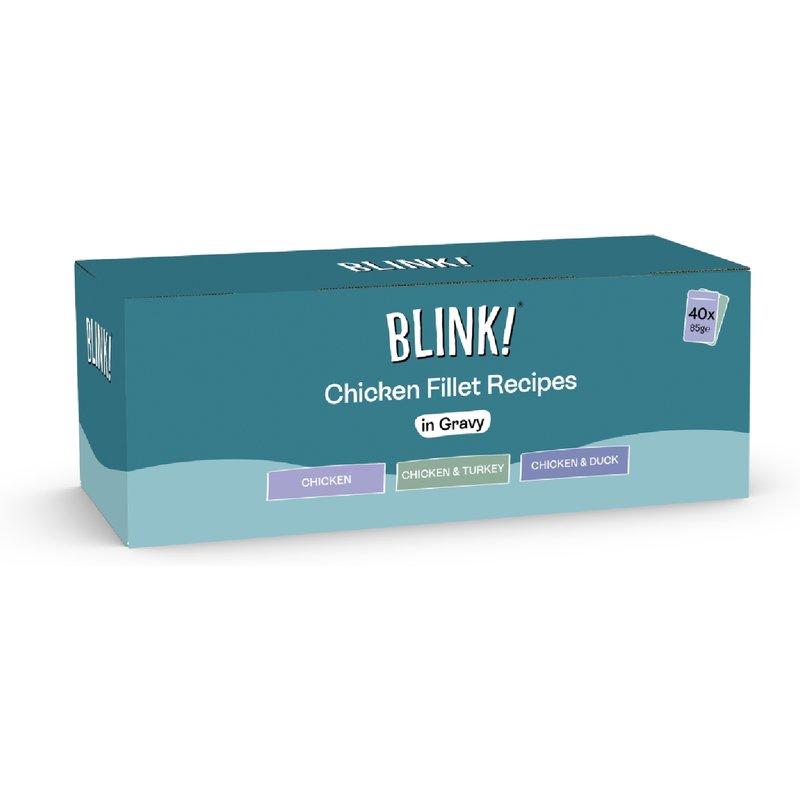
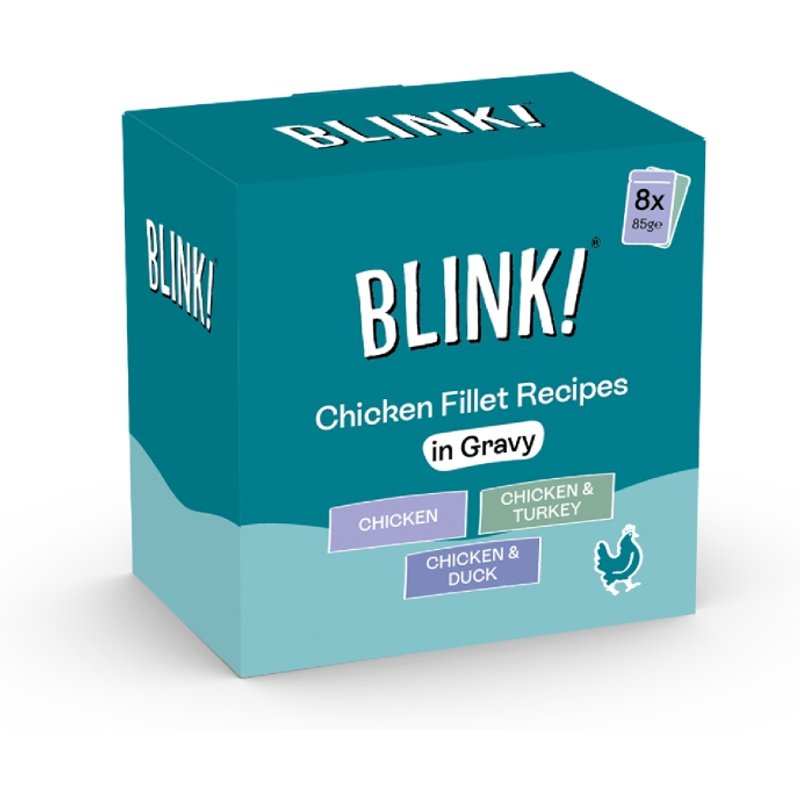
Texture matters more than many owners expect. Some cats only eat pâté, some want chunks in jelly, and plenty lick off the gravy and leave the meat. If your cat does that, try a jelly or loaf texture before changing brand. Mixed multipacks are a cheap way to find out what your cat prefers.
How much to feed
The feeding table on the pack gives a daily amount by body weight, usually with a separate figure for mixing with dry food. Treat it as a starting point and adjust to your cat’s shape: you should be able to feel the ribs under a thin layer of fat. Split the daily amount into at least two meals. If you feed wet and dry together, reduce both so the total adds up to one day’s food, not two.
Storage and serving
Cover opened cans and trays and keep them in the fridge, using them within the time stated on the pack, usually a day or two. Cats prefer food at room temperature, so take it out of the fridge a little before feeding or stir in a spoonful of warm water. Wet food left in the bowl spoils and draws flies in warm weather, so lift leftovers after an hour or two and wash the bowl before the next meal.
Wet food suits cats that drink little, older cats with fewer teeth, fussy eaters, and cats that need to lose weight, because the water adds volume without calories. It costs more per day than dry food, which is why many households feed wet in the morning and evening with a measured amount of kibble in between.
Common questions
How many pouches a day should my cat have?
It depends on the food’s energy content and your cat’s weight, so use the feeding table on the pack. Most brands give one figure for feeding only wet food and another for mixing with dry. Weigh your cat every few weeks and adjust if it is gaining or losing weight.
Is wet food better than dry food for cats?
Neither is better in every case, as long as the food is complete. Wet food supplies a lot of water, which helps cats that drink little, while dry food is cheaper and convenient. Many owners feed a mix. If your cat has a urinary or kidney problem, ask your vet which they recommend.
How long can wet cat food be left out?
Wet food is best lifted after an hour or two, and sooner on warm days when it dries out and attracts flies. Opened cans and trays should go in the fridge, covered, and be used within the time stated on the pack.
Why does my cat only lick the gravy?
Many cats like the flavour and texture of gravy or jelly more than the chunks. Try a pâté or loaf texture, where there is nothing to separate, or a different chunk size. Make sure the leftovers are not the reason your cat is underfed overall.