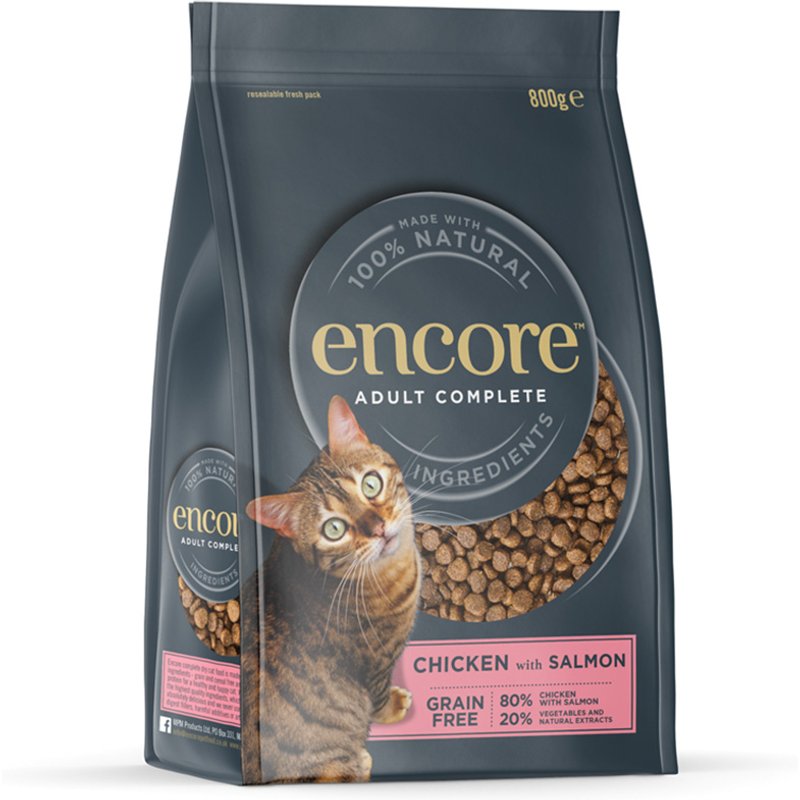
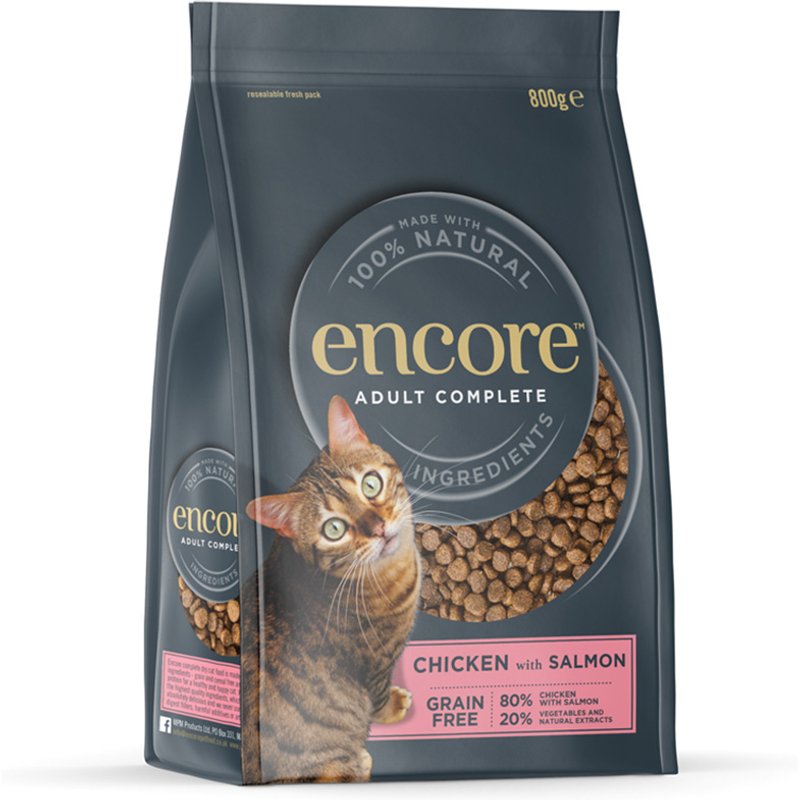
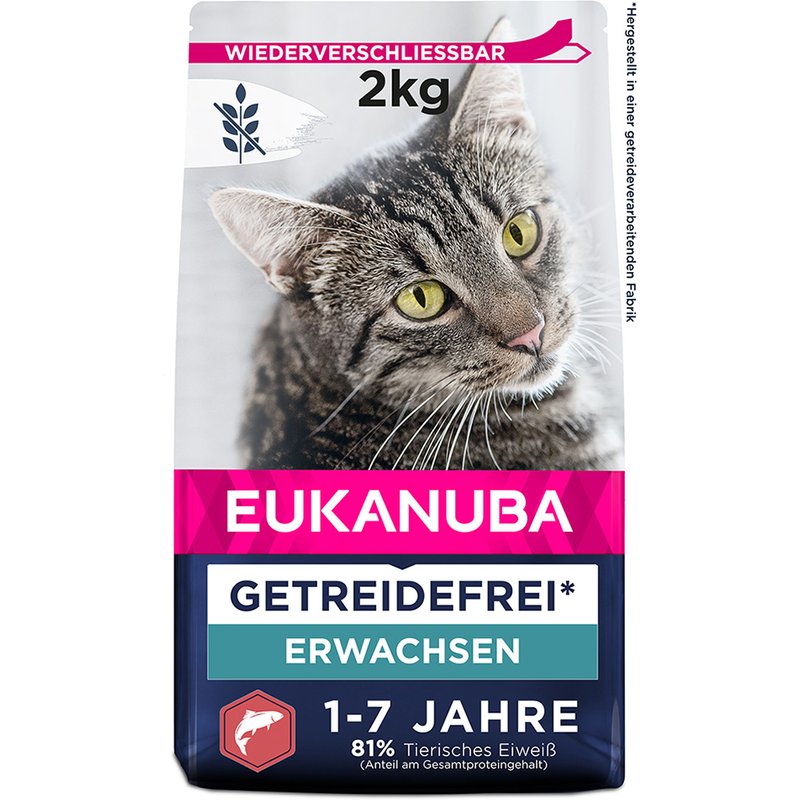
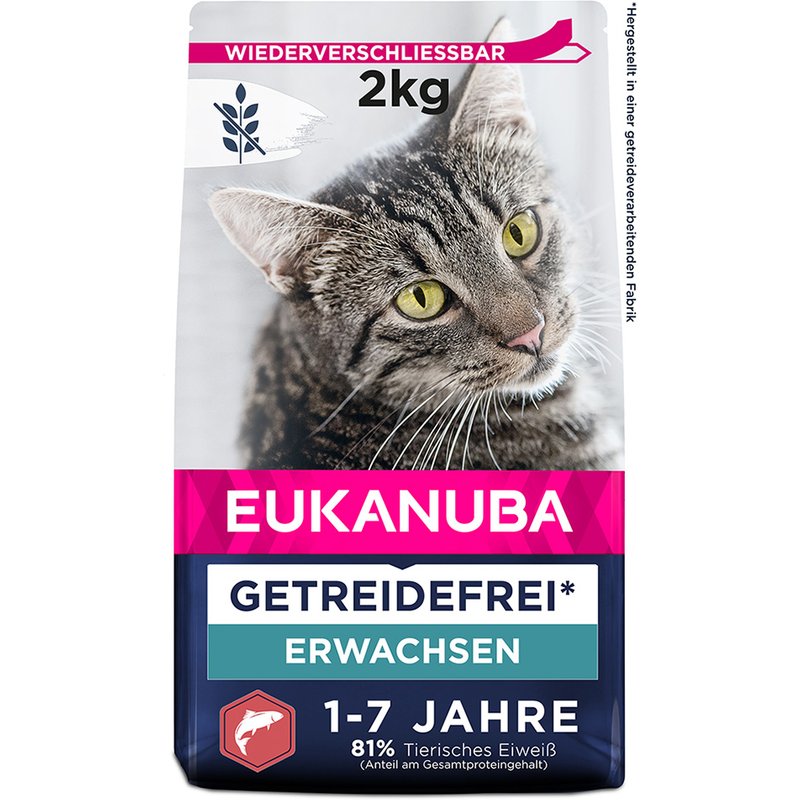
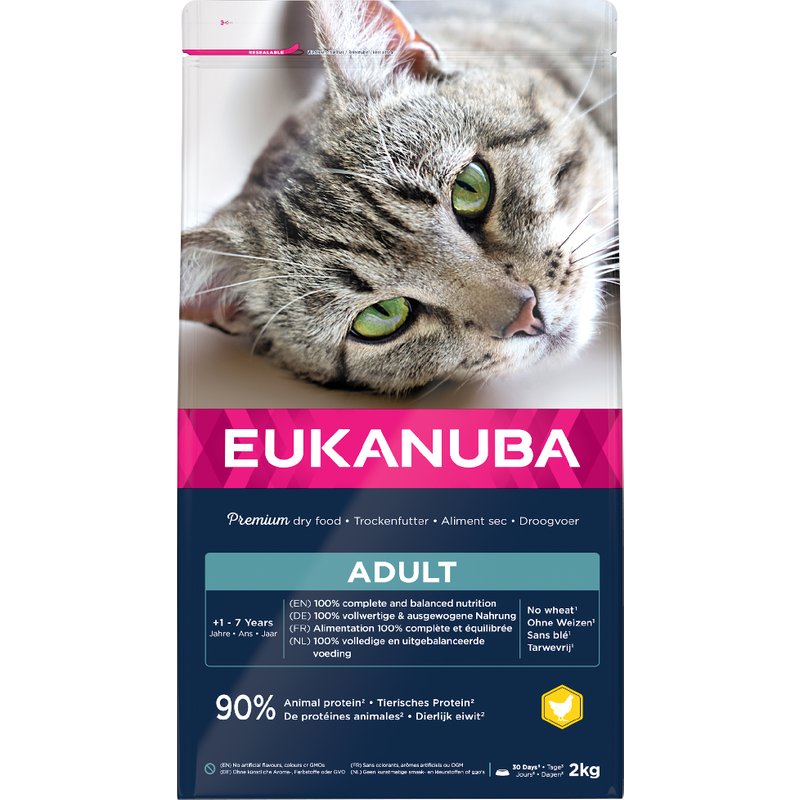
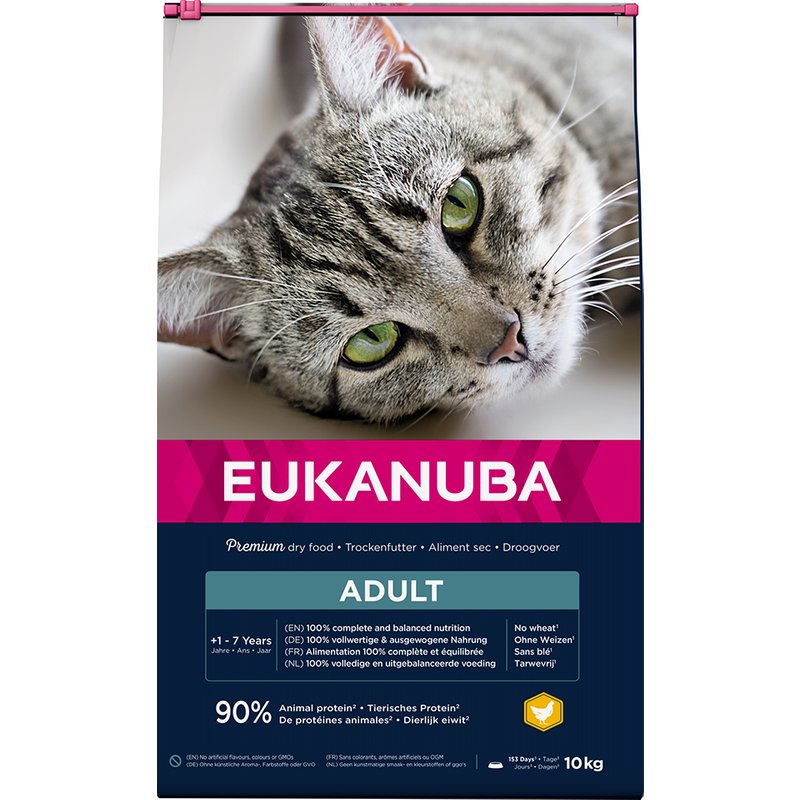
Dry food is the most economical way to feed a cat, keeps well once opened and can be left in the bowl. It is also very energy-dense, so the biggest risk with kibble is not the brand you pick but how much ends up in the bowl.
Choosing the right recipe
All main-meal dry foods should say ‘complete’ on the pack. Within that, recipes are built around life stage and lifestyle:
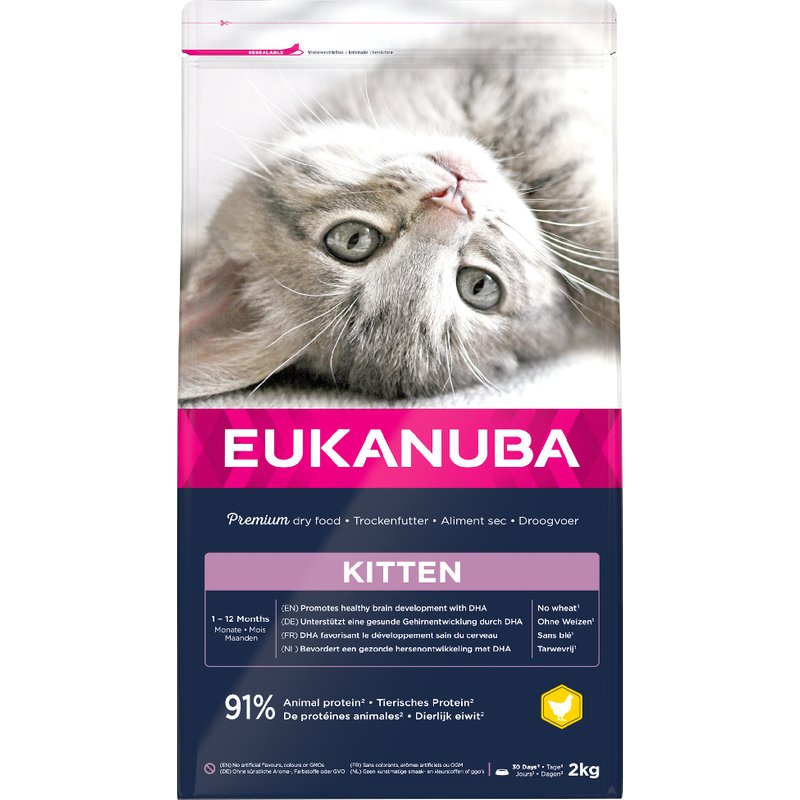
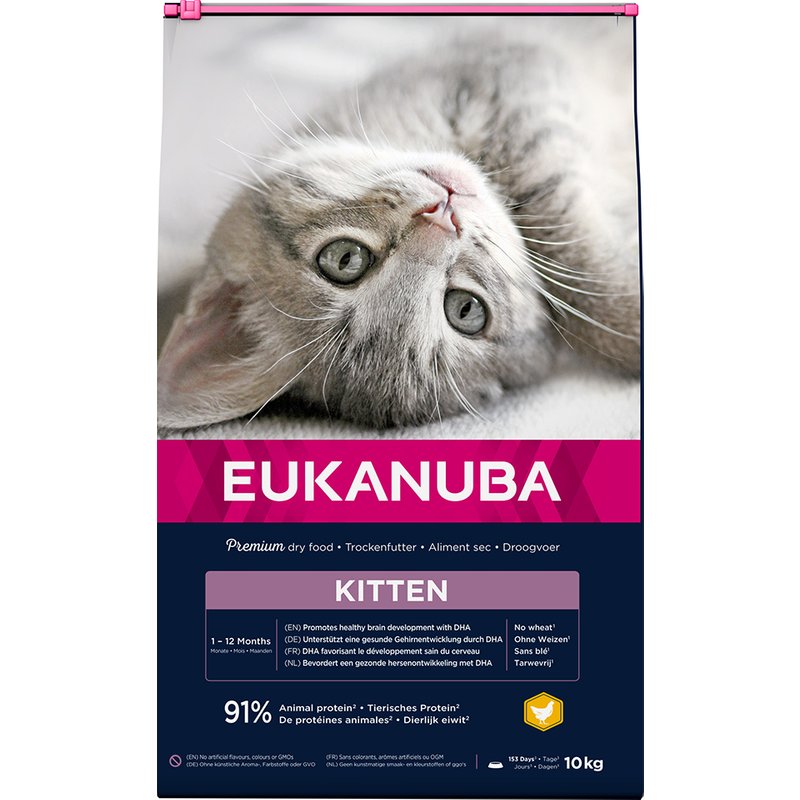
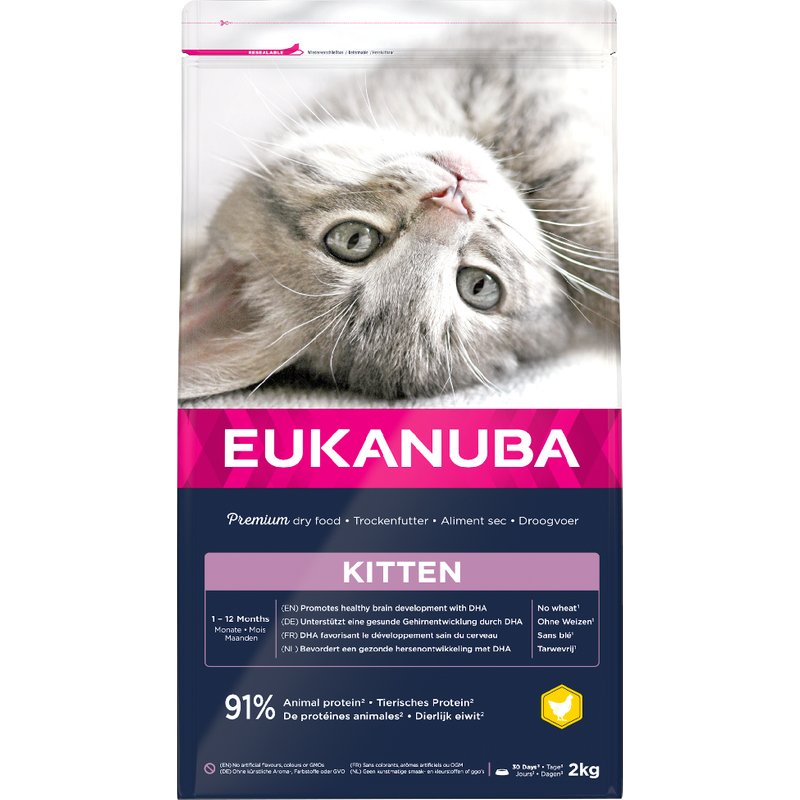
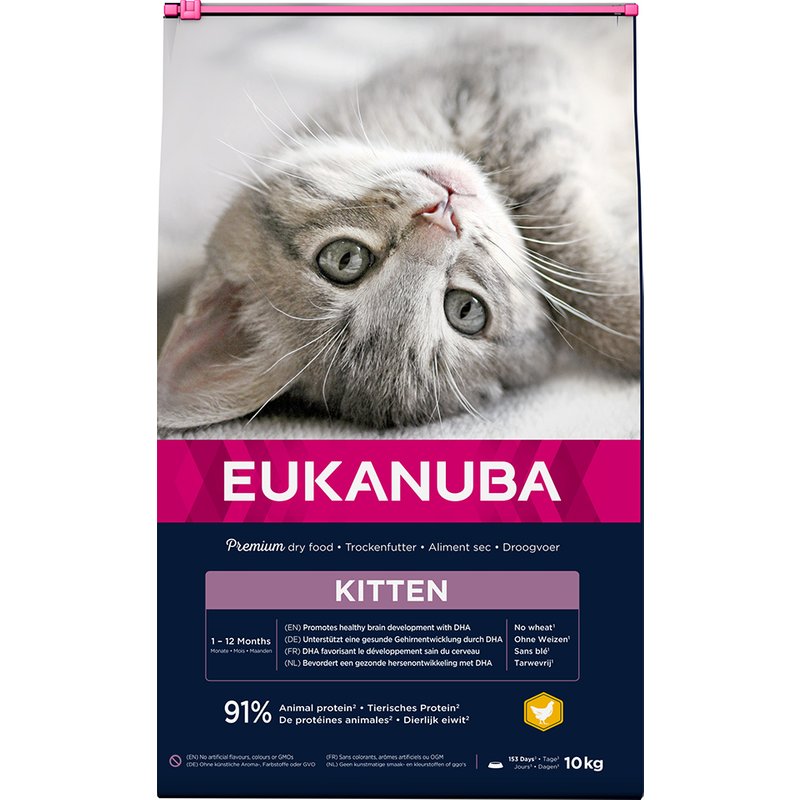
- Kitten: more energy and nutrients for growth, fed until about 12 months, longer for large breeds such as Maine Coons
- Adult: for healthy cats from about one year
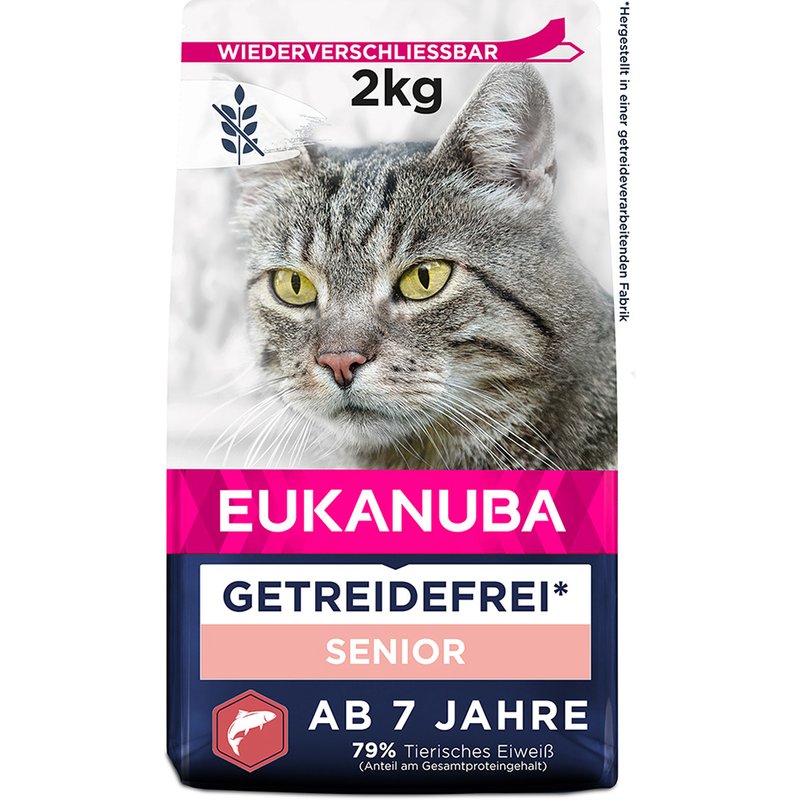
- Senior or 7+: aimed at older cats, often with adjusted energy and smaller or softer kibble
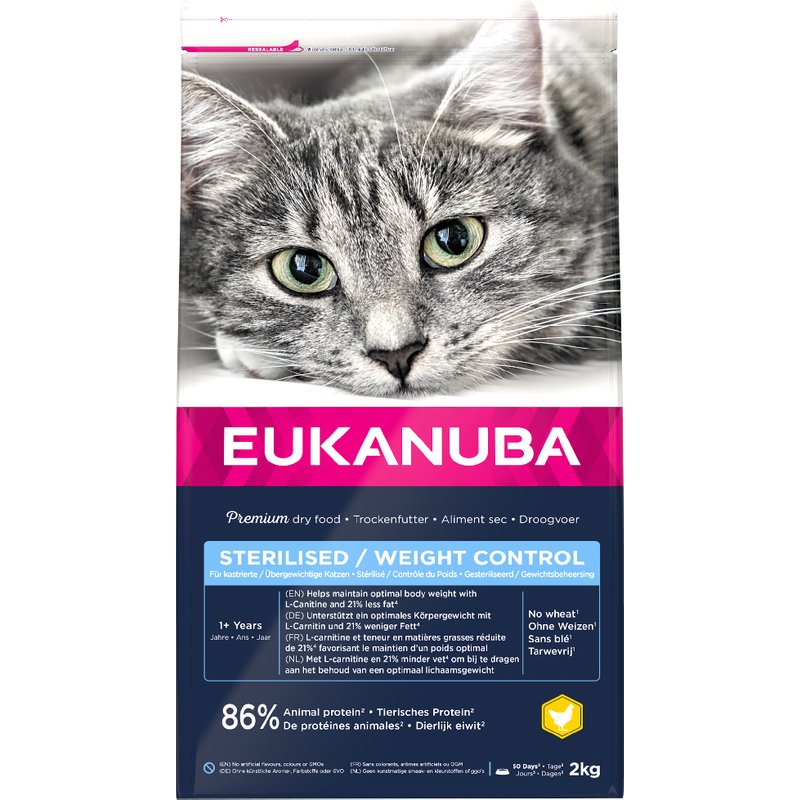
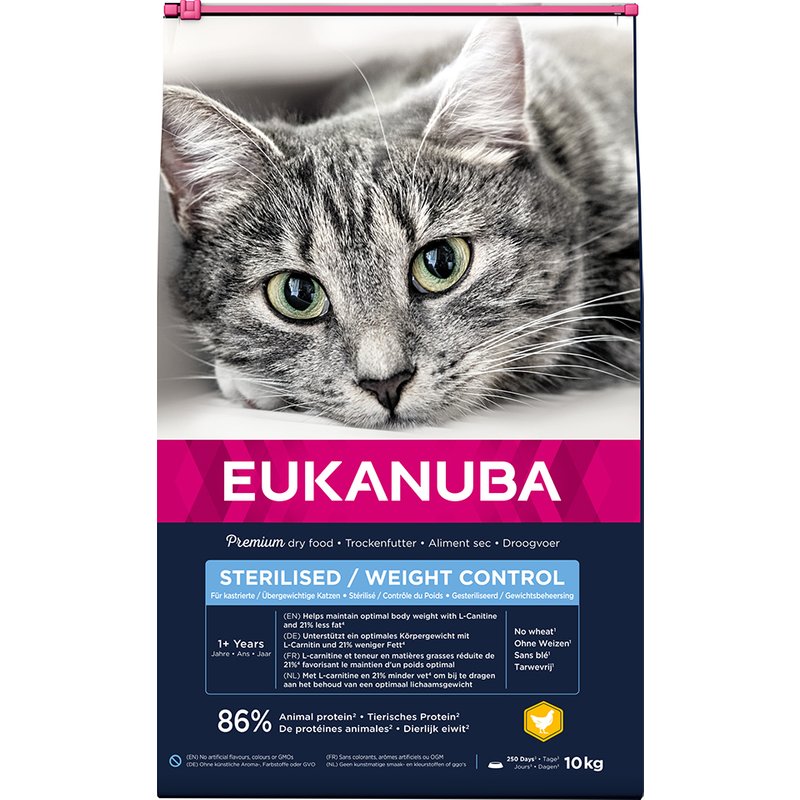
- Sterilised or neutered: lower in energy, because neutered cats need fewer calories and gain weight easily
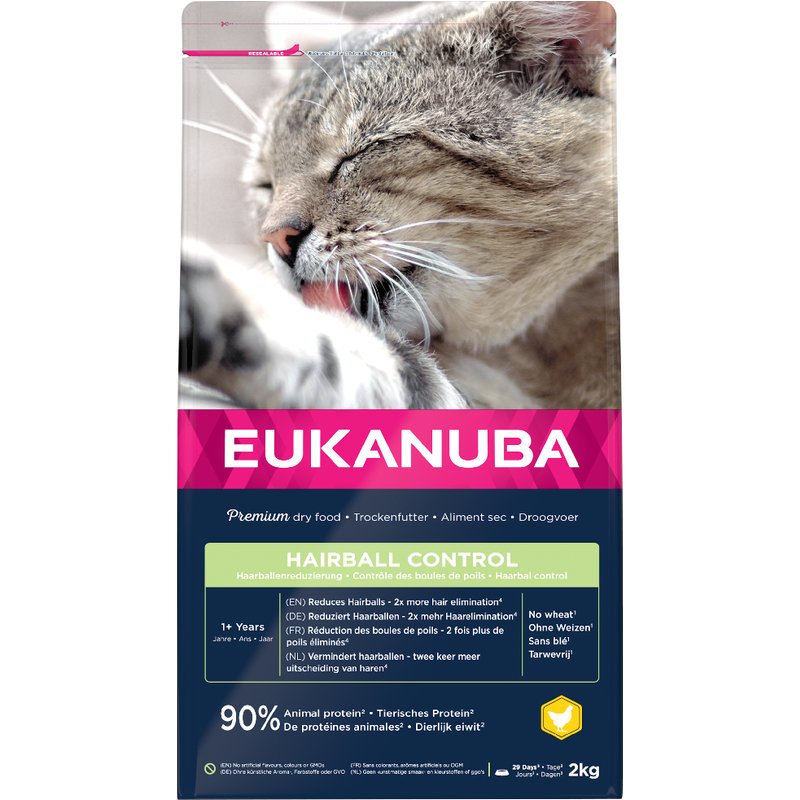
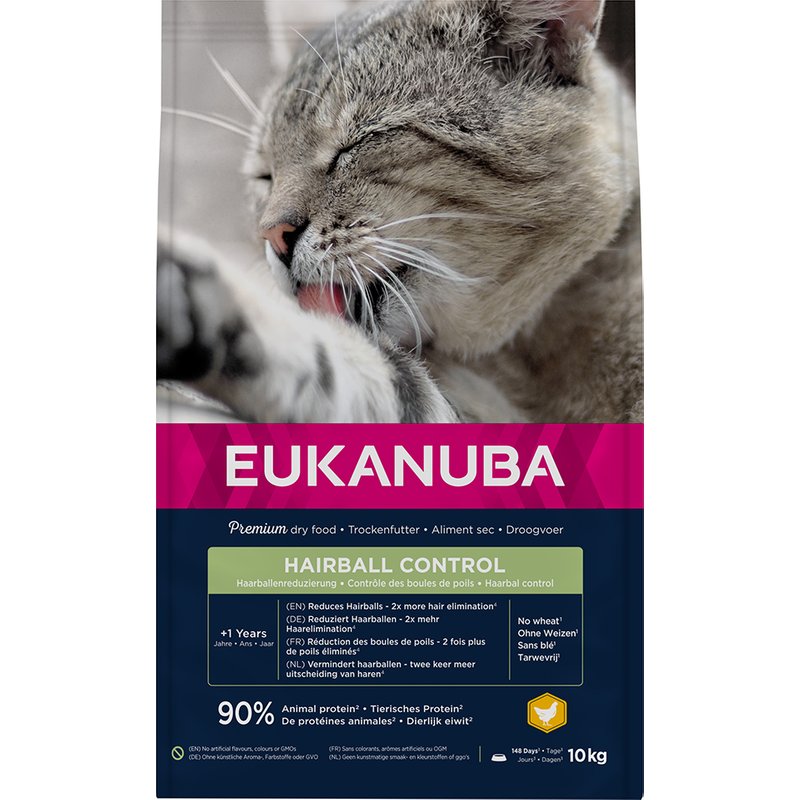
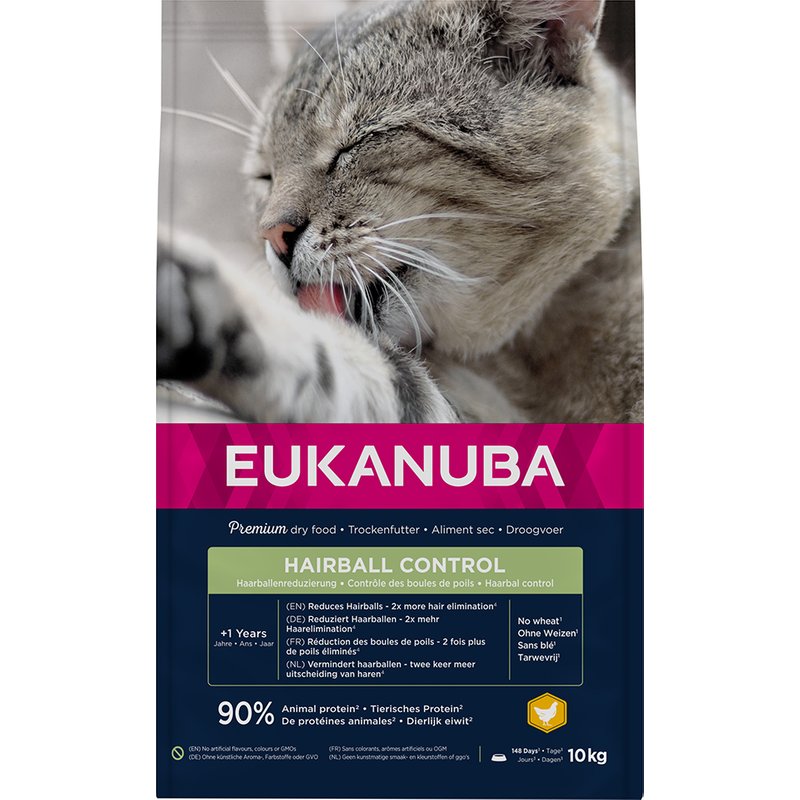
- Indoor and hairball: usually more fibre and moderate energy for less active cats
- Sensitive: often a single animal protein or easily digested ingredients
Breed formulas (Maine Coon, Persian, British Shorthair) mainly differ in kibble size and shape. They can help a flat-faced cat pick up food, but a healthy cat does not need a breed food.
Reading the label
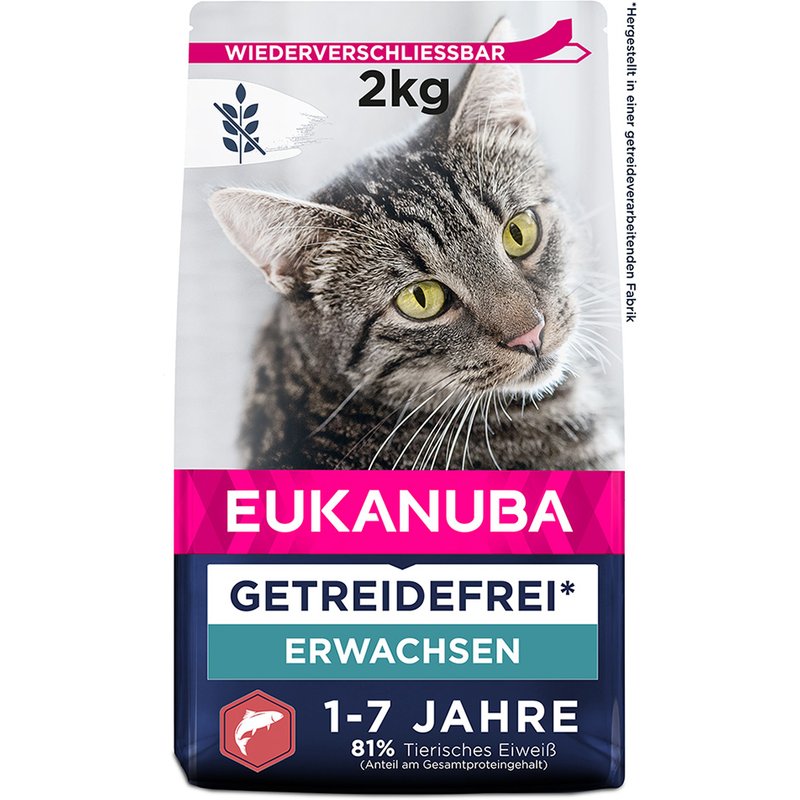
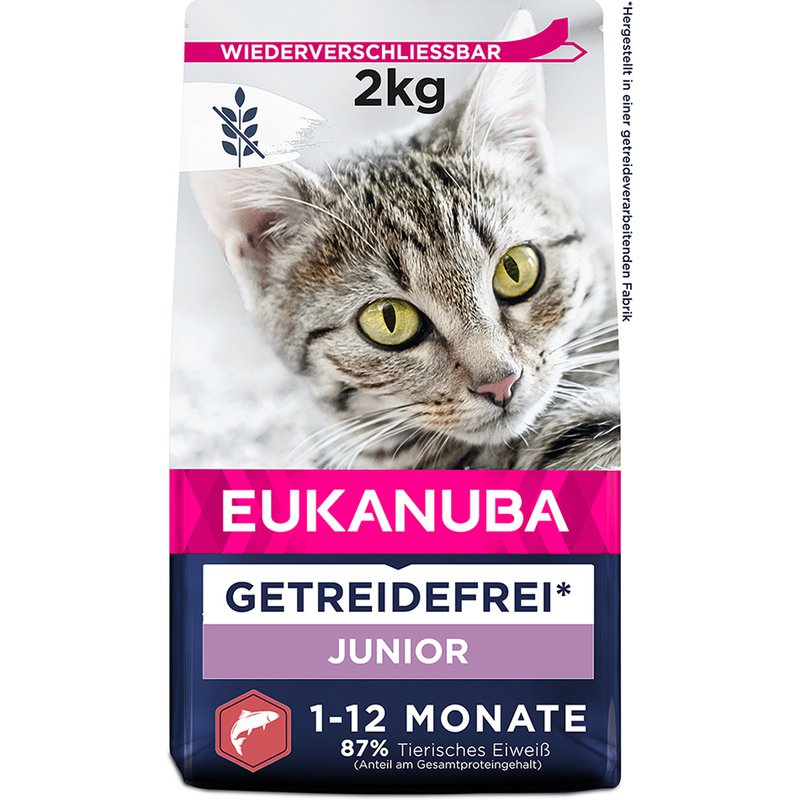
Ingredients are listed by weight before cooking. ‘Fresh chicken’ at the top of the list sounds impressive, but fresh meat is mostly water that cooks off, so a dried meat or meat meal further down may supply more protein. The analytical constituents show protein and fat, which you can compare directly between dry foods because their moisture levels are similar.‘Grain-free’ only means the starch comes from potato, peas or similar instead of cereals, not that the food is low in carbohydrate. There is no general reason to avoid grains unless your vet has diagnosed an intolerance.
Portions and feeding
Weigh the daily amount on kitchen scales. A heaped scoop can hold far more than the guideline, and a few extra grams of kibble a day adds up over a year. The feeding table is a starting point: if you can no longer feel the ribs easily, cut back by about a tenth and check again in a few weeks.
Some cats graze happily on a bowl that is filled once a day, others eat everything at once and gain weight. For the second type, split the ration into measured meals, use a puzzle feeder, or use part of the day’s kibble as treats. Dry-fed cats need water within easy reach at all times; a second water bowl or a fountain helps.
Bag sizes and storage
Bags run from trial sizes of around 400 g to 10 kg and more, and economy packs of two large bags are usually the cheapest per kilo. That only pays off if the food is used while fresh: once opened, the fats slowly oxidise and the smell fades, and fussy cats notice. Keep kibble in its original bag, rolled down tightly, inside an airtight container in a cool, dry place. Keeping the bag also keeps the batch number and best-before date. Do not pour new food on top of old crumbs in a container; wash and dry it between bags.
Common mistakes
- Feeding the ‘up to’ amount for an indoor, neutered cat that needs the lower figure
- Free feeding a cat that is already overweight
- Switching food overnight instead of over 7 to 10 days
- Topping up a half-full bowl, so nobody knows what the cat has eaten
Dry food suits busy households, cats that like to graze, and owners who use automatic feeders. Many cats do best on a mix: wet meals morning and evening, with a measured amount of kibble in between.
Common questions
How long does dry cat food last once opened?
It stays safe until the best-before date if stored well, but the fats slowly oxidise and the smell fades once the bag is open, so fussy cats may lose interest. Buy a bag size you will finish within a few weeks, keep it rolled tight in an airtight container, and check the pack for the maker’s advice.
Is grain-free dry food better for cats?
Not necessarily. Grain-free foods replace cereals with other starches such as potato or peas, so they are not automatically lower in carbohydrate. They can help the small number of cats with a diagnosed grain intolerance; for other cats, the overall recipe and the right portion size matter more.
Can I leave dry food out all day?
Yes, if your cat eats small amounts throughout the day and keeps a healthy weight. If your cat eats everything at once or is gaining weight, weigh the daily ration and split it into meals or use a puzzle feeder instead.
What does ‘sterilised’ mean on cat food?
It is a recipe for neutered cats, which need fewer calories and tend to put on weight. These foods are usually lower in fat and energy, sometimes with more fibre. You still need to feed the right amount, as a sterilised food overfed will still cause weight gain.