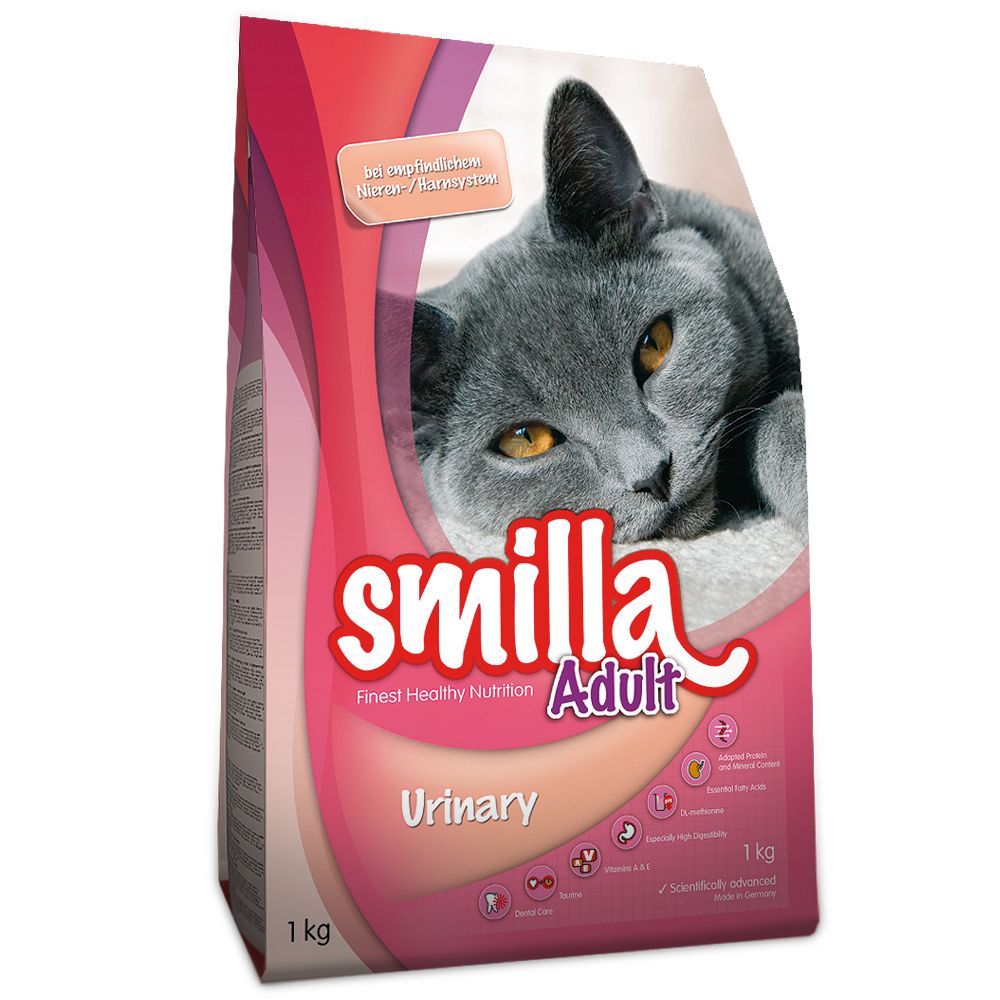
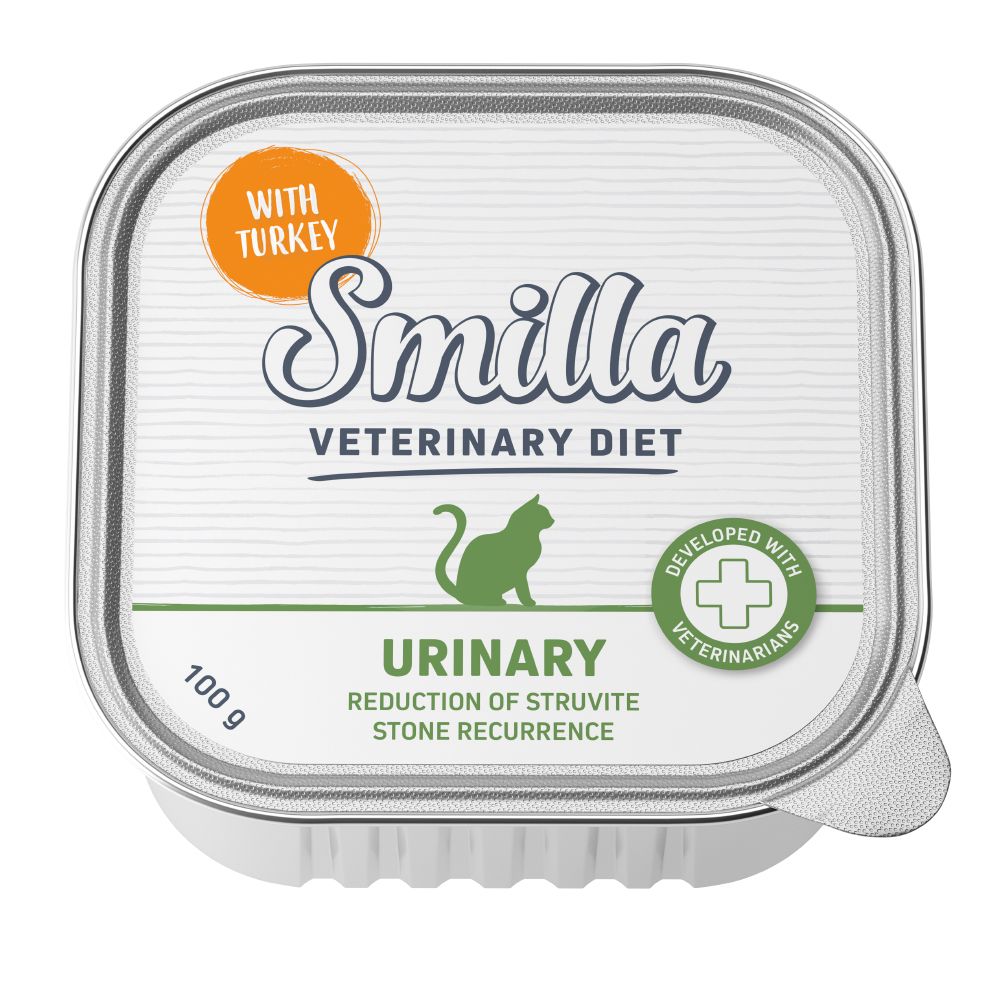
This category covers three different kinds of product: complete foods made for particular cats, veterinary diets for cats with medical conditions, and complementary supplements. They are often shelved side by side, but they are used in very different ways. The information here is general; your vet is the right person to advise on any health concern.
Foods for particular needs
These are ordinary complete foods made for a type of cat rather than an illness, and you can choose them yourself:
- Senior or 7+: for older cats, often with adjusted energy and easier-to-eat textures
- Sterilised and light: lower in calories for neutered cats and cats prone to weight gain
- Indoor and hairball: usually higher in fibre for less active cats and long coats
- Sensitive digestion or skin: often limited ingredients or a single animal protein
- Urinary care: everyday foods formulated with the urinary tract in mind, which are not the same as a veterinary urinary diet
If your cat has a diagnosed health problem, ask your vet before relying on any of these.
Veterinary diets
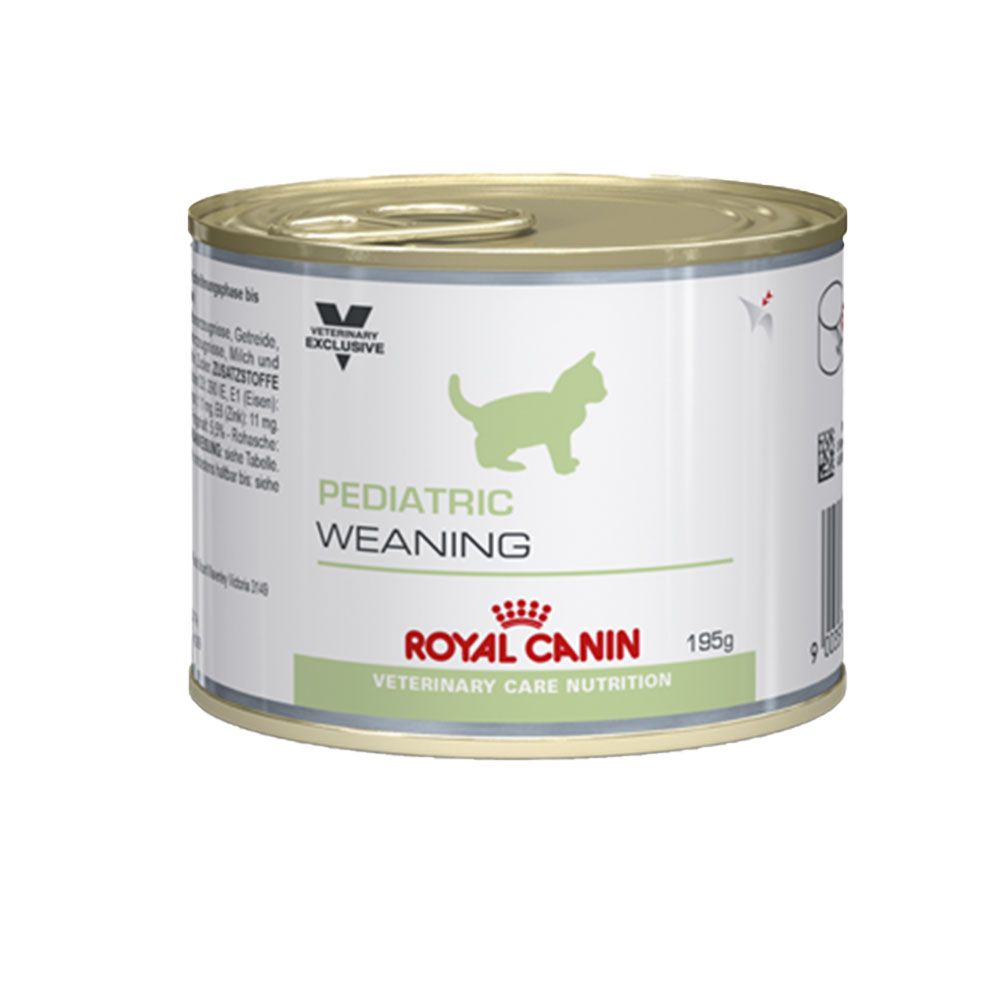
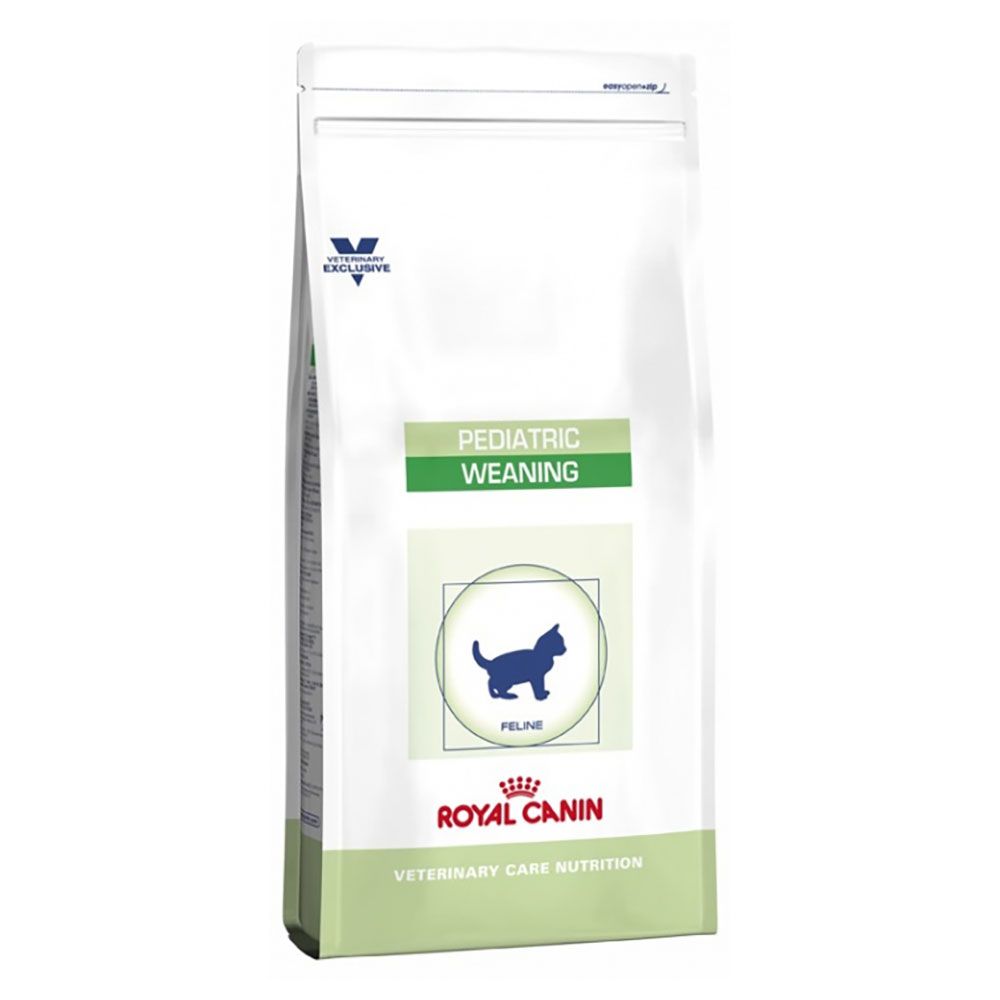
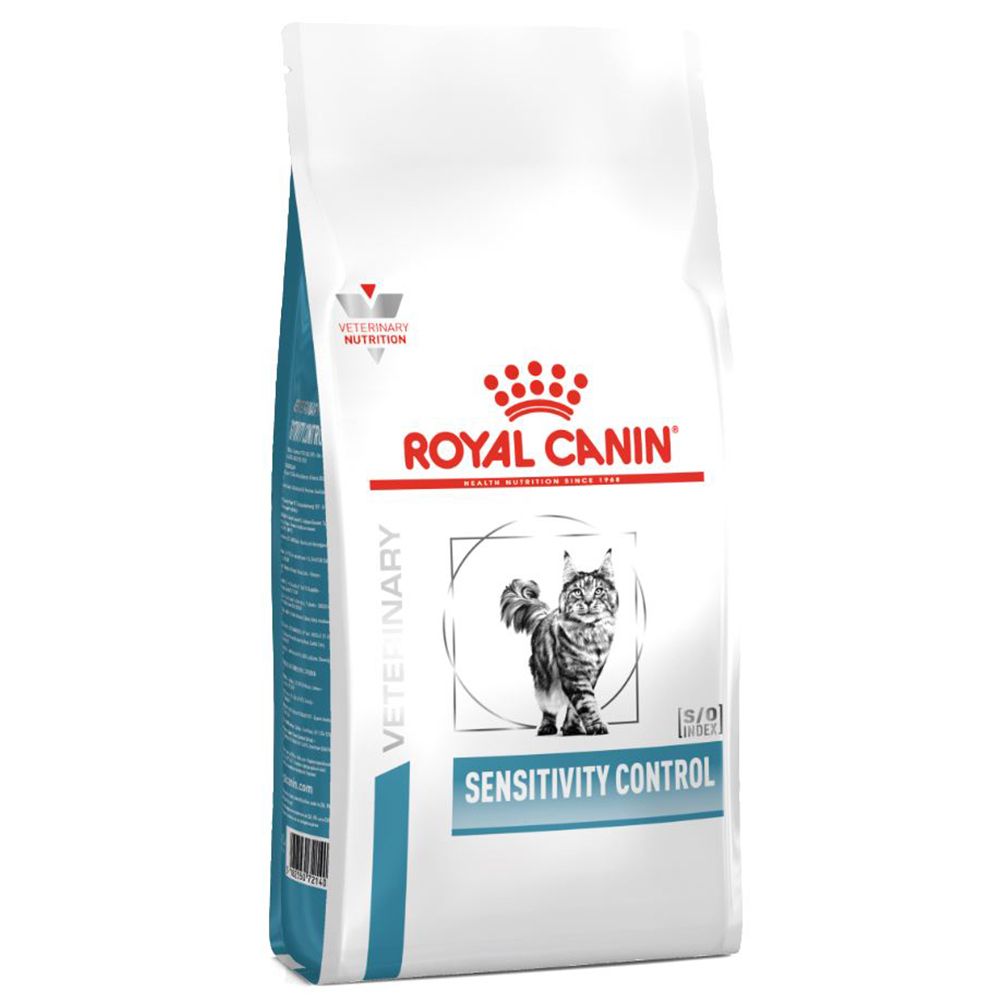
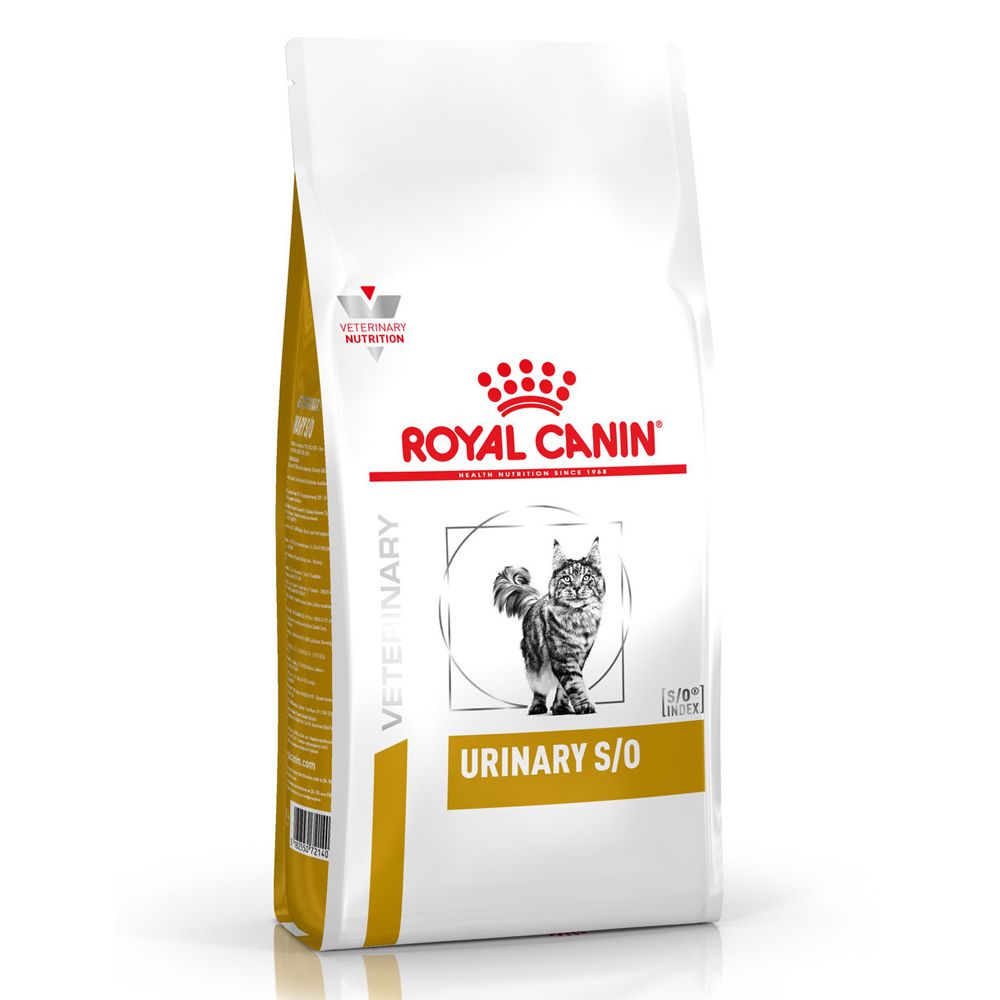
Veterinary diets, such as Royal Canin Veterinary Diet and Hill’s Prescription Diet, are dietetic foods for specific conditions, including kidney disease, urinary stones, digestive problems, food allergies and weight loss. They are designed for use under veterinary guidance, and the packs recommend seeking a vet’s opinion before use and at regular intervals.
A few points that owners often miss:
- The diet usually has to be the only food, so treats and other foods can undo its effect. Ask your vet which treats, if any, are allowed.
- Some diets are meant for a limited period, others for life; your vet will set the length and any rechecks.
- Do not feed a veterinary diet to a healthy cat, or share one cat’s diet with others in the house.
- In multi-cat homes, a microchip feeder from cat bowls and fountains lets only the right cat reach the right bowl.
Supplements
Supplements are complementary feeds: pastes, tablets, powders, oils and liquids given alongside a complete diet. Common types include malt pastes for hairballs, fish oil, probiotic pastes, vitamin pastes, joint supplements and calming products. They are not medicines and cannot treat disease. A cat on a good complete food does not normally need extra vitamins, and some nutrients can be harmful in excess.
If you do use a supplement:
- Follow the dose by body weight on the pack; more is not better
- Tell your vet about every supplement your cat takes, especially before surgery or alongside medication
- Introduce one product at a time, so you can tell what helps and what upsets the stomach
- Most pastes can be given from a fingertip or mixed into a little wet food
Changing to a special diet
Switch to a new food over about 7 to 10 days unless your vet tells you otherwise, mixing in more of the new food each day. Cats can be reluctant to accept a veterinary diet; try the wet and dry versions, warm wet food slightly, and ask your vet about alternatives from another brand rather than giving up. A cat that stops eating for more than a day or so needs a vet’s attention, as cats should not go without food for long.
Common questions
Do I need a prescription to buy veterinary cat food?
Veterinary diets are not prescription-only medicines, so many online shops sell them without a written prescription. They are, however, designed for specific medical conditions and the packs recommend a vet’s opinion before use. Feed them only after your vet has confirmed they suit your cat.
Does my cat need vitamin supplements?
A cat eating a complete food normally gets all the vitamins and minerals it needs, and some can be harmful in excess. Supplements may be useful in particular situations, such as on a home-prepared diet or alongside veterinary treatment. Ask your vet before adding them.
What is the difference between sterilised and light cat food?
Sterilised foods are made for neutered cats, which need fewer calories. Light foods are lower in energy for cats that are overweight or gain weight easily. Both are everyday complete foods; for real weight loss in an obese cat, ask your vet about a weight management plan or veterinary diet.
When should my cat switch to senior food?
Many brands label senior foods for cats from about seven years. There is no need to switch on a birthday if your cat is healthy and at a good weight. A senior health check with your vet is a good time to discuss whether a change would help.