Winter Dog Care: How to Keep Your Dog Warm, Safe and Happy
- 14 Jan, 2026
January in the UK means cold mornings, wet afternoons and walks that start and finish in the dark. Most dogs still need their daily exercise whatever the weather, so a few small changes to your routine can help keep them comfortable and safe until spring. Here are some practical winter tips for dog owners.
Does Your Dog Need a Coat?
Not every dog needs a coat. Breeds with thick double coats are usually well equipped for cold weather. However, some dogs feel the cold much more, including:
- Small and toy breeds
- Dogs with short or thin coats, such as greyhounds, whippets and many terriers
- Puppies and older dogs
- Dogs that are unwell or have a low body weight
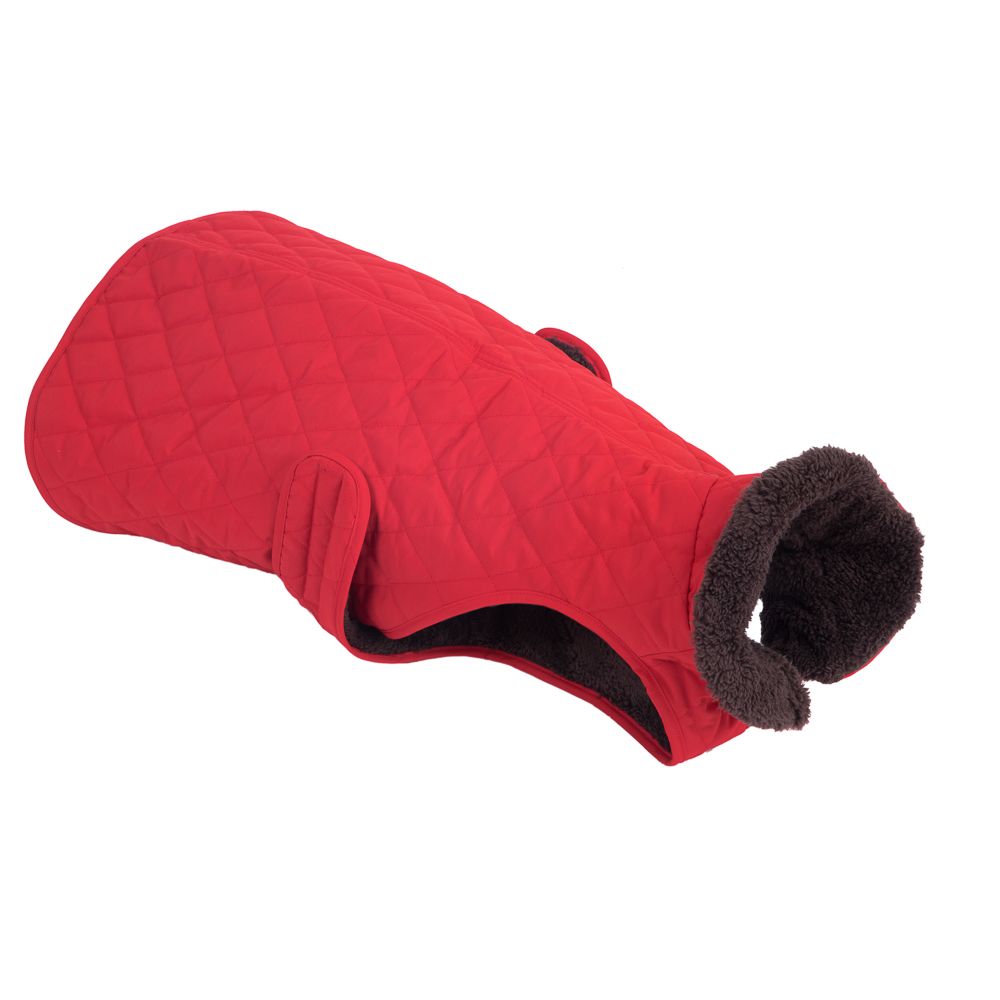
If your dog shivers, walks slowly, lifts their paws or tries to turn back home, they may be feeling the chill. A well fitted coat, like this quilted dog coat, can make walks much more comfortable. Measure your dog’s back length from the base of the neck to the base of the tail before you buy, and check that the coat does not rub under the legs. You will find more styles in our dog clothing section.
Always dry a wet coat between walks, and take it off indoors so your dog does not overheat.
Look After Those Paws
Paws take a lot of punishment in winter. Mud, ice, cold pavements and grit on the roads can all leave pads sore and cracked.
- Wipe your dog’s paws with a damp cloth or towel after every walk, especially if the roads have been gritted, so they do not lick salt off their feet.
- Check between the toes for small stones, ice balls or cuts.
- Keep the fur between the pads trimmed neatly, as long fur can collect ice and mud.
- If the pads look dry or cracked, ask your vet which paw balm is suitable.
Antifreeze is a serious danger to pets and can taste sweet to them. Clean up any spills on driveways straight away, store it safely and contact your vet immediately if you think your dog has licked any.
Safe Walks in the Dark
With shorter days, many walks happen before sunrise or after sunset. Make sure you and your dog are easy to see.
- Use a reflective or light up collar, lead or coat.
- Wear something bright or reflective yourself and carry a torch.
- Stick to familiar, well lit routes and keep your dog on a lead near roads.
- Keep ID tags and microchip details up to date in case your dog runs off in the dark.
On icy days, avoid frozen ponds and lakes. Dogs can fall through thin ice, and owners should never go onto the ice to rescue them. Call the emergency services instead.
Comfort at Home
After a cold walk, a warm, draught free spot to rest makes all the difference. Place your dog’s bed away from doors and cold floors, and add an extra blanket that can be washed easily. Older dogs with stiff joints often appreciate a thicker, supportive bed during the winter months. If you notice your dog struggling to get up or seeming stiff, speak to your vet.
Be careful with heaters and open fires. Use a fireguard and make sure your dog can move away if they get too warm.
Keep Them Active and Entertained
When the weather is truly awful, shorter walks are fine, but dogs still need mental exercise. Try:
- Puzzle feeders and snuffle mats at mealtimes
- Short training sessions to practise tricks and commands
- Hide and seek with treats or favourite toys around the house
If your dog is less active in winter, keep an eye on their weight and adjust food portions if needed. Your vet can advise on the right amount for your dog’s age, size and health.
With a good coat where needed, clean paws and a cosy bed to come home to, your dog can enjoy the winter months just as much as the summer ones.