Can Cats Drink Milk? What Vets Say and What to Give Instead
- 07 Nov, 2026
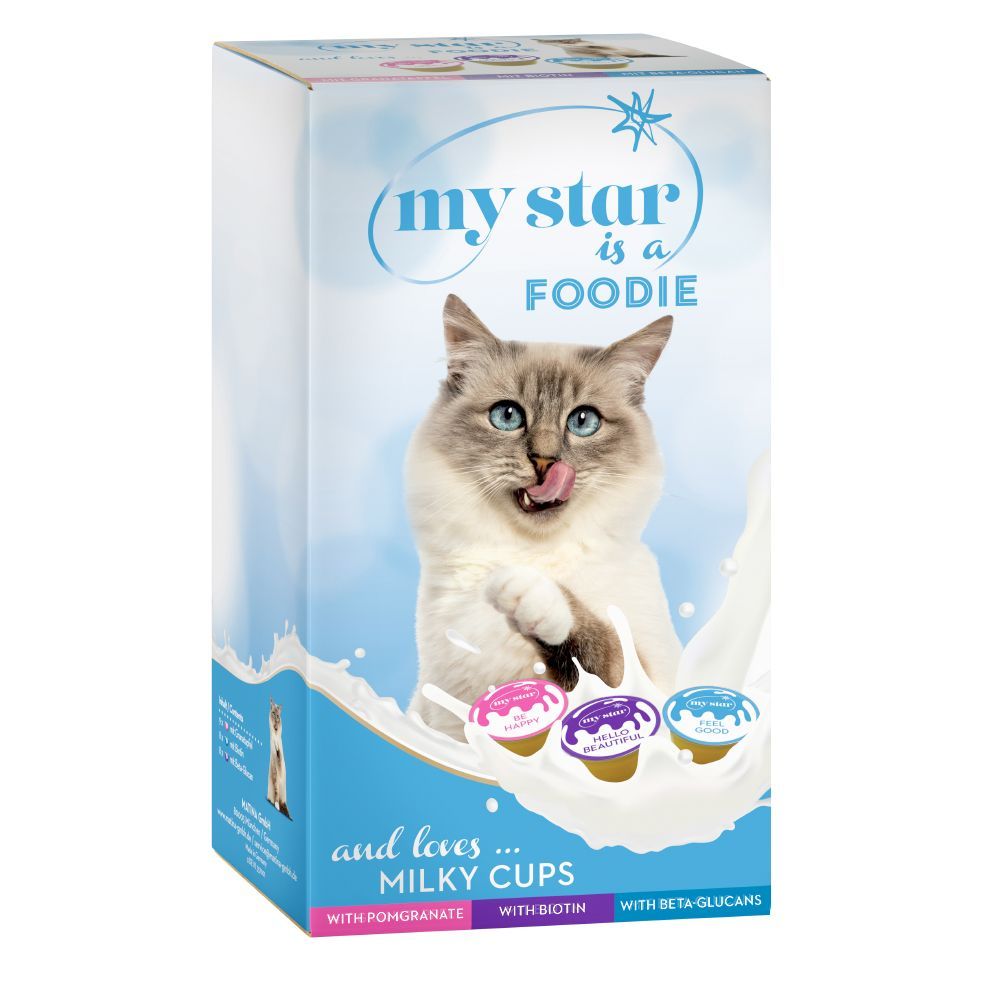
The saucer of milk by the fire is one of the most familiar images of a contented cat, but it is not something vets recommend. Most adult cats cannot digest the sugar in cows’ milk properly, and the ones that can still do not need it. Here is what actually happens when a cat drinks milk, when special cat milk makes sense, and how to give your cat a creamy treat without the upset stomach.
Why Milk Upsets So Many Cats
Milk contains a sugar called lactose. To digest it, the gut needs an enzyme called lactase. Kittens produce plenty of it while they are feeding from their mother, but once they are weaned most cats make far less. The PDSA puts it simply: most cats are lactose intolerant because they do not have enough lactase in their intestines.
Undigested lactose ferments in the gut, and the usual results are:
- Diarrhoea, often within a few hours to a day
- Vomiting
- Wind and a sore, gurgling stomach
Not every cat reacts. Some seem to cope with a lick of milk with no obvious problem, which is why the myth survives. But there is no way to tell in advance which cat will be fine, and there is no benefit to offset the risk. A cat on a complete, age-appropriate food is already getting everything it needs, and milk adds nothing but calories.
The Hidden Problem: Calories
Even a cat that digests milk well is getting a surprising amount of energy from it. The PDSA has compared a cat drinking a saucer of milk on top of its normal meals to a person eating a whole large pizza as a snack. For an indoor cat, or one that is already a little round, a daily saucer is a quick route to weight gain.
A useful rule of thumb from vets is that treats of any kind should make up no more than about 10 per cent of your cat’s daily calories. Anything you give as a treat should be balanced by slightly smaller meals, especially in winter when many cats sleep more and move less.
Cat Milk, Lactose-Free Milk and Milky Treats Compared
If your cat loves the taste of milk, there are better options than a carton from the fridge. They are not all the same, though.
| Option | Lactose | Good for | Watch out for |
|---|---|---|---|
| Cows’ milk | High | Nothing in particular | Diarrhoea, vomiting, extra calories |
| Lactose-free milk for people | Low or none | Not designed for cats | Still full of calories; check it has nothing added |
| Cat milk | Reduced | An occasional treat for cats that love milk | Often as rich as ordinary milk; not a meal |
| Milky treat pots | Check the label | Portion control, topping wet food | Count them as treats, not drinks |
| Kitten milk replacer | Formulated for kittens | Orphaned or hand-reared kittens | Not a treat for adult cats |
Cat milk such as Whiskas Cat Milk is made with less lactose than cows’ milk, which is why it is less likely to cause an upset. The catch, as the PDSA points out, is that cat milks are often just as fatty as normal milk. They are complementary products, not a complete food, so they belong in the treat column of your cat’s day.
Single-serve milky treats solve the portion problem, which is the most common way cat milk goes wrong: it is very easy to keep topping up a bowl. My Star Milky Cups come as 15g pots for adult cats, sugar free and without artificial colours or preservatives, and you can serve one straight from the pot or pour it over wet food. One small pot as an occasional treat is a very different thing from a saucer of full-fat milk every evening.
Kittens Are the Exception
Young kittens do need milk, but it has to be the right milk. While they are with their mother, her milk is all they need. If you are hand-rearing an orphaned or rejected kitten, cows’ milk is not a substitute: it does not have the protein and fat balance kittens need, and the lactose can cause dangerous diarrhoea in a very young animal.
Use a proper kitten formula instead, such as beaphar Lactol milk replacer, which is designed as complete nutrition from birth to weaning and contains taurine and DHA. Hand-rearing is demanding work with feeds through the night in the early weeks, so speak to your vet or a rescue charity as soon as you find yourself caring for a very young kitten. Once weaned, kittens move on to kitten food and water, and the milk stops.
Cream, Cheese and the Christmas Table
December is when most cats get offered dairy, usually a fingertip of cream or a corner of cheese from the board. Cream contains less lactose than milk but far more fat, and hard cheese is low in lactose but rich and salty. A tiny taste is unlikely to harm a healthy cat, but a bowl of leftover brandy butter or trifle is another matter entirely.
The bigger Christmas risks are not dairy at all:
- Onions, garlic, leeks and chives, which turn up in stuffing, gravy and sauces, are toxic to cats.
- Chocolate is toxic to cats as well as dogs, so keep selection boxes out of reach.
- Cooked bones from the turkey can splinter. Bin the carcass somewhere your cat cannot reach.
- Alcohol, including in cream liqueurs, desserts and the dregs of a glass, is dangerous even in small amounts.
If you want to include your cat in the festivities, a few pieces of plain cooked turkey breast with no skin, bones or gravy, or a treat made for cats, is the safe way to do it. If your cat eats something it should not, call your vet straight away rather than waiting for symptoms.
Water Is the Only Drink Cats Need
The reason people reach for milk is often a worry that their cat does not drink enough. Many cats are fussy drinkers, but a few changes usually help:
- Put water bowls in several places around the house, not just in the kitchen.
- Keep water away from food bowls and the litter tray. Many cats prefer to drink somewhere separate from where they eat.
- Use wide, shallow bowls so whiskers do not brush the sides.
- Try running water. Plenty of cats that ignore a bowl will drink happily from a fountain; you will find options in our cat bowls and fountains range.
- Feed some wet food, which adds a lot of moisture to the diet.
A sudden increase in thirst is worth mentioning to your vet, particularly in an older cat, as it can be an early sign of kidney problems, diabetes or an overactive thyroid.
Quick Answers
Is a little milk once in a while dangerous? For most healthy adult cats a lick will not cause lasting harm, but it can easily cause diarrhoea, and it offers nothing your cat needs. There are better treats.
Is goat’s milk better? Goat’s milk still contains lactose, so it is not a safe swap for a cat that reacts to cows’ milk.
My cat has diarrhoea after drinking milk. What should I do? Stop the milk, make sure fresh water is available and keep an eye on them. If it lasts more than a day, your cat is lethargic, off their food or vomiting repeatedly, or it is a kitten or an elderly cat, call your vet.
If your cat is a milk fan, the easiest change you can make this week is to swap the saucer for a small portioned treat a couple of times a week, and put a second water bowl somewhere quiet. Your cat keeps the ritual, and you skip the clean-up.